
1 Sep 2025 15 min to read
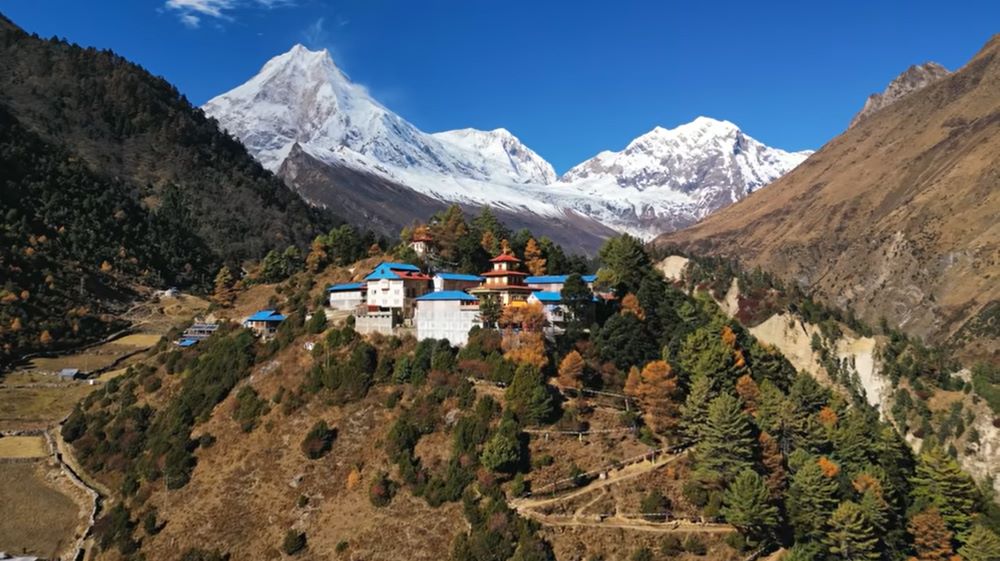
The Manaslu Circuit Trek is one of Nepal’s most thrilling and challenging trekking routes. It takes you around Mount Manaslu, the world’s eighth-highest peak, passing through remote villages, rugged trails, and high mountain passes. Unlike more popular treks, the Manaslu Circuit is less crowded, offering a truly adventurous experience. Trekkers face steep ascents, long walking days, and rapidly changing weather, making it more demanding than many other routes. This trek is perfect for those seeking natural beauty and a test of physical endurance.
The difficulty of the Manaslu Circuit Trek comes from its combination of high altitude, long trekking days, and varied terrain. Trekkers must cross challenging passes like Larkya La at 5,160 meters, navigate rocky and sometimes slippery trails, and endure cold temperatures, especially at higher elevations. Limited facilities and fewer teahouses mean less comfort compared to more popular treks, adding to the physical and mental demands. Proper preparation, including physical fitness, acclimatization, and essential gear, is crucial for a safe and rewarding experience on this remote and spectacular trek.
The Manaslu Circuit Trek is generally rated moderate to difficult, primarily due to its length, altitude, and remote terrain. The trail covers approximately 177 km and usually takes 14–18 days, depending on your pace.
Despite these challenges, the trek is manageable with adequate preparation, physical training, and hiring a licensed guide.
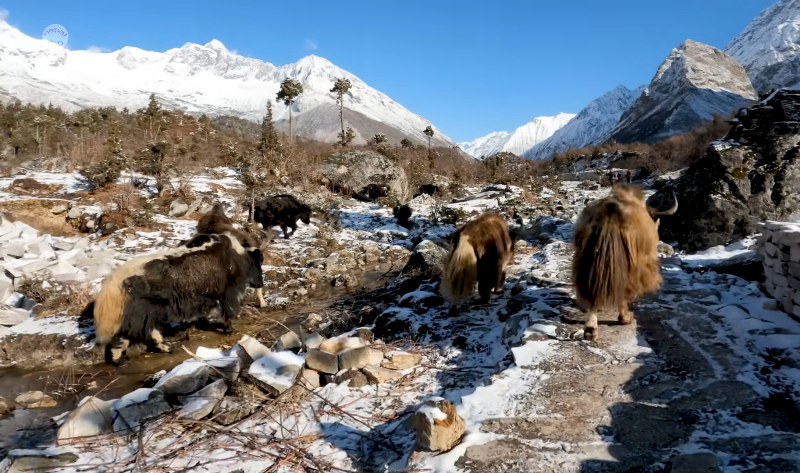
A good fitness level is essential. Trekkers should be able to walk 6–8 hours per day on uneven trails while carrying a backpack of 10–15 kg.
Training Tips Before Trekking:
Even physically fit trekkers should take rest days and pace themselves, especially on steep climbs.
This trek comes with unique challenges that require mental and physical preparation:
Preparation Tips:
Altitude sickness is a serious concern, particularly when trekking above 4,000 meters. Symptoms include:
Preventive Measures:
The Manaslu Circuit Trek is challenging, so choosing the right season is crucial for safety, comfort, and stunning views.
Autumn (September–November) is the most popular and safest time. During these months, the skies are generally clear, offering spectacular mountain views. Temperatures are moderate, trails are dry and stable, and the landscapes are colorful after the monsoon, making trekking easier and more enjoyable.
Spring (March–May) is another excellent window. The weather is mild, the rhododendron forests bloom in bright colors, and the snow on lower trails has usually melted. Higher passes may still have some snow, but the trails are mostly accessible, offering a balance of adventure and safety.
Winter (December–February) trekking is only recommended for experienced trekkers. Temperatures drop sharply at higher altitudes, and snow can cover passes like Larkya La, making trails slippery and hazardous. Proper gear, clothing, and prior high-altitude experience are essential.
Monsoon (June–August) is the riskiest season. Heavy rain increases the chance of landslides, river swelling, and slippery trails. While the region becomes lush and green, trekking conditions are unpredictable, and some villages may be difficult to reach. Only highly prepared and experienced trekkers should attempt Manaslu during this time.
Summary: For a safe and comfortable trek, Autumn and Spring are the best seasons, while Winter and Monsoon require advanced preparation, experience, and caution.
Here’s a detailed breakdown you can use for Manaslu Circuit Trek: Daily Trekking Hours and Difficulty. I’ve explained how each section of the trek feels, how many hours you usually walk, and what makes it easy or hard:
The Manaslu Circuit Trek is a long and diverse journey that usually takes 9–17 days, depending on pace and itinerary. The trek begins at lower elevations with easier terrain and gradually moves into remote high-altitude landscapes, making the difficulty vary each day.
Summary of Trekking Hours & Difficulty by Section:
| Feature | Manaslu Circuit Trek | Annapurna Circuit Trek |
|---|---|---|
| Difficulty | High – Remote, rugged trails, long days, high passes like Larkya La (5,160 m) | Moderate – Trails are established, occasional steep ascents, pass at Thorong La (5,416 m) |
| Accessibility | Less commercialized, fewer tea houses and amenities, requires good planning | Well-developed, with many lodges and tea houses, easier to find food and accommodation |
| Scenery | Remote Himalayan vistas, glacial valleys, and traditional Tibetan-influenced villages | Diverse landscapes: terraced fields, rhododendron forests, high-altitude deserts, and iconic mountain views |
| Crowds | Very few trekkers, peaceful and isolated | Popular trek, more trekkers, lively villages |
| Cultural Experience | Tibetan Buddhist culture, local remote villages, and authentic rural life | A mix of Gurung, Thakali, and Tibetan cultures along accessible villages |
| Best For | Experienced trekkers seeking adventure, solitude, and raw nature | Beginners to intermediate trekkers looking for a classic Himalayan adventure with moderate challenge |
The Manaslu Circuit Trek is more challenging and adventurous. Its remote trails, limited amenities, and high passes require endurance, planning, and trekking experience. However, the reward is an unspoiled nature, breathtaking peaks, and authentic Tibetan culture.
The Annapurna Circuit Trek, on the other hand, is more accessible and moderately challenging. It offers a balance of adventure, culture, and comfort, with established tea houses, variable weather, and some steep ascents. It is ideal for trekkers who want stunning Himalayan views without the extreme isolation.
In short: If you crave hardcore adventure, choose Manaslu. If you want a classic, scenic, and slightly easier trek, go for the Annapurna Circuit.
Proper gear not only ensures safety and comfort but also reduces fatigue on long days.
The trek has several challenging sections:
Hiring an experienced local guide helps navigate these safely and reduces risk.
The Manaslu Circuit Trek is not for complete beginners. You should have:
Basic trekking experience – Some prior treks at moderate altitude help.
Good fitness level – You will walk 5–9 hours a day, often on steep or rocky trails.
High-altitude experience – Trekking above 4,000 meters can be challenging; knowing how to manage altitude is important.
Endurance and patience – The trail can be remote, and some days are long and tiring.
Who can do it:
Trekkers who have done other Nepal treks like Annapurna or Everest Base Camp.
People are ready for a moderately difficult to hard trek with stunning mountain views and remote villages.
Even difficult treks can become enjoyable with proper planning and local support.
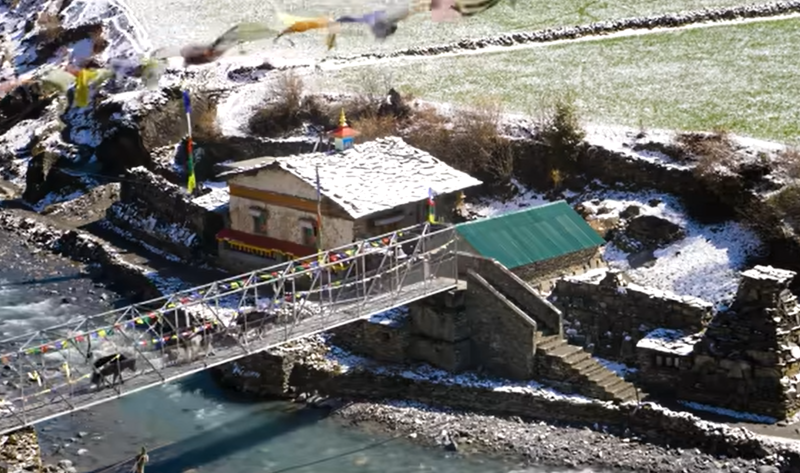
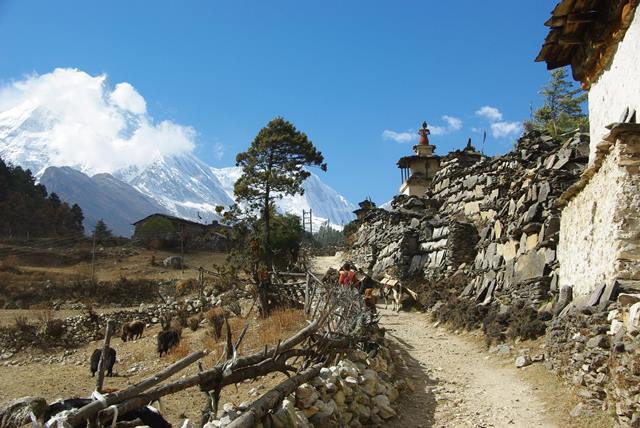
The Manaslu Circuit Trek offers diverse terrain, from lush subtropical forests at lower altitudes to alpine meadows and rocky ridges at higher elevations. Trekkers walk along narrow trails, cross fast-flowing rivers on suspension bridges, and navigate paths carved along steep mountain slopes. The trail’s surface varies with loose rocks, mud, and gravel, requiring careful footing. During spring, rhododendron forests bloom, while autumn trails provide crisp, clear conditions, making trekking both scenic and physically demanding.
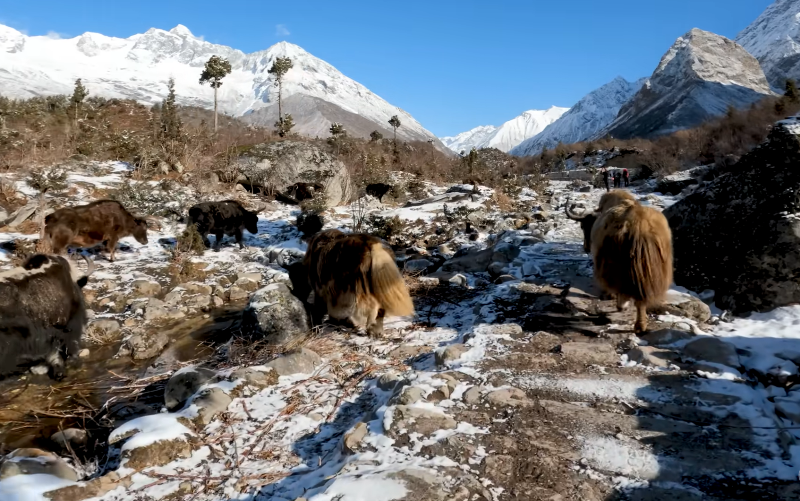
Higher sections present challenging snow-covered paths, especially near Larkya La Pass, with icy patches and strong winds. Trails are less crowded, giving a sense of remote adventure, but trekkers must be cautious on cliffside paths and slippery slopes. Seasonal variations significantly impact the trail, so preparation with proper footwear, trekking poles, and local guidance is essential for safety and enjoyment.
The trek covers:
Trail conditions vary by season, so knowing the terrain helps plan gear and walking pace.

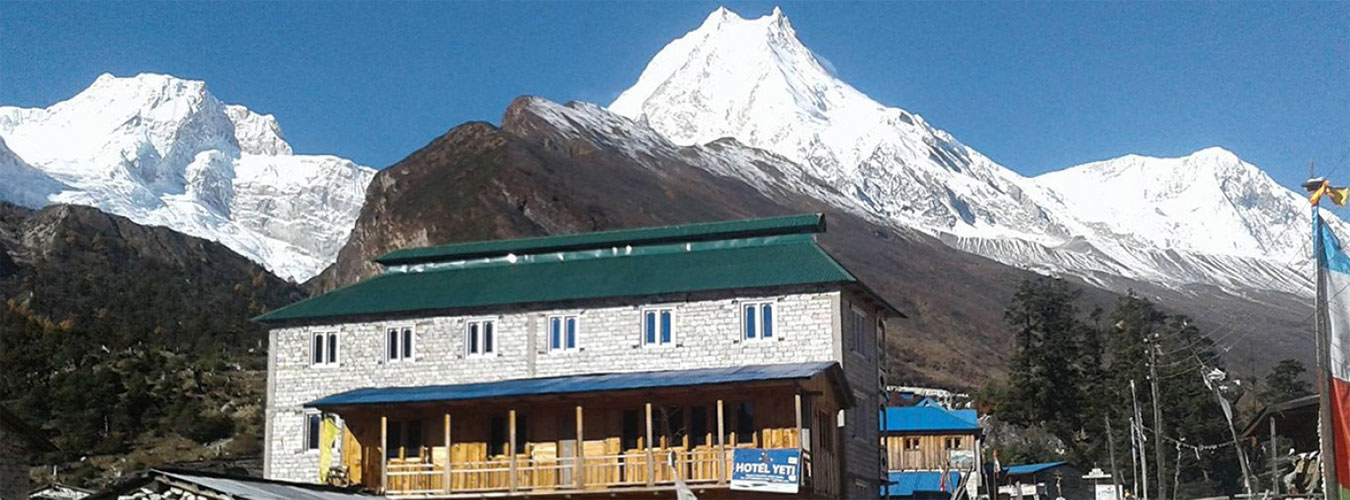
The Manaslu Circuit Trek is less commercialized than the Annapurna or Everest regions, so food and lodging options are basic. Teahouses serve traditional meals like dal bhat, noodles, and soups, but variety can be limited in remote areas. Rooms are often shared or small, with simple bedding and minimal heating. Electricity and Wi-Fi are scarce, especially at high altitudes. Trekkers must adjust expectations, carry essentials like snacks and power banks, and embrace the simplicity, which adds to both the challenge and authenticity of the trek.
Mental resilience is key:
Tips to overcome mental challenges:

The Manaslu Circuit Trek is one of Nepal’s most rewarding adventures, but even experienced trekkers can face challenges if they’re not fully prepared. Here are some common mistakes and how to avoid them:
1. Ignoring Acclimatization
High altitudes on the Manaslu Circuit can cause serious health risks if you ascend too quickly. Skipping proper acclimatization increases the chance of altitude sickness, which can turn an exciting trek into a dangerous experience. Always plan your itinerary with gradual altitude gain and rest days to enjoy the trek safely.
2. Overpacking or Underpacking Essentials
Carrying too much can slow you down, while forgetting key items—like warm clothing, first-aid kits, or trekking poles—can make your journey uncomfortable and risky. Pack smart with versatile gear, keeping weight manageable and essentials within reach.
3. Skipping Weather and Trail Checks
The weather in the Manaslu region can change rapidly. Trekkers who ignore local forecasts or trail conditions may face landslides, heavy rain, or snow unexpectedly. Stay updated and plan your trekking days accordingly to avoid dangerous situations.
4. Trekking Without a Guide in Remote Areas
Manaslu’s remote villages and rugged trails are not easy to navigate alone. Trekking without a knowledgeable guide can lead to getting lost, missing hidden gems, or struggling with local logistics. Hiring an experienced guide ensures safety, smooth arrangements, and a richer cultural experience.
Avoid These Mistakes for a Safe and Memorable Trek
By planning wisely, packing smartly, checking the weather, and trekking with an experienced guide, you’ll not only stay safe but also fully enjoy the breathtaking landscapes, unique villages, and serene trails of the Manaslu Circuit. Make your adventure seamless and unforgettable with Safe Holiday Adventure Pvt. Ltd., your trusted trekking partner in Nepal.
The Manaslu Circuit Trek is a challenging yet unforgettable journey through the heart of the Himalayas. With proper preparation, physical training, and support from a licensed local guide, this trek can be a once-in-a-lifetime adventure.
For those seeking other amazing treks in Nepal, you can explore:
With Safe Holiday Adventure Pvt. Ltd., you get professional guidance, porter service, permits, and local support, making your Manaslu Circuit trek both safe and enjoyable.

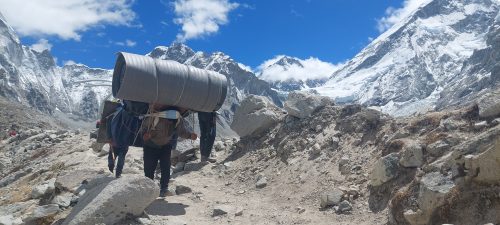
Standing at the foot of the world’s highest mountain is a moment that stays with you forever.
Continue Reading
The Everest Base Camp trek is moderate to hard. There is no climbing, no ropes and no technical skil
Continue Reading
The Gokyo Lakes and Gokyo Ri Trek is one of the most rewarding ways to explore the Everest region wi
Continue Reading
Manaslu Circuit Trek weather is more complicated than simply checking the forecast before leaving Ka
Continue Reading
The Gokyo Lakes Trek is one of the most beautiful trekking journeys in Nepal’s Everest region.
Continue Reading
A clear and honest update for travelers planning Everest, Annapurna, Manaslu, Mustang and other popu
Continue Reading