
17 Nov 2026 10 min to read
The higher you walk toward Annapurna Base Camp, the smaller your world becomes. Rooms shrink, lights flicker and the dining hall turns into the only warm place for miles. If you are planning the trek for 2027 OR 2028, understanding ABC trek accommodation before you land in Nepal will save you from surprises, and it will help you pack, budget and sleep better. This guide walks you through the whole trail, night by night, with the real details trekkers want to know.
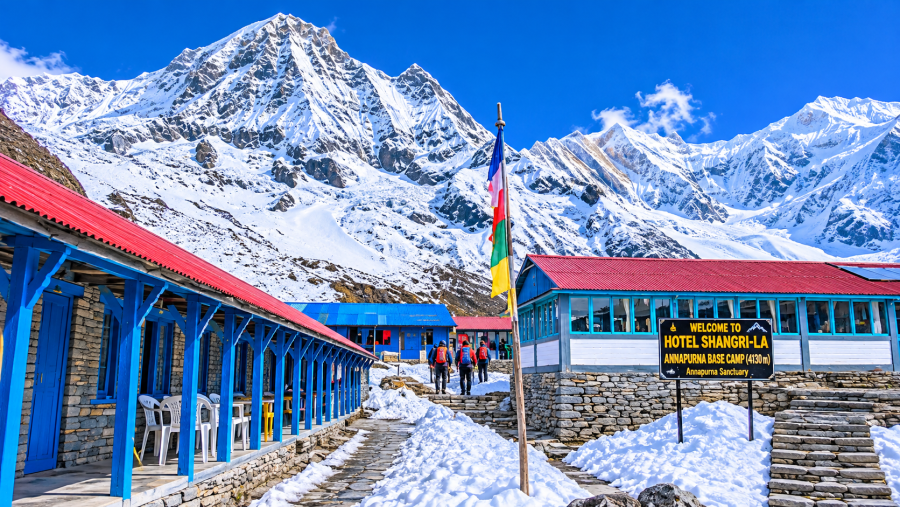
The route sits inside the Annapurna Conservation Area, so ACAP rules limit the number and size of lodges. This is good for the mountains but can be a bit limiting for your comfort. Rooms are basic but safe, and no amount of money buys a luxury suite here. Accept that early and the trek becomes far more enjoyable. You can read about the protected area on the ACAP page of NTNC.
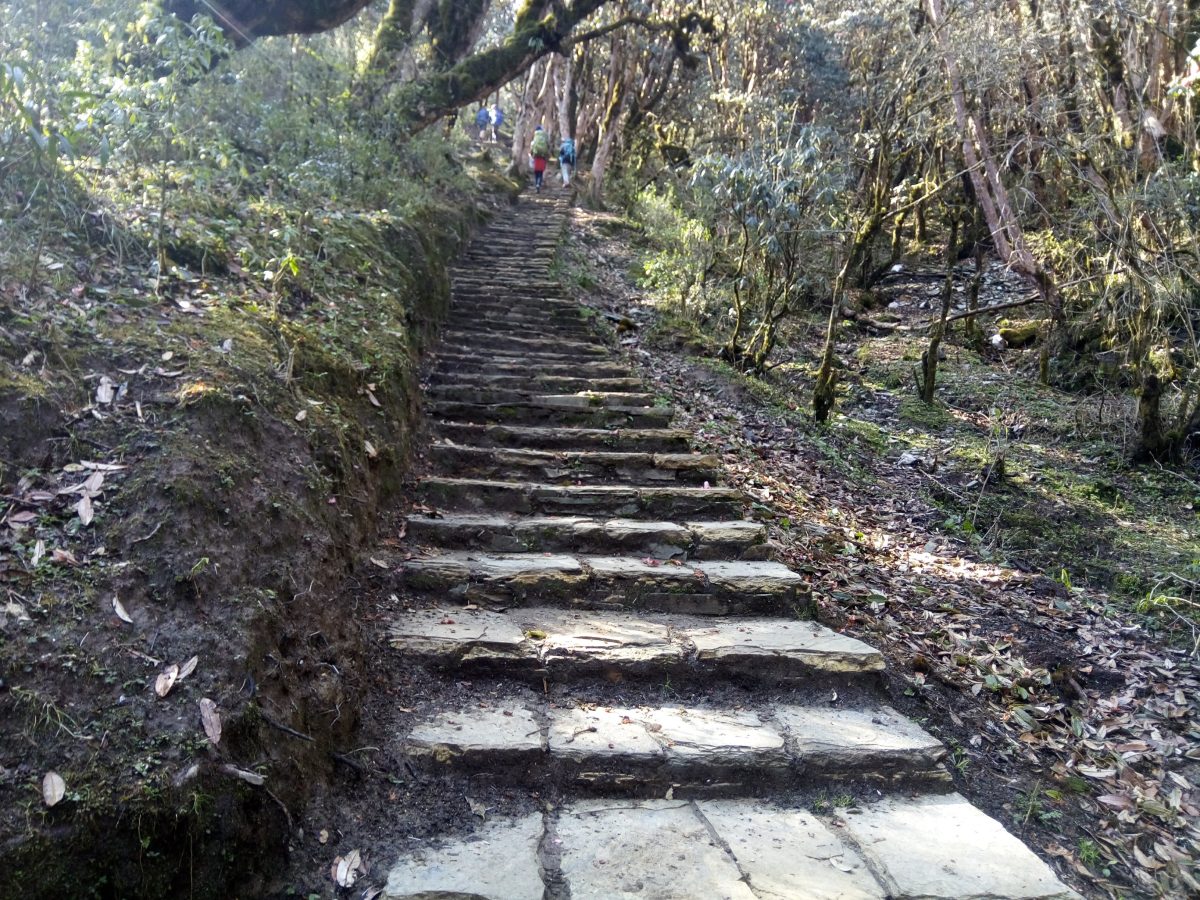
The easiest way to picture the trail is in three stages. The lower part, up to Chhomrong, has the most choice. The middle part, from Sinuwa to Deurali, has a limited number of simple lodges. The top part, Machhapuchhre Base Camp and Annapurna Base Camp, has the fewest beds, the coldest nights and the most shared rooms.
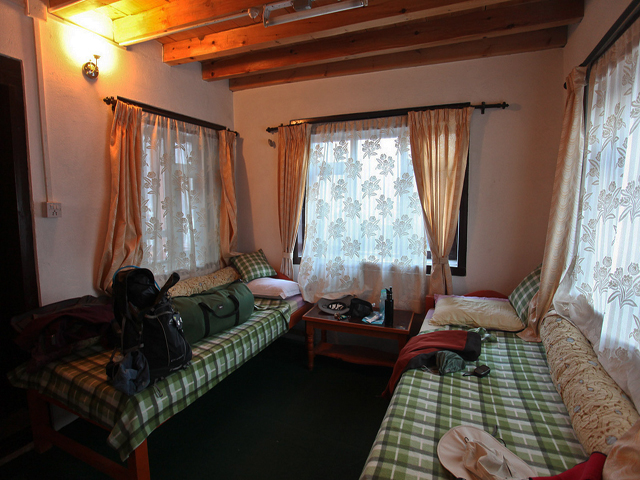
Every teahouse room holds at least two or three beds, so single rooms do not exist on this trail. If you walk alone, please do not expect a private room. In the busy autumn and spring seasons, owners often request solo trekkers to share, and they do it gender-wise, boys with boys and girls with girls. Most trekkers find this friendly and respectful, and many make good friends this way.
The beds are simple foam mattresses with a pillow and a blanket. The walls are thin, so you will hear your neighbors, and earplugs are a smart idea. As you climb, rooms grow fuller. At Machhapuchhre Base Camp and Annapurna Base Camp, some lodges place five to seven beds in a single room, and when many trekkers arrive, sharing is unavoidable.
Blankets are provided in general, but in peak season they can feel thin against the cold at the top. We suggest carrying your own sleeping bag in busy months. Even if you are willing to pay more, there is no luxury accommodation on this route.
Here is the point that surprises first-time trekkers. Above Sinuwa, there are no rooms with attached bathrooms. The temperatures are colder and the lodges are limited, so toilets are shared and located outside the rooms, usually down a corridor or in a small building beside the lodge.
The lower villages may have slightly better facilities, but the higher you go, the simpler they become. Carry toilet paper, hand sanitizer and a headlamp for night visits, and keep your shoes by the door so you can step out quickly in the cold.
Yes, you can have a hot shower, and after a cold day it feels wonderful. It costs extra, and it is arranged in one specific room as a gas shower or a bucket shower, not inside your own room. Because gas and water are carried up the mountain, the price rises as you climb.
A practical rule is to shower in the early afternoon while the sun is still out, dry your hair well and avoid showering at the highest, coldest stops. Cold wet hair at altitude is uncomfortable and can make you feel chilled for the whole evening.
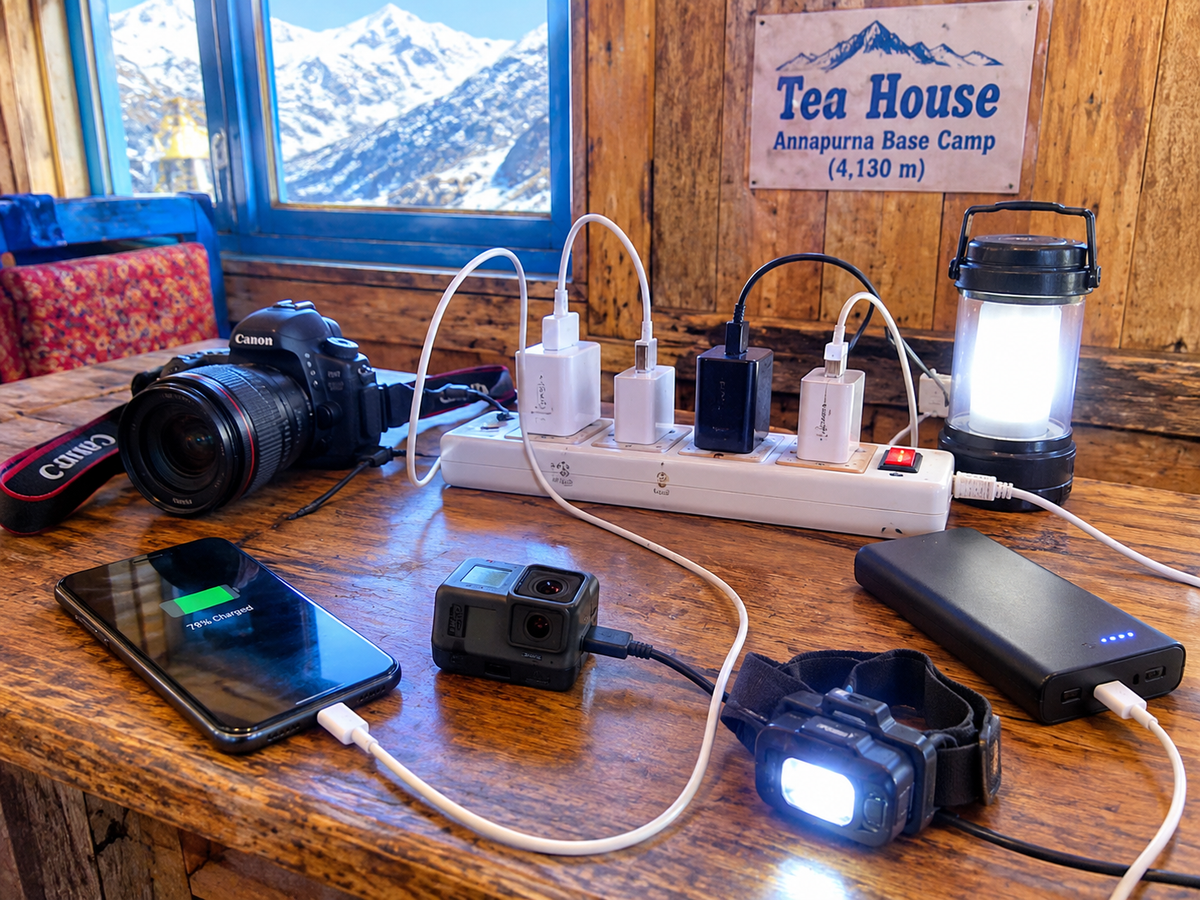
This is where expectations need the most care. Do not expect a charging plug or a heating system inside your room, because electricity is very limited. At Machhapuchhre Base Camp, power comes and goes, and you may get electricity at times, but you will not get a plug in your room. At Annapurna Base Camp, there is not really any reliable electricity.
Charging is available in the dining hall, and the lodges charge a small fee for each device. The wise plan is to carry a fully charged power bank, switch your phone to airplane mode, and keep your batteries inside your sleeping bag at night, because cold drains them quickly.
Heating follows the same rule. Your room will not be heated. The warmest place in every lodge is the dining hall, and some lodges make heating underneath the floor for a small additional cost.
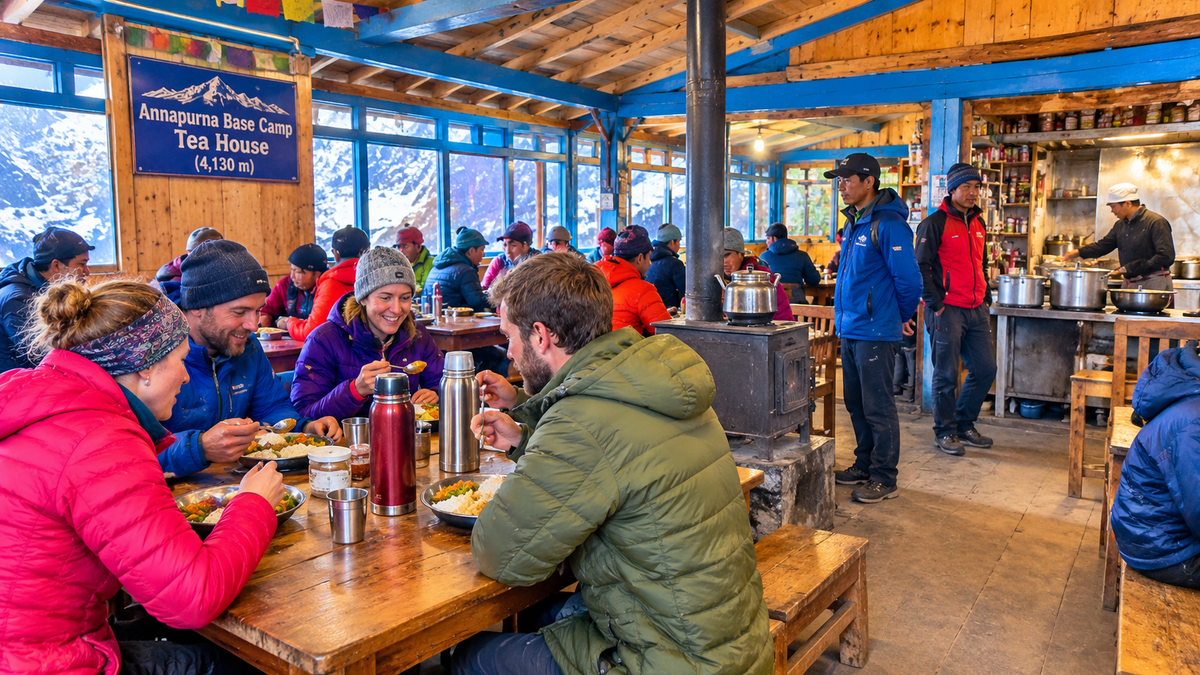
Above Sinuwa, the dining hall is usually large, and all trekkers stay and eat in the same place. It is a social space where you share stories, play cards and plan the next day with your guide. In the evening it fills up fast, so arrive early if you want a seat near the stove or the warm floor.
Every teahouse serves your meals, snacks and drinks, and most also offer Wi-Fi, hot showers and device charging for a small fee. Menus are similar from lodge to lodge, with dal bhat, noodles, fried rice, soup, eggs and pancakes. Teahouses earn most of their income from food, so it is normal and polite to eat where you sleep.
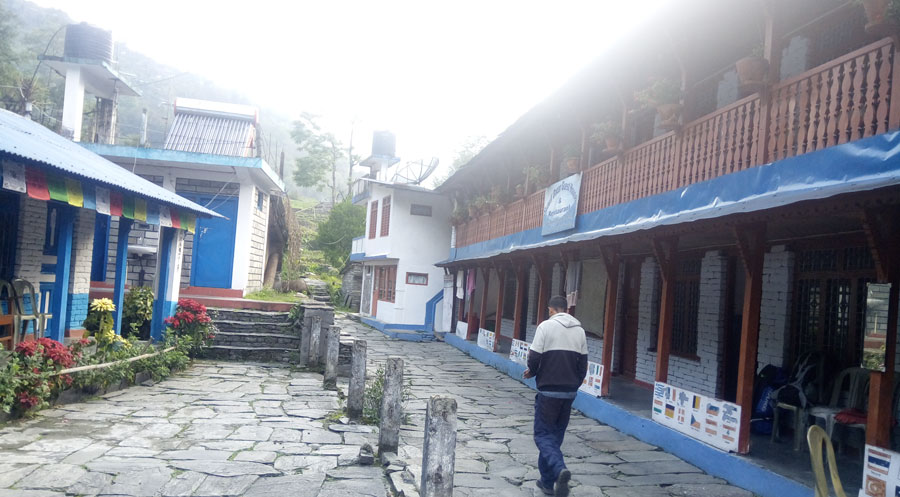
Between villages there is nowhere to sleep, so it helps to know where beds exist. The altitudes below are approximate, and lodge numbers can change slightly from season to season.
Because the numbers are small in the middle and upper sections, one busy day can fill every bed. That is why timing and booking matter so much.
In October, November, March and April, the trail is busy, and the upper villages can fill by early afternoon. Sharing rooms is normal, sleeping bags are strongly recommended and booking ahead is wise. In the quieter months, you will find more space and more choice, but colder nights, closed lodges in some high places and weather that can change quickly.
If you travel in a group, we suggest reserving your accommodation before you reach the upper villages. At Machhapuchhre Base Camp and Annapurna Base Camp, some lodges have five to seven beds in a room, and when many trekkers arrive, groups can end up split across different rooms or even different lodges.
Solo trekkers have more flexibility, but should still start walking early so they arrive with daylight to spare. A guide can call ahead and confirm beds, which removes the stress of searching at sunset.
We do not recommend sleeping in a tent between Sinuwa and Deurali. This section has avalanche risk and wild animals, and a tent offers no protection from either. Apart from the lodges, there is no safe place to sleep along this part of the trail, so plan your walking days around the villages above.
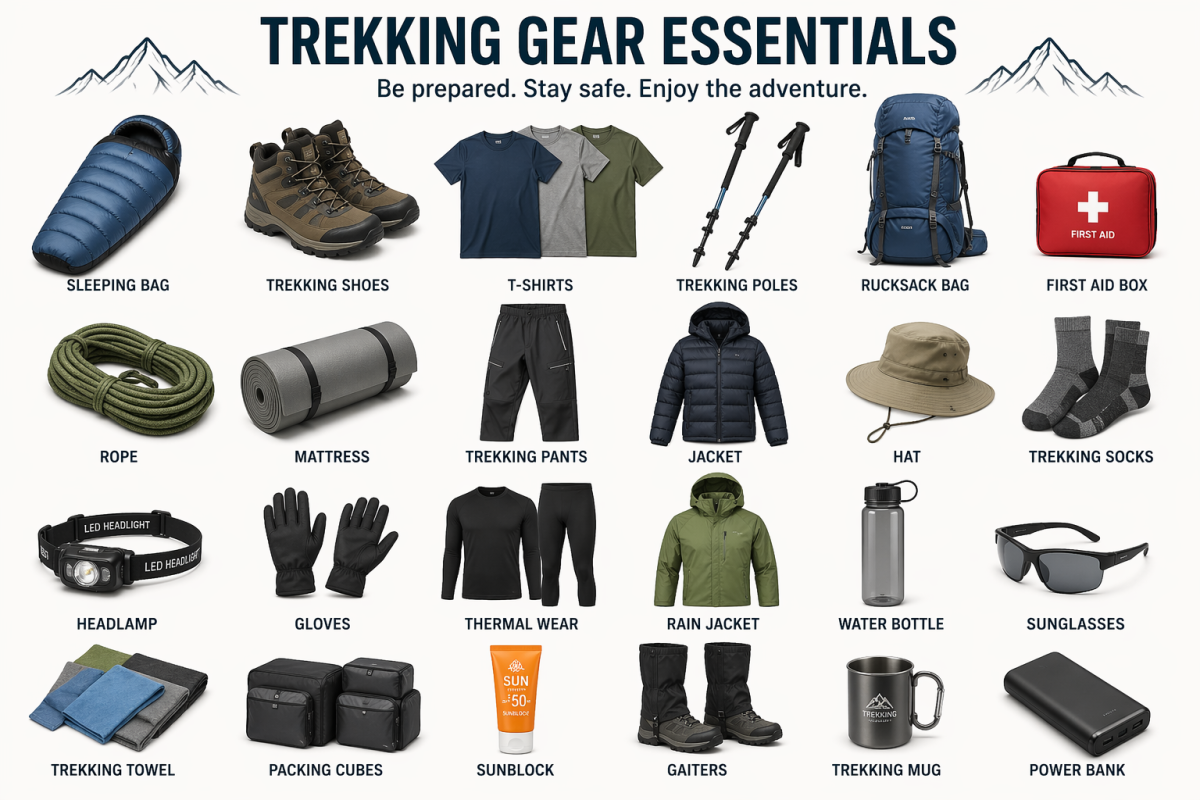
A warm sleeping bag with a liner is the most important item. Add earplugs, a headlamp, a power bank, warm socks for sleeping and a light down jacket for the dining hall. A small towel, wet wipes and a few zip bags keep you clean and your things dry. Carry small Nepali notes for showers, charging, Wi-Fi and snacks, since cards do not work on the trail.
Arrive early, so you can choose a bed away from the door. Drink warm water in the evening and avoid heavy sweating before sleep. Keep your valuables with you at night, and be polite when sharing a room, because everyone is tired. Lights usually go out early, and mornings begin before sunrise at the top.
ABC trek accommodation is simple, shared and limited, and that is exactly what makes the journey feel real. You will not find private bathrooms above Sinuwa or a luxury room at any price, but you will find warm dining halls, kind hosts, safe beds and a view of the Annapurna sanctuary that no hotel can match. Pack a sleeping bag, a power bank, earplugs and patience, and the mountains will take care of the rest.
If you want every lodge, permit and guide arranged for you, talk to Safe Holiday Adventure. If you prefer an independent guide to plan the trek around you, contact Nepal Everest Guide.
1. What type of accommodation is available on the ABC trek? Simple family-run teahouses with basic shared rooms, a large dining hall, and food and drink service.
2. Can I get a private room if I trek solo? No. Teahouses arrange at least two or three beds in a room, so there are no single rooms.
3. Will I have to share a room? In peak season, yes, it is common. Owners usually share boys with boys and girls with girls.
4. Are there attached bathrooms on the ABC trek? Not above Sinuwa. Toilets are shared and outside the rooms.
5. Can I take a hot shower? Yes, for an extra cost. It is a gas or bucket shower in one specific room, not inside your room.
6. Is there electricity and charging in the rooms? No. You can charge in the dining hall for a small fee, and power at Machhapuchhre Base Camp and Annapurna Base Camp is limited.
7. Is there heating in the rooms? No. The dining hall is the warmest place, and some lodges add underfloor heating for a small extra cost.
8. Do teahouses provide blankets? Yes, in general, but we recommend your own sleeping bag in peak season.
9. Is there luxury accommodation on the trail? No. Chhomrong has the best options, but they are still simpler than hotels in Pokhara or Kathmandu.
10. How many beds are in a room at Machhapuchhre Base Camp and Annapurna Base Camp? Some lodges have five to seven beds in one room, so sharing is common when the trail is busy.
11. How many teahouses are there at Annapurna Base Camp? About five, which is why booking ahead is wise for groups.
12. Should I book accommodation in advance? Groups should reserve before reaching the upper villages. Solo trekkers should start early and can ask their guide to call ahead.
13. Is Wi-Fi available? Most teahouses offer it for a small fee, but the signal is weak, so do not depend on it.
14. Can I camp on the ABC trek? Camping is not recommended between Sinuwa and Deurali because of avalanche risk and wild animals.
15. Where is the most comfortable place to stay? Chhomrong, which has many teahouses and a beautiful view of the Annapurna range.
16. What should I carry for sleeping comfort? A warm sleeping bag, earplugs, a headlamp, a power bank, warm socks and small Nepali notes for showers and charging.
Most people plan the Annapurna Circuit around one single moment: standing under the prayer flags at
Continue Reading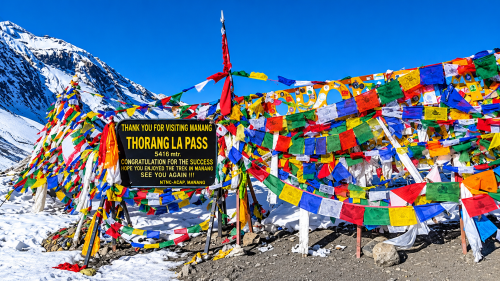
Travelling to Nepal and exploring the Himalayas had been one of our biggest travel dreams. When nine
Continue Reading
Imagine this. You are standing in Namche Bazaar, the horseshoe-shaped Sherpa town at 3,440 metres, w
Continue Reading
Namche Bazaar is where the Everest trail makes its biggest decision. Most trekkers turn right toward
Continue Reading
Nepal is famous for Mount Everest, the Annapurna Himalayas, ancient temples, traditional villages, a
Continue Reading
There is a moment at Annapurna Base Camp when the sun touches the rim of the sanctuary and every pea
Continue Reading