
21 Sep 2026 21 min to read
Standing at the foot of the world’s highest mountain is a moment that stays with you forever. Choosing the right Everest Base Camp trek packages is what turns that dream into a safe, smooth, and beautifully organized journey. With so many operators offering similar itineraries, it is easy to feel lost. This guide explains what a great package includes, compares five popular options, and shares practical tips to help you book with confidence.
In this guide:
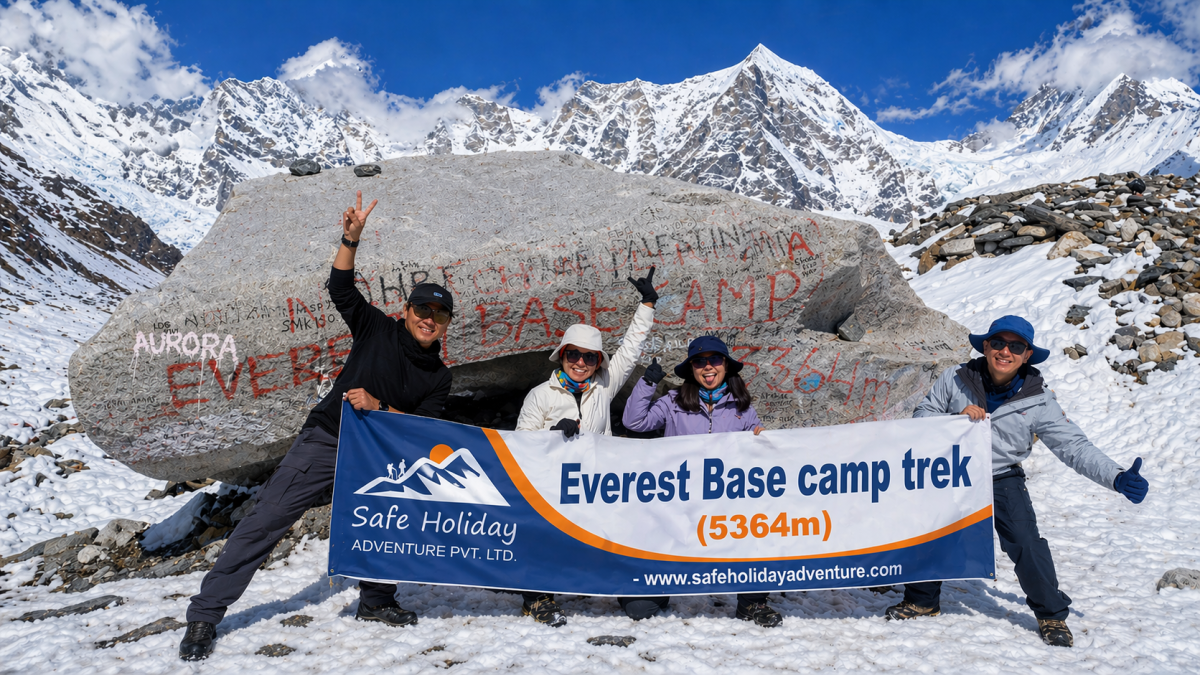
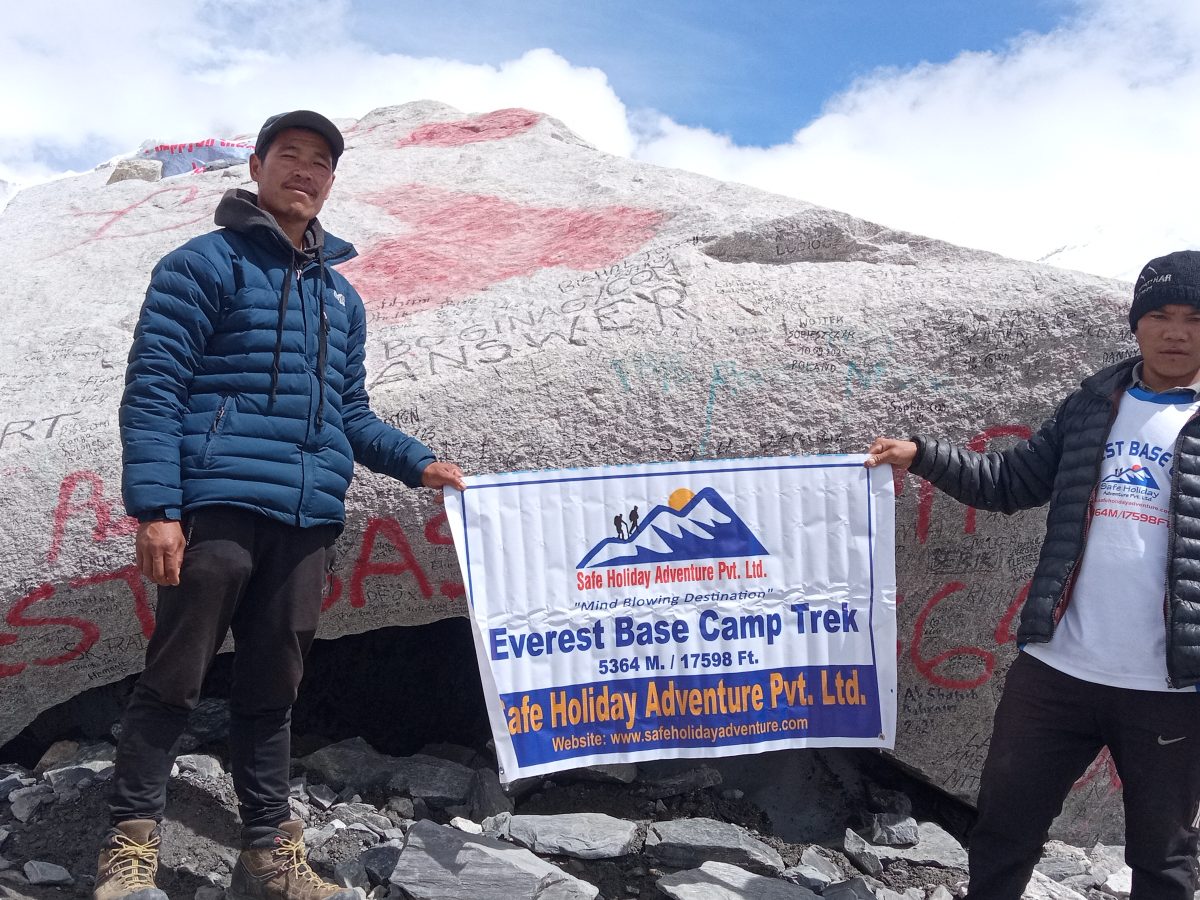
Everest Base Camp sits at 5,364 meters (17,598 feet) in Nepal’s Khumbu region. The trail runs through Sagarmatha National Park, a UNESCO World Heritage Site, where Sherpa villages, prayer-flag ridges, glacial rivers, and ancient monasteries appear one after another. Giants such as Ama Dablam, Lhotse, and Nuptse watch over you along the way.
Best of all, you do not need to be a mountaineer. You need steady fitness, a sensible pace, and a trusted local team. That is exactly what well-designed Everest Base Camp trek packages deliver.
| Detail | Information |
|---|---|
| Typical duration | 12 to 14 days from Kathmandu |
| Highest points | Base Camp 5,364 m; Kala Patthar 5,545 m |
| Approximate distance | Roughly 130 km round trip |
| Difficulty | Moderate to challenging |
| Best seasons | March to May and September to November |
| Trek start | Lukla, reached by flight from Kathmandu or Ramechhap |
| Accommodation | Comfortable mountain teahouses |
A trustworthy package lists every service in writing. Before you book, look for:
Equally important, check what is not included. Common exclusions are international flights, travel insurance, personal equipment, hot showers, battery charging, and tips for your crew. A clear package tells you all of this upfront.
Foreign trekkers need two permits for the Everest Base Camp trek. Each one has a different purpose, and both are required. The old TIMS card is no longer needed in this region.
| Sagarmatha National Park Permit | Khumbu Pasang Lhamu Rural Municipality Permit | |
|---|---|---|
| Required for foreign trekkers | Yes | Yes |
| What it covers | Entry to Sagarmatha National Park, a UNESCO World Heritage Site | Entry to the local Khumbu community area along the trail |
| Checked at | Monjo checkpoint | Along the trail |
| Where your fee goes | Conservation, ranger operations, trail upkeep, and waste management | Local government infrastructure and services in the Sherpa villages |
| Fee | Varies by nationality and can change | Varies by nationality and can change |
| TIMS card also needed? | No | No |
| Usually included in a package | Yes | Yes |
Which permit do you need? Both. Neither one replaces the other, so carry both throughout the trek.
Fees change over time, so confirm the current rates before you travel. A reliable operator arranges both permits in advance and includes them in the package price. That saves you paperwork, queues, and stress.
One note on where the details come from. Operator guides confirm that trekkers need exactly two passes for the whole trip, with the national park permit checked at Monjo, and that the local municipality permit now covers what the TIMS card used to handle in this region. I left the exact fees out on purpose, because sources quote different amounts, so please verify them before you add any numbers.
Every traveler has different priorities. Here are the five most popular package styles, so you can match one to your time, comfort level, and budget.
The Classic 12-Day Everest Base Camp Trek follows the traditional trail through the heart of the Khumbu region. Walk from Lukla through Phakding, Namche Bazaar, Tengboche, Dingboche, Lobuche, and Gorak Shep before reaching Everest Base Camp.
With carefully planned acclimatization days in Namche Bazaar and Dingboche, this Everest Base Camp itinerary allows first-time trekkers to adjust gradually to the altitude. Along the way, enjoy Sherpa culture, mountain villages, ancient monasteries, and breathtaking Himalayan scenery.
This Everest Base Camp Trek in Nepal offers a practical itinerary for travelers looking for an authentic Himalayan adventure with a well-planned route, comfortable teahouse stays, experienced local support, and a reasonable trekking package.
Reaching Everest Base Camp should feel like a celebration, not a race. Our 14-day Everest Base Camp trek adds two extra acclimatization days at Tengboche and Lobuche, giving your body more time to adapt to the thin mountain air. The result is a gentler pace, more time for photographs and village visits, and a wider safety margin on the trail. Ideal for first-timers and cautious trekkers, this route turns a demanding journey into a comfortable, unforgettable adventure. Contact us today for a free personalized quote.
The Everest Base Camp Trek with Helicopter Return combines the classic Himalayan trekking experience with a comfortable and time-saving return by helicopter. The journey takes you through the heart of the Khumbu region, where you will walk through traditional Sherpa villages, cross suspension bridges, explore ancient monasteries, and enjoy spectacular views of Everest, Ama Dablam, Lhotse, Nuptse, and other Himalayan peaks.
During the trek, you will gradually ascend from Lukla toward Everest Base Camp, with carefully planned acclimatization days in Namche Bazaar and Dingboche. The route offers a wonderful combination of natural beauty and local culture, from the lively mountain town of Namche to the peaceful landscapes around Tengboche, Lobuche, and Gorak Shep. Reaching Everest Base Camp is the highlight of the journey, while an optional early-morning hike to Kala Patthar provides exceptional panoramic views of Mount Everest.
After completing the trek, the helicopter return from the Everest Base camp provides a completely different perspective of the Himalayas. Instead of spending several additional days retracing the trail, you can fly over deep valleys, glaciers, high mountain passes, and remote Sherpa settlements while enjoying breathtaking aerial views. This itinerary is particularly suitable for travelers who want to experience the Everest Base Camp trek in Nepal but prefer a shorter and more comfortable return journey without missing the major highlights of the Everest region.
Experience the legendary Everest Base Camp Trek with an added level of comfort, privacy, and personalized service. Our Luxury Everest Base Camp Trek combines the adventure of the Himalayas with carefully selected upgraded lodges, comfortable rooms, a private experienced guide, and dedicated support throughout the journey. After each day on the trail, you can relax in a welcoming lodge, enjoy quality meals, and recover comfortably for the next day’s adventure.
This journey is ideal for travelers who want to experience the Everest region without compromising on comfort and personal attention. From the scenic flight to Lukla and peaceful Sherpa villages to the dramatic landscapes of Everest Base Camp and Kala Patthar, every part of the trek is thoughtfully arranged. Our team takes care of the details so you can focus on enjoying the mountains, culture, scenery, and unforgettable Himalayan experience.
Families, friends, and corporate teams can build a fully tailored itinerary with flexible dates and pacing. Tell us your wishes, and we will design the journey around you.
Not sure which of these Everest Base Camp trek packages suits you best? Send us your travel dates, and we will recommend the right match with a personalized quote.
Two packages with the same number of days can differ widely in cost. The main reasons are:
Be careful with deals that look far cheaper than everyone else’s. Missing permits, unlicensed guides, and overloaded porters are common reasons why a low price does not stay low. Also set aside a small personal budget for trail extras such as hot showers, charging, Wi-Fi, snacks, and tips. These items cost more as you climb higher.
Numbers on a page rarely capture the trail itself. Here is how a well-paced journey unfolds.
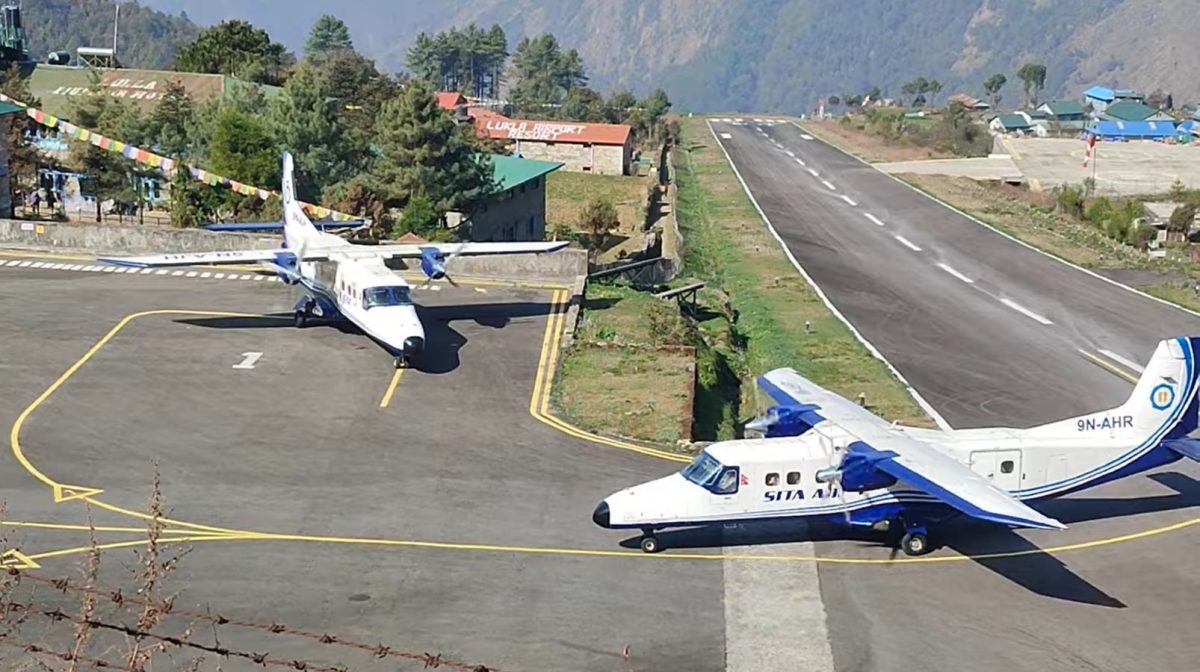
Altitude: Lukla 2,860 m | Phakding 2,610 m
Distance: 7–8 km | Walking Time: 3–4 hours
Your Everest adventure begins with an exciting morning flight from Kathmandu to Lukla. After landing at the small mountain airstrip, you will meet your trekking crew and begin your walk through the beautiful Khumbu region. The trail passes through traditional Sherpa settlements, green hills and small rivers before following the Dudh Koshi River toward Phakding. This is a relatively short and easy first day, giving you time to enjoy the scenery and gradually become familiar with the mountain environment.
Overnight: Phakding
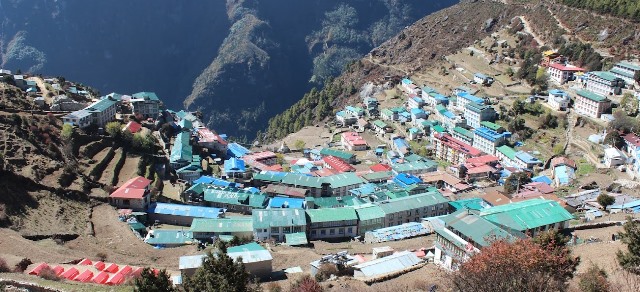
Altitude: Phakding 2,610 m | Namche Bazaar 3,440 m
Distance: 10–12 km | Walking Time: 5–7 hours
After breakfast, we continue north along the Dudh Koshi River toward Namche Bazaar. The trail crosses several suspension bridges and passes through beautiful pine forests and small Sherpa villages. At Monjo, we enter Sagarmatha National Park and continue toward Jorsale. From here, the trail becomes steeper as we make our way toward Namche. After a final uphill section, the colorful town of Namche Bazaar comes into view. Surrounded by impressive Himalayan peaks, Namche is the commercial and cultural center of the Khumbu region.
Overnight: Namche Bazaar
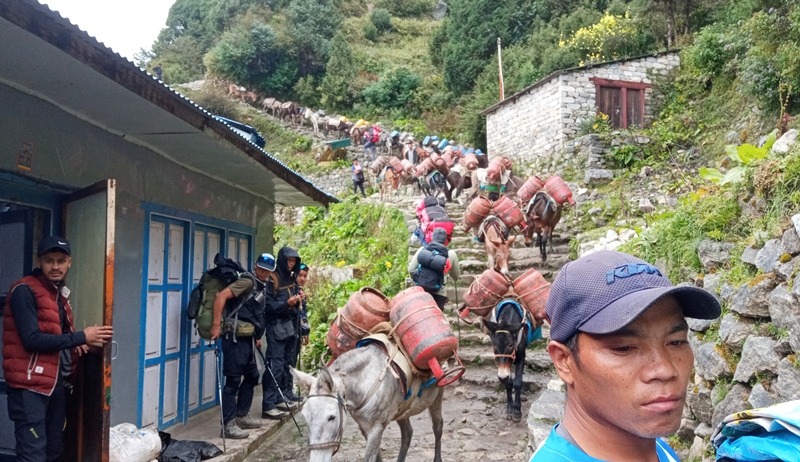
Altitude: 3,440 m
Walking Time: 3–4 hours
Today is an important acclimatization day in Namche Bazaar. Rather than remaining completely inactive, we take a short hike to a higher elevation and return to Namche to sleep. Depending on weather and the group’s condition, we can walk toward Syangboche and the famous Everest View Hotel, where magnificent views of Everest, Lhotse, Ama Dablam and other Himalayan peaks can be enjoyed. You will also have time to explore Namche’s narrow streets, local shops, bakeries and Sherpa culture. The relaxed day helps prepare your body for the higher elevations ahead.
Overnight: Namche Bazaar
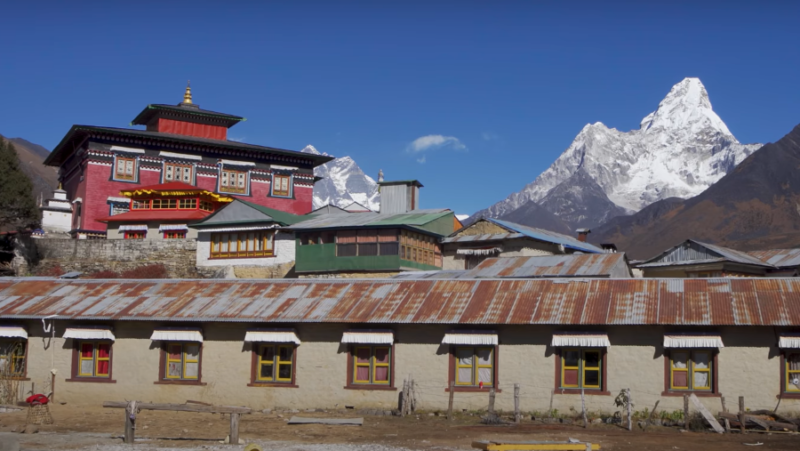
Altitude: Namche 3,440 m | Tengboche 3,860 m
Distance: 10–11 km | Walking Time: 5–6 hours
Leaving Namche behind, the trail follows a scenic mountain path with wonderful views of Everest, Lhotse, Nuptse and Ama Dablam. The route initially follows the hillside before descending gradually toward the Dudh Koshi River at Phungi Thanga. From there, we begin a steady climb through beautiful pine, fir and rhododendron forests toward Tengboche. Situated on a hilltop surrounded by spectacular mountains, Tengboche is home to the famous Tengboche Monastery. If time permits, you can visit the monastery and enjoy the peaceful atmosphere of this remarkable Himalayan settlement.
Overnight: Tengboche
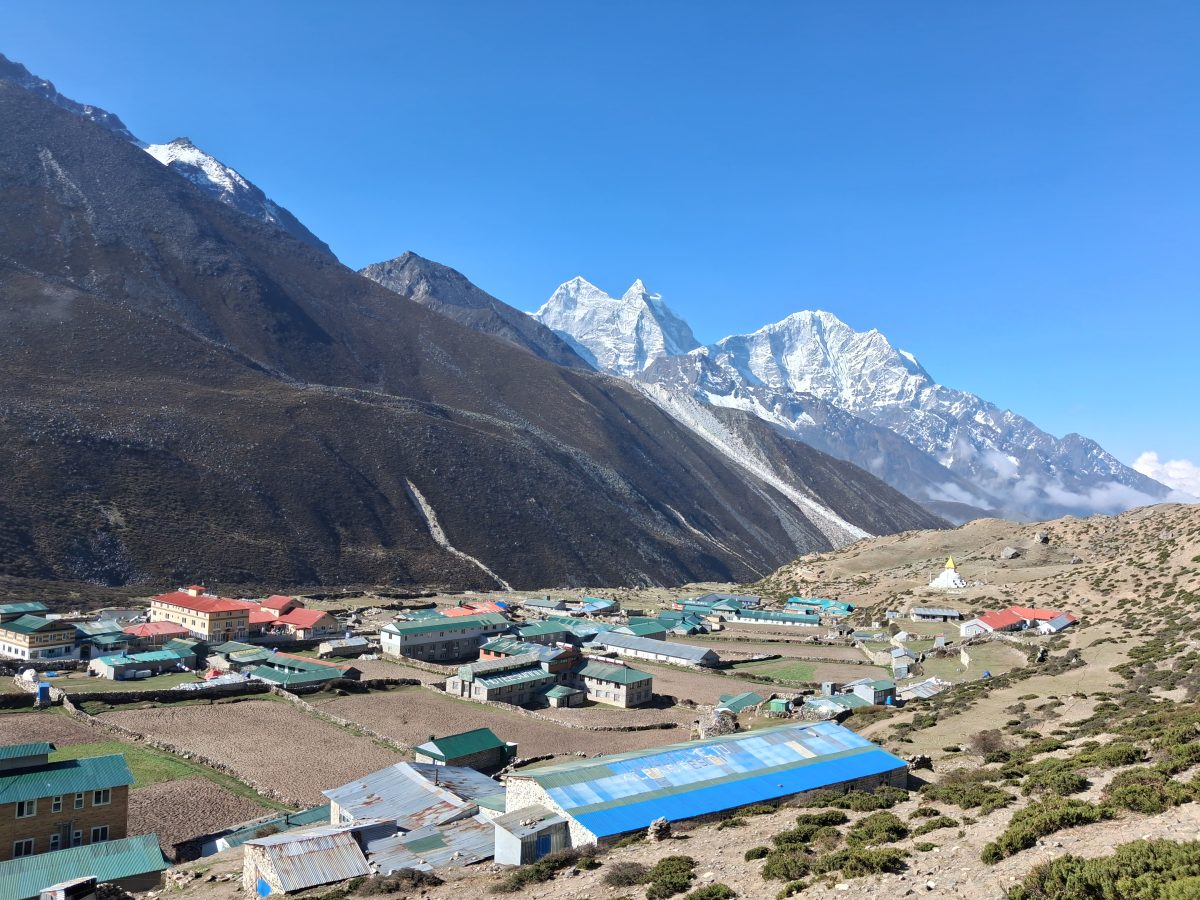
Altitude: Tengboche 3,860 m | Dingboche 4,410 m
Distance: 11–12 km | Walking Time: 5–6 hours
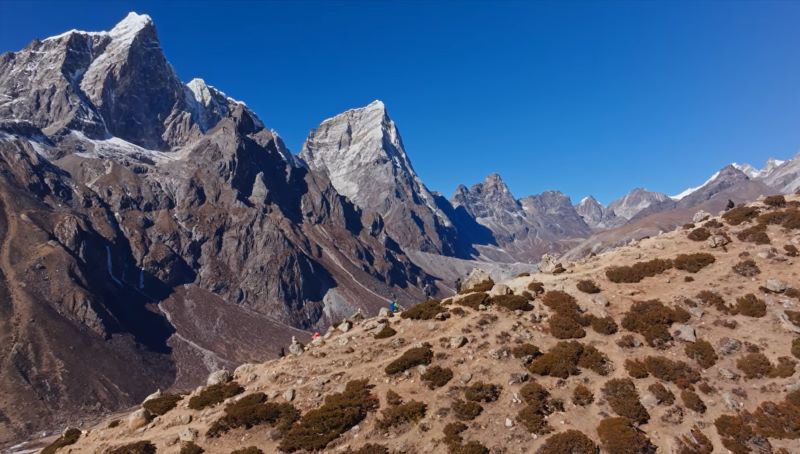
After breakfast, we descend through the forest toward Deboche before continuing along the Imja Khola valley. The trail passes through Pangboche, one of the oldest permanent settlements in the Khumbu region, with magnificent views of Ama Dablam throughout the journey. As we continue higher, the landscape becomes drier and more open, and the surrounding vegetation gradually becomes thinner. After passing through Somare, we follow the valley toward Dingboche. At approximately 4,410 meters, Dingboche is an important high-altitude settlement and a popular stopping point for trekkers heading toward Everest Base Camp.
Overnight: Dingboche
Altitude: 4,410 m
Walking Time: 3–4 hours
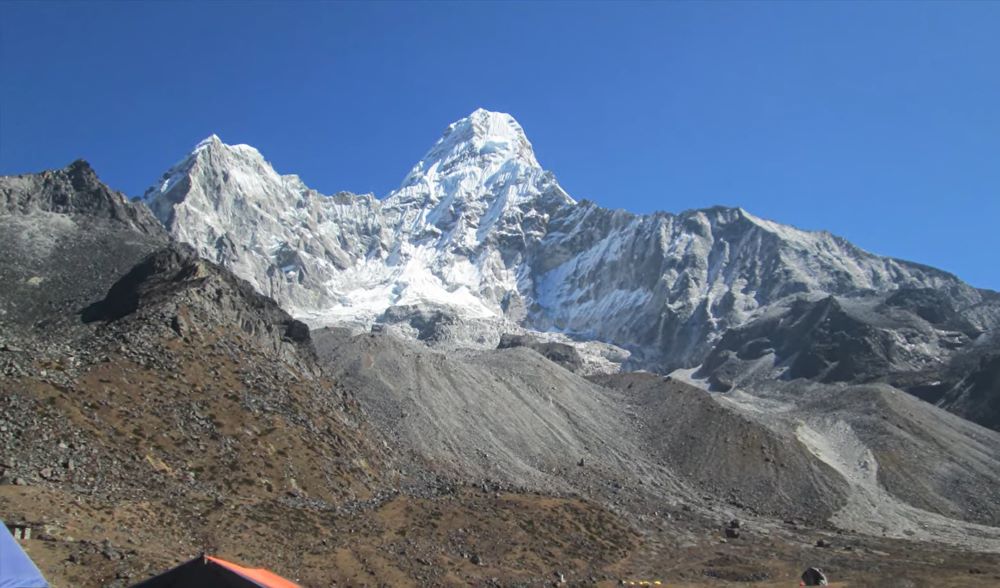
Today we take another important acclimatization break in Dingboche. The purpose of this day is to allow your body to adjust to the increasing altitude before continuing toward Lobuche and Everest Base Camp. After breakfast, you can take a gradual hike toward Nangkartshang Hill or explore the surrounding valley, depending on weather and your physical condition. From the higher viewpoints, there are excellent views of Ama Dablam, Island Peak and the surrounding Himalayan landscape. After the hike, return to Dingboche for a relaxed afternoon and prepare for the higher section of the trek.
Overnight: Dingboche
Altitude: Dingboche 4,410 m | Lobuche 4,940 m
Distance: 8–9 km | Walking Time: 5–6 hours
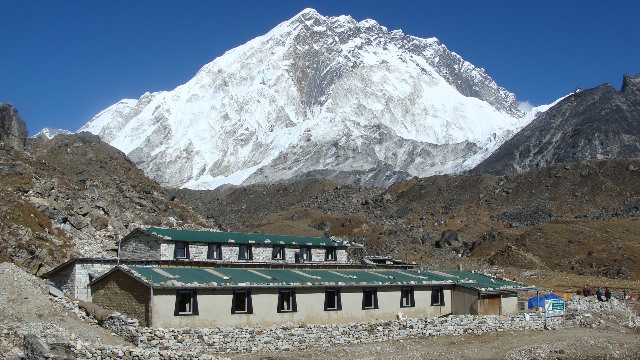
We leave Dingboche and gradually ascend through the wide and beautiful Khumbu Valley. The trail passes through the small settlement of Thukla, where we begin a more noticeable climb toward the Thukla Pass area. Along the way, you will see memorials dedicated to climbers and mountaineers who lost their lives in the Everest region. After taking some time to reflect and enjoy the surrounding scenery, we continue across the rugged high-altitude landscape toward Lobuche. With the mountains appearing increasingly close, the sense of reaching Everest Base Camp becomes stronger as we approach the final section of the trek.
Overnight: Lobuche
Altitude: Lobuche 4,940 m | Gorak Shep 5,164 m | Everest Base Camp 5,364 m
Distance: 12–15 km | Walking Time: 7–9 hours
Today is one of the most memorable days of the entire trek. We leave Lobuche early and follow the rugged trail toward Gorak Shep, the last settlement before Everest Base Camp. After a short break and lunch, we continue toward Base Camp along the rocky moraine of the Khumbu Glacier. The surrounding scenery is spectacular, with towering peaks and glacial landscapes all around. Upon reaching Everest Base Camp, take time to enjoy the achievement and capture photographs. We then return to Gorak Shep for our overnight stay.
Overnight: Gorak Shep
Altitude: Kala Patthar 5,545 m | Pheriche 4,240 m
Distance: 13–14 km | Walking Time: 7–8 hours
An early morning start takes us toward Kala Patthar, the highest point of our trek at approximately 5,545 meters. The climb is challenging but rewarding, particularly when the first sunlight reaches the surrounding Himalayan peaks. From the viewpoint, you can enjoy spectacular views of Mount Everest, Nuptse, Pumori and the surrounding mountains. After spending time at Kala Patthar, we descend to Gorak Shep for breakfast before continuing downhill toward Pheriche. As we lose altitude, the air becomes noticeably easier to breathe, and the trail gradually returns to a greener landscape.
Overnight: Pheriche
Altitude: Pheriche 4,240 m | Namche 3,440 m
Distance: 14–16 km | Walking Time: 6–8 hours
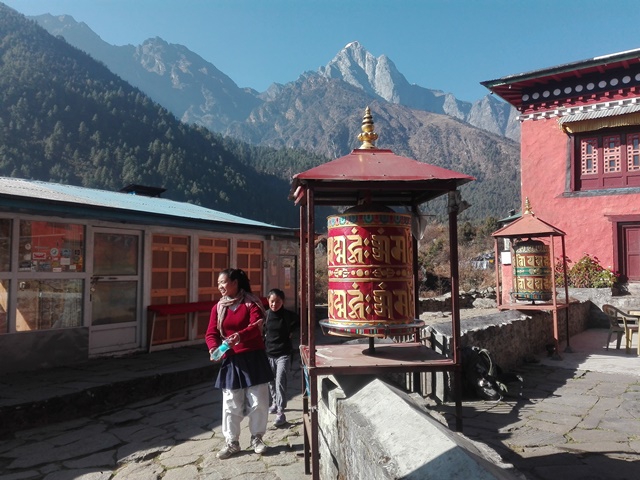
After breakfast, we begin our return journey through the Khumbu Valley. The trail descends toward Pangboche and continues through familiar mountain landscapes toward Tengboche. Depending on the weather, you may have another opportunity to appreciate the beautiful views of Ama Dablam and the surrounding peaks. From Tengboche, the route descends toward the Dudh Koshi River before climbing gradually toward Namche Bazaar. As we reach lower elevations, the vegetation becomes greener and the air feels warmer. After several days at high altitude, reaching Namche feels like a welcome return to a lively mountain town.
Overnight: Namche Bazaar
Altitude: Namche 3,440 m | Lukla 2,860 m
Distance: 18–20 km | Walking Time: 7–9 hours
Today is the final trekking day of your Everest Base Camp adventure. We leave Namche after breakfast and follow the familiar trail toward Jorsale and Monjo. Continuing alongside the Dudh Koshi River, we pass through Phakding and several traditional villages along the way. Although the trail is mostly downhill, there are still several short uphill sections, so we maintain a comfortable pace. By afternoon, we arrive in Lukla, where we can relax and celebrate the successful completion of the trek with the trekking team.
Overnight: Lukla
Altitude: Kathmandu 1,300 m
Flight Time: Approximately 30–40 minutes
After breakfast, we make our way to Lukla Airport for the scenic flight back to Kathmandu. Weather conditions in the mountains can sometimes affect flight schedules, so the exact departure time may vary. During the flight, enjoy one final opportunity to look back at the Himalayan landscapes you have just trekked through. After arriving in Kathmandu, our representative will transfer you to your hotel. The rest of the day is free for relaxation, shopping or exploring the city at your own pace.
Overnight: Kathmandu
Altitude: 1,300 m
Today is a relaxed day in Kathmandu after your long Himalayan journey. You can spend the day resting at the hotel or explore some of the city’s cultural and historical attractions. Depending on your interests and available time, you may visit places such as Boudhanath Stupa, Pashupatinath Temple or Kathmandu Durbar Square. You can also use the day to shop for traditional handicrafts, trekking souvenirs and local products. It is a good opportunity to enjoy the vibrant atmosphere of Kathmandu before your departure.
Overnight: Kathmandu
Altitude: Kathmandu 1,300 m
Your unforgettable Everest Base Camp adventure officially comes to an end today. Depending on your flight schedule, you will have some free time in Kathmandu before our representative transfers you to Tribhuvan International Airport for your onward journey. After trekking through the beautiful valleys and high mountains of the Everest region, you leave Nepal with wonderful memories of the Himalayas, the Sherpa people and your journey to Everest Base Camp. We hope to welcome you again for another adventure in Nepal.
End of the Trek – Have a Safe Journey!
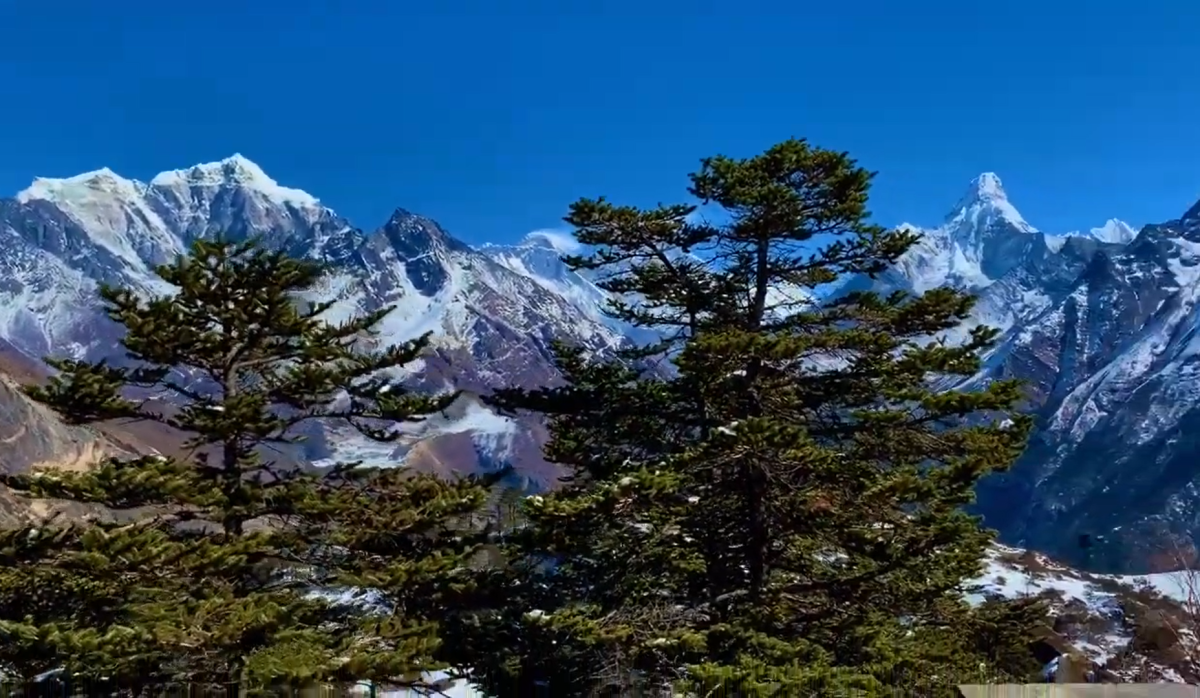
Two seasons stand above the rest:
The monsoon months of June to August bring heavy cloud and rain, while winter is very cold at altitude. Because spring and autumn fill up fast, book your Everest Base Camp trek package three to six months ahead to secure your preferred dates, flights, and lodges.
The Everest Base Camp trek is achievable for most healthy adults, but it is not a casual stroll. Expect five to seven hours of walking on most days. Start training two to three months before departure with hiking, cardio, stair climbing, and leg-strengthening exercises. Practice with a loaded daypack on uneven ground, and break in your boots well before you fly.
Altitude sickness can affect anyone, regardless of fitness. The goal is to manage it by design. Early signs include headache, nausea, dizziness, poor sleep, and loss of appetite. Reduce your risk with these habits:
If symptoms worsen, do not climb higher. Descending is the most effective treatment. Severe headache, confusion, loss of balance, breathlessness at rest, or a persistent cough are serious warning signs and need immediate descent and medical help. Speak with your doctor before departure about altitude medication, and ask your operator about their emergency evacuation plan.
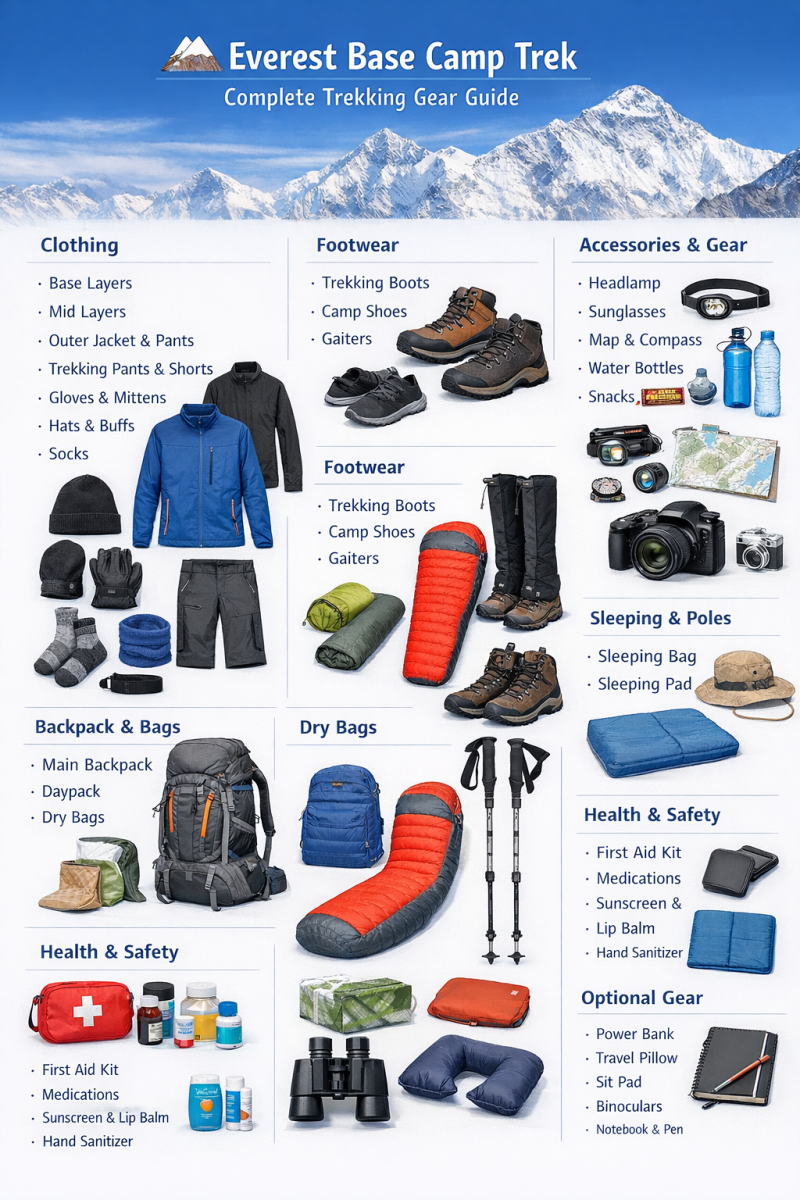
Smart packing keeps you warm, dry, and comfortable. Your operator will give you a weight limit for your porter bag, so pack light.
The classic Everest Base Camp Trek takes around 12–14 days, including acclimatization days.
It is a moderate to challenging trek. Good fitness and preparation are recommended.
Everest Base Camp is approximately 5,364 meters (17,598 ft) above sea level.
Kala Patthar reaches approximately 5,545 meters (18,192 ft) and offers spectacular Everest views.
No. Beginners can complete the trek with proper preparation, a suitable itinerary, and a steady pace.
Spring and autumn are the most popular seasons, especially March–May and October–November.
The classic trek starts from Lukla, reached by a short mountain flight from Kathmandu.
Most days involve approximately 5–8 hours of walking, depending on the route and altitude.
Current Nepal trekking regulations require trekkers on the Everest Base Camp route to trek with a licensed guide and obtain the required TIMS through a trekking agency.
You will stay mainly in teahouses and mountain lodges with basic but comfortable facilities.
Teahouses serve meals such as dal bhat, noodles, pasta, rice, soup, eggs, bread, and potatoes.
Yes, Wi-Fi is available in many villages, although the connection can become weaker at higher elevations.
Yes, charging is available at many lodges, usually for an additional fee.
Essential items include trekking boots, warm clothing, a sleeping bag, waterproof layers, sunglasses, sunscreen, and personal medication.
Altitude sickness can occur when ascending too quickly. Headache, nausea, dizziness, and unusual tiredness are common warning signs.
Basic medical services are available at some locations, including Pheriche, but facilities are limited at higher elevations.
The price depends on the itinerary, accommodation, guide, porter, permits, flights, meals, and services included in the package.
Yes, but hiring a porter can make the trek more comfortable by carrying your main luggage.
The trek can be completed safely with proper acclimatization, a qualified guide, suitable preparation, and attention to altitude symptoms.
The trek combines Everest views, Sherpa culture, Buddhist monasteries, mountain villages, glaciers, and an unforgettable Himalayan adventure.
The mountains are waiting, and the best Everest Base Camp trek packages fill quickly, especially in spring and autumn. Choose your style, lock in your dates, and let an experienced team handle every detail while you focus on the view.
Get My Free Everest Base Camp Quote →
Email: safeholidayadventure@gmail.com | WhatsApp: +977 9849116284( Santosh)
The Everest Base Camp trek is moderate to hard. There is no climbing, no ropes and no technical skil
Continue Reading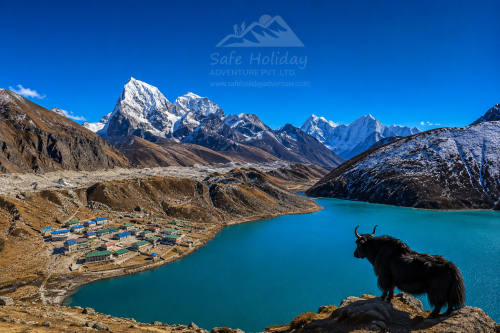
The Gokyo Lakes and Gokyo Ri Trek is one of the most rewarding ways to explore the Everest region wi
Continue Reading
Manaslu Circuit Trek weather is more complicated than simply checking the forecast before leaving Ka
Continue Reading
The Gokyo Lakes Trek is one of the most beautiful trekking journeys in Nepal’s Everest region.
Continue Reading
A clear and honest update for travelers planning Everest, Annapurna, Manaslu, Mustang and other popu
Continue Reading
Manang is one of the most important stops on the Annapurna Circuit Trek. After several days of walki
Continue Reading