
19 May 2026 10 min to read
The trek from Syabrubesi to Lama Hotel is the first major walking section of the Langtang Valley Trek in Nepal. It is the beginning of the real trekking journey into the Himalayas after the road journey ends at Syabrubesi.
This section is known for its natural beauty, dense forests, river valleys, suspension bridges, and small settlements. It is a moderate trekking day that prepares trekkers for higher altitude walking in the following days.
The total walking time is usually 6 to 7 hours, depending on pace, weather, and rest stops. The trail is not technically difficult, but it requires steady walking and good stamina because of continuous uphill sections and forest terrain.
This detailed SEO guide explains the complete route, distance, altitude, trail conditions, difficulty, food, accommodation, safety, and frequently asked questions in simple English.
The trek from Syabrubesi to Lama Hotel is the first walking section of the Langtang Valley journey. It begins after the road ends at Syabrubesi and continues deep into the mountains through river valleys and forests.
This section is part of Langtang National Park, which is one of the most visited trekking regions near Kathmandu. The trail is natural, peaceful, and surrounded by rich Himalayan biodiversity. It is the first real introduction to trekking in the Langtang region.
The route follows the Langtang River system and gradually climbs higher into the valley. Trekkers move from lowland village areas into dense forest zones, where the environment becomes cooler and more remote.
This trekking day is important because it slowly builds altitude and helps trekkers adjust to walking in mountain terrain. The path is not technical, but it includes continuous uphill sections and river crossings, which make it moderately challenging.
Walking along the Langtang river valley
The trail follows the river most of the day. The sound of flowing water stays with you throughout the journey. The valley becomes narrower as you move forward, creating a deep and scenic mountain atmosphere.
Crossing multiple suspension bridges
Trekkers cross several suspension bridges over fast-flowing rivers like Bhote Koshi River and Langtang Khola. These bridges add excitement and offer great views of the river below.
Dense forest trekking through bamboo and oak trees
After leaving the lower section, the trail enters thick forests filled with bamboo, oak, and rhododendron trees. This part is quiet, shaded, and rich in natural beauty.
Passing small settlements like Pairo and Bamboo
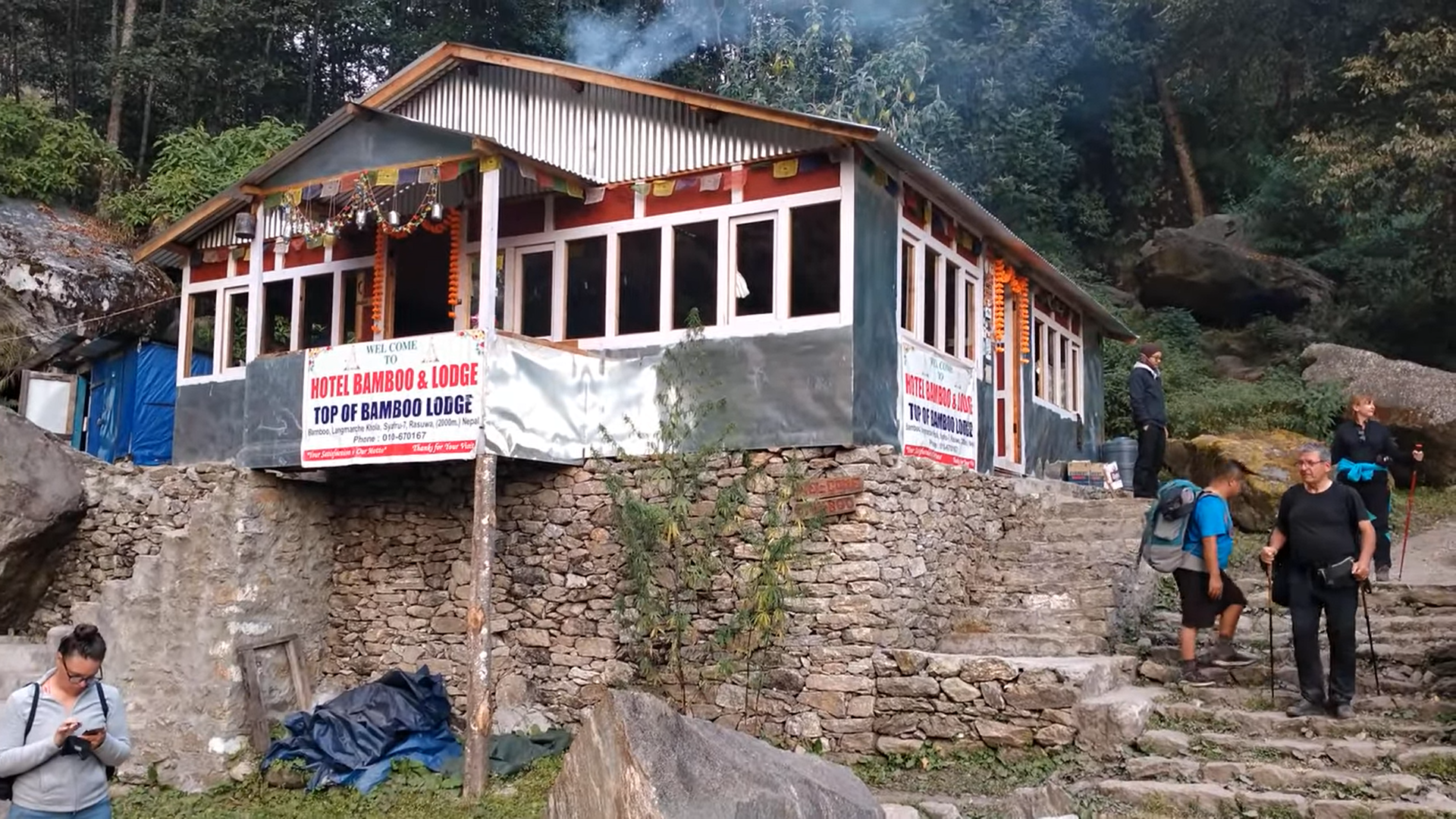
Small stops such as Pairo and Bamboo provide resting points for tea, food, and short breaks. Bamboo is the most important stop before the final climb toward Lama Hotel.
Gradual elevation gain
The trail slowly ascends throughout the day. There are no extreme climbs, but steady uphill walking makes this section physically demanding for beginners.
First experience of remote Himalayan trekking environment
This is the first time trekkers feel the real Himalayan atmosphere. There are no roads, limited settlements, and only nature, rivers, and forests surrounding the trail.
Overall, this section is the perfect introduction to the Langtang Valley Trek. It combines natural beauty, light adventure, and gradual altitude gain, preparing trekkers for higher and more scenic sections ahead.
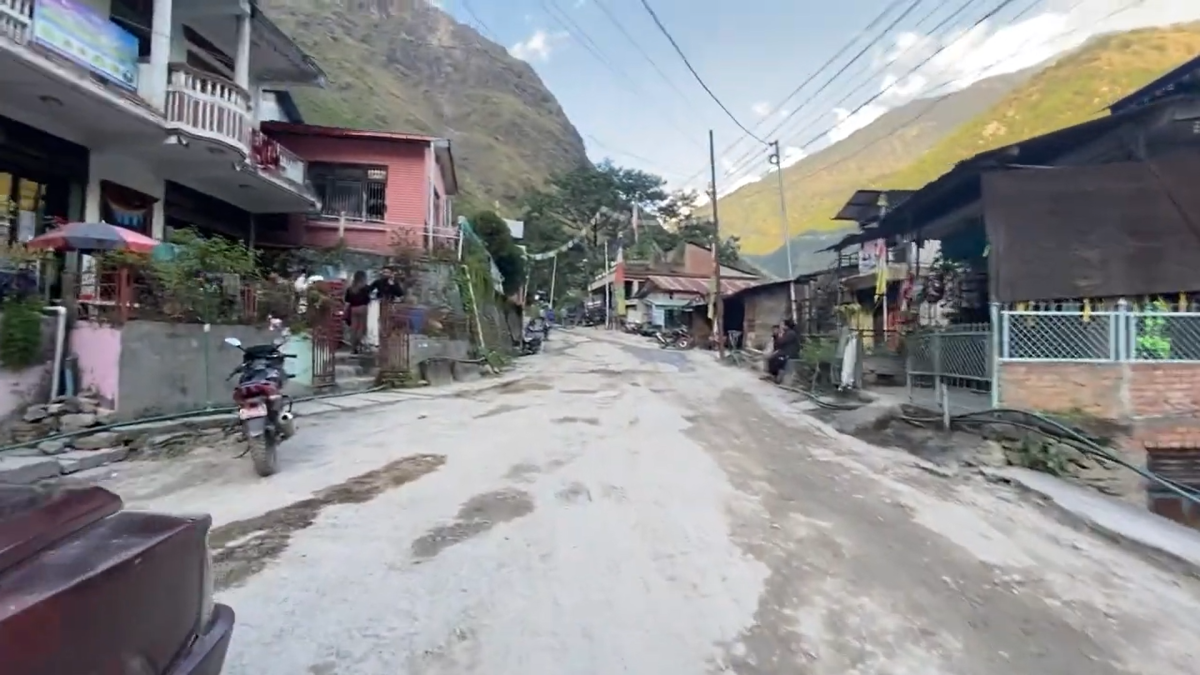
The journey begins from Syabrubesi, a small but important town in Rasuwa district. It is the last point accessible by road before entering the Langtang trekking region.
Syabrubesi is located at the entrance of the Langtang Valley and serves as the main gateway for trekkers.
Syabrubesi plays a key role in the Langtang trek because:
From here, the trail immediately enters a natural environment, following the river upstream and gradually climbing into forest-covered hills.
The trek begins with a gentle walk from Syabrubesi. The trail initially follows the riverbank and passes through small village areas and agricultural land.
After about 30 to 45 minutes, the trail enters a more natural setting.
Soon, the trail reaches an area known as Pairo.
Pairo is a small but important section on the route between Syabrubesi and Bamboo. It is known for its landslide-prone terrain.
This section requires careful walking, especially during monsoon season when the trail can become slippery.
Although short, this section is important because it introduces trekkers to natural Himalayan terrain conditions.
After crossing Pairo, the trail becomes more forested and peaceful.
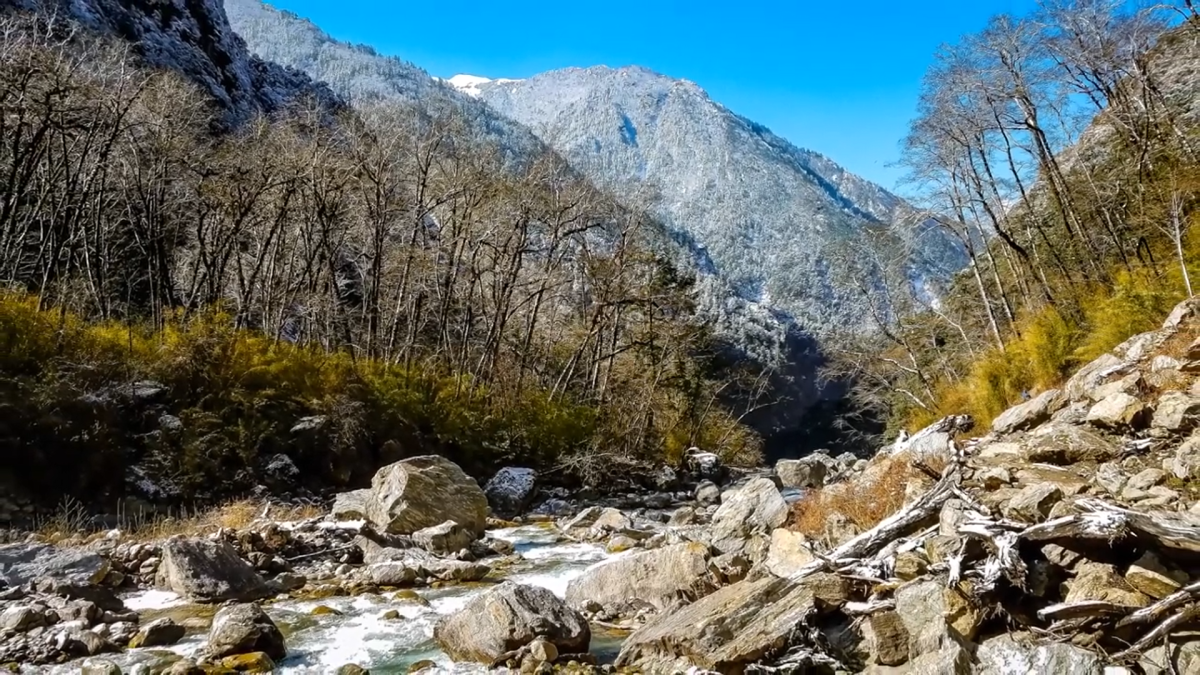
After Pairo, the trail gradually enters a dense forest zone. This is one of the most beautiful sections of the day.
The environment becomes cooler, greener, and quieter as you move deeper into the valley.
The trail also follows the river closely, offering continuous natural sound and scenery.
One of the most important stops on this trekking day is Bamboo Village.
It is located inside the forest and serves as a key lunch and rest point for trekkers.
Most trekkers spend 30 minutes to 1 hour here before continuing uphill.
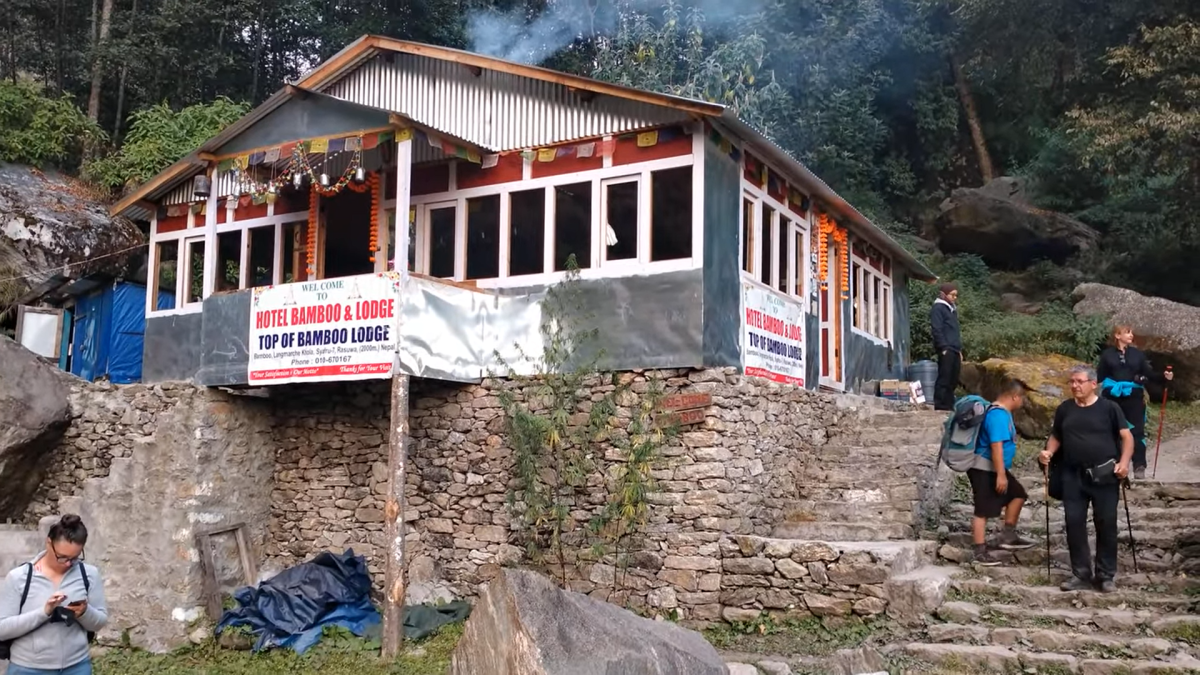
After Bamboo, the trail becomes steeper and more physically demanding. This section requires steady walking and regular breaks.
The path continues through dense forest and gradually climbs higher into the valley.
Rimche is a small resting point located along this section.
This section is often considered the most tiring part of the day due to continuous climbing.
One of the most exciting parts of the trek is crossing suspension bridges over fast-flowing rivers.
The two main rivers on this route are:
These crossings are safe but require focus and balance.
They also provide excellent photography opportunities.
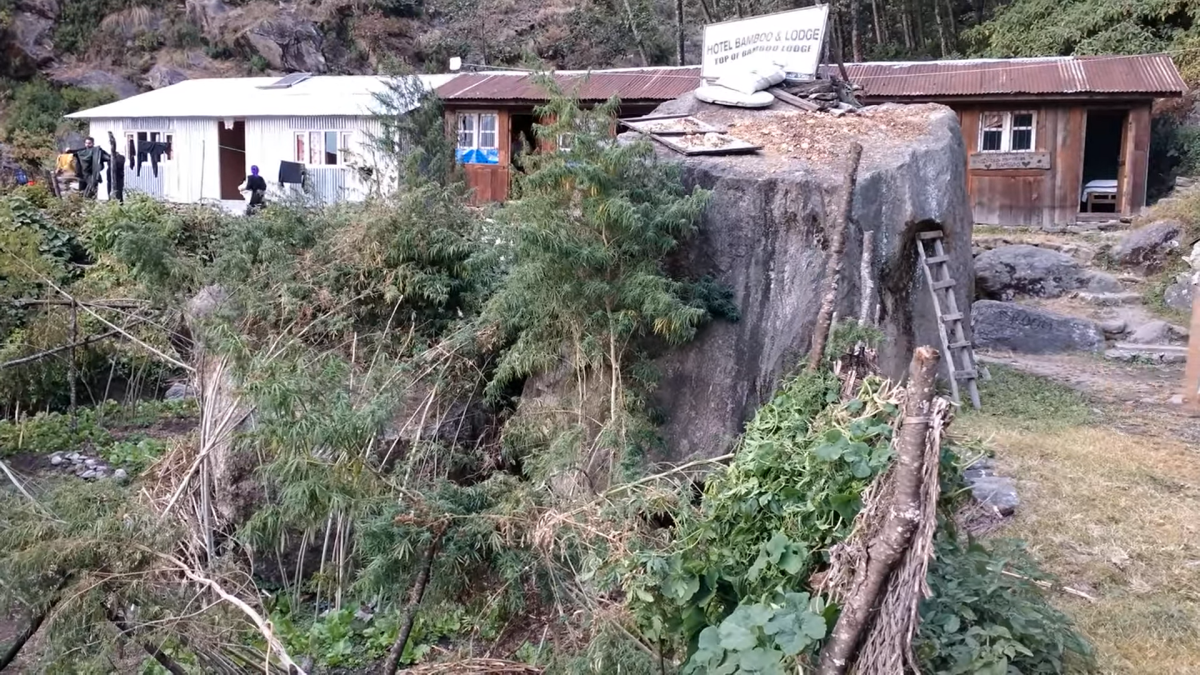
From Rimche, the trail continues for another 1 to 1.5 hours toward Lama Hotel.
This section is less steep compared to the previous climb but still requires steady walking.
As you move forward, you start feeling a cooler mountain atmosphere.
The trek ends at Lama Hotel, a small settlement inside the forest.
Despite the name, Lama Hotel is not a hotel but a group of simple teahouses offering accommodation for trekkers.
This is the first overnight stop inside the Langtang trekking region.
The trail is not technical, but it requires endurance due to:
Beginners with basic fitness can complete this trek easily with proper pacing.
The Langtang region is open year-round, but some seasons are better for trekking.

There are small teahouses along the route providing food and rest.
Food becomes slightly more expensive as altitude increases due to transportation difficulty.
To ensure a safe and comfortable journey:
The trek passes through Langtang National Park, which is rich in biodiversity.
The forest environment is one of the highlights of this trekking section.
The Syabrubesi to Lama Hotel section is not just a walking day. It is a transition from road travel to high mountain trekking.
It helps trekkers:
This section sets the foundation for the rest of the Langtang Valley journey.
It takes around 6 to 7 hours depending on walking speed and rest stops.
It is a moderate trek suitable for beginners with normal fitness.
Lama Hotel is located at approximately 2,470 meters above sea level.
Yes, there are teahouses in Pairo, Bamboo, and Rimche.
Simple trekking food like dal bhat, noodles, rice, eggs, tea, and soup is available.
Yes, it is safe. However, caution is needed in landslide areas like Pairo.
You cross Bhote Koshi and Langtang Khola rivers via suspension bridges.
Yes, beginners can easily complete this section with steady walking.
Forest scenery, river valleys, and suspension bridges are the main highlights.
It is the first overnight stop inside the Langtang trekking region.
The trek from Syabrubesi to Lama Hotel is the first real trekking experience of the Langtang Valley journey.It offers a perfect combination of river landscapes, dense forest walking, small villages, and peaceful Himalayan environment.Although it requires 6 to 7 hours of walking, it is one of the most enjoyable and memorable sections of the entire trek.
This day marks the beginning of a true Himalayan adventure inside Langtang National Park, preparing trekkers for higher and more scenic destinations ahead.
Nepal is one of those rare destinations that stays in your heart long after your trip ends. From the
Continue Reading
Running a marathon is a challenge almost anywhere on Earth. But running one at the foot of Mount Eve
Continue Reading
Female solo trekking in Langtang Valley has become an increasingly popular choice for women seeking
Continue Reading
The Poon Hill trek is often described as one of the easiest and most rewarding short treks in Nepal.
Continue Reading
If you’re planning the Gokyo Trek in 2026, one of the most important steps before you even set foo
Continue Reading
Trekking in Nepal’s Everest region is a dream for many travelers, and two of the most popular rout
Continue Reading