

8 Mar 2026 13 min to read
In early 2026, the world’s attention has been gripped by the escalating conflict in the Middle East. Headlines about tensions between the United States, Israel, and Iran dominate the news, and for many travellers, this raises a natural question: is it still safe to travel abroad? For those planning a visit to the Himalayas, to the serene landscapes of Nepal, or to the vibrant streets of Kathmandu, understanding the real risks is essential.
Nepal itself is far removed from the theaters of war. The country is peaceful, welcoming, and remarkably stable, even amid global uncertainty. Trekking routes like the Annapurna Circuit or the Everest Base Camp trail remain as breathtaking and secure as ever, and cities like Pokhara and Bhaktapur continue to offer safe, lively experiences for tourists. The nation has no internal conflicts that would threaten visitors, and local authorities prioritize the safety of tourists.
Yet, the ripple effects of the Middle East conflict cannot be ignored. Many international flights to Nepal pass through hubs such as Dubai, Doha, and Abu Dhabi—regions currently experiencing disruptions, rerouted flights, and heightened security measures. Travelers may face delays or cancellations that complicate even the simplest itinerary. In other words, while Nepal is safe on the ground, getting there may require careful planning and flexibility.
The Nepali government and embassies around the world are actively monitoring the situation. Advisories emphasize caution for citizens traveling through or residing in affected regions, while encouraging anyone heading to Nepal to stay informed about flight updates and transit options. Travelers who plan ahead, maintain situational awareness, and avoid high-risk regions on their way to Nepal can enjoy a safe and unforgettable journey.
In short, Nepal remains a sanctuary for those seeking adventure, culture, and natural beauty—even as the world navigates uncertain geopolitical waters. With thoughtful planning, travelers can continue to explore its mountains and valleys without worry, experiencing one of the world’s most unique destinations in complete safety.
In late February 2026, a major escalation occurred when the United States and Israel launched coordinated military strikes against targets inside Iran. The strikes triggered retaliatory missile and drone attacks by Iranian forces across parts of the Middle East.
The situation quickly spread across the region, affecting several countries including Qatar, Kuwait, Bahrain, and Jordan. In response to the rising tensions and missile activity, many governments temporarily closed or restricted their airspace.
These closures had an immediate impact on global aviation.
Airlines that normally fly through the Middle East — one of the busiest aviation corridors in the world — had to cancel or reroute thousands of flights. In fact, airspace closures across Gulf countries forced airlines to redirect aircraft and suspend certain routes for safety reasons.
Some of the world’s busiest transit hubs, including Dubai and Doha, saw operations severely disrupted during the early days of the conflict.
As a result, travelers around the world experienced delays, cancellations, and route changes.
However, these disruptions mainly affect flight routes, not travel safety in distant destinations like Nepal.
The sudden escalation of conflict in the Middle East in early 2026 has sent ripples far beyond the region itself. For millions of travelers worldwide, the headlines may feel distant—but the impact is very real. Airlines, airports, and flight schedules are all under pressure as the conflict between the United States, Israel, and Iran disrupts one of the world’s busiest air corridors.
Airspace over parts of the Middle East, once a crucial link between Europe, Asia, and Africa, is now unpredictable. Flights that once crossed the Persian Gulf directly are being rerouted hundreds of miles to avoid potential danger. For passengers, this often means longer journeys, delayed connections, and higher ticket prices. For airlines, it translates into soaring fuel costs and logistical headaches as they scramble to maintain schedules without compromising safety.
Major airline hubs such as Dubai, Abu Dhabi, and Doha, which typically serve as gateways to South Asia, are feeling the brunt of these disruptions. Flights to destinations like Kathmandu, Delhi, and other regional capitals have faced cancellations or sudden route changes. Travelers connecting through these hubs may need to consider alternative routes through Europe or Southeast Asia, adding complexity and time to what would normally be straightforward trips.
Cargo traffic is also affected. The Middle East serves as a vital link in global freight networks, and the rerouting of flights has slowed shipments of goods ranging from electronics to medical supplies. Businesses dependent on timely deliveries are now exploring alternative logistics options, highlighting just how interlinked global aviation is—and how quickly a conflict can ripple across continents.
For travelers, the key takeaway is that Nepal itself remains completely safe, but reaching it may require extra planning. Flights through the Gulf region could be delayed or canceled, and airlines may adjust routes without much notice. Keeping an eye on airline updates, allowing extra time between connections, and considering travel insurance are now essential steps for anyone planning a trip to Nepal in 2026.
In short, the war is a stark reminder of how global events—even thousands of miles away—can affect the logistics of international travel. For those heading to Nepal, the mountains and cities remain peaceful, but the journey to get there has become a test of patience, flexibility, and careful planning.
Nepal is very far from the Middle East, and the country itself is completely safe for tourists. Cities like Kathmandu, Pokhara, and trekking areas remain peaceful, and there is no threat from the war.
However, the conflict between the United States, Israel, and Iran affects flights because many international planes pass through Middle Eastern airports. Flights may be canceled, delayed, or rerouted, which can make traveling to Nepal more difficult.
Travelers should check their flight schedules carefully, allow extra time for connections, and consider travel insurance. While Nepal is safe to visit, planning ahead is important because the war indirectly affects travel routes and airline operations.
Yes — Nepal remains one of the safest travel destinations in Asia.
The country is peaceful and politically stable, and the conflict in the Middle East has no direct impact on safety within Nepal.
Visitors arriving in Nepal will find that:
Travel within Nepal remains safe and unaffected by the conflict itself.
Travelers exploring the country will experience the same warm hospitality and welcoming culture that Nepal is known for around the world.
Although some routes through the Middle East may change occasionally, travelers still have several reliable options to reach Nepal.Kathmandu remains connected to the global aviation network through different transit hubs.Travelers can reach Nepal through routes such as:
For travelers who prefer to avoid conflict-affected areas, Southeast Asian hubs like Singapore and Kuala Lumpur provide smooth connections to Kathmandu.
At the same time, flights through Dubai continue operating with adjusted routes as airlines gradually restore services.
The key advice for travelers is simple:
For travelers planning a Himalayan adventure, the spring months of March, April, and May are the best time to visit Nepal.
During this period:
Spring is also the busiest trekking season in Nepal because conditions are ideal for exploring the Himalayas.
Despite the global headlines elsewhere, thousands of trekkers continue to visit Nepal during the spring season every year.
Nepal is famous for its trekking routes, and all major regions are operating normally in 2026.
Permits are being issued, tea houses are open, and trekking guides and porters are working throughout the country.
Some of the most popular trekking destinations include:
These trekking routes attract adventurers from around the world.
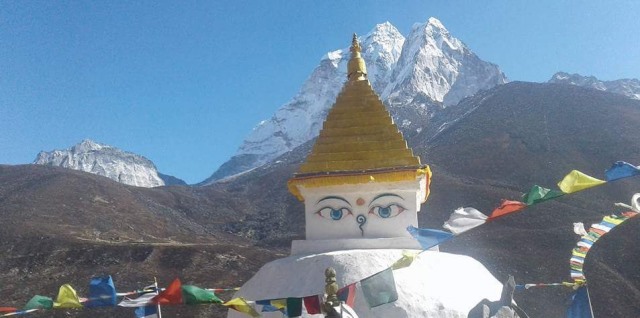
The Everest Region remains one of the most sought-after trekking destinations in the world. In 2026, it continues to offer breathtaking landscapes, rich culture, and challenging trails, but a few things have changed over recent years that every trekker should know.
Most trekkers begin their journey with a flight from Kathmandu to Lukla. The airport, famous for its short runway and stunning mountain views, still provides the most convenient entry to the Khumbu region. Trails from Lukla to Namche Bazaar are well-maintained, though some sections can still be steep or slippery depending on the season. Trekking in spring and autumn remains ideal due to clear skies and moderate temperatures, while winter brings colder weather and monsoon season can make trails muddy and more difficult to navigate.
Everest Base Camp (EBC) Trek remains the classic route. The trek passes through Sherpa villages like Namche Bazaar, offers views of iconic monasteries such as Tengboche, and ends at the base of the world’s highest peak. Most trekkers also climb Kala Patthar for sunrise views of Everest, a highlight that continues to leave a lasting impression.
For those looking for less crowded trails, the Gokyo Lakes Trek offers serene landscapes and spectacular viewpoints of Everest and surrounding peaks. The trek includes a climb to Gokyo Ri, which provides panoramic views that rival those of the EBC route.
Adventurous trekkers often attempt the Three High Passes Trek, combining the EBC and Gokyo routes. This trek is physically demanding but rewards hikers with stunning scenery and a sense of accomplishment.
Trekking in the Everest Region requires a Sagarmatha National Park Entry Permit and a Khumbu Pasang Lhamu Rural Municipality Permit. These permits help support conservation efforts and local communities. While trekking independently is possible, hiring a local guide is recommended for safety and cultural insight.
Altitude sickness remains a concern, so proper acclimatization is essential. Weather in the mountains can be unpredictable, and snow or storms can affect higher sections even outside winter. While trail infrastructure has improved, some areas remain rugged and remote. Proper preparation, including layered clothing, adequate food, and a flexible schedule, is key for a safe trek.
Beyond the mountains, the Everest Region is home to Sherpa communities whose culture and daily life are a central part of the trekking experience. Monasteries, festivals, and local hospitality provide insight into a lifestyle shaped by the high Himalayas. Environmental awareness has also grown, with efforts to reduce waste and promote sustainable trekking practices becoming increasingly common.
Trekking in the Everest Region in 2026 is still about experiencing raw nature, challenging trails, and vibrant culture. While the region has adapted to modern trekkers with better infrastructure and environmental practices, it remains a place where preparation, respect for local communities, and patience for the mountain pace make the experience truly memorable.

The Annapurna region is a stunning part of the Himalayas in Nepal. It is most famous for Annapurna I, one of the highest mountains in the world, but the area is full of other tall peaks, deep valleys, and dense forests. The region draws travelers from all over because of its natural beauty and the chance to experience the mountains up close.
Trekking is the main activity in Annapurna. The Annapurna Circuit is especially popular, offering hikers a long trail that passes through forests, rivers, and terraced fields. Along the way, trekkers visit small villages where they can see local life, taste traditional food, and meet friendly people who have lived in the mountains for generations.
The scenery in the Annapurna region changes constantly. Trekkers can move from green valleys and waterfalls to snow-covered peaks in just a few days. This mix of nature and adventure makes the region a peaceful yet exciting place to explore.
Beyond trekking, Annapurna is perfect for anyone who loves nature. Photographers, wildlife enthusiasts, and travelers seeking quiet mountain landscapes will all find something to enjoy. The region offers a rare chance to connect with both nature and local culture, making it a truly special destination.
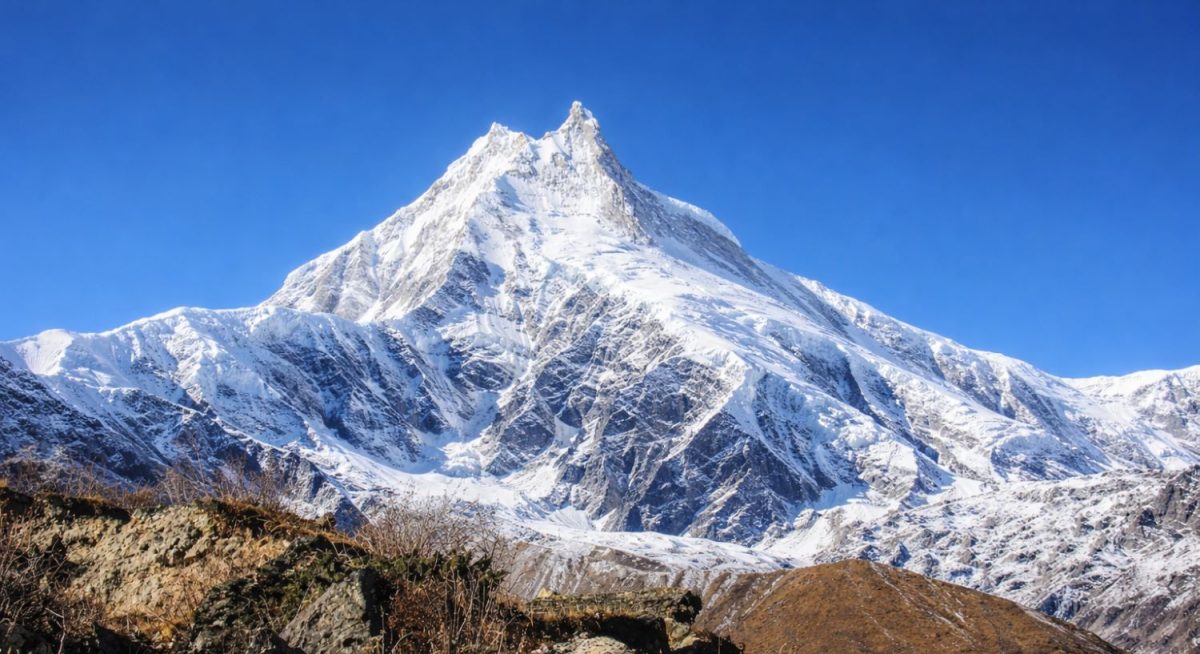
Nepal offers some of the world’s most stunning trekking experiences, and two of its hidden gems are the Manaslu Circuit Trek and the Langtang Valley Trek.
The Manaslu Circuit is a remote adventure around Mount Manaslu, the world’s eighth-highest peak at 8,163 meters. The trek takes 12–14 days, crossing forests, traditional villages, and alpine valleys. Its highlight is Larkya La Pass (5,100 m), offering panoramic Himalayan views. Trekkers enjoy authentic Tibetan-influenced culture in villages like Samagaon and Samdo, making the journey both scenic and culturally rich.
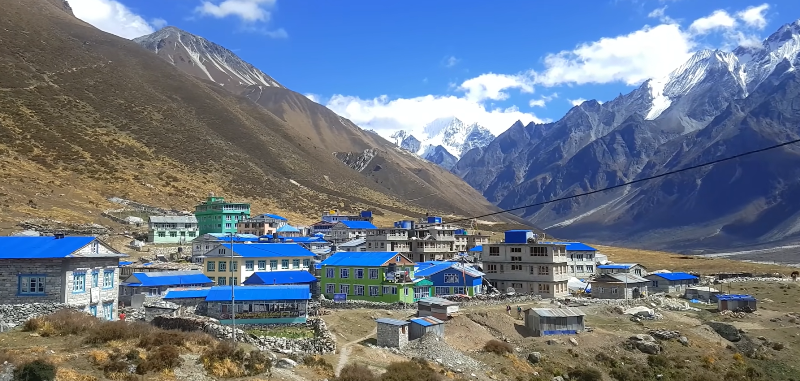
The Langtang Valley Trek is shorter and closer to Kathmandu, perfect for a 7–10 day adventure. The trail follows the Langtang River through lush forests and traditional Tamang villages. The main highlight is Kyanjin Gompa, with optional hikes to Tserko Ri (4,984 m) for incredible mountain vistas.
Both treks are best during spring (March–May) or autumn (September–November) when skies are clear and weather stable.
Nepal continues to attract travelers because it offers something truly unique.
Visitors can experience:
From sunrise over the Himalayas to peaceful monasteries in mountain villages, Nepal offers unforgettable experiences.
Global conflicts can create uncertainty, especially when international news focuses on rising tensions. However, it is important to remember that many destinations around the world remain peaceful and unaffected.
Nepal is one of those places The Middle East conflict may affect some flight routes, but it does not affect safety inside Nepal.Tourism activities continue normally, trekking regions are open, and the spring season remains one of the best times to explore the Himalayas.
If you are planning a trip in March, April, or May 2026, Nepal remains a safe and inspiring destination.The mountains are waiting, the trails are open, and the people of Nepal are ready to welcome you.

Manaslu Circuit Trek weather is more complicated than simply checking the forecast before leaving Ka
Continue Reading
The Gokyo Lakes Trek is one of the most beautiful trekking journeys in Nepal’s Everest region.
Continue Reading
A clear and honest update for travelers planning Everest, Annapurna, Manaslu, Mustang and other popu
Continue Reading
Manang is one of the most important stops on the Annapurna Circuit Trek. After several days of walki
Continue Reading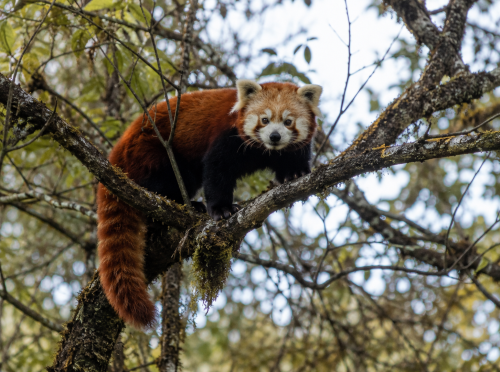
If you are wondering where to see red pandas in Nepal, the Langtang region is one of the most releva
Continue Reading
The Everest Base Camp Trek is one of the world’s most famous Himalayan adventures, but many fi
Continue Reading