The drive from Lakeside to Khahare,” Pokhara, Nepal, covers approximately 4–5 km via the main road. It usually takes around 10–12 minutes,s depending on traffic and road conditions. The route passes along Phewa Lake with beautiful scenery.
Sarangkot and Dhampus Hiking Highlights: Highlights
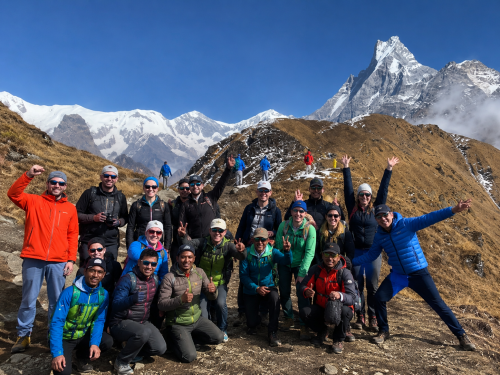
- Panoramic views of the Annapurna mountain range including Annapurna South, Hiunchuli, and Machhapuchhre (Fishtail),
- Passing through sub-tropical forest and terraced fields,
- Exploring traditional villages,
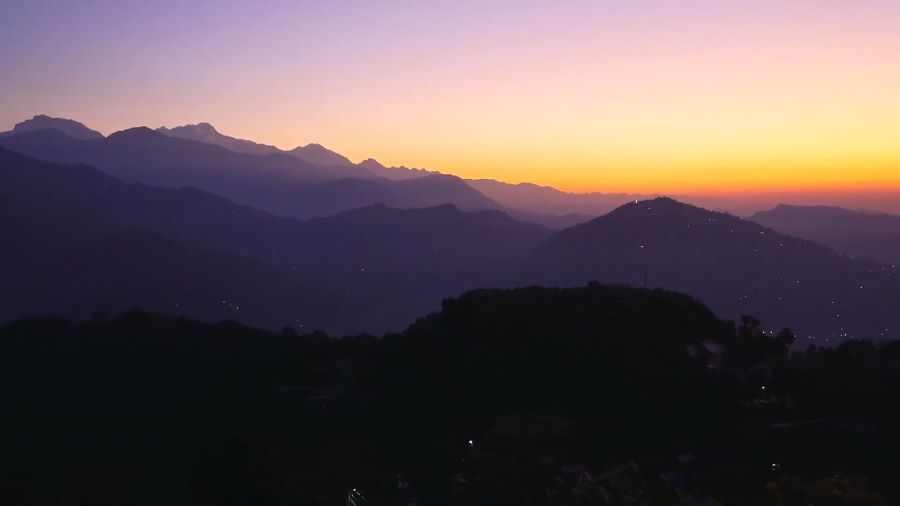
- Magical Sunrise and sunset views from Sarangkot,
- Interacting with friendly local people,
- Visit temples and monasteries,
- Enjoying the natural beauty of the region,
- Visit Sarangkot Ridge Hill and iconic view to Pokhara Valley and in the North magical Hemja Valley,
Sarangkot and Dhampus Hiking Overview: Overview
The Sarangkot and Dhampus hiking trek offers spectacular views of the Annapurna mountain range and the opportunity to explore traditional villages and experience local culture.
The Beautiful easy hiking near Pokhara is a popular route that takes you through some of the most beautiful landscapes in the Annapurna region of Nepal. The trek starts in Pokhara and takes you to the top of Sarangkot, a hill station that offers panoramic views of Dhaulagiri and the Annapurna mountain range, including Annapurna South, Hiunchuli, and Machhapuchhre (Fishtail). From Sarangkot, the trail descends to the traditional village of Dhampus, where you can experience the local culture and traditions.
The trek starts in Pokhara, and the first day of the trek is a gradual ascent to the village of Sarangkot. Along the way, you will pass through lush forests, terraced fields, and traditional villages. The trail is well-marked, and the scenery is breathtaking, with views of the Annapurna mountain range and the city of Pokhara.
Sarangkot is a small village located at an altitude of 1,592 meters, and it is known for its panoramic views of the Annapurna mountain range. From the top of Sarangkot, you can see the entire Annapurna range, including Annapurna South, Hiunchuli, and Machhapuchhre (Fishtail). The sunrise and sunset views from Sarangkot are beautiful and not to be missed.
After spending some time at Sarangkot, the trail descends to the traditional village of Dhampus, located at an altitude of 1,292 meters. Dhampus is a picturesque village that offers a glimpse into the daily life of the local people. The village is known for its traditional houses, friendly locals, and beautiful views of the Annapurna range.
The Sarangkot and Dhampus hiking continues further through the beautiful landscapes of the Annapurna region. The trail passes through forests, terraced fields, and traditional villages. Along the way, you will have the opportunity to experience the local culture and traditions, visit temples and monasteries, and interact with the friendly local people.
The trek ends back in Pokhara, where you can enjoy the city’s many restaurants and cafes, and reflect on the memories of the beautiful landscapes, villages, and people you encountered during your trek.
In summary, the Sarangkot and Dhampus hiking trails offer a perfect blend of nature and culture, providing breathtaking views of the Annapurna mountain range and an opportunity to experience the traditional way of life in the local villages. The trek is relatively easy and is a great option for those seeking a short, yet rewarding, hiking experience in the Annapurna region of Nepal.
Why Sarangkot and Dhampus Hiking Are Popular Short Hikes in Nepal:
- Close to Pokhara – Both Sarangkot and Dhampus are easily accessible from Pokhara, making them perfect for short trips.
- Stunning Himalayan views – Offers panoramic sights of the Annapurna range, Dhaulagiri, and Machhapuchhre (Fishtail Mountain).
- Perfect sunrise and sunset points – Sarangkot viewpoint is especially famous for breathtaking sunrise views over the Himalayas.
- Short and easy trekking routes – Ideal for beginners, families, and travelers with limited time in Nepal.
- Rich cultural experience – Trails pass through Gurung villages, offering authentic local lifestyle and traditions.
- Comfortable altitude – No risk of high-altitude sickness, making it a safe low-altitude hike.
- Beautiful natural landscapes – Forests, terraced fields, rivers, and green hills enhance the trekking experience.
- Flexible itinerary options – Can be done as half-day, 1-day, or 2-day hikes, depending on preference.
Is the Sarangkot and Dhampus hike is Safe?
Yes, Sarangkot and Dhampus hiking is considered one of the safest short treks near Pokhara. It’s a fantastic lower loop trek in the Annapurna region. While it’s safe to trek independently, hiring an experienced guide enhances the experience by providing local insights, cultural immersion, and real-time information. For budget-conscious travelers, self-trekking is feasible and safe. Moreover, extending your journey to Poon Hill, Mardi Himal, or Annapurna Base Camp is a rewarding option for those with more time to explore.
What is the weather and temperature like for Sarangkot and Dhampus hiking?
In Sarangkot, Nepal, expect varying weather conditions depending on the season. During the dry season (October to April), temperatures range from 10 to 20 degrees Celsius. Hiking conditions are generally favorable with clear skies, making it ideal for trekking and enjoying Himalayan views. It is recommended to dress in layers, including a light jacket, as mornings and evenings can be quite cool.
In the wet season (May to September), temperatures range from 15 to 25 degrees Celsius, with frequent rainfall and higher humidity. Trekking can be more challenging due to slippery trails, so it is important to carry a waterproof jacket, sturdy hiking shoes, and moisture-wicking clothing. Always check the weather forecast before starting your trek to ensure safety and proper preparation for conditions.
Best time to go to Sarankot and Dhampus village:
The best time to visit the Sarangkot and Dhampus villages is from September to November and from March to May. During these months, the weather is typically dry and clear, with warm days and cool nights. The skies are usually clear, providing excellent views of the Annapurna mountain range and the surrounding landscapes. The temperature ranges around 10-20C and at night it can drop to 0-10C. This is the peak tourist season, so the trail and accommodations may be more crowded.
However, it’s important to keep in mind that weather can be unpredictable and can change suddenly, so it’s always a good idea to check the forecast before embarking on the trek and be prepared for any eventuality.
Benefits of Sarangkot – Dhampus Hike with Us:
- Professional and friendly English-speaking guide
- Hassle-free permit arrangement
- Flexible meal options (Half board / Full board)
- Comfortable and best-selected teahouses
- Beautiful sunrise & mountain viewpoints guidance
- Small group – personal care and attention
- Fair and transparent pricing (no hidden cost)
- Local experienced team from Pokhara
- 24/7 support during your trip
- Safe, reliable, and stress-free trekking experience
Sarangkot and Dhampus Hiking key Highlights:Outline Itinerary
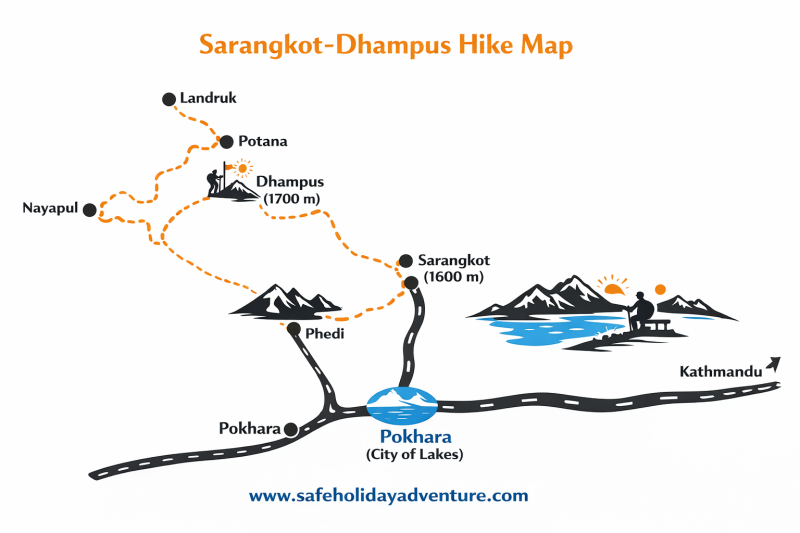
Day 1: Pokhara → Sarangkot — Ascend from ~827 m to ~1,600 m; walk approx. 5–7 km (3–4 hrs).
Day 2: Sarangkot → Dhampus — Trek along ridge from ~1,600 m to ~1,650 m; walk approx. 10–12 km (5–6 hrs).
Day 3: Dhampus → Pokhara — Descend from ~1,650 m back to ~827 m; walk approx. 12–15 km (5–6 hrs).
Whats Included?
- Pickups & Drops service,
- Meals (Breakfast, Lunch & Dinner),
- Professional Mountain Guide,
- Local Transportation,
- Accommodation as per the Itinerary,
- Taxes and local entrance fees.
- Drinking water, Coke, Fanta, and Alcoholic drink,
- Extra bills,
- Flight tickets and visa fee,
- Tip for Guide and field staff.
Dates and Availability Departures
All our published dates are guaranteed departures. We also provide customized departures tailored to your travel plans.
There are no group joining dates available at the moment. Please contact us for a private trip.
Travellers Reviews
Sarah Mitchell
USA | Feb, 2026
𝗔𝗻𝗻𝗮𝗽𝘂𝗿𝗻𝗮 𝗧𝗿𝗲𝗸𝗸𝗶𝗻𝗴 𝗺𝗲𝗲𝘁𝘀 𝗩𝗼𝗹𝘂𝗻𝘁𝗲𝗲𝗿𝗶𝗻𝗴: 𝗔 𝗝𝗼𝘂𝗿𝗻𝗲𝘆 𝘄𝗶𝘁𝗵 𝗣𝘂𝗿𝗽𝗼𝘀𝗲
My name is Sarah Mitchell, and I’m from Colorado, USA. My Annapurna trekking and volunteering experience with this team was unlike anything I’ve done before, combining breathtaking mountain trails with the chance to genuinely give back to local communities. From trekking through beautiful rhododendron forests and terraced villages to spending meaningful time volunteering in a local school, every day offered something new and rewarding. My guide, Rupesh, was knowledgeable, warm, and made sure I felt safe on the trails while also helping me connect authentically with the people and culture of the Annapurna region.
The balance between adventure and purpose is what made this trip so special. Trekking through the stunning Annapurna foothills, with views of the Himalayas at every turn, was incredible on its own, but knowing I was also contributing my time and energy to a local community made the experience so much more fulfilling. Rupesh took great care in explaining local customs and made sure the volunteering placement felt genuine and welcoming, not just a tourist add-on.
I would highly recommend this trek and volunteering program to anyone looking for more than just a typical trekking holiday. It’s a chance to explore the natural beauty of Nepal while making a real difference, and I left with memories, friendships, and a sense of purpose that will stay with me for a long time. Thank you, Rupesh and team, for such a meaningful experience!
— Sarah Mitchell, Colorado, USA

Genaral Trip InfoInfos
Driving from Pokhara Lakeside to Kahun Khahare”
How far is Saragkot from Khahare near by Lake side?
From Khahare to Sarangkot, the hike is an ascent of about 400–450 meters. It usually takes around 3 hours.
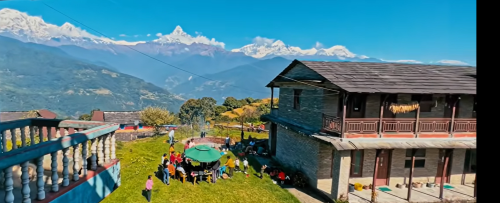
The trail goes steadily uphill, passing local houses and farm land. Along the way, you get beautiful views of Pokhara Valley, including Phewa Lake and Barahi Temple. The path is mostly stone steps and dirt trails, offering a peaceful mix of village life and natural scenery before reaching the sunrise viewpoint at Sarangkot.
Difficulty and Fitness Required for Sarangkot and Dhampus Hikes from Pokhara
Budgeting a 2N/3D Saragkot-Dhampus Hike from Pokhara
A 2-night, 3-day hike from Pokhara to Sarangkot and Dhampus can be done comfortably with an all-inclusive budget of around $250 USD. This cost covers transportation from Pokhara to the trailheads and back, meals at local tea houses, accommodation, guide fees, and necessary permits. Private or local transport usually costs about $30–40, while staying in tea houses for two nights adds around $40–60.
Food and drinks during the hike, including lunch, dinner, and tea or coffee, typically cost $50–60, and hiring a licensed local guide for the trek is around $40–50. Permits and fees add an extra $15–20. Overall, a budget of $250 USD comfortably covers all essentials and leaves a small buffer for tips or extra snacks, making the trek enjoyable and hassle-free for beginners and moderately experienced hikers.
Packing Essentials for a 3-Day Sarangkot & Dhampus Hike
Clothing
- Lightweight trekking clothes: T-shirts, quick-dry pants/shorts
- Warm layers: Fleece or light jacket for early mornings and evenings
- Rain jacket or poncho: Weather in the hills can change quickly
- Comfortable trekking socks: Extra pairs recommended
- Hat, sunglasses, and gloves: For sun and wind protection
Footwear
- Sturdy trekking shoes or boots: Witha good grip for uneven paths
- Optional sandals or flip-flops: For the tea house use after hiking
Backpack Essentials
- Daypack (20–30L): Enough for water, snacks, camera, and layers
- Water bottles or hydration system: At least 2 liters per day
- Snacks/energy bars: For quick energy on the trail
- Sunscreen and lip balm: SPF recommended
Gear & Accessories
- Trekking poles: Optional but helpful for steep or rocky sections
- Headlamp or small flashlight: Useful for early starts or tea house rooms
- Camera or smartphone: For capturing views
- Basic first aid kit: Band-aids, painkillers, antiseptic wipes
- Personal items: ID, cash (for tea houses or small purchases), and permits
Optional but Useful
- Travel towel
- Portable power bank
- Lightweight binoculars: For mountain views and birds
Tip: Pack light but smart—most tea houses provide basic bedding, and you don’t need heavy gear for this short trek. Focus on layers, comfortable shoes, water, and a small first aid kit.
Safety Tips and Hiking Precautions
- Check the weather before starting; avoid hiking in heavy rain or storms.
- Wear sturdy shoes with good grip to prevent slips on rocky or steep trails.
- Carry enough water (2–3 liters per day) and stay hydrated.
- Dress in layers; mornings and evenings can be cold, even in summer.
- Use trekking poles if you feel unstable on steep or uneven paths.
- Walk at a comfortable pace; take breaks to avoid exhaustion.
- Follow marked trails and avoid shortcuts to prevent getting lost.
- Hire a local guide if you are unfamiliar with the route or hiking in a group.
- Keep valuables safe and carry cash for tea houses or emergencies.
Sunrise and Mountain Views from Sarangkot
Drinking Water During Sarangkot Dhampus Hike
During this hike, it’s better to carry 2–3 liters of water with you. Stores are not very frequent along the trail, so carrying your own water ensures safety and comfort.
We recommend bringing mineral water rather than relying on tap or free water, as some tap water is not filtered and may not be very safe to drink. Staying hydrated is important, especially on uphill sections and in the sun.
Detailed ItineraryItinerary
Day 01
Pokhara to Sarangkot
Duration : 3 Hrs Hike Elevation : Sarangkot (1,600 m)
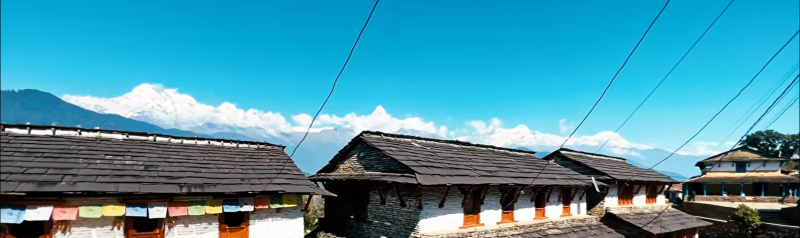
The hike from Pokhara to Sarangkot begins at Khahare, a short 10–12 minute drive from Lakeside. From there, the trail gradually ascends, passing through local houses, farmland, and scenic viewpoints. Along the way, you can enjoy views of Phewa Lake, Barahi Temple, the World Peace Pagoda, and the entire Pokhara Valley.
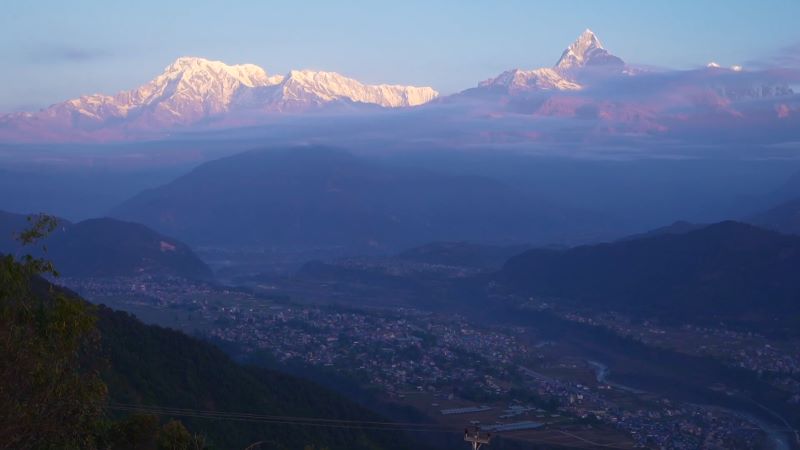
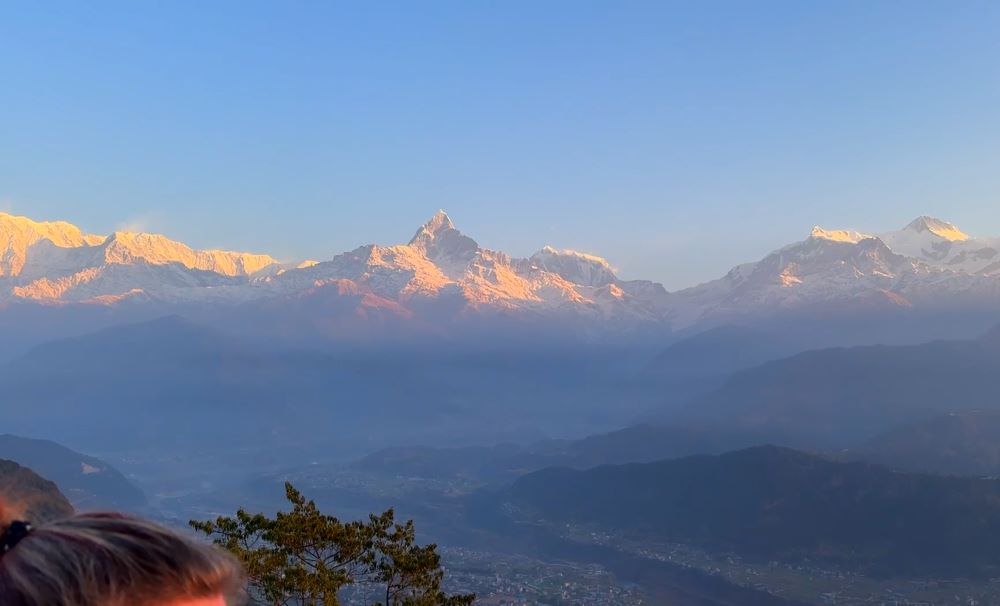
This pleasant, moderate hike takes approximately 3 hours, offering opportunities to interact with locals with a friendly “Namaste!” Upon reaching Sarangkot, you can stay overnight to wake up early for the breathtaking sunrise over the Annapurna and Dhaulagiri mountain ranges—a truly unforgettable experience.
Accommodation : Tea house Meals : Lunch & Dinner
Day 02
Sarangkot to Dhampus
Duration : 4-5 Hrs Hike Elevation : Dhampus (1,650 m)
Start your day early in Sarangkot to catch the spectacular sunrise over the Annapurna mountain range. The first light of the morning illuminates the peaks and the Pokhara Valley, offering a breathtaking view that is worth waking up early for.
After enjoying the sunrise, return to your lodge for a hearty breakfast to fuel up for the hike ahead. Once ready, begin your descent from Sarangkot toward the charming village of Dhampus.
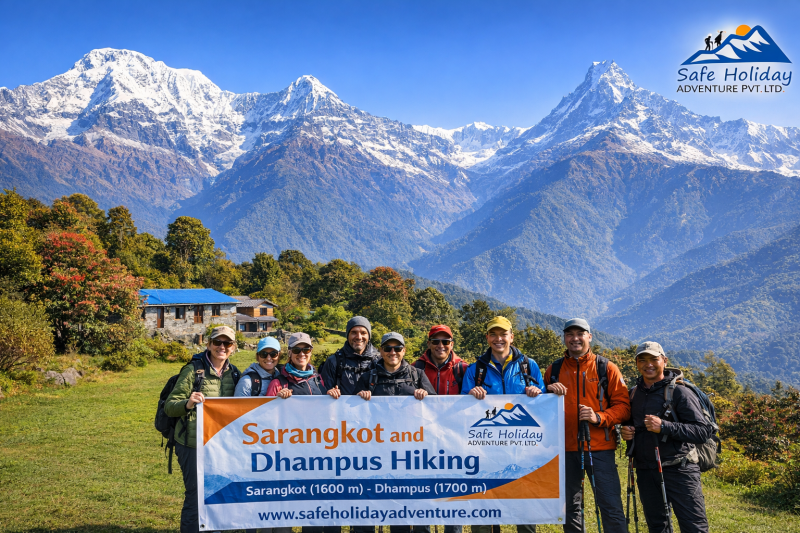
The trail winds gently through terraced fields, lush forests, and small traditional villages, giving you a close-up view of rural life in the region. The descent is relatively easy and takes approximately 2–3 hours, allowing for a leisurely pace with plenty of stops to enjoy the scenery and take photos.
Upon reaching Dhampus, check into your guesthouse or homestay. Spend some time exploring the village, walking along narrow paths, visiting local homes, and interacting with the friendly villagers. The evening in Dhampus offers a peaceful, authentic experience of Nepali village life.

Accommodation : Tea house Meals : Breakfast, Lunch & Dinner
Day 03
Dhampus to Pokhara
Duration : 2 Hrs. Hike & 25 Minute Drive Elevation : Pokhara (827m)
Wake up early in Dhampus and soak in the stunning views of the Annapurna range. After breakfast, start your descent toward Pokhara. The trail to Phedi is decent and takes about 1.5 to 2 hours. From Phedi, it’s a short 25-minute drive to the lakeside area of Pokhara.
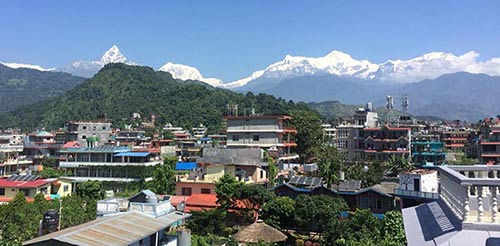
Once you arrive, you can spend the rest of the day relaxing, exploring the city, or enjoying the serene beauty of Phewa Lake, reflecting on the memories of your trek.

Accommodation : Hotel Meals : Breakfast
Note
It’s always a good idea to hire an experienced guide or join a guided trek for safety reasons, and also you can modify the itinerary according to your requirements and fitness level. Remember to be well prepared with proper gear and equipment, and to be in good physical condition. It’s also important to be well-acclimatized before attempting this trek.
Sarangkot and Dhampus Hiking FAQs
Not strictly necessary, as the trail is well-marked. However, hiring a local guide can enrich the experience with cultural insights and local knowledge.
The hike can be challenging due to the steep inclines, but the views make it worth the effort. It’s recommended to be well prepared, and acclimatized and hire an experienced guide for a safe and enjoyable experience.
- Comfortable hiking shoes
- Warm clothing (especially for early morning)
- Water and snacks
- Sun protection (hat, sunscreen, sunglasses)
- Camera for sunrise and mountain views
Yes, there are guesthouses, homestays, and small lodges offering basic meals and rooms. Dhampus homestays provide a local cultural experience.
Generally safe. Trails are frequented by tourists, and locals are friendly. Standard trekking precautions apply: stay hydrated, inform someone of your route, and check weather conditions.
Sarangkot offers a 360° panoramic view of the Annapurna and Dhaulagiri mountains, Pokhara Valley, and Phewa Lake—especially stunning during sunrise when the peaks glow in golden light.
Sarangkot sunrise hike: ~2–3 km uphill (~450 m elevation gain). Dhampus trek: ~8–10 km with moderate climbs and descents.
Temperatures can be chilly in the morning (5–15°C) and warm up by mid-morning. Weather can change quickly; always carry a light jacket or raincoat.
Sarangkot is located at an altitude of 1,592 meters and Dhampus is located at an altitude of 1,292 meters.
No, there is no special permit required for the Sarangkot and Dhampus hike. But for the Saragkot sunrise view, we have to pay small entry fees of about 100-150 Rupee nepali.
Mixed terrain: stone steps, dirt paths, occasional mud, and forested areas. The trail is well-marked but steep in sections.
Sarangkot sunrise: 1–2 hours round trip. Dhampus trek: 3–5 hours, depending on pace and breaks. However, slowly this 2-night and 3-day hike is perfect to enjoy the sunrise and sunset views. next this trip is suitable for kids, family, and aged hikers also.
Refund & Cancellation Policy
- Booking requires 20% non-refundable deposit (Nepal) or 100% upfront (Tibet/Bhutan).
- Remaining payment due before the trip or on arrival (trip-dependent).
Cancellation charges:
- 31+ days: 20%
- 16–30 days: 45%
- 8–15 days: 75%
- 7 days or less: 90%
- Prices may change due to flights, taxes, or exchange rates.
- Trip changes are allowed, but extra costs apply.
- If the company cancels, a full refund, except for unavoidable events (some costs deducted).
- Good health and travel insurance are mandatory.
- No refund if removed for unsafe or illegal behavior.
- Travel involves personal risk, which the client accepts.