



Annapurna Circuit and Base Camp Trek Key Highlights: Highlights
- Annapurna Circuit Trek – Key Highlights
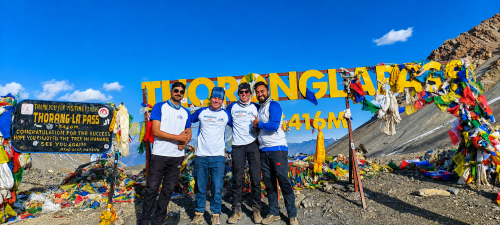
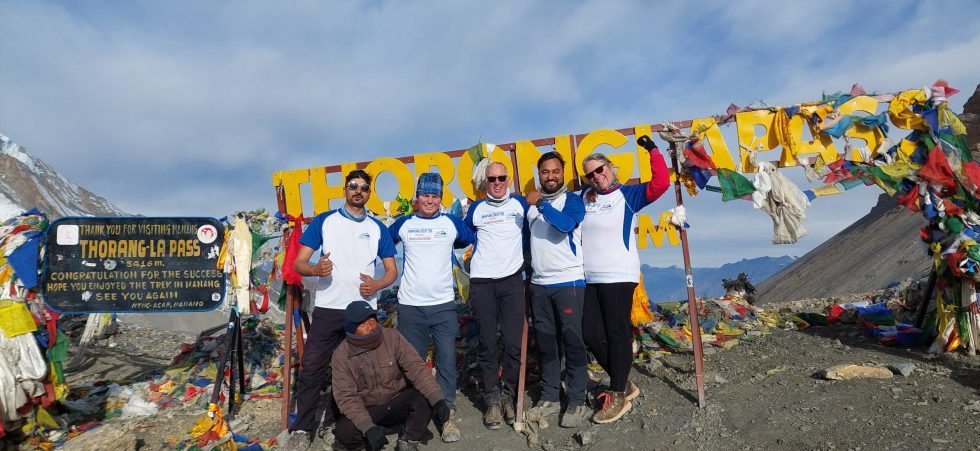
- Thorong La Pass (5,416m) – One of the highest trekking passes in the world
- Complete Annapurna Circuit – Dramatic 360° Himalayan scenery
- Kali Gandaki Gorge – World’s deepest gorge between Annapurna & Dhaulagiri
- Muktinath Temple – Sacred Hindu and Buddhist pilgrimage site
- Cultural mountain villages – Manang, Pisang, Marpha
- Natural hot springs at Tatopani
- Iconic peaks – Annapurna I, Dhaulagiri, Manaslu, Machapuchare
- Annapurna Base Camp (4,130m) – Heart of the Annapurna Sanctuary
- 360° mountain amphitheater – Close views of Annapurna I & surrounding peaks
- Machapuchare Base Camp (MBC) – Views of the sacred, unclimbed Fishtail peak
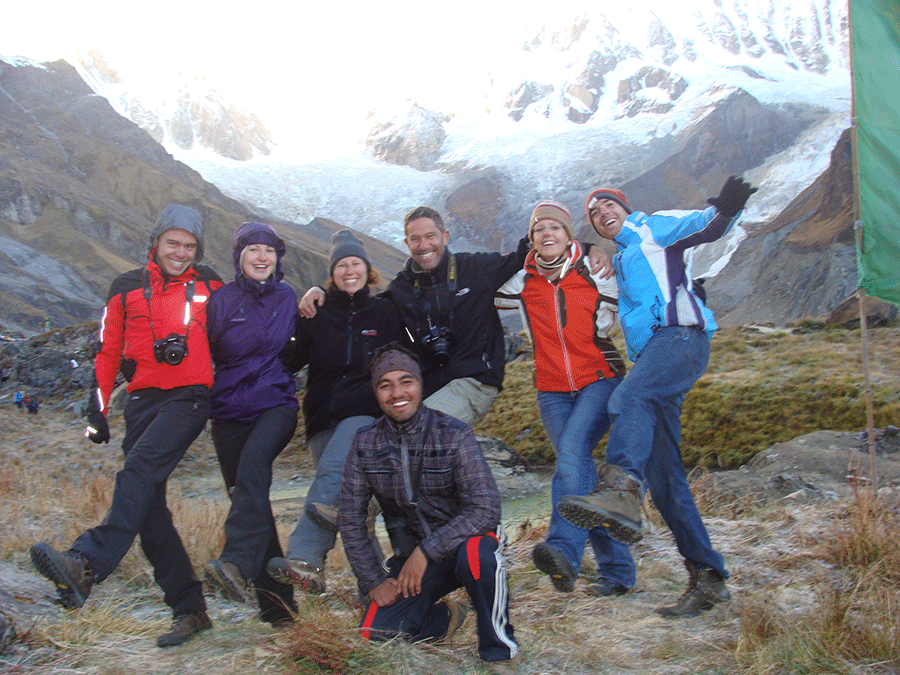
- Classic sunrise at ABC
- Traditional Gurung villages – Ghandruk, Chhomrong
- Rhododendron forests (spring season)
- Natural hot springs at Jhinu Danda
Trip Introduction, and Recognition: Overview
Nestled in the central northern region of Nepal, the legendary Annapurna Circuit trek, also known as the Annapurna Round trek, has taken on a new dimension by seamlessly merging with the Annapurna Base Camp trek. The resulting expedition, the Annapurna Circuit & Annapurna Base Camp Trek Fusion, promises an extraordinary adventure, blending the allure of two iconic routes to create an unparalleled experience for trekkers of varying expertise while adhering to the latest trekking regulations.
Embarking on the Annapurna Circuit, intrepid travelers are greeted by a breathtaking tapestry of landscapes. This captivating journey weaves through verdant valleys, enchanting villages, and high-altitude deserts. Now, with the integration of the Annapurna Base Camp trek, the adventure takes on a new hue, allowing explorers to gaze upon majestic snow-cloaked peaks as they traverse through rhododendron forests and tranquil terraced fields.
Delving deeper into the heart of the Himalayas, the harmonious fusion of these two treks introduces an enriched cultural encounter. Along the route, settlements bearing distinctive names like Manang, Pisang, Chame similarly Ghorepani Poon hill , Chhomrung etc, are inhabited by diverse ethnic communities, including Gurungs, Thakalis, and Manangis. These villages offer a glimpse into their unique traditions and warm hospitality, and engaging with the locals and savoring their traditional cuisine adds a profound layer to the expedition, facilitating a genuine connection with the region.
Traversing the rugged terrain, adventurers cross swaying suspension bridges over pristine rivers, witness vibrant prayer flags dancing in the wind, and stumble upon ancient monasteries nestled in awe-inspiring landscapes. The amalgamation of the Annapurna Circuit and Annapurna Base Camp treks merges the rugged with the tranquil, the age-old with the contemporary, resulting in an adventure that’s as diverse as it is captivating.
In conclusion, the Annapurna Circuit & Annapurna Base Camp Trek Fusion beckons trekkers to embrace a transformative odyssey that transcends preconceived boundaries. From the heights of snow-draped peaks to the rich tapestry of local cultures, this extraordinary expedition encapsulates Nepal’s natural splendor and cultural gems. Embarking on this remarkable adventure, adventurers can rest assured that the latest trekking regulations prioritize safety and sustainability, making this fusion trek the ideal choice for those seeking an unforgettable journey in the heart of the Himalayas.
Annapurna Circuit & Annapurna Base Camp Trek Fusion: Route& Highlights:
Your journey in the Annapurna region starts with a scenic 7-8 hour drive from Kathmandu to Besisahar. From there, you’ll trek through stunning landscapes that combine the beauty of the Annapurna Circuit with the breathtaking views of Annapurna Base Camp.
The trek involves moderate hiking, about six to seven hours a day. The toughest part is reaching Thorong La Pass, over 5,400m high. Despite the altitude, you’ll enjoy panoramic views of snowy peaks and peaceful valleys.
You’ll discover ancient monasteries and traditional Gurung and Thakali villages along the way. Highlights include the sacred Muktinath shrine and the serene town of Jomsom. As you descend towards Pokhara, the scenery changes from forests to subtropical landscapes, revealing the region’s rich biodiversity.
You can spend your final night in teahouses with views of Annapurna or in Pokhara, preparing for a sunrise visit to Annapurna Base Camp. Whether walking or driving, your journey ends with a stunning sunrise over the Annapurna Sanctuary.
Alternative routes like the Mardi Himal Trek and Khopra Ridge Trek offer different perspectives of the region without needing special permits, making them great options to explore.
From which village or town does the Annapurna Circuit trek usually start?
The starting point of the Annapurna Circuit Trek can vary depending on your time and budget. Common starting points include Besi Sahar, Bahun Danda, Dharapani, or Chame. You can choose the one that best suits your preferences and logistical considerations. Each of these starting points offers a slightly different experience and trekking route, so it’s a matter of personal choice.
During which months are these treks most recommended?
The best time to trek to the Annapurna Circuit and Annapurna Base Camp is spring (March to May) and autumn (September to November). These seasons are recommended because the weather is stable and there’s less chance of rain. This means you’ll have clear skies and amazing views of the mountains and landscapes around you.
In spring, the hills are covered in colorful rhododendron flowers, making the trek even more beautiful. Autumn brings clear views of the Himalayas, including peaks like Annapurna and Machhapuchhre (Fishtail), against the backdrop of blue skies. The temperatures during these months are comfortable—warm during the day and cool at night, but not too cold.
These times are popular with trekkers, so you’ll meet other people on the trails and at the tea houses where you stay. It’s a great opportunity to share experiences and enjoy the camaraderie of fellow adventurers.
How tough is the Annapurna Circuit & ABC Trek?
The Annapurna Circuit & ABC Trek is tough but rewarding. It involves long, 5-7 hour treks with steep climbs and descents. You’ll need good endurance for this trek. Altitude is a challenge too, reaching up to 5,416 meters at Thorong La Pass. It’s important to acclimatize slowly to avoid altitude sickness.
Weather can change quickly, so pack for cold temperatures and be ready for snow and rain. The terrain varies from forests and rice paddies to rocky paths and snowy passes. Wear sturdy shoes and bring proper gear.
This trek takes about 10-19 days, so plan for accommodations and meals. Despite its challenges, the Annapurna Circuit & ABC Trek offers incredible views and cultural experiences, making it a memorable journey for those ready for adventure.
Annapurna Circuit & ABC Trek Fusion Outline Itinerary:Outline Itinerary
Day 01: Drive from Kathmandu to Besisahar – 820m / 2,690ft
Day 02: Trek from Besisahar to Bahundanda – 1,310m / 4,298ft
Day 03: Trek from Bahundanda to Chamje – 1,410m / 4,626ft
Day 04: Trek from Chamje to Bagarchhap – 2,160m / 7,087ft
Day 05: Trek from Bagarchhap to Chame – 2,710m / 8,891ft
Day 06: Trek from Chame to Pisang – 3,190m / 10,466ft
Day 07: Trek from Pisang to Manang – 3,540m / 11,614ft
Day 08: Acclimatization day in Manang – Explore & adapt at 3,540m / 11,614ft
Day 09: Trek from Manang to Yak Kharka – 4,018m / 13,182ft
Day 10: Trek from Yak Kharka to Thorong Phedi – 4,450m / 14,600ft
Day 11: Cross Thorong La Pass (5,416m / 17,769ft) and descend to Muktinath – 3,800m / 12,467ft
Day 12: Drive from Muktinath to Tatopani – 1,070m / 3,510ft
Day 13: Trek from Tatopani to Ghorepani – 2,860m / 9,383ft
Day 14: Sunrise hike to Poon Hill (3,210m / 10,531ft), then trek to Tadapani – 2,630m / 8,629ft
Day 15: Trek from Tadapani to Chhomrong – 2,170m / 7,119ft
Day 16: Trek from Chhomrong to Upper Dovan – 2,610m / 8,563ft
Day 17: Trek from Upper Dovan to Annapurna Base Camp (ABC) – 4,130m / 13,550ft
Day 18: Descend from Annapurna Base Camp to Sinuwa – 2,450m / 8,038ft
Day 19: Short trek from Sinuwa to Jhinu, then drive to Pokhara – 822m / 2,697ft
Day 20: Scenic drive from Pokhara back to Kathmandu

Whats Included?
- Trekking Permits and Fees: We handle all necessary permits and fees, including the Annapurna Conservation Area Permit (ACAP) and the Trekkers’ Information Management System (TIMS) card.
- Airport Transfers: We provide convenient airport transfers upon your arrival in Kathmandu and departure from Kathmandu after the trek.
- Accommodation: Enjoy comfortable pre- and post-trek stays in hotels in Kathmandu and Pokhara (twin-sharing basis). During the trek, cozy teahouses or lodges will be your home.
- Meals: We offer a complete meal package during the trek, including hearty breakfasts, delicious lunches, and satisfying dinners. Our menu caters to a range of culinary preferences.
- Experienced Trekking Guide: Your safety and enjoyment are paramount. Trek alongside an experienced, English-speaking guide who will provide insightful knowledge about the region, assist with navigation, and ensure your comfort throughout the journey.
- Porters: Say goodbye to heavy backpacks. Porters will carry your main luggage, leaving you with a light daypack for an easier trekking experience.
- Transportation: Relax with private vehicle transportation between Kathmandu, Pokhara, and the trek starting/ending point as well as Public Transport from Muktinath to Tatopani.
- Trekking Gear: We provide essential trekking equipment, including a sleeping bag, down jacket, and trekking pole (if needed).
- First Aid Kit: Your safety is our priority. We come prepared with a comprehensive first aid kit and basic medical supplies.
- Trekking Map: Navigate with ease using a detailed map of the Annapurna region, helping you understand the terrain and route.
- Emergency Evacuation: Rest assured, we have contingency plans for emergency helicopter evacuations if needed.
- Cultural Sightseeing: Immerse yourself in local culture with guided sightseeing tours in Kathmandu and Pokhara, exploring historical and cultural sites.
- International Flights: Your international flights to and from Nepal are not included in the package.
- Travel Insurance: Ensure your safety by arranging travel insurance with trekking and emergency evacuation coverage; this is your responsibility.
- Personal Expenses: Budget for personal expenses like alcoholic beverages, extra snacks, souvenirs, and optional activities in Kathmandu and Pokhara.
- Tips and Gratuities: Show your appreciation by tipping your trekking guide, porters, and support staff; this is customary but not included.
- Meals in Kathmandu and Pokhara: Apart from breakfast at the hotel, meals in Kathmandu and Pokhara before and after the trek are not part of the package.
- Additional Accommodation: Any extra accommodation or services beyond the package, such as extending your stay in Kathmandu or Pokhara, are not included.
- Personal Trekking Gear: Bring your trekking gear, including appropriate clothing, boots, and a daypack.
Dates and Availability Departures
All our published dates are guaranteed departures. We also provide customized departures tailored to your travel plans.
There are no group joining dates available at the moment. Please contact us for a private trip.
Travellers Reviews
Luka Mories
New Zealand | 2024, oct
Unforgettable Family Adventure on the Annapurna Circuit in Nepal
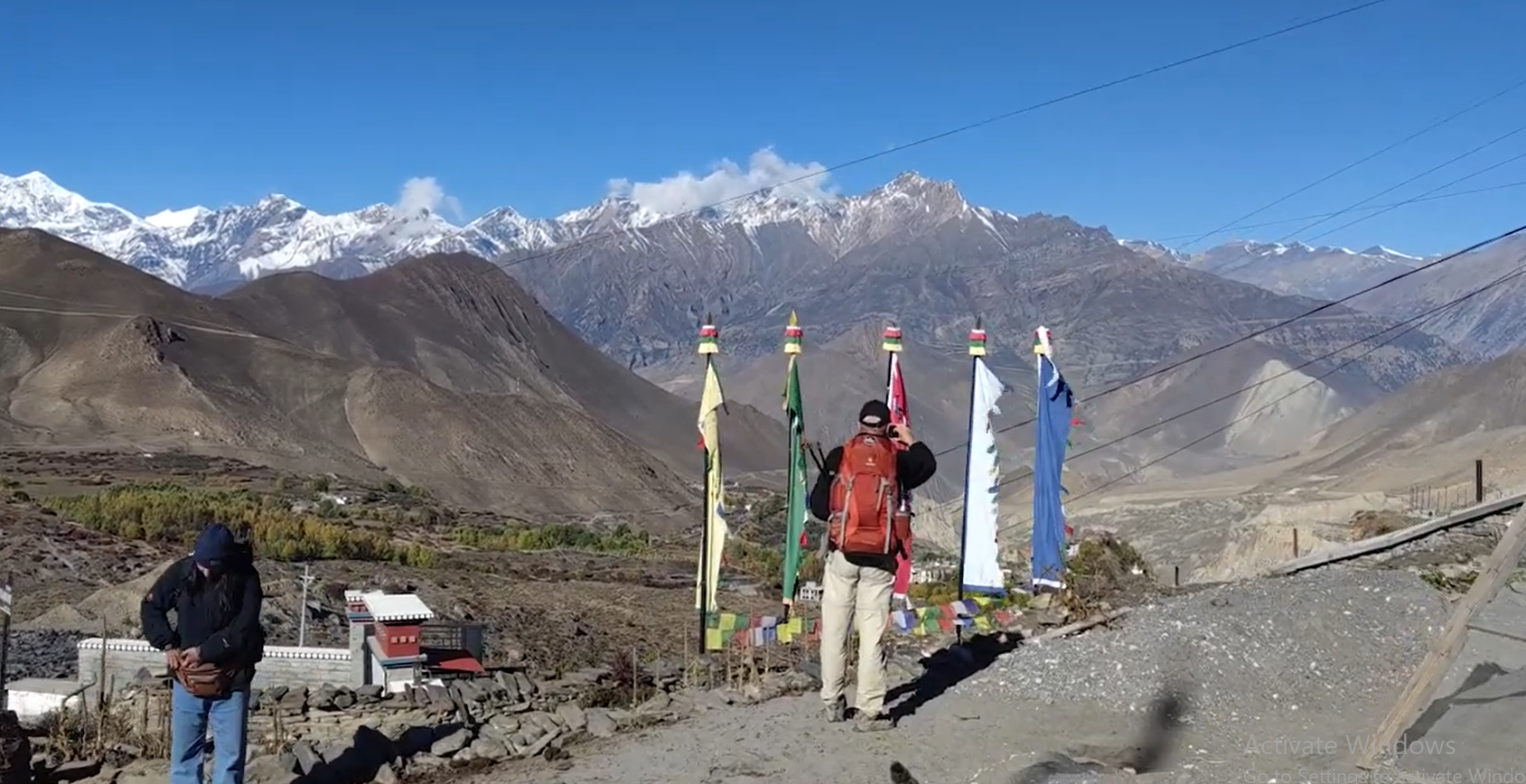
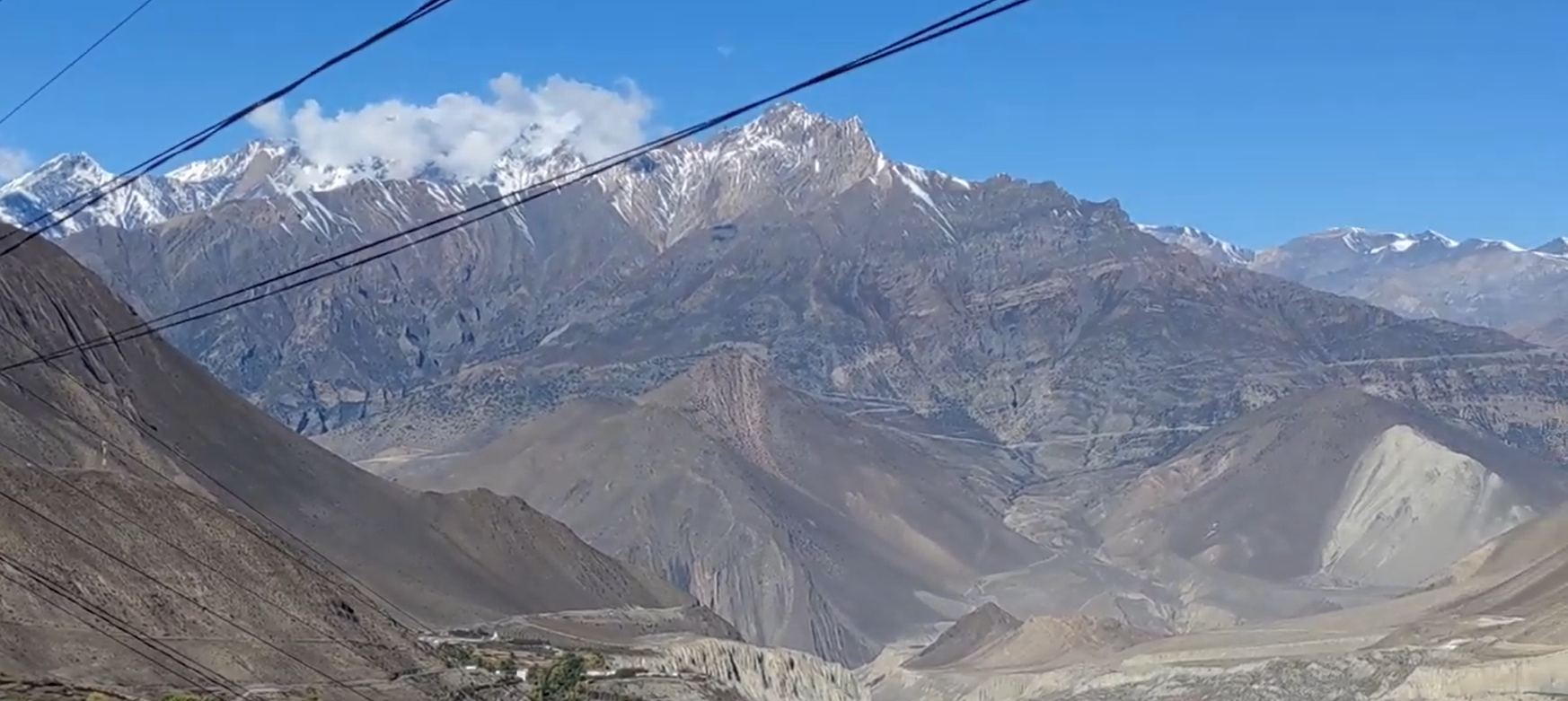
Our family from New Zealand had an incredible experience on the Luxury Annapurna Circuit Trek – 14 Days with Safe Holiday Adventure Pvt. Ltd. Everything was perfectly organized from beginning to end, and the mountain scenery was simply breathtaking. The combination of comfortable lodges, beautiful Himalayan landscapes, and authentic local culture made this trek truly unforgettable.
A very special thanks to our guide Santosh, who was professional, knowledgeable, caring, and always attentive to our needs throughout the journey. He explained the culture, mountains, and local traditions with great passion and made us feel safe and comfortable every day. His positive attitude and friendly nature added so much joy to our trek.
We would also like to sincerely thank our porter Dharma for his hard work, kindness, and constant support during the trek. He always carried our luggage with a smile and helped make our journey easier and more enjoyable. His dedication and warm personality were greatly appreciated by our whole family.
Crossing the Thorong La Pass and walking through the beautiful villages of the Annapurna region was an amazing adventure we will always remember. We highly recommend this luxury trekking experience to anyone looking for comfort, adventure, and excellent service in Nepal.
Thank you again to Santosh, Dharma, and the entire team for giving our family such wonderful memories in the Himalayas.
— Luka Mories and Family, New Zealand

Amaune Fouillade
france | April, 2024
Amazing Trek with Safe Holiday Adventure
My friends and I went to Nepal and decided to do the Annapurna Circuit Trek – 15 Days. We contacted a local trekking company called Safe Holiday Adventure, and they were very helpful from the beginning. They replied quickly, explained everything clearly, and helped us plan the trek perfectly. We were provided with an excellent guide and a strong, kind porter who supported us throughout the journey.
The trek took us through beautiful villages, stunning mountain landscapes, and over the famous Thorong La Pass. Everything was well organized, including accommodation, food, and daily walking plans. The weather was great, and we met many friendly people along the trail, which made the experience even more special.
This was one of the best treks we have ever done, and we are very grateful to Safe Holiday Adventure, our guide, porter, and the entire team for making the Annapurna Circuit such a memorable adventure. We highly recommend this company to anyone planning to trek in Nepal.
Thank you once again for the outstanding service and unforgettable experience.


Laura Gambador
Australia | Dec, 2024
Family Trekking Experience on the Annapurna Circuit
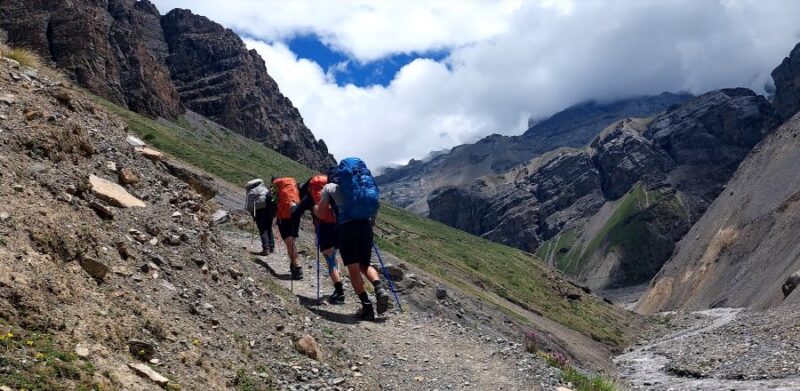
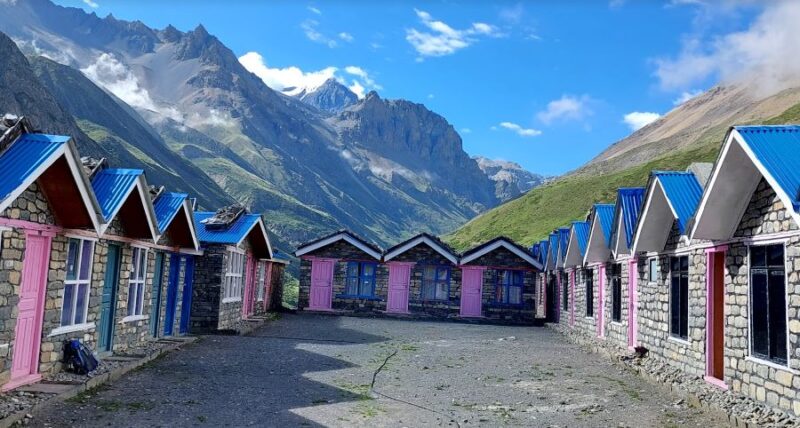
Laura Gambador and her parents from Australia had a wonderful experience trekking the Annapurna Circuit with Safe Holiday Adventure. The trip was well organized, and guide Dharma was professional, caring, and highly experienced, ensuring a safe and enjoyable journey. Stunning scenery and excellent support throughout made this trek truly memorable. Highly recommended for trekking in Nepal.
Genaral Trip InfoInfos
Permits and Documentation:
One of the first things you need to consider is obtaining the required permits and documentation for these treks. You’ll typically need an Annapurna Conservation Area Permit (ACAP) and a Trekkers’ Information Management System (TIMS) card. Make sure you have these permits before starting your trek, as they help protect the environment and assist in tracking trekkers.
Trekking Season:
Understand the seasonal variations in weather and choose the best time for your trek. The pre-monsoon (spring) season, from March to May, and the post-monsoon (autumn) season, from September to November, are generally considered ideal due to stable weather conditions and clear skies. The monsoon season (June to August) can be challenging due to heavy rainfall and the possibility of landslides.
Weather and Clothing:
Annapurna treks involve varying altitudes, so be prepared for a wide range of temperatures. Pack layers of clothing, including warm items for higher elevations, such as thermal layers and a down jacket. Additionally, bring rain gear if you’re trekking during the monsoon season.
Altitude Sickness:
Altitude sickness, including symptoms like headache, nausea, and fatigue, can be a concern on both treks. Learn about the signs and symptoms, and understand the importance of proper acclimatization. Ascend gradually, stay hydrated, and be prepared to descend if necessary.
Route Options:
Both the Annapurna Circuit and ABC treks offer multiple route options and side trips. Research and plan your itinerary based on your fitness level and the time you have available. Common starting points include Besi Sahar, Bahun Danda, or Chame, each offering a unique experience.
Lodging and Food:
Along these treks, you’ll find a network of teahouses, lodges, and guesthouses. Research their availability and decide whether you want to book accommodations in advance, especially during peak trekking seasons. The menus at these establishments offer a variety of local and international dishes but be prepared for basic facilities at higher altitudes.
Trekking Duration:
Estimate the number of days you’ll spend on the trek, including rest days and side trips. Keep in mind that some sections may require longer walking days, so plan accordingly.
Guides and Porters:
Decide whether you want to trek independently or hire a local guide and/or porter. A guide can provide valuable insights, assist with navigation, and ensure your safety. Porters can carry your heavy backpack, making the trek more comfortable.
Packing List:
Create a comprehensive packing list that includes essential items like comfortable and sturdy trekking boots, a suitable sleeping bag, first-aid supplies, toiletries, and personal items. Don’t forget essentials like a headlamp, trekking poles, and a backpack cover.
Cash for the trek:
Keep in mind that ATMs and card payment facilities are limited in remote areas. Bring enough Nepalese Rupees in cash for your entire trek to cover food, accommodation, permits, and unexpected expenses.
Communication: Phone signal in the trek
Be aware that mobile phone and internet connectivity can be limited, especially at higher altitudes. Inform your loved ones of your itinerary before you start the trek and be prepared for occasional communication challenges.
Insurance:
Purchase comprehensive travel insurance covers trekking activities, including medical evacuation in case of emergencies.
Detailed ItineraryItinerary
Kathmandu to Besisahar (820m)
Embark on an exciting journey as we commence our trekking adventure in the majestic Himalayas. Today marks the beginning of our expedition. We’ll depart from Kathmandu’s bustling Gangabu bus park, where we’ll board a comfortable jeep or a public bus. The scenic drive is an experience in itself, offering picturesque views of the Trisuli and Marsyangdi rivers, along with quaint local houses, lush farm fields, and stunning mountain cliffs.
As we make our way to Besisahar, the district headquarters of Lamjung, the landscape transitions, and we’re greeted with the beauty of nature unfolding before us. Once we arrive in Besisahar, we’ll settle into the guesthouse we’ve pre-reserved. After getting settled, we’ll take some time to explore the surroundings, soaking in the tranquility of the Lamjung district. This day also allows us to prepare for the upcoming trek, ensuring we’re fully equipped for the adventure ahead.
Accommodation : Guesthouse
Besisahar to Bahundanda (1,310m)
Our journey continues as we leave the charming town of Besisahar behind. The trail leads us to Bahundanda, a picturesque village perched at an altitude of 1,310 meters. The day’s trek spans around 17 kilometers and takes approximately 6 to 7 hours to complete.
We’ll be treated to captivating vistas of terraced fields, dense forests, and traditional villages along the way. The terrain gradually ascends, offering a taste of the diverse landscapes that lie ahead. Lunch will be a delightful experience along the trail, providing us with the energy needed to continue our ascent.
Upon reaching Bahundanda, we’ll find ourselves surrounded by the tranquility of the Himalayan foothills. The village’s warm hospitality and panoramic views make it a perfect place to rest and reflect on the day’s journey. Our overnight stay here allows us to connect with the local culture and enjoy a well-deserved rest, recharging for the days ahead.
Accommodation : Tea House
Bahundanda to Chamje (1,410m)
Today’s adventure unfolds as we bid farewell to Bahundanda and set forth towards Chamje. The trek covers a distance of around 14 kilometers and takes approximately 5 to 6 hours. The path meanders through enchanting landscapes, providing us with glimpses of traditional rural life and the raw beauty of nature.
As we traverse the trail, we’ll encounter river crossings and charming settlements. The region’s rich biodiversity and cultural diversity create an immersive experience. Lunch will be enjoyed amid the scenic surroundings, allowing us to refuel before resuming our journey.
Arriving in Chamje, situated at an altitude of 1,410 meters, we’ll be welcomed by the serene ambiance of this Himalayan village. The day’s trek offers a blend of exploration and physical exertion, setting the stage for the incredible days of trekking that lie ahead. Our evening in Chamje offers the chance to unwind, savor the sense of accomplishment, and prepare for the next leg of our journey.
Accommodation : Tea House
Chamje to Bagarchhap (2,160m)
Our trek enters another captivating chapter as we depart from Chamje en route to Bagarchhap. The day’s trek covers a distance of approximately 12 kilometers and takes around 5 to 6 hours to complete. The trail leads us through a diverse landscape, with varying terrains and ever-changing panoramas.
As we ascend further, the charming village of Bagarchhap comes into view. The village, situated at an elevation of 2,160 meters, welcomes us with its unique architecture and serene surroundings. Along the trail, we’ll cross rivers and traverse forests, immersing ourselves in the natural beauty that surrounds us.
Lunch is a moment to recharge and relish the flavors of the journey. Our stop along the trail offers not only sustenance but also a chance to appreciate the wonders of the outdoors. Upon reaching Bagarchhap, we’ll settle into our accommodations and bask in the sense of accomplishment that accompanies each day of trekking.
Accommodation : Tea House
Bagarchhap to Chame (2,710m)
The journey unfolds as we leave Bagarchhap behind and make our way to Chame. Covering a distance of approximately 21 kilometers, today’s trek takes us around 5 to 6 hours. The trail offers a blend of natural beauty and cultural encounters, making each step an opportunity for discovery.
As we ascend, the landscape transforms, revealing stunning vistas of towering peaks and lush valleys. The trail leads us through forests, and the ever-present sound of flowing rivers adds to the sensory experience. Lunch, served along the trail, provides us with the energy to continue our trekking adventure.
Chame, situated at an elevation of 2,710 meters, welcomes us with its vibrant atmosphere and picturesque setting. The district headquarters of Manang, Chame offers a mix of traditional charm and modern conveniences. Our stay here lets us unwind, marvel at the surroundings, and engage with fellow trekkers, creating memories that will stay with us for a lifetime.
Accommodation : Tea house
Chame to Pisang (3,190m)
Our journey continues with enthusiasm as we depart from Chame and set our sights on Pisang. Today’s trek spans approximately 14 kilometers and takes around 5 to 6 hours. The trail guides us through captivating landscapes, offering a blend of natural wonders and cultural encounters.
As we ascend higher, the air becomes crisper, and the surroundings become more dramatic. The trail presents us with diverse terrain, from lush forests to rocky paths. Along the way, we’ll come across charming villages that provide insights into local life. Lunch is a welcomed break, allowing us to recharge before we continue on our path.
Arriving in Pisang, nestled at an altitude of 3,190 meters, we’ll be captivated by the breathtaking views that surround us. The village’s serene ambiance and the warm hospitality of the locals create a welcoming atmosphere. Our overnight stay in Pisang is a chance to soak in the beauty of the Himalayas and reflect on the journey thus far.
Accommodation : Tea House
Pisang to Manang (3,540m)
Today’s adventure leads us to the enchanting village of Manang. Covering a distance of approximately 19 kilometers, the trek takes around 5 to 6 hours. The path takes us through a landscape that continuously evolves, offering new perspectives at every turn.
The trail guides us through diverse terrain, from alpine meadows to arid landscapes. As we ascend, the scenery becomes more rugged and awe-inspiring. The lunch break is not just a culinary interlude but also a chance to savor the surroundings and connect with fellow trekkers.
Manang, situated at an elevation of 3,540 meters, welcomes us with its unique culture and stunning vistas. The village is known for its Tibetan influence and serves as an ideal place for acclimatization. Our stay here allows us to explore the area, interact with locals, and prepare for the challenges that lie ahead in higher altitudes.
Accommodation : Tea House
Acclimatization day in Manang
Today, we take a well-deserved rest in Manang to acclimatize to the higher altitude. We’ll explore the village, engage with the local culture, and perhaps take a short hike to higher elevations. This essential day allows our bodies to adjust, ensuring a safer and more enjoyable journey ahead.
Manang to Yak Kharka (4,018m)
Our trek resumes as we leave Manang and head towards Yak Kharka. Covering around 9 kilometers in about 4 to 5 hours, the trail reveals more rugged landscapes and panoramic mountain views. The gradual ascent brings us closer to the Himalayan beauty.
Lunch along the trail fuels our progress. As we reach Yak Kharka, situated at 4,018 meters, we’ll find ourselves in a serene alpine setting. The scenery and the thinning air remind us of the incredible heights we’re achieving. Our overnight stay in Yak Kharka lets us absorb the natural splendor while preparing for the challenges ahead.
Accommodation : Tea House
Yak Kharka to Thorong Phedi (4,450m)
Today’s journey takes us to Thorong Phedi, situated at an elevation of 4,450 meters. Covering about 7 kilometers in 4 to 5 hours, the trek is an adventure in itself. The trail leads us through rocky paths and ascending landscapes, with the promise of Thorong La Pass on the horizon.
Lunch along the trail sustains us for the final push. Arriving in Thorong Phedi, we’re met with a sense of accomplishment. This high-altitude resting place prepares us for the challenging past ahead. Our evening in Thorong Phedi is a mix of anticipation and preparation, knowing that tomorrow’s crossing will be a defining moment of our journey.
Accommodation : Tea House
Thorong Phedi to Thorong La Pass (5,416m), then to Muktinath (3,800m)
Today is a monumental day as we conquer the Thorong La Pass at an impressive altitude of 5,416 meters. The journey begins early, with a challenging 7 to 9-hour trek ahead. A packed lunch sustains us during the pass crossing, where the breathtaking panoramic views make the effort truly worthwhile.
After the pass, our descent leads us to Muktinath at 3,800 meters. This spiritual destination is renowned for its religious significance and natural beauty. The diverse landscapes and cultural encounters along the way make this day a truly unforgettable experience.
Accommodation : Tea House
Muktinath to Tatopani(1070m)
Today, we are embarking on a journey from Muktinath to Tatopani, spanning a distance of 1070 meters. The estimated driving time for this route is approximately 5 to 6 hours. Unlike previous times, we have opted to take a bus or jeep due to the current road conditions. The road has transformed into a dusty and bustling thoroughfare with numerous vehicles, making walking less clean and safe. By choosing to travel by jeep or bus, we aim to ensure a more comfortable and secure journey. After a long day on the road, we look forward to reaching Tatopani and enjoying a well-deserved stay.
Accommodation : Tea House
Tatopani to Ghorepani (2,860m) – Trekking Hours: 7-8 hours,
On the 15th day of our journey, we are set to trek from Tatopani to Ghorepani, ascending to an elevation of 2,860 meters. The trekking duration for today’s leg is expected to be around 7 to 8 hours. As we continue our adventure, we’ll traverse through diverse landscapes and terrain, experiencing the natural beauty and charm of the region. The trail will challenge us but also reward us with breathtaking vistas and unique encounters along the way. With determination and excitement, we look forward to reaching the picturesque destination of Ghorepani, where we’ll find respite and reflection after a fulfilling day of trekking.
Accommodation : Tea House
Ghorepani to Poon Hill (3,210m), then to Tadapani (2,630m) –
Embarking from Ghorepani, we ascend towards the renowned Poon Hill, situated at an elevation of 3,210 meters. This early morning hike is a beloved tradition among trekkers, offering a panoramic sunrise view that paints the surrounding peaks in warm hues. After soaking in the spectacular vista, we continue our journey towards Tadapani at an altitude of 2,630 meters. The trail takes us through enchanting forests and picturesque landscapes, presenting us with the natural beauty and tranquility of the area. Our day’s adventure combines the awe of Poon Hill’s sunrise with the serenity of Tadapani, where we’ll find solace and rejuvenation amidst the mountains.
Accommodation : Tea House
Tadapani to Chhomrong (2,170m) – Trekking Hours: 5-6 hours,
Embarking from Tadapani, a tranquil village nestled in the Annapurna region, we begin a 5 to 6-hour trek to Chhomrong at 2,170 meters. The trail leads us through a captivating landscape, initially descending through vibrant rhododendrons and oak forests, followed by a thrilling river crossing on a suspension bridge. As we ascend, terraced fields and picturesque villages dot the path, offering glimpses into the local way of life. The majestic Annapurna and Machapuchare peaks occasionally grace our view. Chhomrong awaits with its hillside charm and panoramic vistas. The village provides a warm welcome with tea houses and lodges, a perfect setting to rest and reflect, appreciating both the challenges and the beauty of this trekking endeavor.
Accommodation : Tea House
Chhomrong to Upper Dovan (2,610m) – Trekking Hours: 6-7 hours,
Leaving the scenic village of Chhomrong behind, we embark on a 4 to 5-hour trek to Upper Dovan, nestled at an altitude of 2,610 meters along the renowned Annapurna Base Camp (ABC) trail. The journey takes us through a diverse terrain, combining steep ascents and descents with tranquil forested sections. The path winds along the Modi Khola (river), revealing awe-inspiring views of the surrounding landscapes and distant waterfalls. As we progress, the Himalayan ambiance deepens, and the air becomes crisp with the scent of nature. Upper Dovan welcomes us with its serene beauty, offering a chance to rest and recharge before we continue our adventure toward the breathtaking Annapurna Base Camp.
Accommodation : Tea House
Upper Dovan to Annapurna Base Camp(ABC)-4,130m
We set off from Upper Dovan, hiking for 6 to 7 hours to reach the magnificent Annapurna Base Camp (ABC) at 4,130 meters. The trail involves uphill stretches and showcases the natural beauty around us. The rewarding views of the mountains make the trek truly special. As we ascend, the landscape transforms, and the sense of accomplishment grows stronger. Reaching ABC is a remarkable experience, surrounded by towering peaks and a sense of awe. The effort put into the hike is met with the breathtaking scenery that makes it all worth it.
Accommodation : Tea House
Annapurna Base Camp (ABC) to Sinuwa(2450m)
Descending from the awe-inspiring Annapurna Base Camp (ABC) at 4,130 meters, our path leads us to Sinuwa. The journey is characterized by its downward trajectory as we navigate through a lush bamboo forest. The trail, retraced from our ascent, offers a sense of familiarity while presenting a different perspective of the landscape. The descent allows us to fully absorb the surroundings, with the soothing rustle of bamboo leaves and the occasional glimpse of wildlife. Sinuwa, our destination, welcomes us with its tranquil atmosphere, providing a well-deserved break after the day’s trek. This stage of the journey not only showcases the diverse nature of the Annapurna region but also reminds us of the rewarding contrasts that trekking in these mountains offers.
Accommodation : Tea House
Short trek from Sinuwa to Jhinu, then drive to Pokhara.
The next leg of our journey takes us on a short trek from Sinuwa to Jhinu, followed by a brief stay. From there, we’ll take a drive to the picturesque city of Pokhara. The trek offers a change of scenery as we pass through the charming landscape. Upon reaching Jhinu, we’ll have a brief opportunity to relax and unwind. Then, our drive to Pokhara promises scenic views and a sense of anticipation for the comforts of the city. This transition from trekking to driving captures the varied experiences of our adventure, from peaceful trails to the vibrant urban oasis of Pokhara.
Accommodation : Hotel
Drive from Pokhara to Kathmandu
We embark on a scenic drive from Pokhara to Kathmandu, boarding a tourist bus at 7:30 am from Pokhara’s Rastrabank Chok. The journey spans around 200 km and is estimated to take approximately 7 hours. Along the route, the bus makes two stops for breakfast and lunch. This picturesque drive allows us to witness the diverse landscapes of Nepal while comfortably traveling to our destination. From Pokhara to the bustling heart of Kathmandu, the journey captures the essence of this captivating country.
Annapurna Circuit & Annapurna Base Camp Trek Fusion FAQs
Trekkers can explore variations of the Annapurna Circuit, such as the Upper Mustang trek, Nar Phu Valley trek, and Tilicho Lake trek, to experience diverse landscapes and cultures.
The Annapurna Base Camp trek is at a lower altitude and primarily takes you through lush forests and terraced fields before reaching the base camp, offering a different perspective of the Annapurna massif.
Trekkers may spot wildlife like Himalayan Thar, langur monkeys, and various bird species, especially in the lower regions of the trek.
Trekkers should carry quick-drying clothing, and water-resistant footwear, and consider using trekking poles for stability when crossing rivers along the route.
Trekkers might have the opportunity to witness local festivals like Dashain or Tihar, depending on the timing of their trek, providing a unique cultural experience.
The Annapurna Circuit offers a wider range of teahouse and lodging options due to its longer duration, while the ABC trek has fewer accommodation choices but still provides basic amenities.
The Annapurna Base Camp trek is generally considered less strenuous and suitable for those with limited hiking experience, while the Annapurna Circuit is longer and more challenging.
Trekkers can consider side trips like visiting Tilicho Lake on the Annapurna Circuit or exploring the Machapuchare Base Camp (MBC) while on the ABC trek.
Trekkers can support local economies by purchasing handicrafts and goods from local vendors and respecting the customs and traditions of the communities they visit.
Trekkers might encounter diverse plant life, including rhododendron forests with vibrant blooms during spring and various species of orchids, ferns, and mosses. Wildlife such as red pandas and pheasants are also found in these areas.
Refund & Cancellation Policy
- Booking requires 20% non-refundable deposit (Nepal) or 100% upfront (Tibet/Bhutan).
- Remaining payment due before the trip or on arrival (trip-dependent).
Cancellation charges:
- 31+ days: 20%
- 16–30 days: 45%
- 8–15 days: 75%
- 7 days or less: 90%
- Prices may change due to flights, taxes, or exchange rates.
- Trip changes are allowed, but extra costs apply.
- If the company cancels, a full refund, except for unavoidable events (some costs deducted).
- Good health and travel insurance are mandatory.
- No refund if removed for unsafe or illegal behavior.
- Travel involves personal risk, which the client accepts.