Site Logo
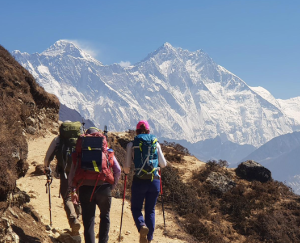
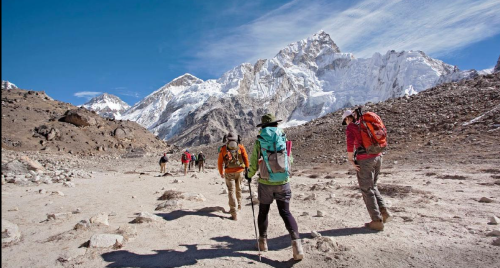
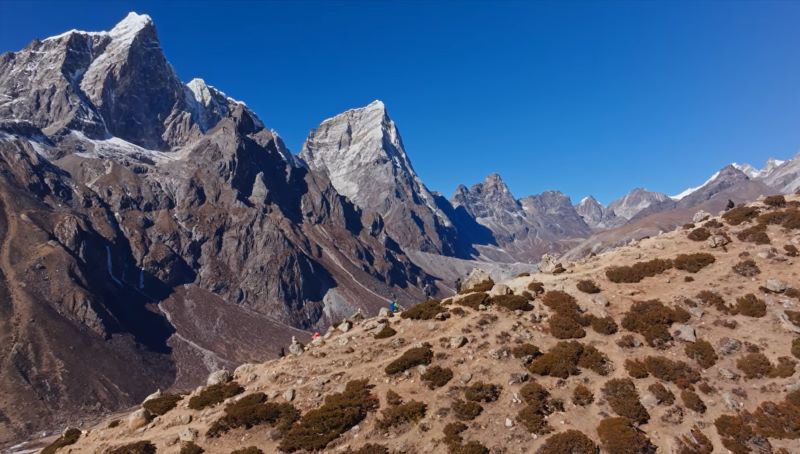
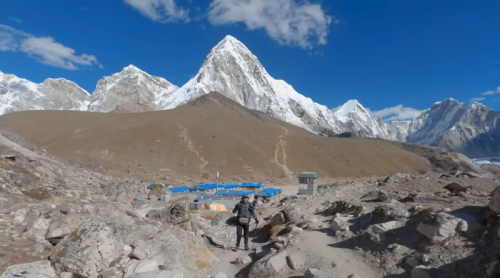
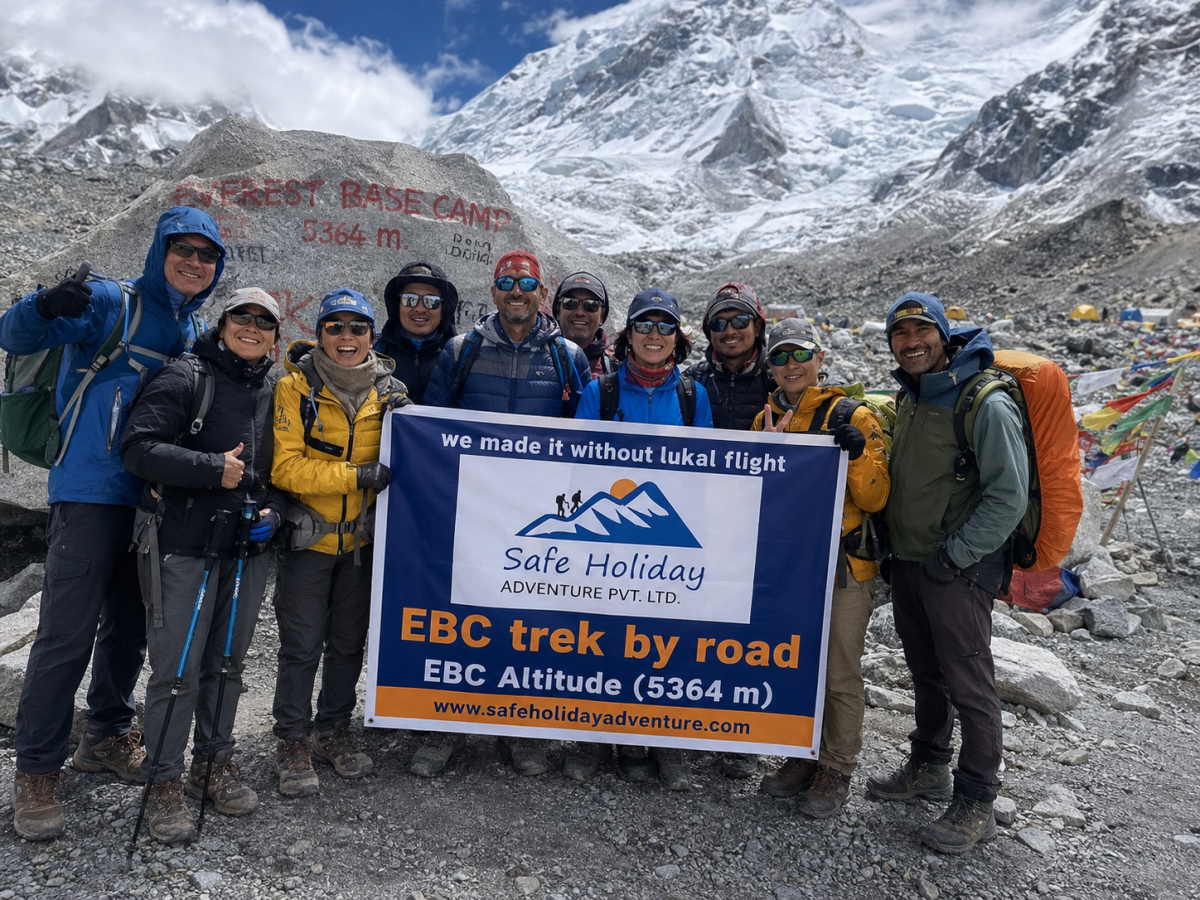
Scenic view of the Everest Base Camp trek route without taking a Lukla flight.

Experience the EBC Trek Without Lukla Flight - 14 Days

5 - Excellent
More reviews on TripAdvisor

Are you worried about the Lukla flight?  If you love scenic overland drives and passing through local Nepali villages, the Everest Base Camp Trek by Road- Skip Lukla flight is your best choice. Travel from Kathmandu to Salleri and Surke, enjoying gradual altitude gain and stunning views. From Surke, follow the classic trail to Everest Base Camp. Affordable, flexible, and full of adventure – reach Everest the smarter way!

Destination Everest Base Camp (5,364m)
Start/End Kathmandu/Kathmandu
Trip Difficulty Moderate
Maximum Elevation Kalapathar
Activities Driving & Walking
Best Season Sep. - Nov. & March - May
Meals Breakfast, Lunch & Dinner
Accommodation Tea House/Lodge
Transportation Jeep

EBC Trek without Lukla Flight key Highlights: Highlights

  • Scenic overland journey to the Everest region, avoiding the Lukla flight
  • Gradual ascent, reducing the risk of altitude sickness
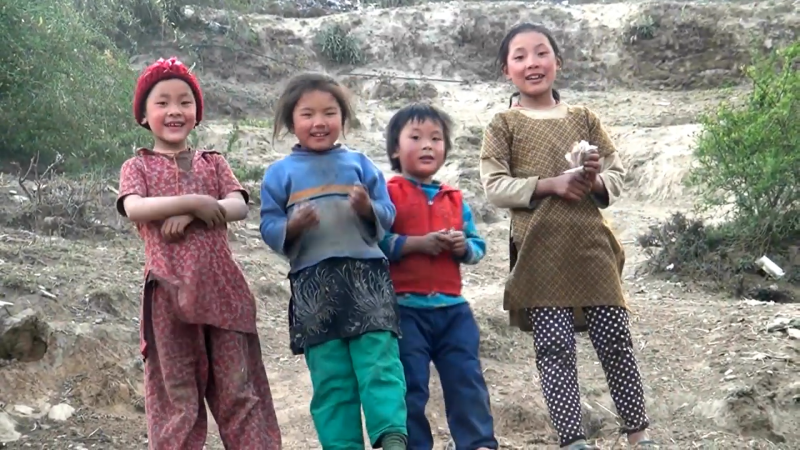
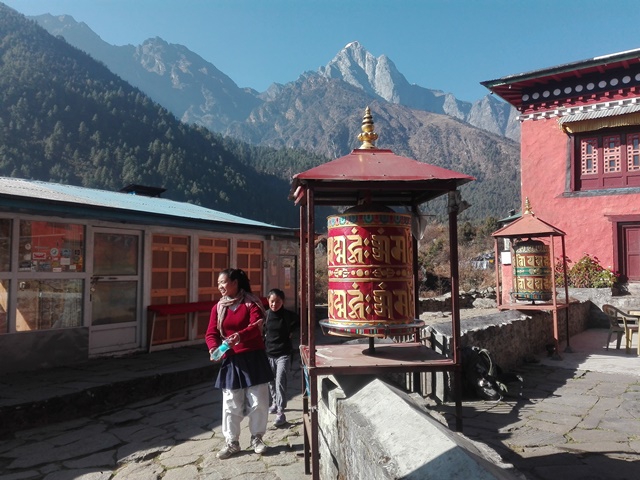
  • Trek through traditional Sherpa villages and remote mountain trails
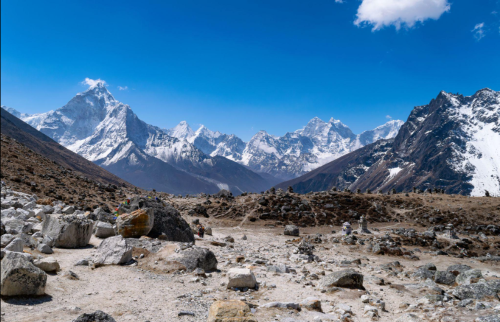
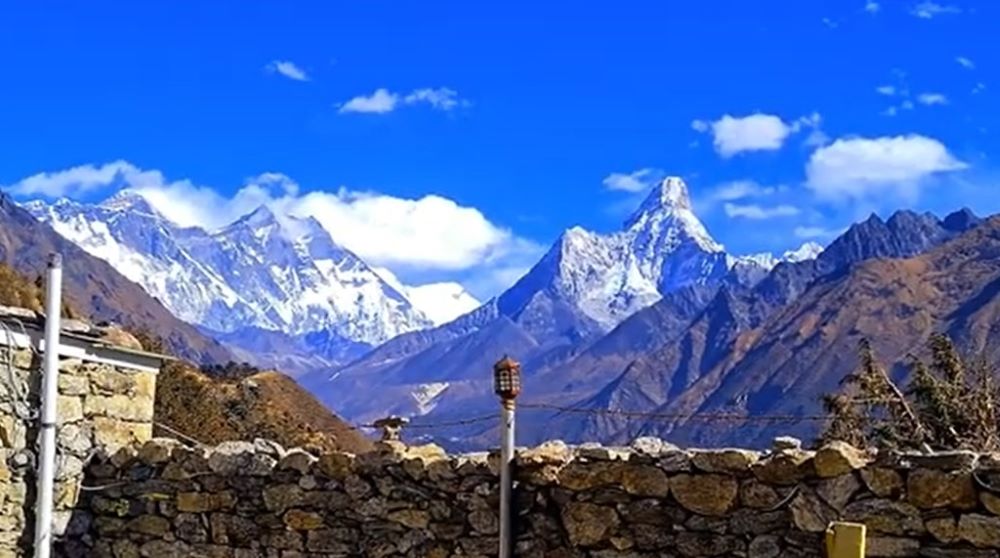
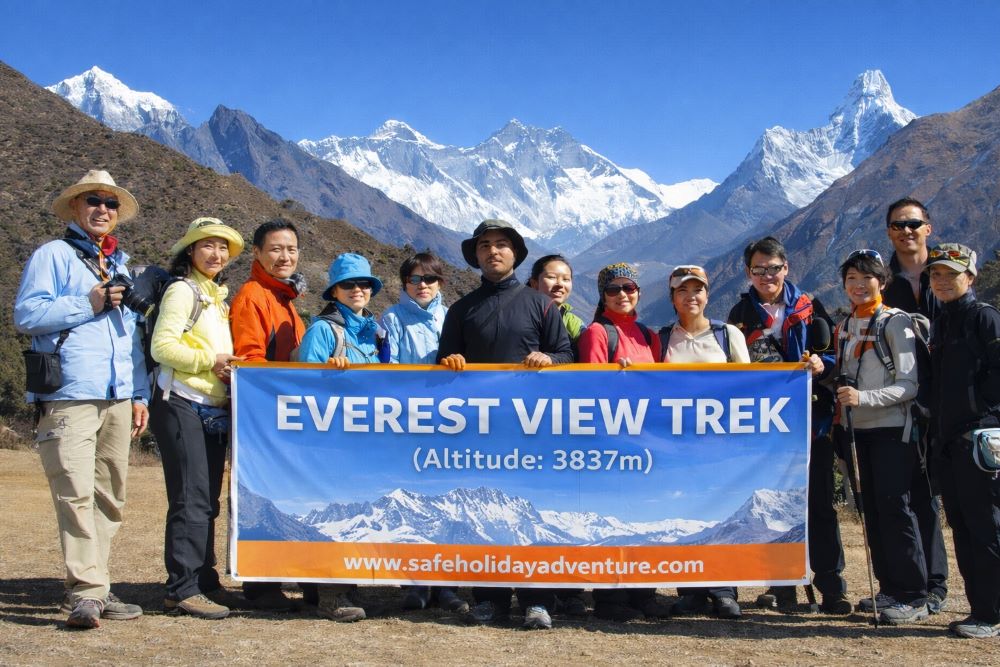
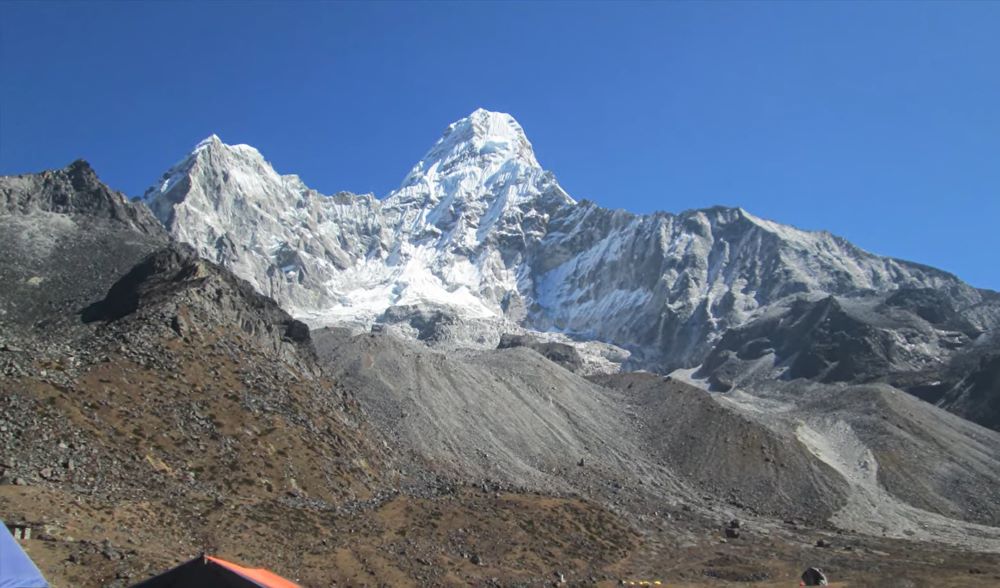
  • Stunning views of Everest, Lhotse, Nuptse, and Ama Dablam
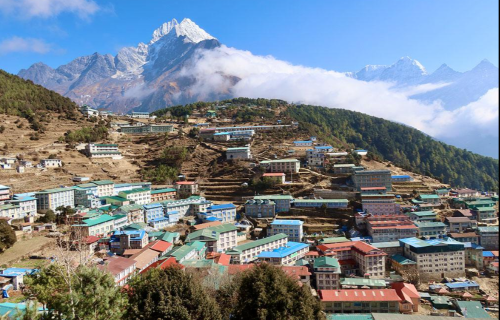
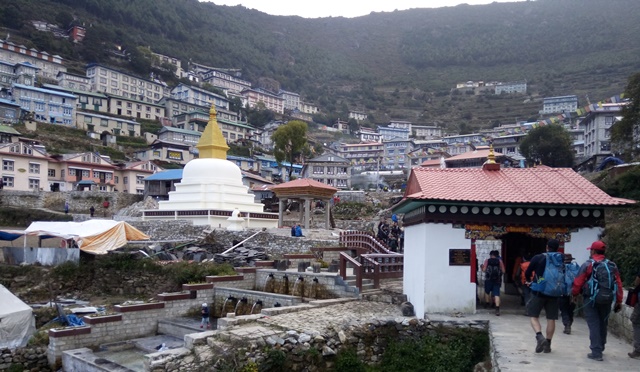
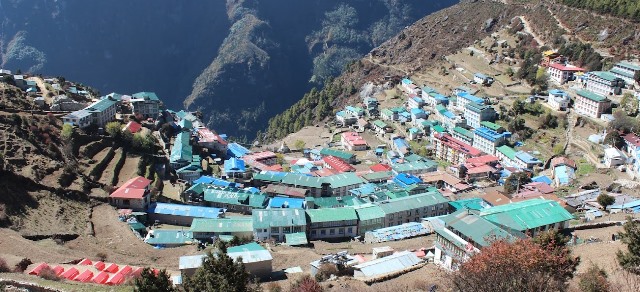
  • Visit to Namche Bazaar, the gateway to Everest
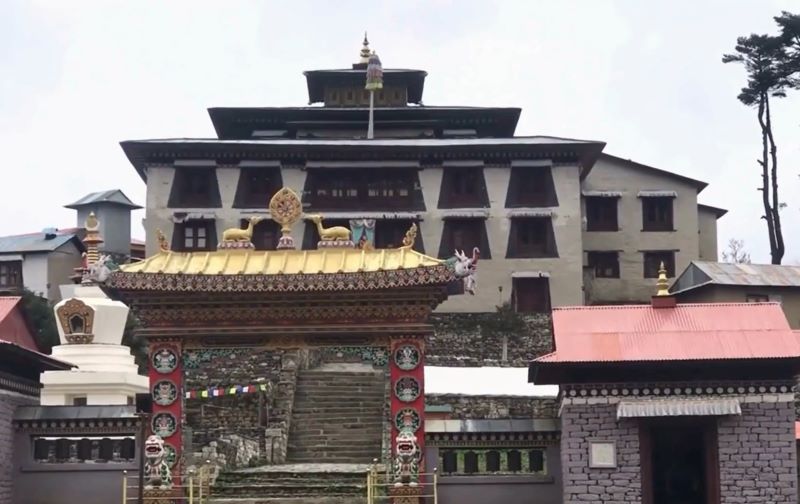
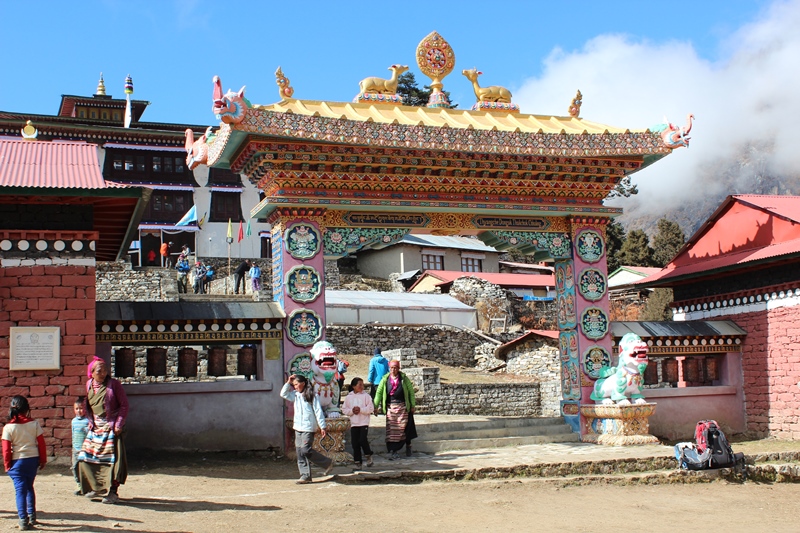
  • Exploration of Tengboche Monastery, a major spiritual site
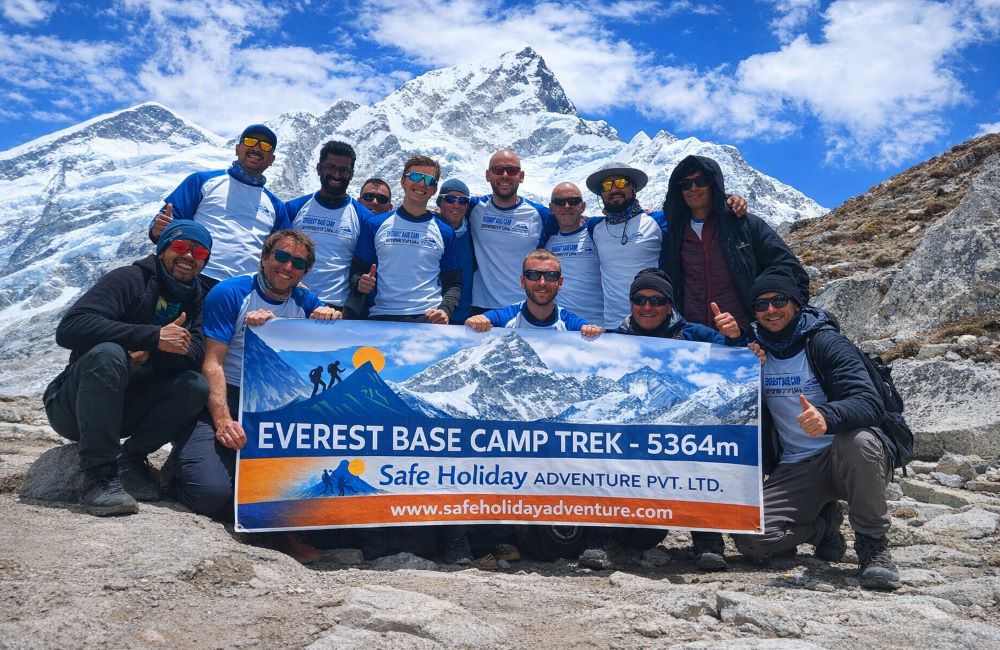
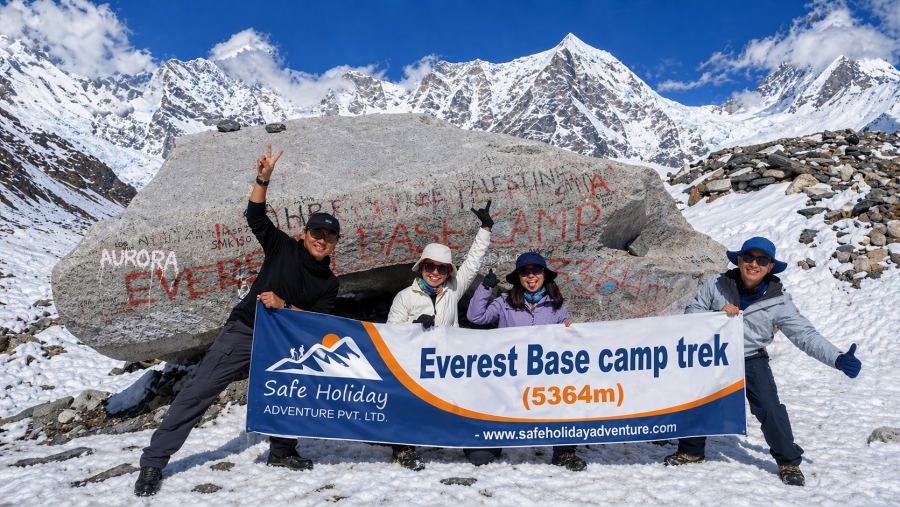
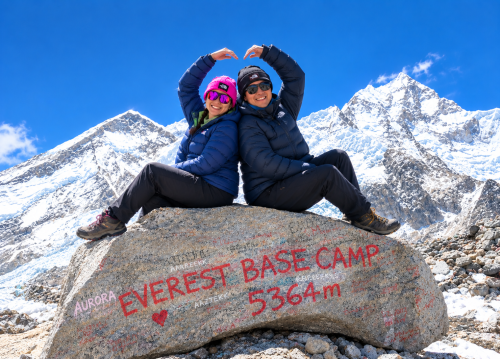
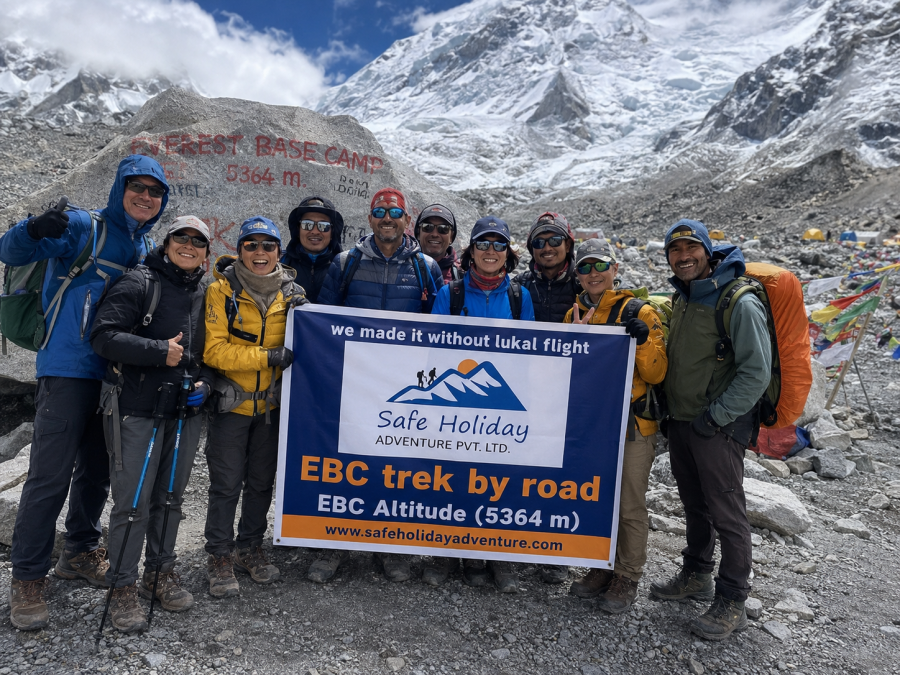
  • Trek to Everest Base Camp (5,364 m)
  • Hike to Kala Patthar for panoramic sunrise views of Everest
  • Rich cultural experience with the Sherpa lifestyle and Buddhist heritage
  • Less crowded route compared to the classic Lukla trek
  • Suitable for adventurous trekkers seeking a quieter, more immersive experience

EBC Trek Without Lukla Flight introduction Overview

The EBC Trek Without Lukla Flight is a great option for trekkers who want to avoid the Lukla flight. This route starts with a long but beautiful jeep drive from Kathmandu to Surke, passing through the town of Salleri. Surke is just below Lukla and connects to the main trekking route to Everest Base Camp. This overland route is becoming more popular among those who want to save money or avoid flight cancellations at Lukla.

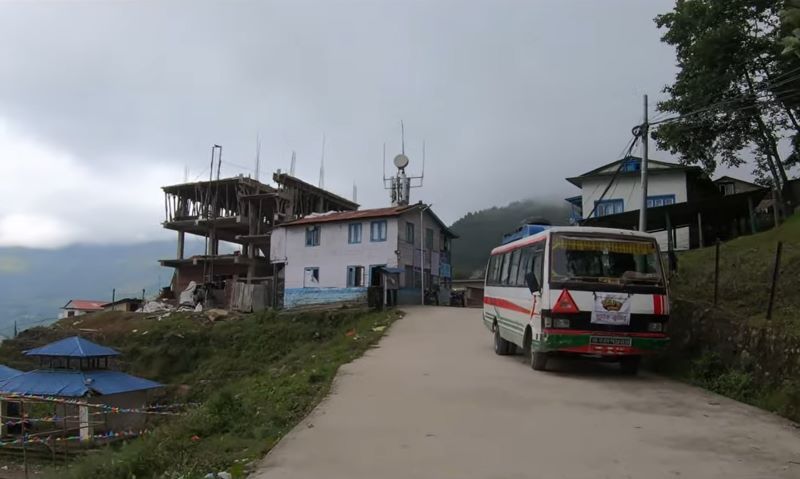
The journey begins with a jeep ride from Kathmandu to Salleri. Salleri is the district headquarters of Solukhumbu. It is about 270 kilometers away from Kathmandu. The drive takes around 8 to 10 hours, depending on road conditions. The road goes through hills, rivers, and local villages. It is a bumpy but scenic ride. Many trekkers stay one night in Salleri to rest and enjoy the quiet mountain town.

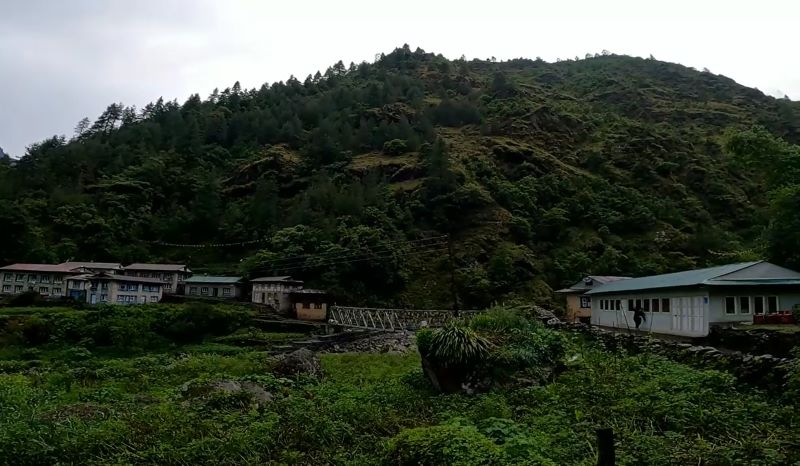
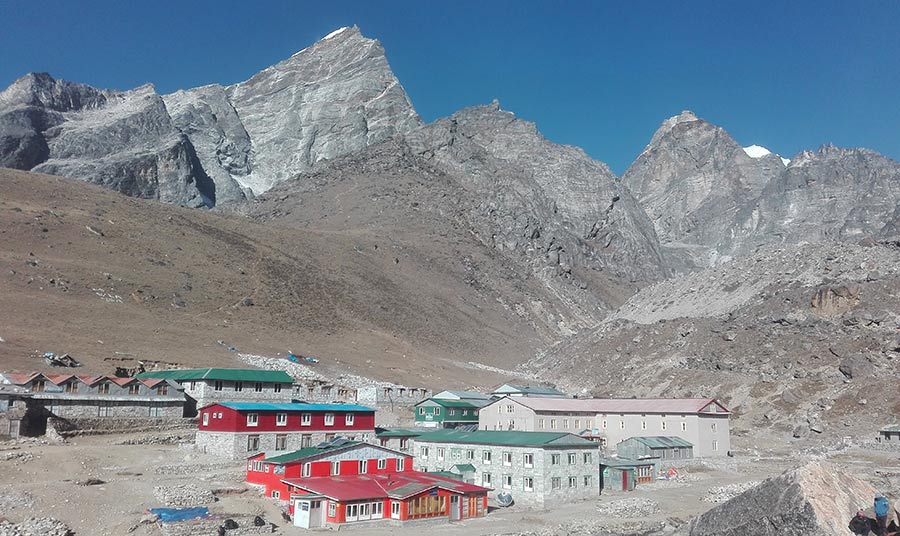
From Salleri, the next part of the journey is another jeep ride to Surke. This section is about 60 kilometers and takes around 5 hours. The road is rough and passes through villages like Ringmo and Kharikhola. Along the way, you can see terraced fields, traditional Sherpa homes, and local people going about their daily lives. Once you reach Surke, the trekking part begins. Surke is about 2,300 meters and is just one hour below Lukla Airport on foot.

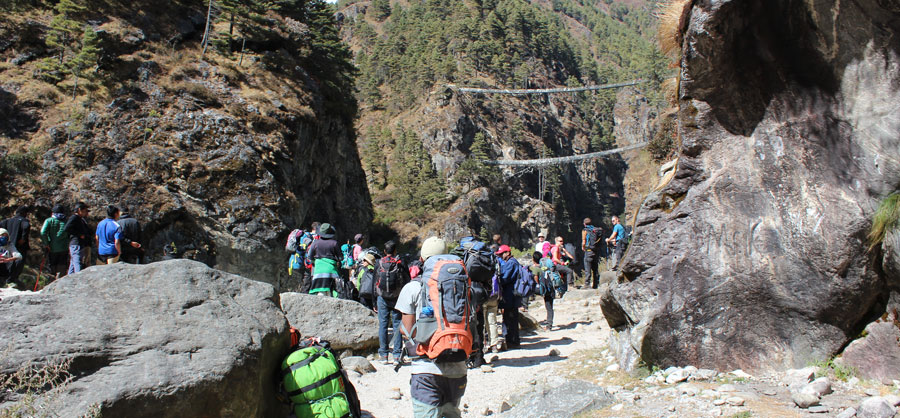
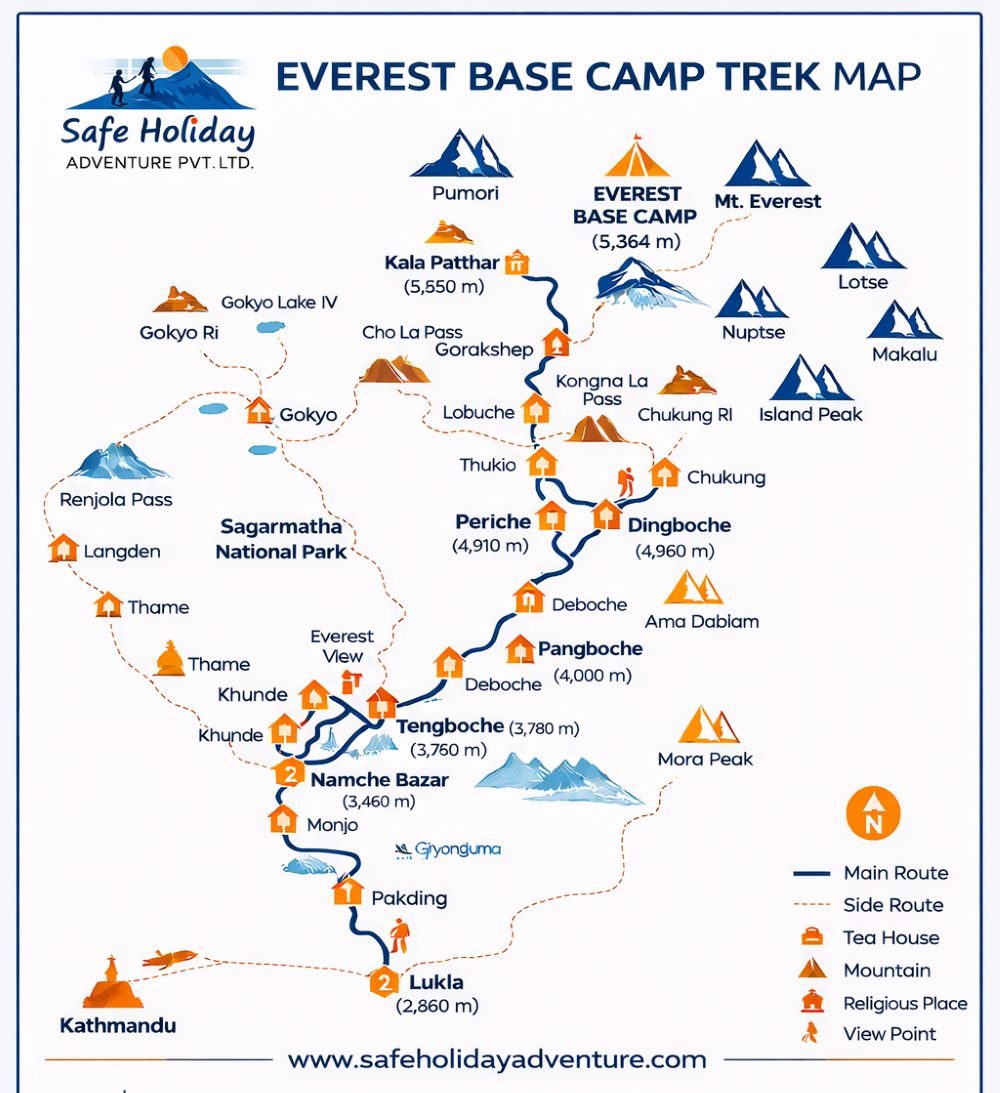
After a short rest in Surke, the trek continues with a two-hour uphill walk to Chheplung. This is where you join the classic Everest Base Camp trail. From here, the path is well-marked and full of trekkers who started from Lukla. You will then walk through the Dudh Koshi valley and pass beautiful villages like Phakding, Monjo, and Jorsalle. Soon you reach Namche Bazaar at 3,450m, the famous Sherpa town, where you spend a rest day to acclimatize.

The trek from Namche continues higher through Tengboche and Dingboche. You will enjoy stunning mountain views, including Mt. Everest, Ama Dablam, and Lhotse. The trail then leads to Lobuche and Gorakshep, and finally to Everest Base Camp (EBC) at 5,364 meters. From here, many trekkers hike up to Kala Patthar at 5,550 m for a sunrise view of Mount Everest, Nupse, and Ama Dablam.

For those who are short on time, it is possible to drive directly from Kathmandu to Surke in one long day, which takes about 14 to 15 hours. This option skips the overnight stop in Salleri but can be tiring. After reaching Surke, you can rest and trek the next day.

Choosing the EBC Trek Without Lukla Flight gives you a safer and more flexible journey. It avoids flight delays and offers a gradual rise in altitude. It is also more affordable and lets you see more of Nepal’s countryside. This route is a perfect choice for those looking for a unique and rewarding way to reach Everest.

Advantages of Avoiding the Lukla Flight

  • Safer Travel – Lukla airport is considered one of the most dangerous in the world; traveling by road reduces risk.
  • More Scenic Views – You get to enjoy the countryside, rivers, forests, and local villages along the way.
  • Cultural Experience – Trek through authentic Sherpa villages, monasteries, and interact with locals.
  • Better Acclimatization – Gradual altitude gain helps reduce the risk of altitude sickness.
  • Budget-Friendly – Avoiding the expensive Lukla flight saves money.
  • Flexible Schedule – Road trekking allows you to set your own pace and plan rest days.
  • Eco-Friendly – Less air travel reduces carbon footprint.
  • Physical Challenge – Adds an adventurous, longer trekking experience for fitness and endurance.
  • Off-the-Beaten-Path – You explore areas less crowded than the popular Lukla route.
  • Memorable Journey – The longer route often makes the trek feel more rewarding and immersive.

Road and Jeep Comfort from Kathmandu to Surke via Salleri for EBC Trek

The Kathmandu to Surke road journey is an adventurous and scenic alternative to flying to Lukla for the Everest Base Camp trek. Traveling in a reliable Tata Sumo 7-seater, trekkers experience Nepal’s diverse landscapes while enjoying a sturdy and practical ride suited for mountain terrain.

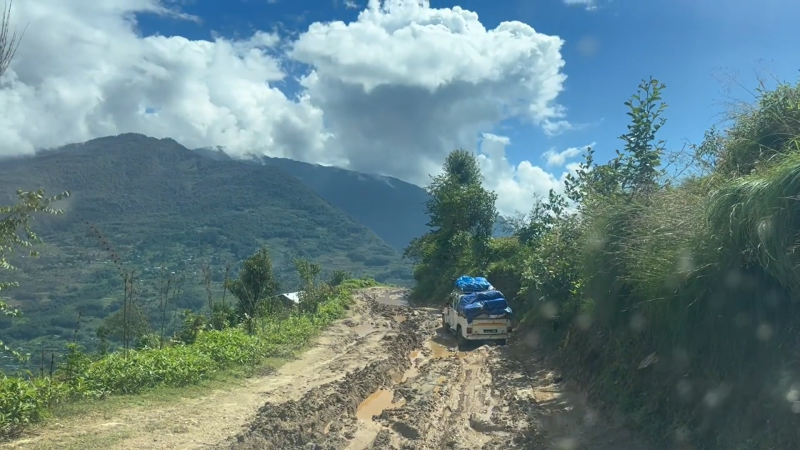
The drive begins on smooth, paved roads from Kathmandu to Salleri and Phaplu, offering a comfortable and relaxing start. Beyond Phaplu, the route turns into a rugged off-road adventure, with narrow mountain tracks, cliffside roads, and dramatic river valley views as you approach Surke. Although bumpy at times, this section delivers breathtaking scenery, alpine forests, and an authentic Himalayan travel experience.

This overland journey not only avoids flight delays but also adds excitement, natural beauty, and cultural immersion—making it the perfect start to an unforgettable Everest Base Camp trek by road.

Benefits of choosing the Everest trek without a Lukla flight:

  • Cost Savings: Skip the expensive Lukla flight and save money for other parts of the trip.
  • Adventure-Filled Journey: Enjoy a thrilling 15-hour jeep ride through Nepal’s rugged landscapes and picturesque villages.
  • No Flight Delays: Avoid the uncertainty of weather-related flight cancellations, ensuring a more reliable schedule.
  • Better Acclimatization: The gradual ascent by jeep allows for a smoother acclimatization process before reaching higher altitudes.
  • Closer Cultural Connection: Experience the local culture by passing through remote villages and interacting with locals along the way.
  • Less Crowded: The jeep ride offers a quieter, less crowded alternative to the popular Lukla flight route.
  • Physical Warm-Up: The bumpy ride can serve as a good physical warm-up for the trek ahead.

OutlineOutline Itinerary

Day 1: Drive from Kathmandu to Salleri

Day 2: Drive from Salleri to Surke and Trek to Phakding

Day 3: Trek from Phakding to Namche Bazaar

Day 4: Acclimatization Day in Namche Bazaar

Day 5: Trek from Namche Bazaar to

Day 6: Trek from Tengboche to Dingboche

Day 7: Acclimatization Day in Dingboche

Day 8: Trek from Dingboche to Lobuche

Day 9: Trek from Lobuche to Gorakshep and Everest Base Camp

Day 10: Hike to Kala Patthar and Trek to Pheriche or Pangboche

Day 11: Trek from Pangboche to Namche Bazaar

Day 12: Trek from Namche Bazaar to Surke

Day 13: Jeep Drive from Surke to Salleri

Day 14: Jeep Drive from Salleri to Kathmandu

Whats Included?

You Will Get:

  • Private jeep transfer from Kathmandu to the trek starting point and back (6–7 pax).
  • Accommodation in teahouses/lodges along the trek.
  • All meals (breakfast, lunch, and dinner) during the trek.
  • Professional trekking guide with all expenses covered (salary, food, and lodging).
  • Pasaglamu Village Municipality entry fees.
  • Sagarmatha National Park trekking permits.
  • Agency duffel bag (if needed).
  • Basic first aid kit for the group.
  • Farewell dinner in Kathmandu at a local restaurant.
  • Trip completion certificate.

  • International flights to and from Nepal.
  • Nepal entry visa and other personal entry fees.
  • Personal expenses (snacks, drinks, souvenirs).
  • Travel and health insurance.
  • Personal trekking gear (boots, clothing, etc.).
  • Tips and gratuities for Guides, Porters, and Drivers.
  • Optional activities (e.g., helicopter return, extra sightseeing).
  • Additional private transport or upgrades.

Dates and Availability Departures

All our published dates are guaranteed departures. We also provide customized departures tailored to your travel plans.

There are no group joining dates available at the moment. Please contact us for a private trip.

Travellers Reviews

5 - Excellent

Genaral Trip InfoInfos

EBC Trek by Road (Skipping Lukla Flight)

The Everest Base Camp (EBC) trek by road skips the risky Lukla flight. You start by driving from Kathmandu through hills, forests, and small villages, gradually gaining altitude. The road usually ends at Salleri, Phaplu, or Jiri, where the trekking trail begins. From there, you hike through Sherpa villages like Namche Bazaar, Tengboche, and Dingboche, enjoying mountain views, monasteries, and local culture. The trek slowly acclimatizes you, reducing the risk of altitude sickness. It takes about 16–20 days round-trip, longer than flying to Lukla, but it is safer, scenic, and cost-effective.

Route and Transportation Details

From Kathmandu to Salleri, it’s a long overland journey of about 400 km, usually taking 18–24 hours by 4×4 jeep. The roads are rough, winding through hills, rivers, and small towns.

From Salleri to Surke, you continue on off-road tracks for about 4–5 hours. The route is rugged, with dirt roads, mud, and occasional river crossings, offering scenic views of terraced fields and villages.

From Surke, the trek starts directly into the Everest region, following forested trails and hill paths.

Benefits of Skipping Lukla Flight

  • Avoid the risk and delays of Lukla’s challenging airport and flights.
  • Experience Nepal’s rural culture and landscape on the road.
  • Lower overall cost compared to the Lukla flight.
  • More environmentally friendly travel option.

Why choose the road route instead of a Lukla flight:

  • Safer: The road route avoids the risks of Lukla’s short runway and unpredictable weather.
  • Cheaper: Road travel is far more budget-friendly than expensive flights.
  • Better acclimatization: Gradually ascending helps prevent altitude sickness.
  • Scenic & cultural experience: You’ll see Himalayan landscapes, terraced fields, and local villages along the way.
  • More flexible: Roads are less affected by weather, so your schedule is more predictable.
  • Adventure factor: Walking or driving through the hills makes the journey more rewarding.
  • Avoid flight delays: Lukla flights are often canceled due to poor weather.

Road Route from Kathmandu to Lukla:

1. Kathmandu to Salleri

  • Distance: ~450 km by road (depending on the route).
  • Road condition: Mostly paved and in good condition, smooth drive for cars or jeeps.
  • Travel experience: Scenic hills, rivers, and local villages along the way. Comfortable and relatively easy driving.

2. Salleri to Surke

  • Distance: ~4–5 hours drive.
  • Road condition: Mostly off-road, narrow, and bumpy mountain tracks. Potholes and rough terrain make this section slower and more challenging.
  • Travel experience: Very scenic with Himalayan views, but requires careful driving. Adventurous section of the journey.

3. Surke onwards (Start of Trek to Lukla)

  • Vehicles generally stop here.
  • Trek begins at a lower altitude (~1,900 m), which helps with gradual acclimatization.
  • Trekking through local villages and forests toward Lukla (~2,860 m).

Accommodation and Facilities Along the Road Route

Describe accommodation options during the road journey and the trek. Mention guesthouses, tea houses, and lodges in towns like SalleriPhaplu, and smaller villages en route to Lukla and beyond. Note the quality and availability of food, water, and basic amenities.

Altitude and Acclimatization

Discuss altitude profile starting from Kathmandu (1,400m), road travel to Salleri (~2,300m) or Phaplu (~2,200m), then trekking up to Lukla (2,860m) and higher. Explain the importance of acclimatization days at places like Namche BazaarDingboche, or Pheriche to avoid altitude sickness.

Permits Required for EBC Trek by Road from Salleri

  1. Pasang Lhamu Rural Municipality Permit
    This permit is issued by the local government authority of the Pasang Lhamu Rural Municipality, which covers parts of the Solukhumbu region, including the trail areas around Salleri. It is mandatory for trekkers passing through this municipality. The permit helps support local administration and conservation efforts. You must carry this permit during your trek as it will be checked at various checkpoints along the route.

  2. Sagarmatha National Park Permit
    This is required to enter the protected Sagarmatha National Park, home to Mount Everest and other iconic Himalayan peaks. The park authority issues this permit to regulate tourism and protect the fragile environment. It is essential for all trekkers in the Everest region, including those starting from Salleri. The permit is checked at park entry points and checkpoints during your trek.

What to Pack and Prepare

  • Comfortable clothing for both road travel and trekking
  • Warm clothes and waterproofs for higher altitudes
  • Good hiking boots
  • Water purification methods
  • Sunscreen and sunglasses
  • Trekking poles
  • First aid and altitude sickness medication

Best Time to Do the EBC Trek by Road

Explain the best seasons to do this trip, usually autumn (Sept-Nov) and spring (March-May), due to better weather and views. Mention that the road conditions can be difficult in monsoon (June-August), and winter (Dec-Feb) can be cold and snowy.

Safety Tips and Emergency Support

Discuss safety aspects: road safety during the long drive, altitude sickness awareness, the importance of hiring experienced guides and porters, and how to manage emergencies. Mention helicopter evacuation possibilities and emergency contacts.

Detailed ItineraryItinerary

Experience the EBC Trek Without Lukla Flight FAQs

The EBC trek by road is a combination of jeep travel and trekking. You drive from Kathmandu to a starting point, such as Salleri, and then trek to Everest Base Camp, returning by jeep.

The trek usually takes between 12 and 16 days, depending on the route and pace of the trek.

The best times are October-November and March-April, when the weather is clear and temperatures are moderate for trekking.

Yes, it is generally safe, though the roads can be rough and bumpy. You’ll be traveling with an experienced driver, and the trek itself is well-established.

You should pack light, comfortable trekking clothes, a sleeping bag, a down jacket, trekking poles, and personal hygiene items. You can also rent or buy trekking gear in Kathmandu.

The EBC trek is of moderate difficulty, with some steep sections, but most of the trekking is gradual. A reasonable level of fitness is required.

Yes, altitude sickness can occur, especially above 3,000 meters. Make sure to take acclimatization days and drink plenty of water to prevent it.

Yes, most trekking packages include meals during the trek. These are typically served in teahouses or lodges along the trail.

Yes, you will be provided with a professional guide to lead you through the trek and a porter to carry your luggage.

Yes, it is recommended to have travel insurance that covers trekking at high altitudes, including emergency evacuation.