

16 Feb 2026 13 min to read
Choosing between different Everest Base Camp routes can shape your entire Himalayan experience. While all trails lead to Everest Base Camp (5,364m), each route offers a unique balance of scenery, difficulty, crowd levels, and acclimatization.
This detailed 2026 guide compares every major Everest trekking route so you can confidently select the best option for your fitness, timeframe, and trekking goals.
| Route | Duration | Max Elevation | Difficulty | Crowd Level | Best For |
|---|---|---|---|---|---|
| Classic via Lukla | 12–14 days | 5,545m | Moderate | High | First-time trekkers |
| Gokyo + Cho La Pass | 15–17 days | 5,420m | Challenging | Medium | Scenic adventure |
| Gokyo + Renjo La | 15–17 days | 5,360m | Moderate–Challenging | Low | Quiet trails |
| Three High Passes | 18–22 days | 5,535m | Very Challenging | Low | Experienced hikers |

The Classic Everest Base Camp route via Lukla is not just a trekking trail — it is the historic gateway to the world’s highest mountain. For decades, climbers and trekkers have followed this same path through the Khumbu Valley, creating a route that is both culturally rich and logistically reliable. From the moment your aircraft touches down on Lukla’s dramatic mountainside runway, the adventure begins with a sense of entering legendary Himalayan terrain.
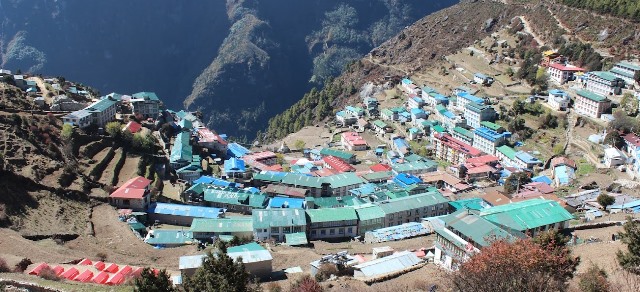
The trail traces the Dudh Koshi River, weaving across high suspension bridges and passing through Sherpa villages where prayer wheels spin and stone mani walls line the path. In Namche Bazaar — the vibrant heart of the region — trekkers pause to acclimatize while surrounded by towering peaks. As elevation increases, the landscape transforms from forested hills to stark alpine wilderness, with constant views of Mount Everest and its neighboring giants.
What makes this route the most popular Everest Base Camp option is its balance. The ascent profile is gradual, the infrastructure is well-developed, and the rhythm of trekking days is designed to reduce altitude risk while maximizing scenery. For first-time Himalayan trekkers, the classic Lukla route delivers the full Everest experience — iconic views, cultural depth, and a clear, structured path to Everest Base Camp.
The most popular Everest Base Camp trek route begins with a flight to Lukla and follows the Khumbu Valley through Namche Bazaar before reaching base camp.
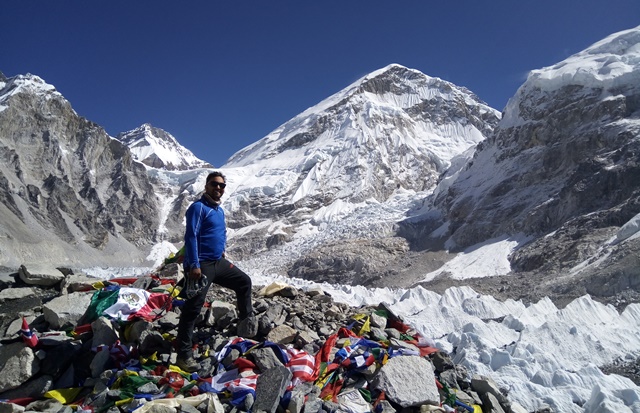
Trekkers also climb Kala Patthar (5,545m) for panoramic sunrise views of Mount Everest.
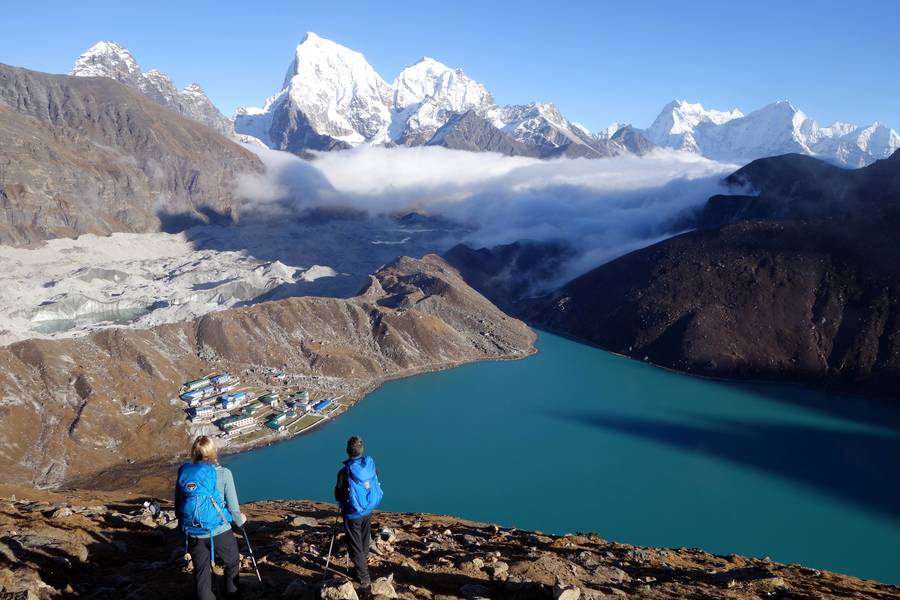
The Everest Base Camp via Gokyo Lakes & Cho La Pass trek is one of the most spectacular and adventurous routes in the Everest region of Nepal. Unlike the standard Everest Base Camp trail, this route combines the classic journey to Everest Base Camp with the serene beauty of the turquoise Gokyo Lakes and the thrilling high-altitude crossing of Cho La Pass.
This trek offers an extraordinary blend of dramatic Himalayan landscapes, remote valleys, glacial moraines, and panoramic mountain views. Trekkers are rewarded with breathtaking vistas of some of the world’s highest peaks, including Mount Everest, Lhotse, Makalu, and Cho Oyu.
Beginning with a scenic flight to Lukla, the journey follows the Dudh Koshi River through traditional Sherpa villages such as Namche Bazaar before diverging toward the tranquil Gokyo Valley. A climb up Gokyo Ri provides one of the finest panoramic viewpoints in the Himalayas. The adventure intensifies with the crossing of Cho La Pass (5,420 m), a challenging yet rewarding high-altitude traverse that connects the Gokyo Valley to the main Everest Base Camp trail.
This route is ideal for trekkers seeking a more diverse and less crowded alternative to the 12 days classic Everest Base Camp trek. Combining natural beauty, cultural immersion, and alpine adventure, the Everest Base Camp via Gokyo Lakes & Cho La Pass trek delivers a complete Himalayan experience—both visually stunning and physically rewarding.
This scenic alternative diverts into the Gokyo Valley before crossing Cho La Pass (5,420m).
Trekkers explore the turquoise Gokyo Lakes and climb Gokyo Ri for expansive Himalayan views.
Challenging. Snow and ice can make Cho La demanding in early spring or late autumn.
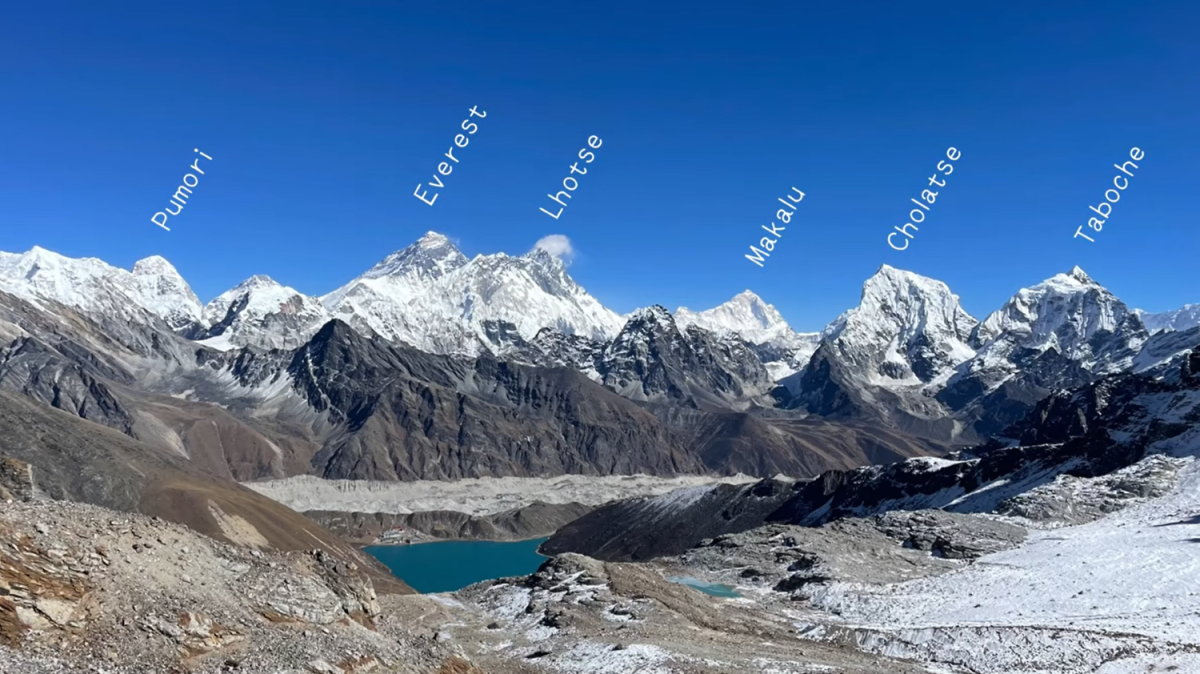
The Everest Base Camp via Gokyo and Renjo La Pass trek is a beautiful and less crowded alternative to the classic Everest Base Camp route. It takes you through the stunning Gokyo Valley, known for its bright turquoise lakes and peaceful mountain scenery. This route offers a quieter and more scenic journey in the Everest region.
One of the highlights is crossing Renjo La Pass (5,360 m), where trekkers enjoy breathtaking panoramic views of Mount Everest and surrounding peaks. Along the way, you will also see the massive Ngozumpa Glacier, the largest glacier in Nepal. The combination of high mountain passes, glaciers, and lakes makes this trek both adventurous and rewarding.
This route eventually connects to the main trail leading to Everest Base Camp, allowing trekkers to experience the best of both worlds — the calm beauty of Gokyo and the iconic destination of Everest Base Camp (EBC). It is ideal for those seeking a more challenging and scenic Himalayan adventure.
This quieter Everest trekking route crosses Renjo La Pass (5,360m) and passes traditional Sherpa settlements like Thame.
From the summit, trekkers see Makalu, Everest, and Lhotse in one sweeping panorama.

If you are an adventurous soul looking to take your Everest Base Camp experience to the next level, the Everest Three High Passes Trek is the perfect choice for you. This trek is not just a journey to the iconic Everest Base Camp—it’s a thrilling adventure that challenges you to conquer three of the most spectacular high passes in the region: Kongma La Pass, Chola Pass, and Renjo La Pass.
Traversing these majestic passes, you’ll witness awe-inspiring panoramic views of the world’s tallest peaks, including towering Himalayan giants, glacial valleys, and pristine alpine landscapes. Along the way, you’ll explore traditional Sherpa villages, Buddhist monasteries, and experience the rich culture and warm hospitality of the Khumbu region.
This trek is ideal for experienced trekkers seeking a combination of adventure, breathtaking scenery, and the ultimate Everest trekking challenge. Every step you take on this route promises an unforgettable journey, pushing your limits while rewarding you with some of the most spectacular vistas on Earth.
Are you ready to take the ultimate Everest adventure? The Everest Three High Passes Trek awaits!
Kongma La Pass, standing at an elevation of 5,535 meters (18,159 ft), is the first major challenge on the Everest Three High Passes Trek. This pass offers trekkers a thrilling adventure with panoramic views of towering peaks like Ama Dablam and the vast glacial valleys of the Khumbu region. Crossing Kongma La is not just about reaching a high point—it’s about experiencing the raw beauty of the Himalayas, trekking through rugged terrains, icefalls, and alpine landscapes. It’s a perfect blend of adventure and awe-inspiring scenery that sets the tone for the journey ahead.
Cho La Pass, at 5,420 meters (17,782 ft), is renowned for its challenging icy slopes and breathtaking vistas. This pass connects the villages of Gokyo and Dzongla, offering trekkers stunning views of glaciers, turquoise lakes, and the towering peaks of the Everest region. Crossing Cho La requires determination and careful trekking, rewarding adventurers with unforgettable Himalayan panoramas. The sense of accomplishment after conquering this pass is immense, making it a favorite highlight for those seeking both physical challenge and some of the most dramatic natural scenery the Khumbu region has to offer.
Renjo La Pass, rising to 5,360 meters (17,585 ft), is the final high pass on this epic trek. From its summit, trekkers are rewarded with panoramic views of Everest, Makalu, and Cho Oyu, along with the stunning Gokyo Valley and glacier lakes below. The trail up Renjo La winds through rugged terrain, high ridges, and pristine alpine landscapes, offering a serene yet exhilarating experience. Crossing this pass is a triumph for adventurers, combining the thrill of high-altitude trekking with the unmatched beauty of the Himalayas, marking the perfect finale to the Three High Passes journey.
It is the most complete Everest circuit available.
The trekking seasons for the Everest Base Camp (EBC) routes are strongly influenced by Himalayan weather patterns, with distinct advantages and challenges in each period.
Spring (March–May):
Spring is widely regarded as the prime trekking season for Everest Base Camp. During these months, stable weather and predominantly clear skies offer excellent visibility of the high peaks, including Mount Everest itself. Daytime temperatures warm gradually as the season progresses, and rhododendron forests along the trail come into bloom, adding scenic color to the landscape. The trails are busiest in this period, reflecting their popularity among international trekkers and guided expedition groups.
Autumn (September–November):
Autumn represents an equally favorable window for EBC trekking. After the summer monsoon, the atmosphere tends to clear, delivering crisp mountain views and dry conditions that are ideal for hiking and photography. Daytime temperatures are moderate, and the risk of afternoon storms is low. For many guides and climbers, autumn parallels spring in terms of overall desirability, with well-established trail infrastructure and logistics.
Shoulder Season (Pre- and Post‑Peak Windows):
The so‑called shoulder seasons—late winter to early spring and late autumn transitioning into winter—see lower foot traffic and can appeal to trekkers seeking quieter routes. However, the weather at high passes (such as Cho La or Lobuche) becomes more unpredictable, with increased likelihood of snow, high winds, and rapidly changing conditions. Acclimatization and safety planning are particularly important during these months.
Search interest data for terms such as “best time for Everest Base Camp trek” typically shows peaks in January and August, corresponding to periods when potential trekkers are planning major trips for the spring and autumn seasons.
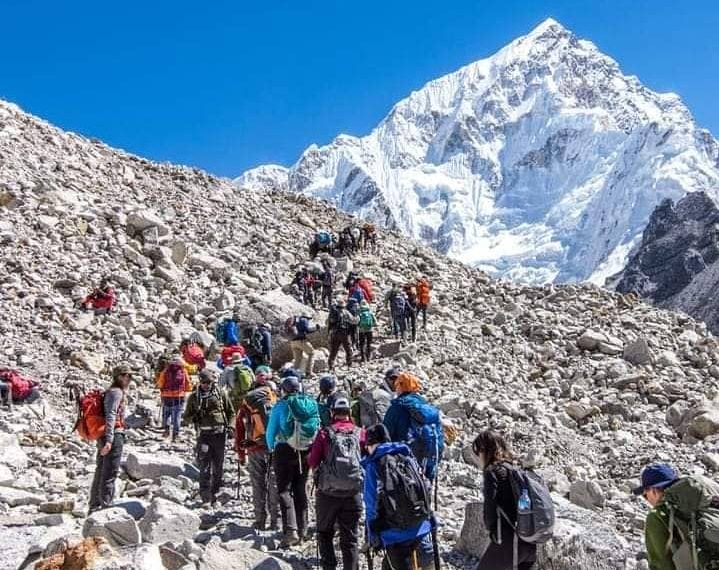
Selecting an Everest Base Camp route depends on your experience, desired scenery, and tolerance for physical challenge. There is no universally “best” path — the ideal route is the one that aligns with your ability, available time, and personal expectations.
1. Best for Beginners – Classic Lukla Route
This is the most popular EBC trek, starting from Lukla. It offers well-established trails, comfortable teahouse accommodations, and gradual acclimatization, making it ideal for first-time trekkers.
2. Best for Scenic Variety – Gokyo Lakes with Cho La Pass
For trekkers seeking dramatic landscapes, this route includes the serene Gokyo Lakes, the Cho La Pass, and panoramic views of Everest and surrounding peaks. It provides a visually diverse experience, though it demands moderate trekking skills.
3. Best for Quiet Trails – Renjo La Variation
The Renjo La route is less frequented by tourists, providing a more tranquil experience. It passes through remote villages and offers stunning viewpoints while avoiding the crowds typical of the classic Lukla route.
4. Most Challenging – Three High Passes Circuit
Designed for experienced trekkers, this circuit crosses the three high passes: Kongma La, Cho La, and Renjo La. It is physically demanding and requires strong acclimatization, but it is rewarded with unparalleled views and a comprehensive Everest region experience.
Each route offers unique advantages. Beginners will benefit from the classic Lukla trek, adventure seekers may prefer Gokyo Lakes or the Three High Passes, while those seeking solitude should consider Renjo La. Your choice should reflect your fitness level, trekking experience, and the type of experience you wish to have in the Everest region.
Answer:
The main routes are:
The Classic Everest Base Camp (EBC) Trek is the most popular route to see Mount Everest and the surrounding Himalayas. It usually starts with a flight from Kathmandu to Lukla (2,860 m) and follows the trail through Phakding, Namche Bazaar, Tengboche, Dingboche, Lobuche, and Gorakshep, before reaching Everest Base Camp (5,364 m).
Many trekkers also climb Kala Patthar (5,545 m) for a stunning sunrise view of Everest. The trek generally takes 12–15 days round-trip, depending on acclimatization and pace. Along the way, trekkers pass through Sherpa villages, Buddhist monasteries, and Sagarmatha National Park, experiencing both natural beauty and local culture.
The Gokyo Lakes & Cho La Pass trek is a spectacular high-altitude adventure in Nepal’s Everest region. Less crowded than the classic Everest Base Camp route, it offers stunning turquoise glacial lakes, rugged mountains, and Sherpa villages.
Highlights include:
Duration: ~12–15 days.
Difficulty: Moderate to strenuous – proper acclimatization is essential.
This trek is perfect for those seeking breathtaking scenery, adventure, and fewer crowds in the Everest region.
This is a challenging trek that crosses Renjo La, Cho La, and Kongma La passes. It connects Gokyo Valle with the classic route and takes about 20–22 days. It is for experienced trekkers.
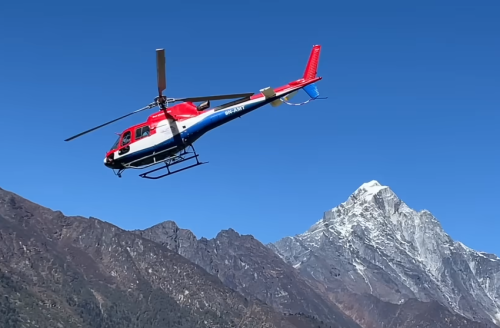
Yes. Helicopters can take you to or from parts of the trek or directly to Base Camp. This saves walking time and is good for people with limited time or for a luxury experience.
Standard treks: 12–18 days
Longer treks (Jiri/Three Passes): 20+ days
Longer routes include more time for acclimatization and side trips.
The Classic EBC Trek (Lukla route) is best for first-timers. It has well-marked trails, teahouses, and balanced altitude changes, usually taking 15–18 days.
The best times are:
There is a moment on every Everest trek when your legs have an opinion. For most people, it arrives
Continue Reading
If you are asking how difficult the Everest Three Passes Trek is, the honest answer is this: it is t
Continue Reading
My name is Peng Chang, and I travelled to Nepal from Malaysia with a small group of friends. Before
Continue Reading
In this story Why I Chose Everest Base Camp My name is Chyling, and I come from Malaysia, a country
Continue Reading
Ask anyone who has finished the Annapurna Circuit which day they remember most, and the answer is al
Continue Reading
Introduction Kathmandu doesn’t ease you in. You step out of the airport into a chorus of horns
Continue Reading