Trekking in Nepal: The Ultimate Guide by Local Trekking Experts
July 13, 2025
Nepal is a land of towering peaks, peaceful trails, and warm hospitality. It is home to the world’s highest mountains, including Mount Everest and Annapurna, making it one of the best trekking destinations on earth. From popular routes like the Everest Base Camp and Annapurna Circuit to hidden gems such as the Manaslu and Langtang regions, trekking in Nepal offers something for everyone.
This ultimate guide is created by local trekking experts who have spent years walking these trails. It provides you with all the essential information—when to go, what to pack, permits needed, and how to choose the right trek. It also highlights the cultural experience of staying in mountain villages, meeting local people, and enjoying breathtaking mountain views.
Hiring a trusted local guide or travel agency ensures safety, better understanding of the region, and a more meaningful adventure. Whether you are a beginner or an experienced trekker, Nepal welcomes you with its natural beauty and rich culture.
Let this guide help you plan a safe, rewarding, and unforgettable trekking journey in the heart of the Himalayas.
Why Trekking in Nepal is Special
Nepal is a mountain lover’s dream. The country is filled with snow-capped peaks, deep valleys, alpine forests, glaciers, and peaceful villages. There are over 240 mountains above 6,000 meters, and dozens of trekking trails that offer unforgettable views.
Trekking in Nepal also gives you the chance to meet local people, taste traditional food, and see ancient monasteries and temples. From short, easy hikes to long, high-altitude treks, Nepal has something for every kind of traveler.
Top Trekking Regions in Nepal
Below are the main trekking regions in Nepal, described in simple words with the help of Safe Holiday Adventure.
1. Annapurna Region
Beautiful sunrise over Annaapurna South Mountain and Hiuchuli at Annapurna Base Camp
The Annapurna region is one of the most popular trekking areas in Nepal, offering stunning mountain views, diverse landscapes, and rich local culture. Located in central Nepal, it is home to famous peaks like Annapurna I (8,091m), Dhaulagiri (8,167m), and the beautiful Machapuchare (Fishtail). Trekkers can enjoy green hills, rice terraces, rhododendron forests, deep river valleys, and high mountain passes—all in one journey.
There are many trekking options in the Annapurna region, suitable for all types of trekkers. The Annapurna Circuit Trek is a classic adventure that circles the Annapurna range and crosses the high Thorong La Pass. The Annapurna Base Camp Trek takes you to the heart of the Himalayas, where tall snow-covered peaks surround you. The Ghorepani Poon Hill Trek is a short and easy route with amazing sunrise views. For those who want something peaceful and off the main trail, the Mardi Himal Trek is a great option. The Jomsom Muktinath Trek shows you the dry landscapes of Lower Mustang and leads to the holy temple of Muktinath.
The region is well-managed with teahouses and local lodges, making it comfortable and safe. Treks here can be done year-round, especially in spring and autumn.
Famous Treks in the Annapurna Region:
Annapurna Circuit Trek
The Annapurna Circuit Trek is one of the most famous trekking routes in Nepal. It goes around the Annapurna mountain range and offers different views every day. You will walk through green hills, deep valleys, waterfalls, and snowy mountains. The highest point of the trek is Thorong La Pass (5,416m), which is challenging but very rewarding. Along the way, you will see Buddhist villages, ancient temples, and beautiful apple gardens. This trek usually takes 10 to 18 days, depending on how much you want to walk each day. It is a great choice for adventure lovers.
Annapurna Base Camp Trek
The Annapurna Base Camp (ABC) Trek is a shorter and easier trek compared to the circuit. It takes you right into the heart of the Annapurna mountains. You will walk through forests of rhododendron, bamboo, and beautiful villages like Chhomrong and Sinuwa. After a few days, you will reach Annapurna Base Camp (4,130m), where you’ll be surrounded by tall peaks like Annapurna I, Machapuchare (Fishtail), and Hiunchuli. It is one of the best places to see the sunrise and sunset in the mountains. This trek usually takes 6 to 9 days and is good for both beginners and experienced trekkers.
Start of the Winter Trek at Annapurna Base Camp.
Ghorepani Poon Hill Trek
The Ghorepani Poon Hill Trek is a short and easy trek near Pokhara. It is perfect for families or first-time trekkers. The main highlight is Poon Hill (3,210m), a famous viewpoint where you can see sunrise over mountains like Annapurna, Dhaulagiri, and Machapuchare. You will walk through colorful villages, green forests, and stone-paved paths. The local Gurung and Magar people are very friendly and welcoming. This trek can be completed in 3 to 5 days and gives a great taste of Nepal’s mountain life without going too high.
Stunning sunset view of Annapurna South and Fang
Jomsom Muktinath Trek
The Jomsom Muktinath Trek takes you to the Mustang region, which is dry and different from other green trekking areas. The trek is not too hard and can be done in 5 to 7 days. You will pass through the Kali Gandaki valley, the deepest gorge in the world, and visit the holy temple of Muktinath, a sacred place for both Hindus and Buddhists. The town of Jomsom is windy but beautiful, and you can either trek or take a short flight from Pokhara. This trek is great if you want to see a mix of mountains and culture with less walking.
Mardi Himal Trek
The Mardi Himal Trek is a hidden gem near the Annapurna region. It is a quiet and peaceful trail that takes you close to Mount Fishtail (Machapuchare). You walk through dense forests, high ridges, and small tea houses. The view from Mardi Himal High Camp (around 3,600m) is stunning, especially during sunrise. You will see Annapurna South, Hiunchuli, and Fishtail mountains very closely. This trek takes about 4 to 6 days and is good for people who want a short but beautiful adventure without many crowds.
magical Fishtail mountain view from Mrdi Himal View Point
Home of Mount Everest (8,848 meters), this area is famous around the world. You can reach the starting point of the trek by a short flight from Kathmandu to Lukla.
Famous Treks:
Everest Base Camp Trek
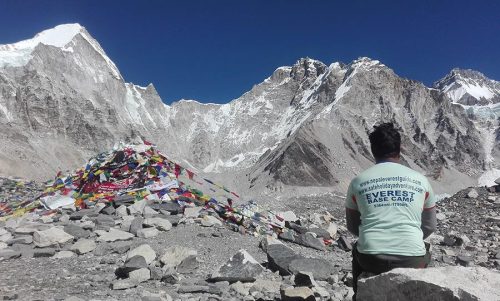
The Everest Base Camp Trek is one of the most famous treks in the world. It takes you close to Mount Everest, the tallest mountain on Earth. You will walk through Sherpa villages, beautiful forests, and mountain trails. Along the way, you can visit the famous town of Namche Bazaar and see amazing views of Everest and other tall peaks. The trek usually takes about 12 to 14 days. At the end, you reach Everest Base Camp, where climbers start their journey to the top. It is a great adventure for those who love mountains and culture.
Gokyo Valley Trek
The Gokyo Valley Trek is a beautiful trail in the Everest region. Instead of going to Everest Base Camp, this trek leads to the Gokyo Lakes, which are clear and blue. You will see many mountains, glaciers, and peaceful villages. One highlight is climbing Gokyo Ri, a small mountain with amazing views of Everest and the surrounding peaks. The trek is quieter and less crowded than the Base Camp route. It usually takes about 10 to 12 days and is perfect for nature lovers.
Everest Three High Passes Trek
This trek is for experienced trekkers. It crosses three high mountain passes over 5,000 meters: Kongma La, Cho La, and Renjo La. You will see stunning mountain views, glaciers, and remote villages. The trail connects Everest Base Camp and Gokyo Valley, giving you the chance to explore both areas. This trek takes about 18 to 20 days and is challenging but very rewarding.
Top of Kongmala Pass
Island Peak Climbing
Island Peak is a small mountain near Everest, about 6,189 meters high. It is a popular climbing peak for beginners who want to try mountain climbing. The climb requires training and the assistance of guides and sherpas. Before climbing, you trek through beautiful valleys and villages like Chhukung. Reaching the top gives you great views of Everest and the Himalayan range. The whole trip usually takes 15 to 18 days.
Everest Base Camp
Mera Peak Climbing
The Mera Peak is the highest trekking peak in Nepal at 6,476 meters. It is a bit harder than Island Peak, but still suitable for beginners with good fitness. You will trek through forests, high valleys, and remote villages before the climb. The summit offers amazing views of five of the world’s highest mountains, including Everest, Lhotse, and Makalu. This climb usually takes 17 to 20 days and is a great way to experience Himalayan climbing safely.
Wonderful Mera Peak Climbing trip in Nepal
Why Trek Here:
See Mount Everest, the tallest mountain in the world
Experience Sherpa culture and visit a Buddhist monastery
Enjoy amazing views of snow-covered mountains and glaciers
Stay in mountain villages like Namche Bazaar and Tengboche
Many trek options like Everest Base Camp, Gokyo, and the Three Passes
Walk through Sagarmatha National Park, a UNESCO World Heritage Site
Great photo spots with sunrise, prayer flags, and mountain views
Good trails with teahouses for food, rest, and comfort
An optional helicopter return or mountain flight for a scenic view
Meet friendly locals and trekkers from around the world
Rich nature – forests, rivers, lakes, and rare animals like musk deer
Visit sacred places like Tengboche Monastery and Pangboche
Safe Holiday Adventure provides guided treks and climbing trips with expert local guides. Check Everest region treks
3. Langtang Region
Langtang Gosaikunda Trek at Phedi
Langtang Region is a beautiful trekking area located north of Kathmandu, near the border of Tibet. It is less crowded than the Everest and Annapurna regions, making it a peaceful place to enjoy nature, mountains, and the Tamang culture.
The main trekking route is the Langtang Valley Trek, which takes you through green forests, small villages, rivers, and open valleys surrounded by snowy peaks. You can see beautiful views of Langtang Lirung (7,227m) and other Himalayan mountains.
This region is also known for its Tamang people, who are kind and friendly. You can learn about their culture, traditional houses, and Buddhist lifestyle. The area was affected by the 2015 earthquake, but it has been rebuilt, and trekking is safe again.
Popular treks in this region:
Langtang Valley Trek (7–10 days)
The Langtang Valley Trek is a short and beautiful trek that takes you close to the Himalayas without going too high. It starts from Syabrubesi and follows the Langtang River through forests, villages, and mountain valleys. You’ll visit Langtang village and Kyanjin Gompa, where you can enjoy great views of Langtang Lirung and other snow peaks. Many trekkers also hike up to Kyanjin Ri for a stunning sunrise. This trek offers a mix of Tamang culture, glaciers, and peaceful mountain nature, all within 7 to 10 days.
A crystal clear river in the Langtang trek
Gosaikunda Lake Trek (a holy lake at 4,380m)
The Gosaikunda Lake Trek is a short spiritual journey to the sacred Gosaikunda Lake, located at 4,380 meters. This trek is famous among Hindu and Buddhist pilgrims. You’ll walk through rhododendron forests, small villages, and reach high alpine landscapes. The holy lake is surrounded by mountains and has a calm and magical feeling. The best views come after crossing the Lauribina Pass (4,610m). It is a great choice for people looking for both natural beauty and spiritual peace.
Gosaikunda Holy Lake in the Langtang Region of Nepal
Helambu Trek
The Helambu Trek is an easy and low-altitude trek close to Kathmandu. It takes you through beautiful villages, green hills, and dense forests. You’ll experience rich Hyolmo and Tamang culture along the way. The trek passes through places like Sundarijal, Chisapani, Tharepati, and Sermathang. Although not as high as other treks, the Helambu Trek still offers great mountain views and peaceful nature. It’s perfect for beginners or those with less time.
Stupas on the Trail in Langtang Gosaikunda Trekking
Langtang–Gosaikunda–Helambu Circuit Trek
This circuit trek combines all three major routes—Langtang Valley, Gosaikunda Lake, and Helambu—into one grand adventure. It takes around 15 to 18 days and offers a full experience of the Langtang region. You’ll explore glacier valleys, holy lakes, forests, and traditional villages. Starting from Syabrubesi, you trek to Langtang Valley, return to Thulo Syabru, and continue to Gosaikunda and Helambu. The Lauribina Pass connects the lake to the Helambu side. This trek offers variety in both landscapes and cultures.
Ganjala Pass Trek (Langtang Region)
The Ganjala Pass Trekis one of the most challenging treks in the Langtang region. It crosses the high and remote Ganja La Pass at about 5,122 meters. You start by following the Langtang Valley trail, then go beyond Kyanjin Gompa to the snowy pass. The trail is steep and requires good fitness and sometimes rope support. After crossing the pass, the route descends into the Helambu area. This trek is best for adventure seekers who want to explore untouched trails with high mountain passes and remote nature.
The best time to trek in Langtang is spring (March–May) and autumn (September–November) when the weather is clear and the mountain views are stunning.
Trekking in the Langtang region offers natural beauty, cultural experiences, and a peaceful trail—all close to Kathmandu.
The Manaslu Region Trek is a peaceful and less-crowded trekking route in Nepal. It takes you around Mount Manaslu (8,163m), the 8th highest mountain in the world.
The trek usually begins from Machha Khola and ends at Dharapani, joining the Annapurna Circuit. It takes about 12 to 18 days to complete, depending on your pace and itinerary.
Along the way, you will walk through beautiful forests, cross long suspension bridges, and pass many small villages. These villages are home to Gurung, Tibetan, and Nubri people, who live a very simple and traditional life.
The main challenge and highlight of this trek is Larke La Pass (5,160m). From the top, you can see amazing views of Manaslu, Himlung, Cheo Himal, and other snow-covered peaks.
This area is a restricted region, so you need a special permit, a registered guide, and at least two trekkers in a group.
The Manaslu trek offers a perfect mix of adventure, mountain views, and cultural experience. It is a great choice for trekkers who want a quiet and off-the-beaten-path journey in Nepal.
Famous Trek in Manaslu Region:
Manaslu Circuit Trek
The Manaslu Circuit Trekis the most popular in the Manaslu region. It takes you around Mount Manaslu (8,163m) and offers amazing views, peaceful villages, and rich culture. The trek usually takes about 14 to 18 days. You walk through rivers, forests, and high mountain trails. The biggest adventure is crossing the Larke La Pass (5,160m), which gives a great view of the Himalayas. This trek is less crowded than Everest or Annapurna and perfect for trekkers looking for a quiet and beautiful journey.
Snow-covered hill near the Larke Pass
Tsum Valley Trek in Manaslu
The Tsum Valley Trek is a peaceful cultural trek inside the Manaslu region. This valley is known as the “Hidden Valley” and is full of Tibetan Buddhist culture. You’ll see old monasteries, mani walls, and kind local people. It takes about 14 to 20 days, depending on the route. The valley is surrounded by mountains and is less developed, so you feel like stepping back in time. This trek is great for those who want a spiritual and cultural experience in a quiet place.
Stone made Mani wall along the Way to Chhekampar
Manaslu Larke Pass Short Trek
The Manaslu Larke Pass Short Trek is a faster version of the Manaslu Circuit Trek. It is designed for trekkers with less time but good fitness. This trek usually takes 10 to 12 days. It covers the main highlights like Samagaon, Manaslu Base Camp (optional), and Larke La Pass. You get to enjoy mountain views, local culture, and adventure in a shorter time. It’s a great option if you want a budget-friendly and faster trek in the Manaslu region.
Why Trek in the Manaslu Region:
Quiet and less crowded trails
Stunning views of Mt. Manaslu (8,163m)
Walk through beautiful forests and rivers
Cross the high Larkya La Pass (5,160m)
Explore peaceful villages with Tibetan culture
Visit ancient monasteries and mani walls
Experience local life in remote mountain areas
Chance to visit the hidden Tsum Valley
Great mix of nature, culture, and adventure
Fewer tourists, but a very rewarding trek
Special permits are needed for this area. Safe Holiday Adventure helps you get all the permits and prepares everything. Discover Manaslu Trek
5. Mustang Region
Chosar Gompa in Upper Mustang Trekking
The Mustang region is a beautiful and culturally rich area in the northwestern part of Nepal. It lies behind the great Himalayas, near the border of Tibet. Trekking in Mustang is a unique experience because the area has a dry, desert-like landscape with colorful cliffs, deep gorges, and ancient caves. It is different from the green hills and forests found in other parts of Nepal.
There are two main parts of Mustang: Lower Mustang and Upper Mustang. Lower Mustang is more accessible and popular for short treks, such as the Jomsom-Muktinath Trek. It offers stunning views of the Nilgiri, Dhaulagiri, and Annapurna mountains. The holy temple of Muktinath is a major attraction here for both Hindus and Buddhists.
Upper Mustang is a restricted area, which means visitors need a special permit. This area was once a separate kingdom with its capital at Lo Manthang. It has preserved Tibetan culture, old monasteries, and traditional villages that are hundreds of years old. Trekking in Upper Mustang feels like traveling back in time.
The best time to trek in Mustang is from March to November. Even during the monsoon, this region remains dry because it lies in the rain shadow of the mountains. The Mustang trek is perfect for those who want to explore both the Himalayan scenery and ancient Tibetan culture in one journey.
Famous Trekking Routes in Mustang Region:
Upper Mustang Trek
The Upper Mustang Trek takes you deep into the heart of the ancient Kingdom of Lo, a restricted and protected area. This trek is special because it shows a unique Tibetan culture, old Buddhist monasteries, and traditional villages with colorful prayer flags and stone walls. The landscape is dry and rocky, with red cliffs and desert-like valleys. You can visit Lo Manthang, the ancient capital city, which feels like stepping back in time. You need a special permit to enter Upper Mustang. The trek offers amazing mountain views, including peaks like Annapurna and Dhaulagiri. It is a peaceful and less crowded route, perfect for travelers who want culture, history, and natural beauty all in one.
Lower Mustang Trek
The Lower Mustang Trek is easier to access and does not require a special permit like Upper Mustang. It starts from Jomsom and follows the Kali Gandaki River valley. This trek takes you through charming villages with Tibetan influence and beautiful natural scenery. You will see cliffs, caves, and apple orchards. One important place on this trek is Muktinath Temple, a sacred site for both Hindus and Buddhists. The weather in Lower Mustang is usually dry, making trekking comfortable during most of the year. This trek is great for travelers who want a shorter and less difficult Mustang experience while enjoying culture and mountains.
Why Trek Here:
Unique Tibetan culture and ancient traditions
Beautiful desert-like landscapes with colorful cliffs
Visit the ancient walled city of Lo Manthang in Upper Mustang
Explore old Buddhist monasteries and caves
See spectacular mountain views of Annapurna, Dhaulagiri, and Nilgiri
Experience remote and less crowded trekking routes
Visit the holy Muktinath Temple, sacred to both Hindus and Buddhists
Trek in a dry, rain-shadow region with less rain during the monsoon
Discover traditional Mustang villages with friendly local people
Opportunity to see rare wildlife like the Himalayan blue sheep (bharal)
Walk through dramatic deep gorges and river valleys
Enjoy a peaceful trek with strong cultural and natural beauty combined
6. Dolpo Region
Dolpo trek
The Dolpo region is one of the most remote and untouched areas in Nepal, located in the northwestern part of the country near the Tibetan border. Known for its wild natural beauty and ancient Tibetan culture, Dolpo offers trekkers a unique adventure far from the usual crowded trails. The landscape here is a mix of high mountains, deep valleys, vast plateaus, and crystal-clear lakes, creating stunning and varied scenery.
Dolpo is famous for the Shey Phoksundo National Park, home to the spectacular Phoksundo Lake, Nepal’s deepest lake with turquoise blue water surrounded by rugged cliffs. This area is rich in wildlife, including snow leopards, musk deer, and Himalayan blue sheep. The local people follow Tibetan Buddhism, and their culture and traditions have remained almost unchanged for centuries.
Trekking in Dolpo is challenging due to the high altitudes and long distances between villages, but it rewards visitors with spiritual monasteries, traditional stone houses, and peaceful landscapes. The trek requires special permits and is best done during spring and autumn when the weather is clear and pleasant. For those who want to explore one of Nepal’s last hidden kingdoms with untouched beauty, Dolpo is a perfect choice.
Famous Treks in the Dolpo Region:
Upper Dolpo Trek
The Upper Dolpo Trek takes you deep into one of Nepal’s most remote and mysterious regions. This trek passes through high mountain deserts, ancient Tibetan Buddhist villages, and sacred monasteries that have stayed unchanged for hundreds of years. You will see wide plateaus, snow-capped peaks, and clear blue lakes like Phoksundo Lake, which is famous for its beauty and spiritual importance. The people here follow strict Buddhist traditions, and their unique culture is very well preserved. Because Upper Dolpo is very isolated, you need special permits to trek here, and the journey can be physically challenging due to high altitudes. However, the peaceful environment, stunning landscapes, and rich cultural experiences make it one of the most rewarding treks in Nepal.
Lower Dolpo Trek
The Lower Dolpo Trek covers the lower parts of the Dolpo region and is more accessible compared to Upper Dolpo. It offers beautiful views of forests, rivers, and traditional villages where people live simple lives connected closely to nature. This trek passes through the lower valleys and foothills, providing a gentler route but still rich in cultural and natural beauty. You can visit local markets and experience the lifestyle of the Dolpo people, who are mostly farmers and traders. The Lower Dolpo trek is great for those who want to explore the Dolpo region but prefer an easier and shorter trek. It still offers stunning mountain views and a chance to see Tibetan culture far from the busy tourist paths.
Why Trek Here:
Explore one of Nepal’s most remote and untouched areas with rare natural beauty
Experience ancient Tibetan Buddhist culture and visit old monasteries
See the stunning turquoise Phoksundo Lake, Nepal’s deepest and most beautiful lake.
Trek through diverse landscapes — high mountain deserts, deep valleys, and forests.
Spot rare wildlife like snow leopards, musk deer, and Himalayan blue sheep.
Enjoy peaceful, uncrowded trails far from busy tourist routes.
Discover traditional villages where local people live in harmony with nature and ancient customs.
7. Kanchenjunga Region
Resting during the Kanchenjunga trek
The Kanchenjunga Region Trek is a remote and less crowded adventure in eastern Nepal. It offers spectacular views of the world’s third-highest mountain, Kanchenjunga (8,586 meters). Trekkers explore pristine forests, traditional villages, and diverse wildlife. The trail passes through the Kanchenjunga Conservation Area, which protects rare species like red pandas and snow leopards. This trek gives you a deep cultural experience with the Limbu and Sherpa communities. It is perfect for those who want solitude and stunning Himalayan scenery far from busy routes.
Kanchenjunga trekking is challenging but rewarding. The trails go through high passes, rhododendron forests, and alpine meadows filled with colorful flowers in spring. Along the way, trekkers visit traditional villages such as Yuksom, Tumlingtar, and Lhonak. The trek offers panoramic views of Kanchenjunga and other giant peaks like Makalu and Everest from some viewpoints. The route includes crossing remote valleys and rivers, providing an authentic experience of Nepal’s eastern Himalayas. This trek is ideal for experienced hikers who want to explore untouched wilderness.
The Kanchenjunga trek is not just about mountains but also rich culture and nature. You meet the Limbu and Rai ethnic groups, who live peacefully in the region. Their warm hospitality and unique traditions add a special touch to the journey. The trek also passes through dense forests with diverse plants and animals. Trekkers enjoy peaceful nights in simple tea houses or camping under the stars. Due to its remote location, the Kanchenjunga trek remains a hidden gem, perfect for adventurers seeking off-the-beaten-path trekking in Nepal.
Why Trek Here:
See the world’s third-highest mountain, Kanchenjunga
Enjoy peaceful, less crowded trekking trails
Experience beautiful rhododendron forests and alpine meadows
Explore remote, untouched natural wilderness
Meet and learn about the local Limbu and Sherpa cultures
Spot rare wildlife like red pandas and snow leopards
Cross high mountain passes with stunning views
Enjoy authentic village life and warm hospitality
Perfect for adventure seekers wanting a quiet trek
Discover unique plants and diverse landscapes
Travel insurance recommendations for trekking in Nepal:
When planning a trek in Nepal, travel insurance is very important. Make sure your insurance covers high-altitude trekking, as many standard plans do not. Look for a policy that includes emergency evacuation, especially helicopter rescue, because some trekking areas are remote. It should also cover medical treatment for altitude sickness and injuries. Check if the insurance covers trip cancellation, lost baggage, and delays. Always carry a copy of your insurance documents during the trek. Buying good travel insurance gives you peace of mind and helps you stay safe while enjoying the mountains of Nepal.
Physical fitness tips before trekking:
Manang Chame- gateway of Annapurna Circuit rek
Before you start trekking in Nepal, it is important to get your body ready. Walk or hike every day for at least 30 minutes. This will help build your strength and endurance. Do some exercises like squats, lunges, and stair climbing to make your legs strong. Stretch your muscles to avoid injuries. Practice breathing deeply to prepare for high altitude. Try to carry a backpack with some weight while walking to get used to the load. Drink plenty of water and eat healthy food. Good fitness will make your trek easier and more fun.
Best Time for Trekking in Nepal
Nepal has four seasons. The best trekking months are:
Spring (March-May): Clear skies, warm days, and rhododendron flowers
Autumn (September-November): Best visibility, stable weather, and festivals
Other Seasons:
Monsoon (June-August): Rainy and muddy, but Mustang and Dolpo are still good options
Winter (December-February): Very cold, but fewer trekkers and clear skies on lower routes
Do You Need a Guide for Trekking in Nepal?
Hiring a guide for trekking in Nepal is highly recommended. Experienced guides provide valuable knowledge of the terrain, local culture, and weather conditions, ensuring a safer and smoother journey. They assist with necessary permits, accommodation arrangements, and communication with local communities, which can be challenging in remote regions like Kanchenjunga. A guide enhances your trekking experience by offering expert insights, managing logistics, and providing support in emergencies. Overall, engaging a professional guide contributes significantly to a well-organized, enjoyable, and secure trek.
How Much Does Trekking in Nepal Cost?
Mardi Himal Base Camp
Budget Trekking typically costs between $40 $60 per day. This option usually includes a knowledgeable guide and porter service, making it ideal for travelers seeking affordable support on the trail.
For those who prefer more comfort, organized trekking packages range from $60 to $120 per day. These packages often cover meals, better accommodations, and transportation, offering a convenient and hassle-free experience.
At the higher end, luxury trekking options start at $150+ per day. These premium packages may include deluxe hotels, private guides and porters, and helicopter transfers, catering to travelers desiring a top-tier trekking experience.
Safe Holiday Adventure provides a variety of trekking packages tailored to suit different budgets and needs. Please explore their offerings to find the perfect trekking option for you.
Can You Trek Without a Guide?
Stunning view of Mt. Pumori from Gorakshep-5180m
Yes, it is possible to trek without a guide in some parts of Nepal, especially in popular and well-marked trekking areas like the Annapurna and Langtang regions. These routes are open and easier to navigate, so experienced trekkers sometimes choose to go solo.
However, trekking without a guide comes with challenges and risks. In recent years, the Nepal government has changed rules in many areas, requiring trekkers to hire a licensed guide for safety and local support. This helps protect both visitors and local communities.
Trekking alone also increases the risk of getting lost, facing emergencies, or struggling with altitude sickness without immediate help. A guide can provide valuable support, including navigation, local knowledge, and assistance during emergencies.
Safe Holiday Adventure offers professional guide services and arranges all necessary permits and logistics. Choosing a guide ensures your trek is safer, more enjoyable, and well-organized, allowing you to focus on the beauty of Nepal’s mountains.
Trekking Permits Required in Nepal: What You Need to Know
Manaslu especial Permit
When trekking in Nepal, having the correct permits is very important. Permits help protect the environment and local communities, and they are required by law. The type of permit you need depends on the trekking region you plan to visit.
For the most popular trekking areas like the Annapurna region, you need an Annapurna Conservation Area Permit (ACAP). This permit allows you to trek within the protected Annapurna Conservation Area. It is affordable and easy to get.
In the Everest region, trekkers must have the Sagarmatha National Park Permit. This permit is required because the park is a protected area with special environmental rules. You also need a TIMS (Trekkers’ Information Management System) card here to track trekkers’ safety.
For the Langtang region, you need the Langtang National Park Permit. This permit ensures the conservation of the park’s natural beauty and wildlife. A TIMS card is also required for Langtang treks.
In the Mustang and Dolpo regions, which are more remote and culturally unique, special permits called the Restricted Area Permit (RAP) are required. These permits are more expensive and have extra rules to protect the fragile culture and environment.
Other trekking areas like Manaslu also require a Restricted Area Permit along with a TIMS card.
Some regions do not require a TIMS card anymore, so it’s important to check current rules before you go.
What to Pack for Trekking in Nepal
Here is a basic packing list:
Good hiking boots
Warm sleeping bag
Layered clothing (T-shirts, jackets, thermals)
Gloves, hat, and sunglasses
Rain gear and trekking poles
Backpack and duffle bag
Water bottle and water purification tablets
Basic medicines and snacks
You can also buy or rent gear in Kathmandu or Pokhara.
Do You Need a Visa to Visit Nepal?
Yes, most visitors need a visa to enter Nepal. Getting a visa is usually easy and can be done either before you arrive or on arrival at the airport in Kathmandu or other major entry points.
Tourist visas are available for different durations, like 15, 30, or 90 days, with fees based on the length of stay. For example, a 15-day tourist visa costs about $30, and a 30-day visa costs around $50.
Citizens from many countries can get a visa on arrival by showing their passport, filling out a form, and paying the fee in cash (usually US dollars). However, some countries must get a visa before traveling to Nepal. These countries include Afghanistan, Nigeria, Ghana, and Cameroon. Visitors from these countries need to apply at a Nepalese embassy or consulate in their home country.
It is important to have a valid passport with at least six months before expiration and to carry passport-sized photos for the visa application.