Key Highlights of Sleeping in a tent at Everest Base Camp Highlights
- Stand at the Foot of Everest – Feel the awe of being right beneath the world’s tallest peak, surrounded by towering Himalayan giants
- Camp Under the Stars – Sleep in expedition tents with crystal-clear skies, where the Milky Way stretches across the night.
- Epic Sunrises and Sunsets – Watch golden light illuminate Everest, Lhotse, Nuptse, and Ama Dablam — a photographer’s dream.
- Cross Iconic Himalayan Bridges – Walk hanging suspension bridges over roaring rivers, feeling the thrill of true mountain adventure.
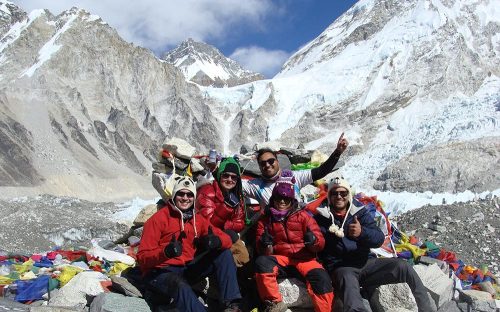
- Experience Sherpa Culture – Visit monasteries, meet local Sherpas, and see their vibrant prayer flags fluttering in the wind.
- Glacial Landscapes – Trek alongside glaciers, moraines, and icy streams — a surreal, otherworldly environment.
- Feel the High-Altitude Magic – Experience the crisp, rarefied air, the quiet of the mountains, and the sense of being on top of the world.
- Taste Adventure in Every Step – From hot Himalayan tea to trekking through breathtaking valleys, every moment is an unforgettable thrill.
Sleeping in a tent at Everest Base Camp- Trip Overview Overview
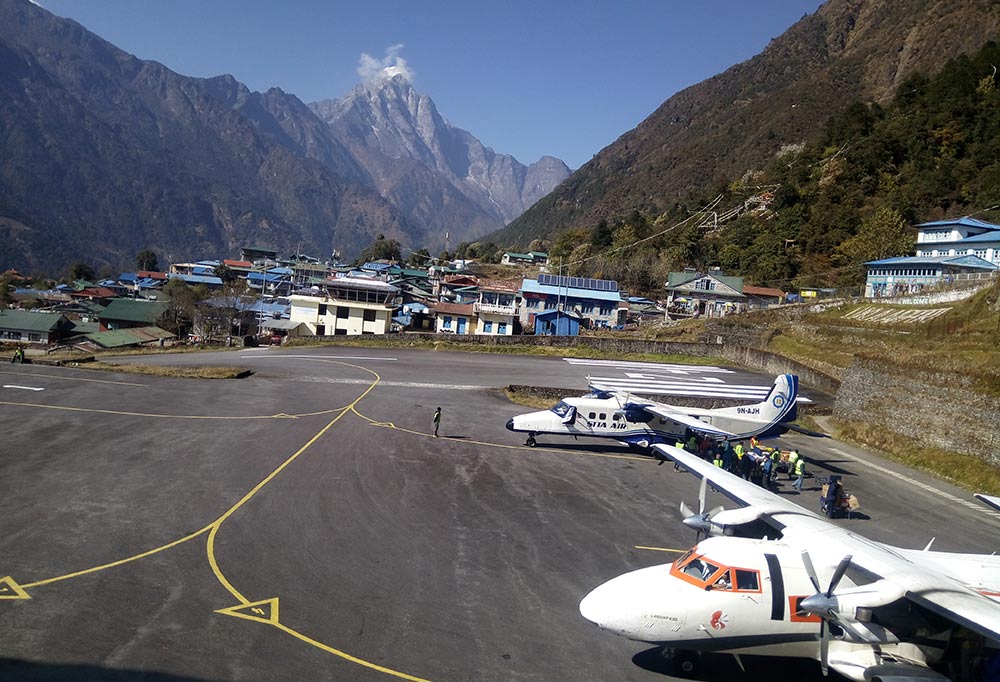
Sleeping in a tent at Everest Base Camp begins with leaving the familiar comforts of home and stepping into the bustling energy of Kathmandu. The city hums with life, monks chant at stupas, and the scent of incense mingles with the scent of street food. You gather your gear, check each item meticulously, and meet your trekking team. Excitement thrums in the air as the realization sets in: an adventure unlike any other is about to unfold. A short flight to Lukla brings a rush of adrenaline. The tiny airport perched on the edge of a cliff hints at the challenge ahead. Every plane landing or taking off reminds you that nature here demands respect.
From Lukla, the trek begins in earnest. The trail winds along rivers that sing over stones and through forests of rhododendron and pine. The air carries the crispness of altitude, and every inhalation feels refreshing and alive. Villages dot the path, their prayer flags fluttering, their stone and timber houses offering a glimpse into lives shaped by the mountains. Children wave shyly, yaks lumber along the trail carrying heavy loads, and you begin to feel the rhythm of the Khumbu region seep into your bones. At each teahouse, meals are simple but hearty. A bowl of Soup, a plate of Dal Bhat ( Typical Nepali Food) fuels your steps, and the warmth of shared laughter around the table creates a bond among trekkers.
As the days progress, the terrain grows rugged. Forests give way to open slopes, glaciers glint in the distance, and peaks appear closer, more imposing. Namche Bazaar rises like a fortress along the ridge, and crossing its cobbled streets feels like walking through a living museum of Sherpa culture. Monasteries perched on hillsides invite moments of quiet reflection. Bells toll, prayer wheels spin, and the serenity of these places contrasts sharply with the physical exertion required to reach them. Every step becomes a meditation, a reminder that the mountains teach patience, endurance, and humility.
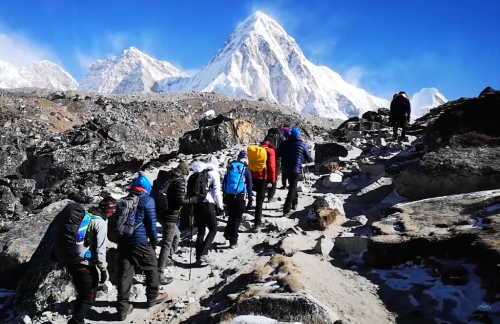
The final stretch to Everest Base Camp (5,364m) is a journey through a landscape that feels otherworldly. Glacial moraine crunches underfoot, icy winds cut across exposed ridges, and peaks tower overhead, their jagged silhouettes etched against the sky. When you arrive at Base Camp of Mount Everest, the world narrows to this frozen plateau. Colorful tents dot the moraine, winds whisper through the ice, and the sheer presence of Everest commands awe and reverence. Standing there, you feel the culmination of every step, every breath, every moment of perseverance. The mountains are both a challenge and a reward.
Nights in a tent under the Himalayan sky are a different kind of wonder. The stars shine with clarity unmatched anywhere else. You fall asleep with the sense of vastness surrounding you, the silence broken only by distant avalanches or the faint rustle of prayer flags. Early mornings reveal views that take your breath away. The sunrise on Kala Patthar ( 5,550m) bathes Everest in golden light. Peaks glow like molten silver. Each view etches itself into memory, permanent and profound.
The journey home is quieter. The trail retraces familiar steps, but every scene now carries new significance. You notice details missed before—the curve of a river, the texture of stone walls, the smiles of villagers. Returning to Kathmandu, the city feels both familiar and changed. You carry more than souvenirs; you carry the mountain’s lesson: resilience, wonder, and the deep satisfaction that comes from confronting a challenge with courage and curiosity. This adventure leaves an imprint that time cannot erase
Can You Really Sleep in a Tent at Everest Base Camp?
Yes, you can sleep in a tent at Everest Base Camp (EBC), but it is not like sleeping at home. The experience is challenging but unforgettable.
- Cold Temperatures: At night, temperatures often drop below -10°C. A good sleeping bag (-15°C or lower) and an insulated sleeping mat are essential. Even with these, it will feel very cold.
- Thin Air / High Altitude: EBC is at 5,364 meters (17,598 feet). The air is thin, making breathing harder and sleep lighter. Many trekkers wake up several times during the night.
- Wind and Weather: Strong winds, snow, or occasional rain can make tents noisy and shaky, so a sturdy 4-season tent is necessary.
- Sleeping Comfort: Tents are small and basic, sometimes shared with other trekkers. You won’t have the comfort of a lodge bed, but it gives a true mountain adventure feeling.
- Practical Tips:
- Wear thermal layers and warm socks in the sleeping bag.
- Keep a hat and gloves handy inside the bag.
- Bring a sleeping liner for extra warmth and hygiene.
- Avoid alcohol – it makes cold and altitude problems worse.
Reality Check: Sleeping in a tent at Everest Base Camp (EBC) is cold, windy, and challenging, but it is also one of the most memorable experiences of your life. Many trekkers say waking up with the sunrise over the Himalayas makes it all worth it.
Best Gear for Sleeping at Everest Base Camp:
- High-altitude sleeping bag – 4-season, mummy-shaped, rated −15 °C to −20 °C
- Sleeping bag liner – silk or fleece for extra warmth and hygiene
- Sleeping pad or mat – inflatable or foam for insulation and comfort (optional)
- Travel pillow or pillowcase – for cleaner, more comfortable sleep
- Warm socks – wool or thermal, 1–2 pairs inside the sleeping bag
- Earplugs and eye mask – block noise and light for better rest
- Hot water bottle – optional, adds extra warmth inside your sleeping bag
Best Seasons to Sleep at Everest Base Camp
| Season | Time Period | Night Temperature at EBC | Sleep Comfort | Lodge & Trail Conditions | Tips for Sleeping |
|---|---|---|---|---|---|
| Spring | March – May | −5 °C to −10 °C | Comfortable | Stable weather, blooming rhododendrons, and lodges are moderately warm | Use a 4-season sleeping bag; light liner optional; enjoy clear skies |
| Autumn | September – November | −10 °C to −15 °C | Comfortable with proper gear | Clear skies, popular trekking season, and lodges can be busy | Carry a warm sleeping bag and liner; book lodges in advance |
| Winter | December – February | −20 °C or lower | Very cold, requires expert preparation | Quiet lodges, minimal trekkers, very low temperatures | High-quality 4-season sleeping bag, liner, multiple warm layers, and a hot water bottle |
| Monsoon / Summer | June – August | Variable; often wet and cold | Poor | Heavy rain, slippery trails, damp lodges, mosquitoes | Avoid trekking; if unavoidable, carry waterproof sleeping bag liner and mosquito protection |
How to Prepare for Cold Nights at Everest Base Camp
Spending nights at Everest Base Camp can be magical—but chilly! Temperatures often drop below −10 °C, so preparation is key.
Top Tips for Staying Warm:
- Layer Up: Thermal base layers, fleece mid-layers, and windproof jackets keep you cozy.
- Sleep Smart: Bring a sleeping bag rated for −15 °C, plus an insulated mat to block cold from the ground.
- Warm Hands & Feet: Gloves, hats, and thermal socks are must-haves.
- Fuel Your Body: Hot drinks and high-energy snacks before bed help your body generate heat.
- Extra Comfort: Hand warmers, hot water bottles, and sleeping bag liners make cold nights feel luxurious.
With the right gear and a few simple tips, cold nights at EBC become part of the adventure rather than a challenge. Stay warm, rest well, and enjoy the breathtaking Himalaya!
Everest Base Camp Overnight: Benefits of Booking with Us
Booking your Everest Base Camp overnight experience with Safe Holiday Adventure Pvt Ltd comes with a range of benefits that make your trek safe, comfortable, and unforgettable.
Top Benefits of Booking with Us
- Safe & Guided Trek – Experienced guides lead every step, ensuring safety at high altitude.
- Overnight Tent Stay at EBC – Enjoy the unique experience of sleeping right at Everest Base Camp.
- Planned Acclimatization – Itinerary designed with rest days to prevent altitude sickness.
- Premium Camping Gear Provided – 4-season tents, sleeping bags, and all essentials included.
- All Permits Managed – We handle Sagarmatha National Park and TIMS permits for you.
- Emergency & Medical Support – Backup and evacuation plans for complete peace of mind.
- Breathtaking Views – Capture sunrise, sunset, and panoramic Everest vistas right from your tent.
- Nutritious Meals – Healthy, energizing meals provided throughout the trek.
- Personalized Attention – Small group sizes for tailored support and guidance.
- Eco-Friendly Trekking – Responsible Leave No Trace practices for sustainable adventure.
Why Choose Us?
With Safe Holiday Adventure Pvt Ltd, your overnight stay at Everest Base Camp is not just another trek—it’s a safe, memorable, and once-in-a-lifetime experience. From expert guides to premium gear and fully managed logistics, we ensure that every step of your journey is smooth, enjoyable, and picture-perfect.
Sleeping in a Tent at Everest Base Camp – Trek Cost
Experience the thrill of sleeping in a tent at Everest Base Camp with Safe Holiday Adventure.
Trek Cost (USD) by Group Size:
- Solo traveler → 2,290
- 2 to 4 Traveler → 2,040 per person
- 5 to 10 Traveler → 1,950 per person
The price covers everything you need for a seamless trek: experienced guides, comfortable tent accommodations, and Tea House stays up to Gorakshep. Enjoy three meals a day, porter service, and all office charges and VAT, ensuring a hassle-free adventure. Plus, full support is provided throughout the trek, with 24-hour WhatsApp assistance available for any questions or requests.
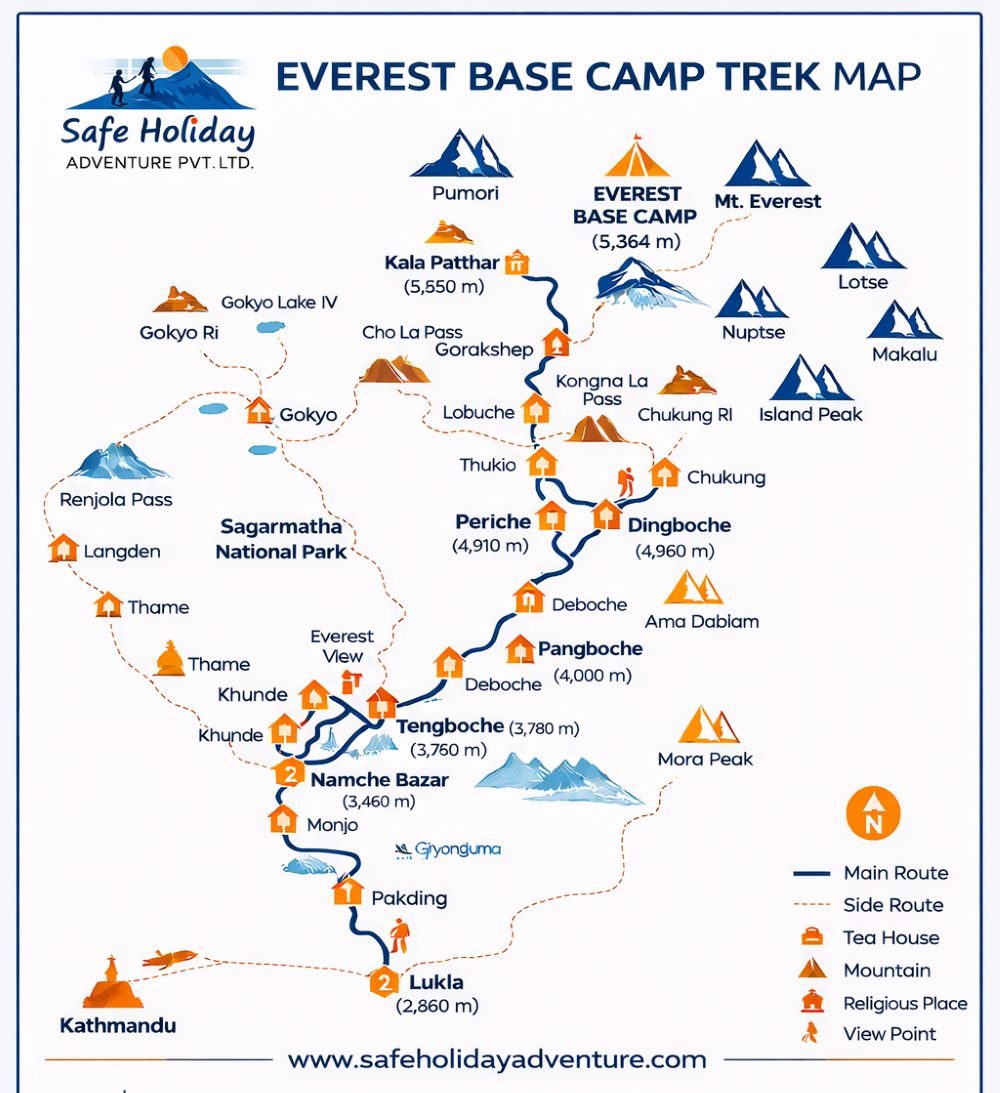
Everest Base Camp Trek – Quick ItineraryOutline Itinerary
Day 1: Kathmandu arrival – 1,400 m / 4,593 ft
Day 2: Fly Lukla → Phakding – 2,610 m / 8,562 ft (3–4 hrs)
Day 3: Phakding → Namche – 3,440 m / 11,286 ft (5–6 hrs)
Day 4: Namche Bazaar Acclimatization – 3,440 m / 11,286 ft
Day 5: Namche → Tengboche – 3,810 m / 12,500 ft (5 hrs)
Day 6: Tengboche → Dingboche – 4,410 m / 14,468 ft (5–6 hrs)
Day 7: Dingboche Acclimatization – 4,410 m / 14,468 ft
Day 8: Dingboche → Lobuche – 4,910 m / 16,108 ft (5 hrs)
Day 9: Lobuche → Gorak Shep – 5,140 m / 16,863 ft (3–4 hrs)
Day 10: Kalapatthar & EBC – 5,545 m / 18,192 ft → 5,340 m / 17,519 ft (7–8 hrs)
Day 11: EBC → Pangboche – 3,930 m / 12,893 ft (6–7 hrs)
Day 12: Pangboche → Namche – 3,440 m / 11,286 ft (5 hrs)
Day 13: Namche → Lukla – 2,800 m / 9,186 ft (6–7 hrs)
Day 14: Fly Lukla → Ramechhap → Kathmandu – 1,400 m / 4,593 ft
Day 15: Departure
Note For you:
Turn your Everest Base Camp trek into the ultimate adventure! Pick your extras, upgrade your comfort, and soar above the Himalayas:
- Private Rooms – Sleep in style (USD 275
- Porters – Travel light, enjoy more (USD 220)
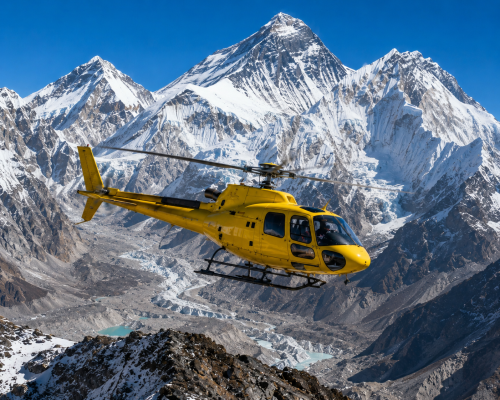
- Helicopter Rides – Start or finish with epic aerial views (USD 400–1100)
Simple Steps: Choose date → travelers → add-ons → book → go!
Why settle for ordinary when Everest can be extraordinary? Your adventure, your rules—book today!
Whats Included?
Airport Transfers
Private pickup and drop-off from Tribhuvan International Airport. Smooth start and finish to your journey.
Comfortable Accommodation
- Kathmandu: 2 nights in a comfortable hotel with breakfast.
- Trekking Lodges: 11 nights in twin-sharing tea houses along the route.
- Everest Base Camp: 1-night tent stay with stunning views.
Meals & Drinking Water
- Breakfasts: Energizing options like porridge, pancakes, eggs, and tea/coffee.
- Lunches & Dinners: Nutritious meals including dal bhat, momos, noodles, Sherpa stew, pasta, and pizza.
- Safe Water: Purified or boiled water provided throughout the trek.
Permits & Fees
All required permits and government taxes included:
- Sagarmatha National Park Entry
- Khumbu Pasang Lhamu Rural Municipality
Expert Guides & Support Staff
- English-speaking, first-aid trained trekking guide with medical kit.
- Salaries, equipment, and accommodation provided for all staff.
Flights & Transport
Round-trip flights to and from Lukla, including airport transfers.
Trekking Essentials Provided
- Trekking map of the Everest region
- Trekking poles
- Sleeping bag (-20°C)
- Duffel bag (70–80L)
- Comprehensive first-aid kit
Emergency Support
- Oxygen canisters and medical assistance from guides.
- Staff fully insured, with rescue assistance available (travel insurance required).
Additional Benefits
- Certificate of achievement upon completion
- Free luggage storage during the trek
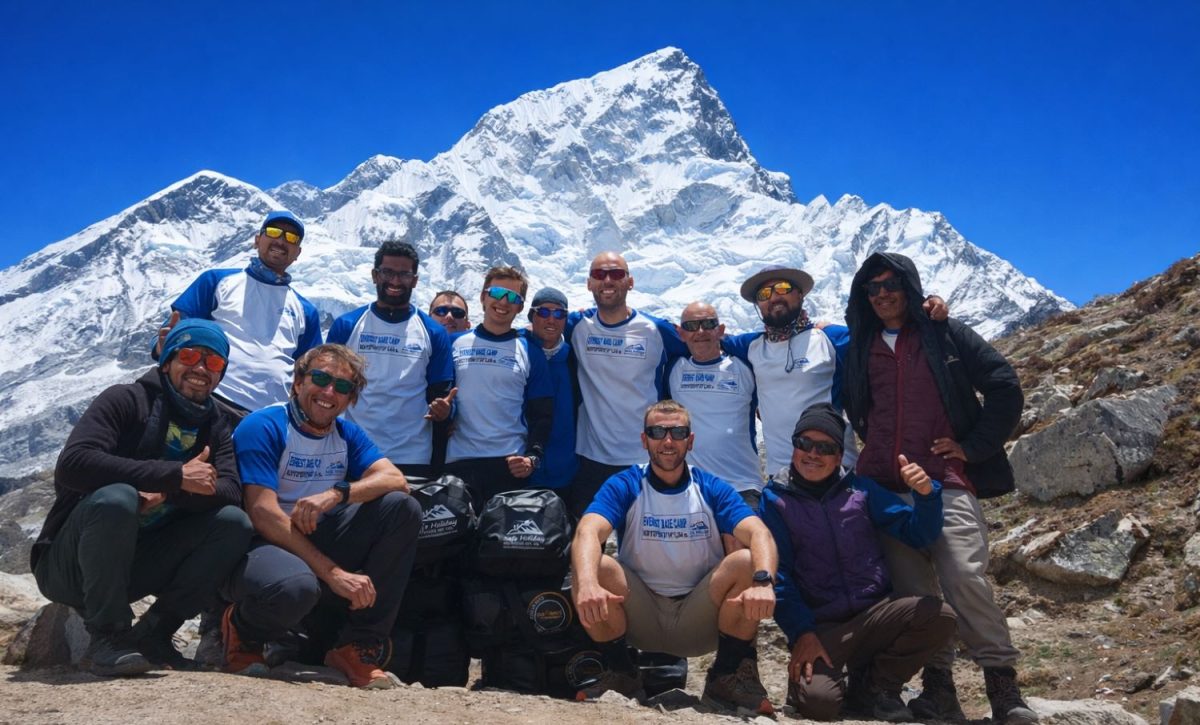
- Trek souvenir T-shirt
- Farewell dinner in Thamel with the trekking team
International Travel & Visa
Airfare to Kathmandu and Nepal visa fees (USD 30–125).
Travel Insurance
Covers medical emergencies, high-altitude evacuation, and trip cancellation.
Kathmandu Meals & Extra Nights
Lunch, dinner, or additional nights not included.
Optional Porter Service
USD 240 per porter (maximum 25 kg).
Personal Expenses
Hot showers, drinks, extra meals, Wi-Fi, battery charging, or accommodation upgrades.
Tips & Gratuities
Expected for guides and support staff.
Dates and Availability Departures
All our published dates are guaranteed departures. We also provide customized departures tailored to your travel plans.
There are no group joining dates available at the moment. Please contact us for a private trip.
Travellers Reviews
Genaral Trip InfoInfos
Beginner’s Guide to Sleeping at Everest Base Camp
- Choose Your Shelter – Most people sleep in basic teahouses or tents. Teahouses are small lodges with shared rooms, while tents give more privacy but need your own gear.
- Dress warmly – Nights are very cold, even in spring or fall. Wear thermal clothes, a hat, and gloves, and use a good sleeping bag.
- Use a Sleeping Bag Liner – A liner adds warmth and keeps your sleeping bag clean.
- Bring Earplugs & Eye Mask – Teahouses can be noisy and bright early in the morning.
- Stay Hydrated and Eat Well – Your body burns more energy in cold, high altitudes. Drink water and eat warm meals before bed.
- Go to Bed not so Early – High altitude makes you tired, but try to read and decrease your time to sleep in high altitude to skip AMS.
- Be Ready for Simple Comforts – Don’t expect luxury. Cold showers, small rooms, and shared toilets are normal.
Seasonal Packing for Sleeping at EBC
Spring (Mar – May)
- 3-season sleeping bag (-5°C to -10°C)
- Thermal underwear
- Fleece jacket or pullover
- Wool hat or balaclava
- Lightweight sleeping pad
Monsoon / Summer (Jun – Aug)
- Waterproof tent + footprint
- Sleeping bag (0°C to 5°C)
- Silk liner for extra warmth
- Dry bags for clothes & electronics
- Lightweight warm layers
Autumn (Sep – Nov)
- 4-season sleeping bag (-15°C)
- Insulated sleeping pad
- Thermal base layers
- Fleece & down jacket
- Warm socks and gloves
Winter (Dec – Feb)
- Extreme winter sleeping bag (-20°C or lower)
- Double-layer insulated sleeping pad
- Extra wool clothing, hats & gloves
- Hot water bottles/hand warmers
- Minimal tent ventilation for heat retention
Sleep at Everest Base Camp – An Experience Like No Other
One Night at EBC: Most trekkers just visit—you’ll sleep under the stars at the world’s most famous base camp.
- Breathtaking Views: Wake up to Mount Everest, Lhotse, Nuptse, and Pumori right outside your tent.
- Sherpa Culture: Trek through the Khumbu Valley and experience the rich traditions of the Sherpa people.
- Comfort & Care: Warm tents, hot water bottles, and delicious meals prepared by our trained chefs keep you cozy at night.
- Unforgettable Memories: Sleeping at EBC isn’t just rest—it’s a once-in-a-lifetime adventure you’ll never forget.
Is the sleeping at Everest Base Camp Trek Right for You?
The trek to Everest Base Camp (EBC) is generally designed for adventurous travelers who are fit enough to handle high-altitude trekking and are comfortable with basic camping or lodge-style accommodations. Here’s a detailed breakdown of who this trek is suitable for:
1. Adventure Seekers
- People who enjoy challenging treks, stunning mountain scenery, and being immersed in nature.
- Ideal for those who want to experience the Himalayas up close, including views of Mount Everest and surrounding peaks.
2. Physically Fit Individuals
- Trekking to EBC involves walking 12–20 km per day, often on steep or uneven trails.
- You need good cardiovascular endurance and stamina to handle daily hikes and the thin air at higher altitudes.
3. Those Comfortable with Cold & Simple Accommodation
- Sleeping at the base camp often means basic lodges or tents, with cold temperatures at night (can drop below freezing even in spring/summer).
- Travelers must be okay with limited hot water and simple facilities.
4. People Interested in Cultural Experiences
- The trek passes through Sherpa villages, monasteries, and local markets, offering insights into Himalayan culture and traditions.
5. First-Time or Experienced Trekkers
- EBC is technically a non-technical trek, so it doesn’t require climbing skills.
- However, first-timers should be aware of altitude sickness risks and consider hiring guides or joining organized treks for safety.
Not Recommended For:
Those with serious heart, lung, or mobility issues.
- Travelers who are unwilling to handle cold nights or rustic accommodations.
- People expecting luxury hotels or easy travel—this is a rugged, adventurous experience.
Experiencing Food and Tents at Everest Base Camp
Sleeping at Everest Base Camp (EBC) is a unique adventure that combines rugged mountain life with the thrill of being close to the world’s highest peak. Most trekkers spend nights in basic tents or mountain lodges (tea houses). Tents are well-equipped for cold weather, often with sleeping bags rated for sub-zero temperatures, while lodges offer simple beds with blankets.
Food on the trek is hearty and comforting, designed to give you energy for long hikes. Common meals include rice, noodles, soups, lentils (dal), potatoes, and vegetables, along with occasional local specialties. Hot drinks like tea, coffee, and local butter tea help you stay warm. Trekkers are advised to carry some personal snacks and stay hydrated, especially at higher altitudes.
Despite the simplicity, staying in tents or lodges at EBC is safe, as the trekking routes are well-established and often guided by experienced sherpas. With proper preparation, clothing, and a focus on acclimatization, it’s a secure way to enjoy a once-in-a-lifetime adventure holiday.
This experience combines adventure, culture, and breathtaking scenery, making it perfect for travelers who want a safe yet thrilling Himalayan expedition.
Detailed ItineraryItinerary
Kathmandu Arrival
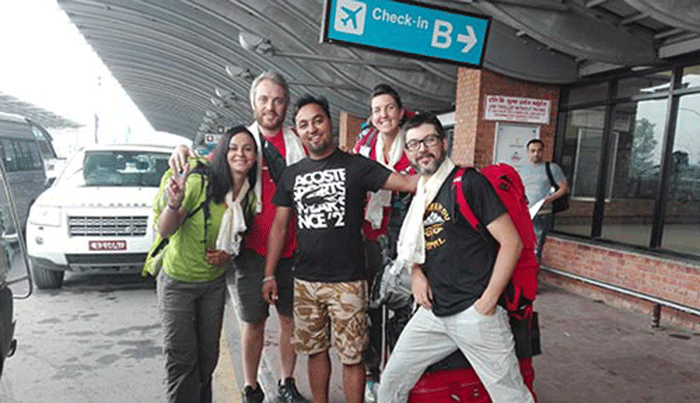
Upon arriving at Tribhuvan International Airport, you will be warmly welcomed by your Safe Holiday Adventure Pvt. Ltd. representative. After clearing customs and collecting your luggage, you will be transferred by private car to your hotel in Kathmandu. After checking in, you can rest, refresh, and enjoy the first taste of Nepali culture.
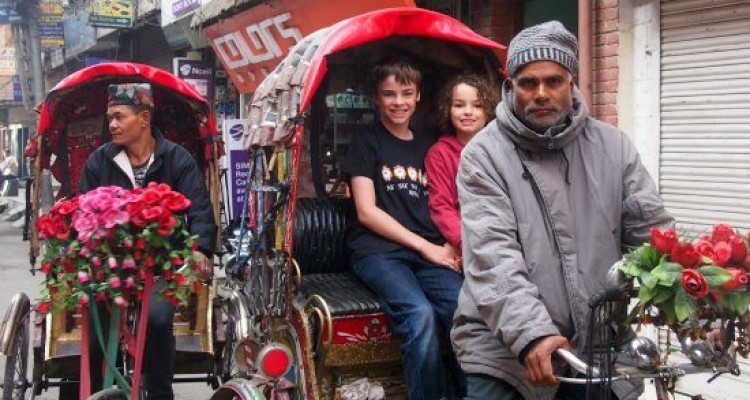
In the afternoon, you will have a welcome briefing where your guide will explain the trek details, hand out maps, and provide tips on packing, health, and safety. This is also the time to ask questions about flights to Lukla, trekking schedules, or gear. Later, you can explore the lively streets of Thamel, Kathmandu’s tourist hub, with shops, cafes, and souvenir stores. The area is colorful and vibrant, full of Nepali locals, Buddhist prayer flags, and temples.
Dinner will be at a local restaurant or hotel, offering dishes such as momo (dumplings) or dal bhat (rice and lentils). Afterward, return to your hotel for an early rest to prepare for the next day’s early flight to Lukla.
Day Highlights:
- Arrival in Kathmandu
- Hotel transfer and check-in
- Welcome briefing with guide
- Gear check and maps
- Explore Thamel markets
- Taste Nepali cuisine
Accommodation : Hotel in Kathmandu
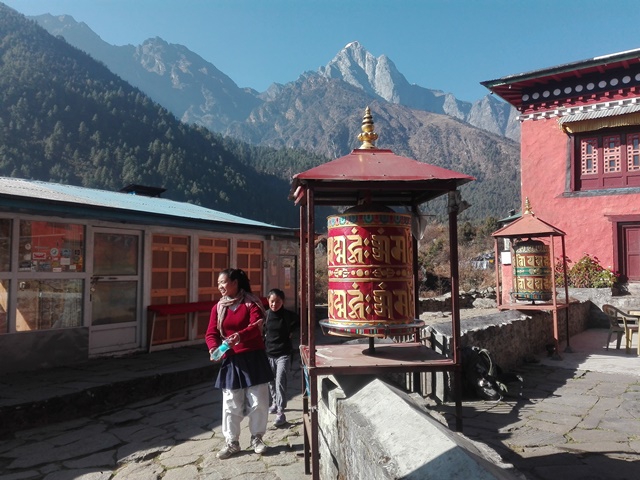
Flight to Lukla → Trek to Phakding
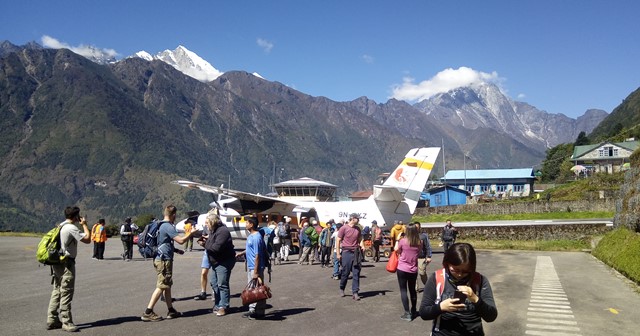
Wake up early at around 5:30–6:00 am for breakfast at the hotel. After a hearty meal, you will head to Kathmandu Airport for a morning flight to Lukla. The flight takes around 35–40 minutes and offers breathtaking aerial views of snow-capped peaks and deep Himalayan valleys. Upon landing at Lukla (2,860 m / 9,383 ft), your guide will organize a quick briefing before starting the trek.
The trail to Phakding follows the Dudh Koshi River, winding through pine and rhododendron forests. You will cross several suspension bridges, enjoy glimpses of rushing streams, and pass small Sherpa villages along the way. Locals tend barley and potato fields, and you can observe yaks grazing on terraced slopes. A stop at a tea house around midday provides lunch, often consisting of dal bhat or noodles.
After lunch, continue trekking for another hour or two through small villages and farmland until reaching Phakding. Check in at a tea house, enjoy tea or hot chocolate, and relax while soaking in mountain views. Dinner is served at the tea house, and an early bedtime ensures you are ready for the longer trek ahead.
Day Highlights:
- Scenic flight to Lukla
- Trek along Dudh Koshi River
- Cross suspension bridges
- Sherpa villages and terraced fields
- Yak grazing and farming scenes
- Lunch at the tea house
- Overnight at Phakding tea house
Accommodation : Lodge Meals : Breakfast, Lunch & Dinner
Phakding → Namche Bazaar
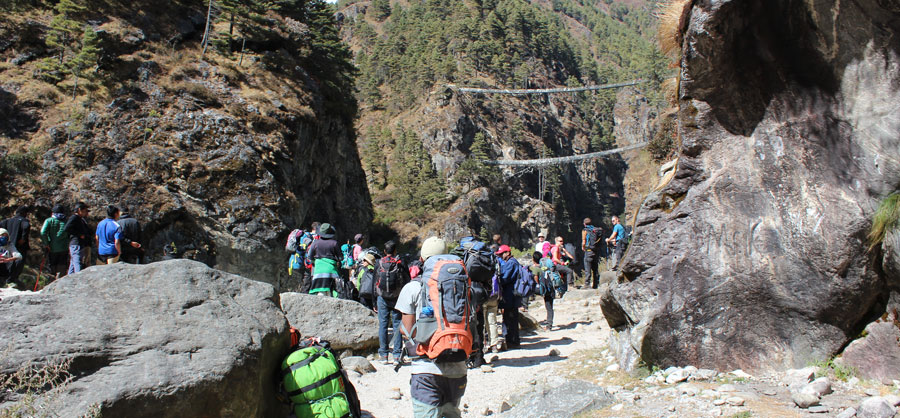
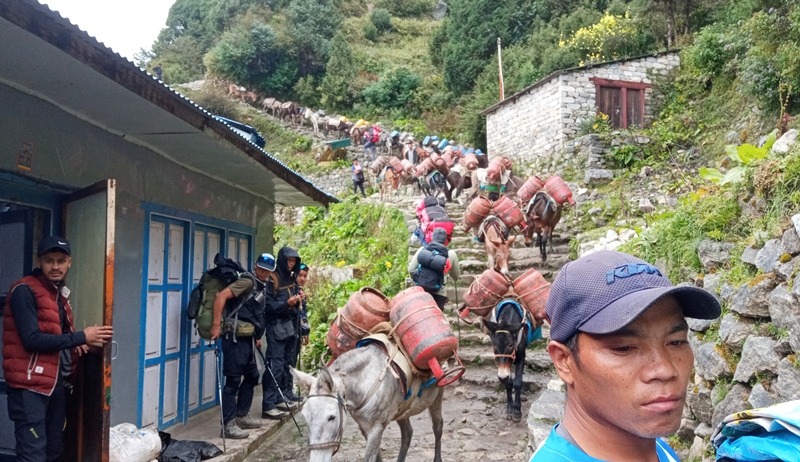
Wake up at 6 am for breakfast at the tea house. Today’s trek starts along the Dudh Koshi River, gradually ascending toward Namche Bazaar. The path is lined with mani walls, prayer flags, and stone stairways. Along the way, you will cross several suspension bridges over gushing rivers, offering stunning photography opportunities.
The trail passes small villages like Chumoa and Monjo. You will see locals farming barley and potatoes, herding yaks, and selling local produce. Snow-capped peaks such as Thamserku and Kusum Kanguru can be seen in the distance. Lunch is taken at a tea house along the trail, offering simple but nutritious meals.
After lunch, continue climbing through pine and rhododendron forests. You will reach the Sagarmatha National Park checkpoint, where permits are checked, and entry fees are collected. Namche Bazaar (3,440 m / 11,286 ft) is a bustling Sherpa town with shops, lodges, and cafes. Check in at a tea house, rest, and enjoy evening walks in the town to acclimatize.
Day Highlights:
- Trek along Dudh Koshi River
- Cross suspension bridges
- Mani walls and prayer flags
- Farming terraces and Sherpa villages
- Thamserku and Kusum Kanguru views
- Lunch at Jorsalle
- Enter Sagarmatha National Park
- Explore Namche Bazaar
- Overnight at Namche tea house
Accommodation : Lodge Meals : Breakfast, Lunch & Dinner
Namche Bazaar Acclimatization
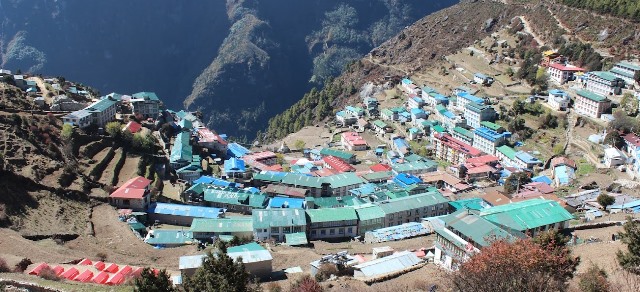
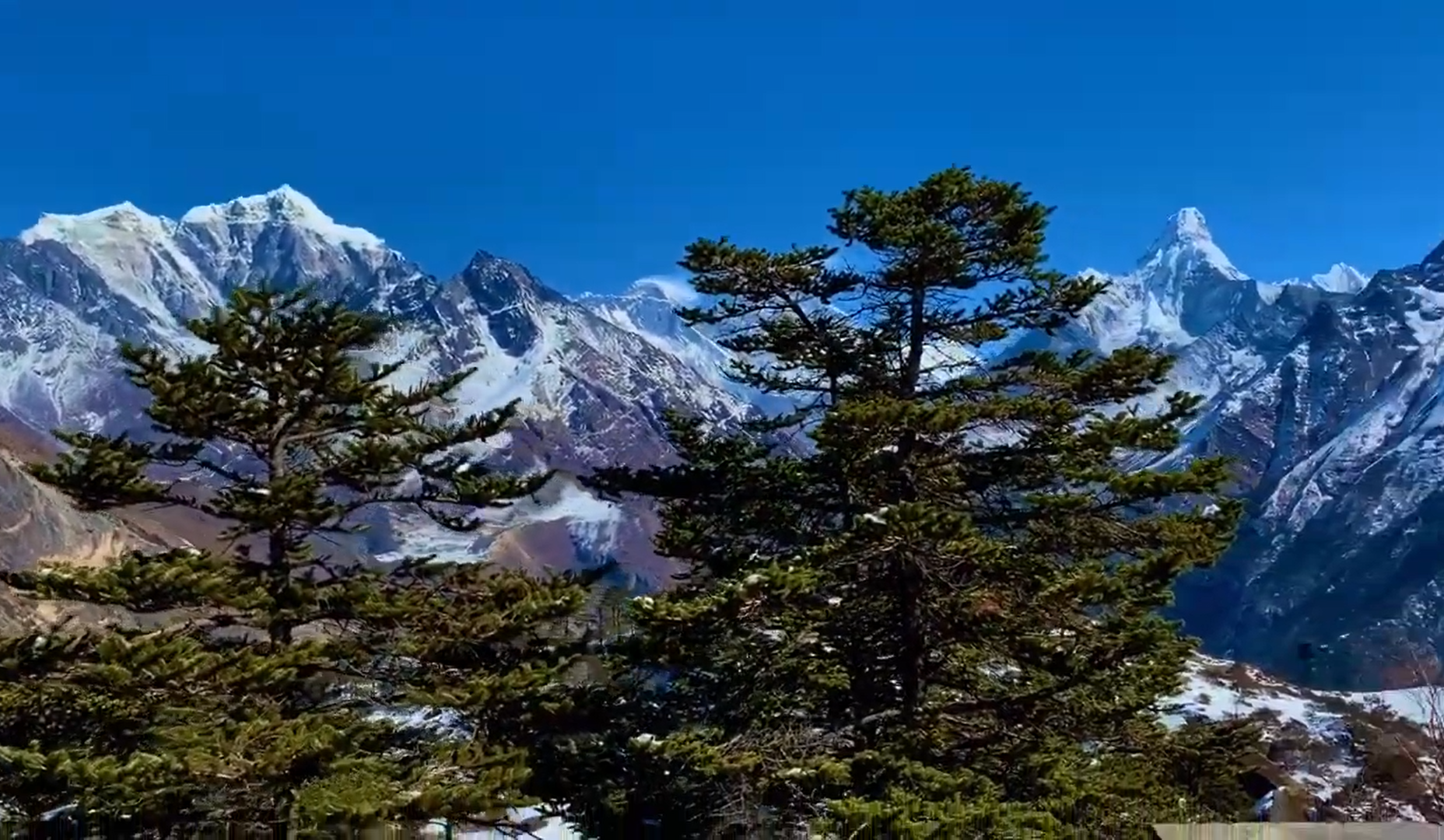
Wake up at 6 am for breakfast at your tea house. Today is an acclimatization day, which means shorter hikes to help your body adjust to higher altitude. You can hike to nearby viewpoints such as Khumjung village or Everest View Hotel area, where panoramic views of Everest, Lhotse, and Ama Dablam are visible.
The trail passes Sherpa villages, mani walls, prayer flags, and small Buddhist monasteries. You can observe local life, including children walking to school, farmers tending barley fields, and yaks grazing in the pastures. Tea houses along the way offer refreshments and snacks. Return to Namche Bazaar in the afternoon to rest, hydrate, and explore the shops.
Evening time can be spent visiting the Sherpa museum or trying local tea and snacks. This rest day ensures you are well-prepared for the higher altitude treks ahead.
Day Highlights:
- Acclimatization hikes
- Everest, Lhotse, Ama Dablam views
- Khumjung village exploration
- Sherpa culture and farming observation
- Tea house refreshments
- Visit local shops and the museum
- Rest and hydrate for the next day
Accommodation : Lodge Meals : Breakfast, Lunch & Dinner
Namche Bazaar → Tengboche
Wake up at 6 am for breakfast at the tea house. Begin your trek toward Tengboche, following a well-marked path through rhododendron and pine forests. You will cross the Dudh Koshi and Imja Khola rivers on suspension bridges. Small villages along the way show Sherpa houses and farming terraces.
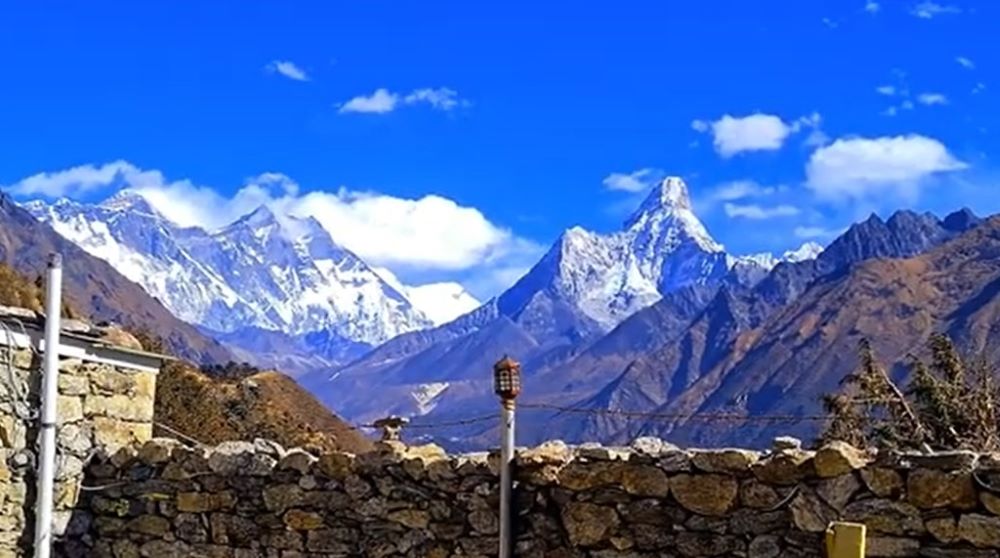
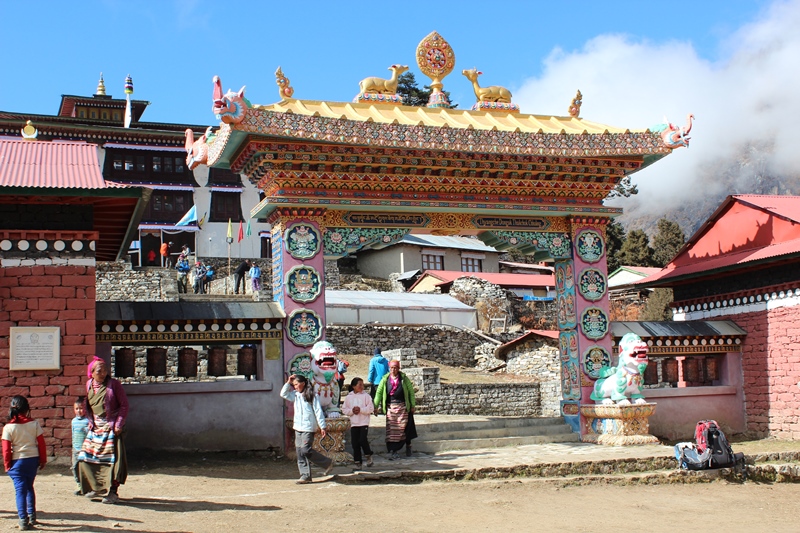
The trail gradually ascends to Tengboche (3,810 m / 12,500 ft), famous for its large Tengboche Monastery, offering panoramic views of Everest, Nuptse, and Ama Dablam. Along the way, you can enjoy breathtaking scenery, see mani walls, and spot yaks grazing. Lunch is taken en route at a tea house, serving traditional local dishes.
Arriving at Tengboche, you will check in at a tea house, rest, and take photos of the monastery and surrounding mountains. Evening time can be spent exploring the monastery and its surroundings.
Day Highlights:
- Trek through pine and rhododendron forests
- Cross Dudh Koshi & Imja Khola bridges
- Sherpa villages and farming terraces
- Tengboche Monastery visit
- Everest, Nuptse, Ama Dablam views
- Lunch at Trail Tea House
- Overnight at Tengboche
Accommodation : Lodge Meals : Breakfast, Lunch & Dinner
Tengboche → Dingboche
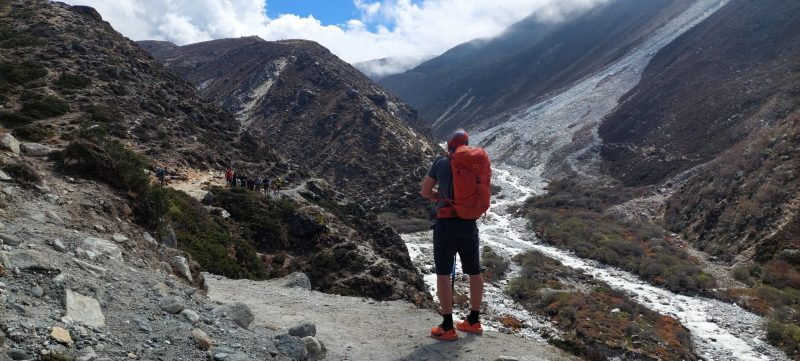
Wake up around 6 am at Tengboche and enjoy a warm breakfast at your tea house. Today, you will continue trekking east along the trail leading toward Dingboche. The path gradually climbs through rhododendron forests, pine trees, and open valleys. Along the way, you cross small streams and suspension bridges, passing isolated Sherpa houses and prayer walls. You will see farmers tending barley and potatoes, and yaks grazing along the slopes.
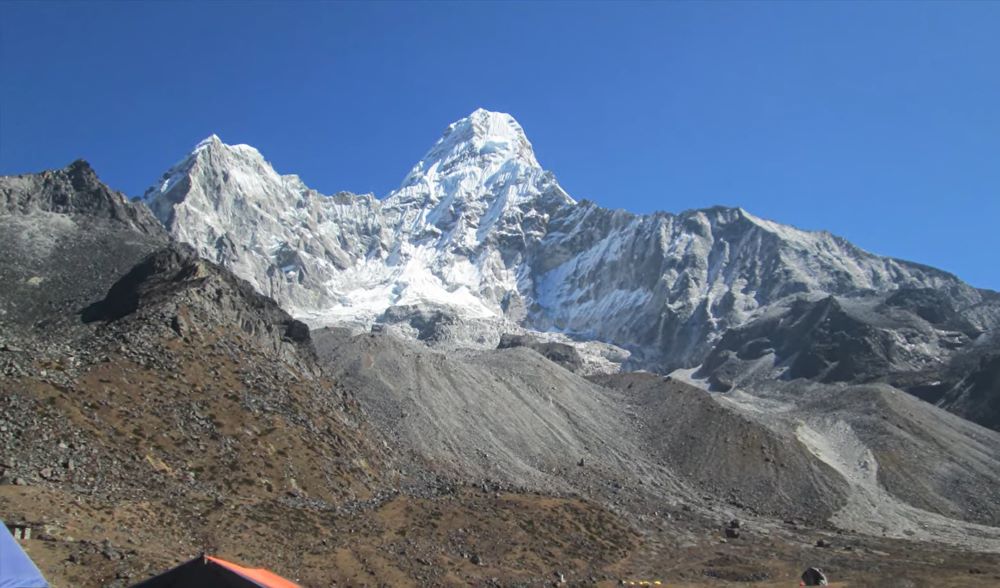
As you approach the valley leading to Dingboche, the mountains become more dramatic. Peaks like Ama Dablam and Lhotse dominate the skyline, giving a sense of the high Himalaya you are entering. Lunch is usually taken at a tea house along the trail, with simple Nepali dishes or soup to maintain energy. The trail then gradually ascends to Dingboche village.
Upon arrival in Dingboche (4,410 m / 14,468 ft), you will check in at a tea house and have time to relax. The village is surrounded by terraced fields and dramatic peaks, making it a perfect place to rest before the next day’s acclimatization hike.
Day Highlights:
- Trek through rhododendron and pine forests
- Cross small streams and suspension bridges
- Observe Sherpa villages and farming terraces
- Yaks grazing in mountain pastures
- Ama Dablam and Lhotse views
- Lunch at Trail Tea House
- Overnight stay at Dingboche
Accommodation : Lodge Meals : Breakfast, Lunch & Dinner
Acclimatization in Dingboche
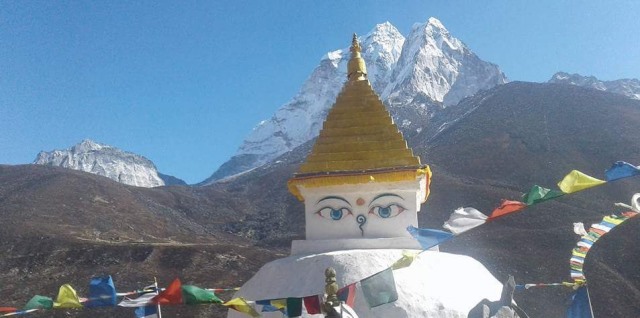
Wake up at 6 am and enjoy breakfast at your tea house. Today is a rest and acclimatization day. You will take a short hike to Nagarjun Hill or nearby ridges to adjust to the altitude. This hike offers spectacular views of peaks like Ama Dablam, Island Peak, and Lhotse.
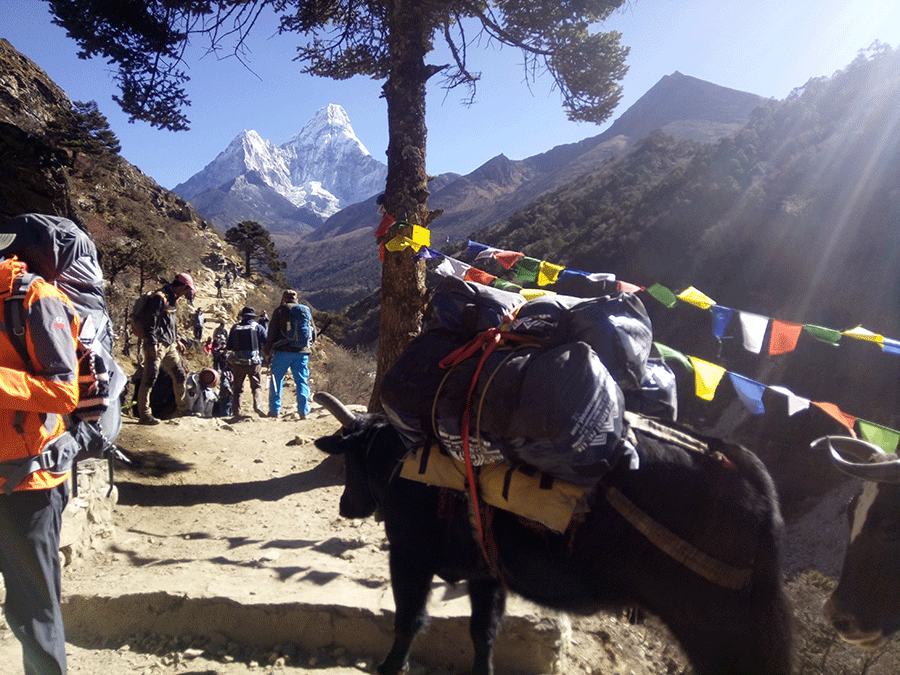
Along the way, you will see stone-built mani walls, prayer flags fluttering in the wind, and small fields where locals grow barley and potatoes. You may encounter Sherpa herders with their yaks and watch children walking to school. The hike lasts 2–3 hours and helps your body prepare for higher altitudes.
Return to Dingboche for lunch at the tea house and spend the afternoon resting. You can enjoy the crisp mountain air and photograph the impressive peaks. Dinner is served in the tea house before bedtime, preparing for the climb toward Lobuche tomorrow.
Day Highlights:
- Short acclimatization hike to Nagarjun Hill
- Panoramic views of Ama Dablam, Lhotse, and Island Peak
- Observe Sherpa farming and villages
- Mani walls and prayer flags
- Interact with local herders and yaks
- Lunch and tea at Dingboche
- Overnight at Dingboche tea house
Accommodation : Lodge Meals : Breakfast, Lunch & Dinner
Dingboche → Lobuche
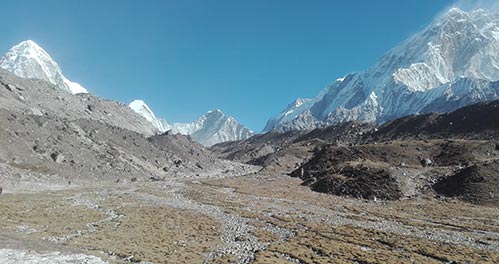
Wake up around 6 am and have breakfast at the tea house. Today’s trek is moderately steep, climbing from Dingboche to Lobuche. The trail follows a dry valley with rocky terrain, giving a sense of the high Himalayan environment. You will see glaciers in the distance and small streams flowing down from the mountains.
The path passes memorials for climbers and trekkers, adding a sense of history to the journey. The villages along the way are sparse, with Sherpas tending small plots and yaks grazing in the valleys. Lunch is taken at a tea house en route, providing energy for the final stretch to Lobuche.
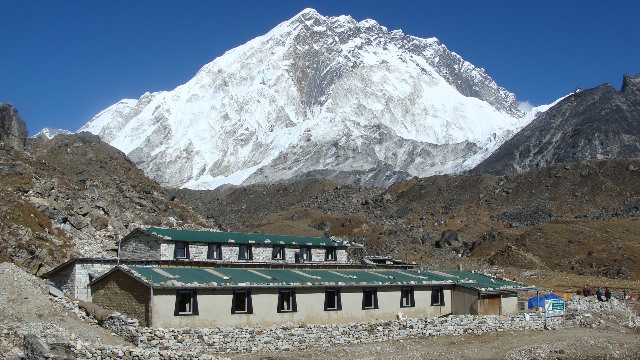
Arrive at Lobuche (4,910 m / 16,108 ft) in the afternoon. Check into your tea house and enjoy the views of nearby peaks, including Pumori and Nuptse. Dinner is served, and you rest early to prepare for the next day’s short trek to Gorak Shep.
Day Highlights:
- Trek through dry valleys and rocky terrain
- Glacier and mountain views
- Visit climbers’ memorials
- Observe sparse Sherpa settlements
- Lunch at the tea house
- Pumori and Nuptse views
- Overnight at Lobuche
Accommodation : Lodge Meals : Breakfast, Lunch & Dinner
Lobuche → Gorak Shep
Wake up at 5:30–6 am for breakfast. Today is a shorter trek, gradually ascending from Lobuche to Gorak Shep. The trail crosses moraine landscapes, glaciers, and rocky paths. You will pass several small memorials for climbers and trekkers.
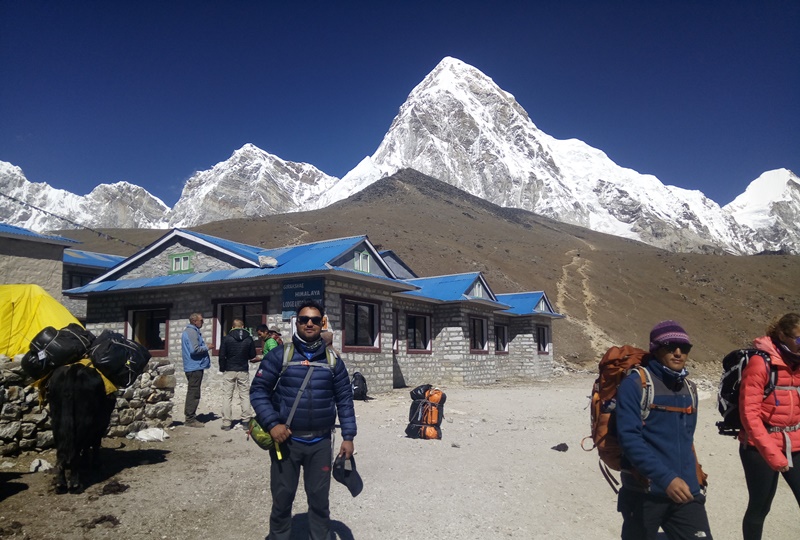
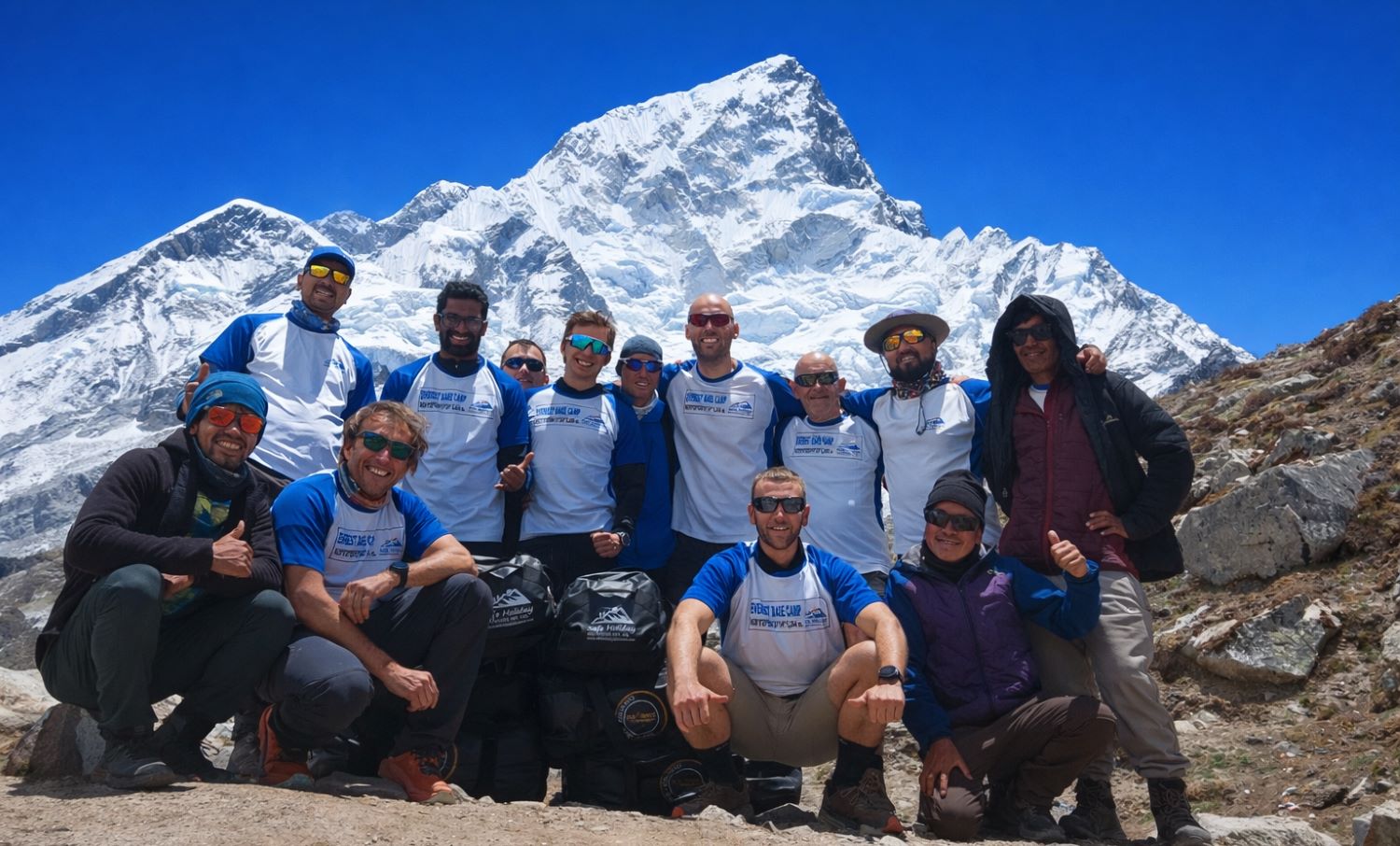
The terrain is rough, with fewer villages, but scattered tea houses provide lunch along the way. Views of Everest, Nuptse, and Pumori dominate the horizon, creating unforgettable scenery. Upon arrival at Gorak Shep (5,140 m / 16,863 ft), check in at the tea house and rest briefly before preparing for tomorrow’s early morning hike to Kalapatthar and Everest Base Camp.
Day Highlights:
- Trek across moraine and glacier trails
- Climber memorials along the way
- Spectacular views of Everest, Nuptse, Pumori
- Lunch at a small tea house
- Arrival at Gorak Shep
- Overnight stay at Gorak Shep
Accommodation : Lodge Meals : Breakfast, Lunch & Dinner
Early Monring hike to Kalapatthar & Stay Over Night at Everest Base Camp - Tented Camp
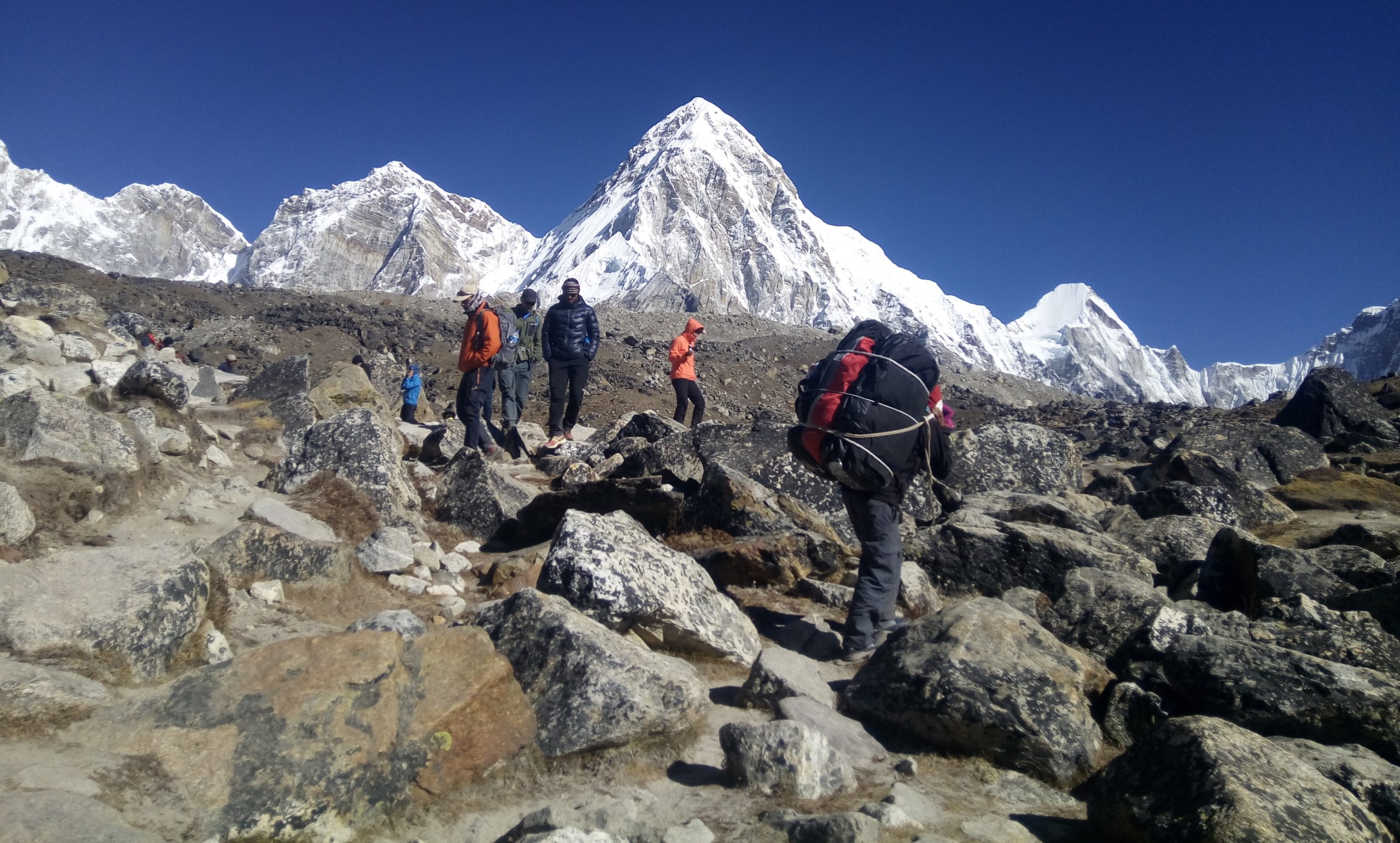
Your day begins very early in the morning with a hike to Kala Patthar, the best viewpoint in the Everest region. The climb is challenging but slow and steady. As you reach the top, you are rewarded with one of the most magical sunrises in the world.
From Kala Patthar, you will enjoy breathtaking panoramic views of Mount Everest, Nuptse, Pumori, Khumbutse, Lingtren, and many other Himalayan giants. As the golden sunlight touches the snowy peaks, the mountains glow beautifully — a moment you will never forget.
After spending time enjoying the views and taking photos, we descend back to Gorak Shep. Here, we have lunch and prepare for a very special experience. We collect all necessary gear because there are no tea houses beyond Gorak Shep.
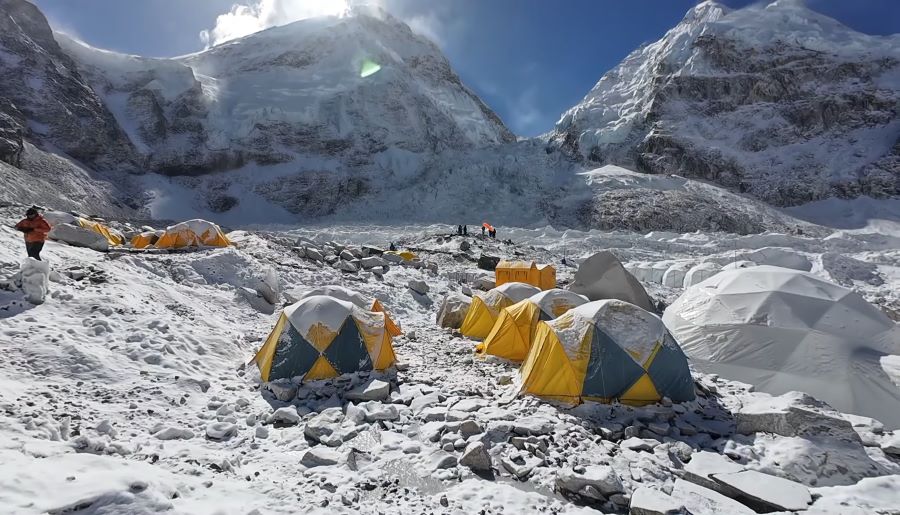
From Gorak Shep, we follow a gradual and rocky trail that leads us to Everest Base Camp. The path moves along the Khumbu Glacier, surrounded by dramatic ice formations and mountain scenery. After a few hours of trekking, we finally reach Everest Base Camp.
Tonight is truly unique — we spend the night in tents at Base Camp. Without tea houses or modern comforts, you will experience real mountain life. Surrounded by glaciers, stars, and complete silence, this is pure Himalayan adventure. It is a rare chance to feel the spirit of mountaineers who prepare to climb the world’s highest peak.
The next morning, we wake up early and enjoy breakfast at Base Camp while watching the mountains shine in the morning light. After packing our gear, we begin our descent. We trek down to Pheriche, where we stay overnight in a comfortable tea house, enjoying a warm meal and well-earned rest.
Accommodation : Lodge Meals : Breakfast, Lunch & Dinner
EBC → Pangboche
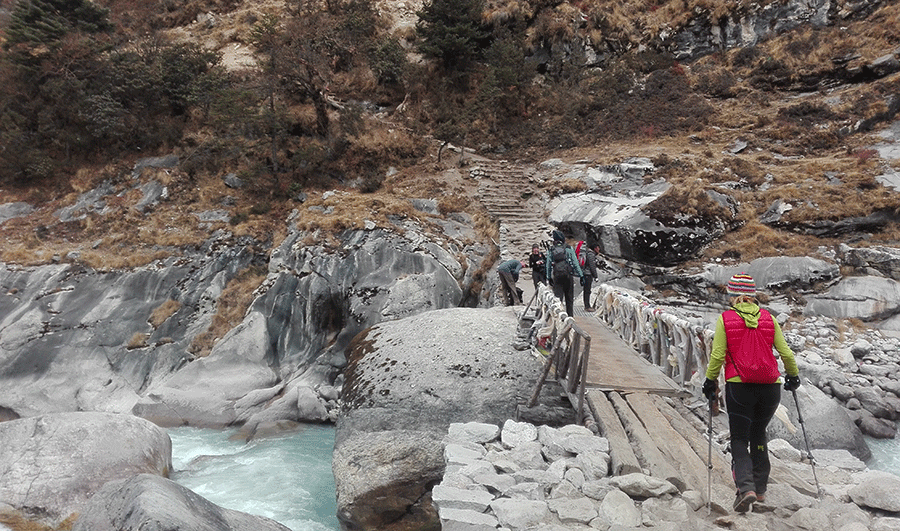
Wake up at 6 am and have breakfast before descending from the high Himalaya. The trail from Gorak Shep or EBC to Pangboche winds through dry valleys and rocky terrain, offering panoramic views of Ama Dablam, Lhotse, and Taboche. The trail passes small villages and tea houses along the way.
You will see terraced farming plots and meet Sherpa villagers tending yaks and crops. Lunch is taken at a tea house en route, serving traditional Dal Bhat or noodles. Arrive at Pangboche village (3,930 m / 12,893 ft) in the afternoon, check in at a tea house, and enjoy dinner while watching the sunset over the mountains.
Day Highlights:
- Descend from Gorak Shep/EBC
- Panoramic views of Ama Dablam and Lhotse
- Observe Sherpa villages and terraced farming
- Lunch at the tea house
- Overnight at Pangboche
Accommodation : Lodge Meals : Breakfast, Lunch & Dinner
Pangboche → Namche Bazaar
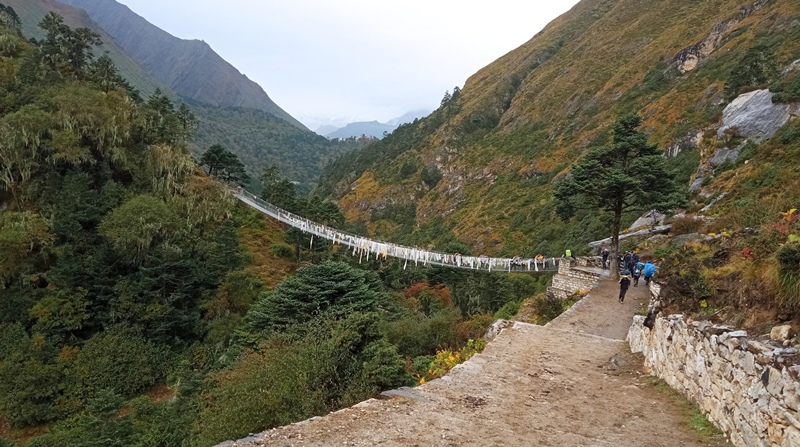
Wake up at 6 am and have breakfast. Today you descend through forests and villages back toward Namche Bazaar. The trail passes small Sherpa settlements, mani walls, prayer flags, and terraced fields. Cross suspension bridges over rushing rivers.
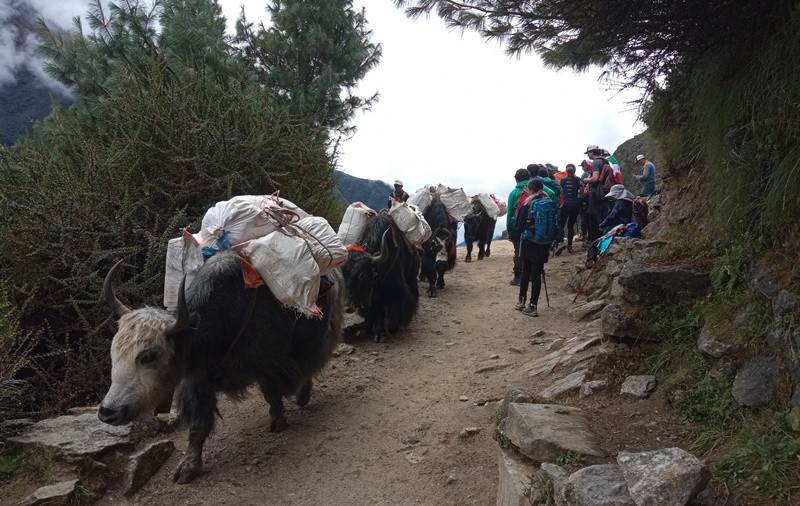
Along the trail, you will see locals farming potatoes and barley, and yaks grazing. Stop for lunch at a tea house midway. Arrive at Namche Bazaar (3,440 m / 11,286 ft) in the afternoon, check in at a tea house, and enjoy the evening exploring the vibrant town.
Day Highlights:
- Descend through pine and rhododendron forests
- Sherpa villages and farming terraces
- Mani walls and prayer flags
- Lunch at the tea house
- Explore Namche Bazaar
- Overnight at the tea house
Accommodation : Lodge Meals : Breakfst, Lunch & Dinner
Namche Bazaar → Lukla
Wake up at 6 am and have breakfast at the tea house. Begin the final leg of the trek, descending from Namche to Lukla. The trail passes villages, forests, rivers, and terraced fields. Cross suspension bridges and enjoy views of the Dudh Koshi River and surrounding peaks.
Lunch is at a tea house along the trail. Arrive in Lukla (2,800 m / 9,186 ft) in the afternoon. Check in at a comfortable tea house, relax, and enjoy the last evening in the mountains.
Day Highlights:
- Descend through forests and rivers
- Pass Sherpa villages and farming terraces
- Cross suspension bridges
- Lunch at the tea house
- Arrival at Lukla tea house
- Celebrate the final trekking night


Accommodation : Lodge Meals : Breakfast, Lunch & Dinner
Fly Lukla → Lukla/Ramechhap → Kathmandu
Wake up early, have breakfast, and take the morning flight from Lukla back to Ramechhap or Kathmandu airport. Enjoy breathtaking aerial views of the Himalayas one last time. Upon arrival, transfer by private car to your Kathmandu hotel.
Spend the afternoon relaxing, shopping, or exploring Thamel. Enjoy a farewell dinner with your trekking team in a traditional Nepali restaurant.
Day Highlights:
- Morning flight from Lukla
- Himalayan aerial views
- Transfer to Kathmandu hotel
- Explore Thamel or relax
- Farewell dinner

Accommodation : Hotel in Kathmandu Meals : Breakfast
Note:
Dear Trekkers, If you have a tight schedule or would like to spend more time in the Everest region, please do not hesitate to email us. We are happy to customize the itinerary according to your available time. Of course, your safety and comfort will always be our top priority.
We look forward to organizing a safe, flexible, and memorable journey for you!
Sleeping in a tent at Everest Base Camp FAQs
Most trekkers do not sleep directly at EBC unless part of a climbing expedition. It’s extremely cold and facilities are minimal. Staying at Gorak Shep (5,164 m) is the closest practical option.
Temperatures can drop to -20°C (-4°F) in winter. In spring and autumn, it’s slightly warmer but still well below freezing.
Yes – a high-quality down sleeping bag (rated -15°C or lower), insulated sleeping mat, and layered clothing for sleeping.
Only on organized expeditions, and usually via solar panels or battery packs. Independent charging is nearly impossible.
Safety risks include extreme cold, altitude sickness, and strong winds. With proper gear and acclimatization, it’s manageable for experienced climbers.
Noise from the Khumbu Glacier (creaking, cracking) is common. Climbers report it can disrupt sleep, especially light sleepers.
Minimal facilities exist for climbers; portable toilets or snow holes are used. Independent trekkers rarely stay overnight here.
Lower oxygen levels reduce deep sleep, causing frequent awakenings and restless nights.
Yes. Proper acclimatization days at Namche Bazaar or Dingboche improve sleep quality at higher altitudes.
Only under medical guidance. Some medications can mask altitude symptoms, which is risky.
No – alcohol dehydrates you and can increase altitude sickness risk.
Yes – it insulates against cold floors and increases comfort.
Usually yes, for a small fee, via solar or generator power.
In peak season (spring and autumn), booking is advised in higher villages.
Rare and expensive. Most trekkers rely on wet wipes or minimal water washes.
Typically 1–2 days at Namche Bazaar and Dingboche improve sleep and reduce AMS risk.
Persistent insomnia combined with AMS symptoms is a red flag; descending is the safest option.
Carbohydrate-rich meals are easier to digest and help prevent nighttime discomfort.
Down sleeping bags rated to -15°C or lower, preferably mummy-style, are best.
Yes – a liner keeps it clean and adds extra warmth.
Near stoves, yes, but rooms are small and limited.
About 2–3 km. Many trekkers stay at Gorak Shep and do a day trip to EBC.
Yes, but limited. Most trekkers share rooms; booking early in peak season is recommended.
Limited and slow. Gorak Shep may have Wi-Fi at some lodges, usually paid.
Technically yes, but extremely risky due to cold, wind, and altitude. Not recommended.
Keep a small ventilation flap open to reduce condensation, avoid wet clothing inside.
Yes – in emergencies like severe AMS, hypothermia, or snow storms, immediate help is vital.
Not always; a small gap or window is ideal to reduce moisture inside the room.
Yes – it helps prevent AMS but may cause mild tingling or increased urination at night.
Yes – warm water or herbal teas help relaxation; avoid alcohol or caffeine.
Yes, especially above 4,000 m; it’s common due to oxygen fluctuations.
Refund & Cancellation Policy
- Booking requires 20% non-refundable deposit (Nepal) or 100% upfront (Tibet/Bhutan).
- Remaining payment due before the trip or on arrival (trip-dependent).
Cancellation charges:
- 31+ days: 20%
- 16–30 days: 45%
- 8–15 days: 75%
- 7 days or less: 90%
- Prices may change due to flights, taxes, or exchange rates.
- Trip changes are allowed, but extra costs apply.
- If the company cancels, a full refund, except for unavoidable events (some costs deducted).
- Good health and travel insurance are mandatory.
- No refund if removed for unsafe or illegal behavior.
- Travel involves personal risk, which the client accepts.