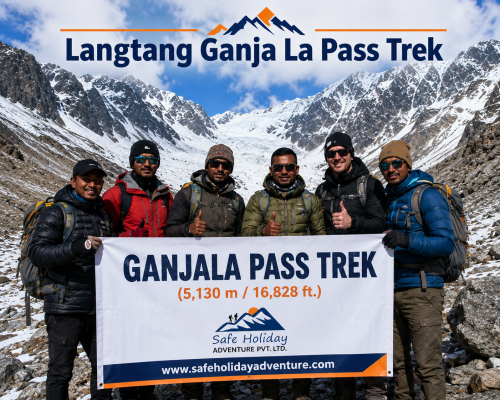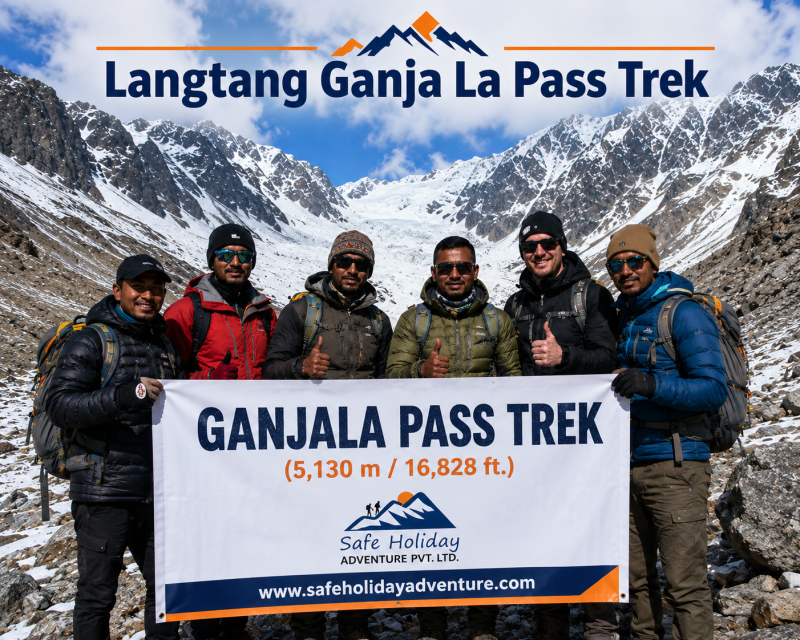


Top Highlights of the Langtang Ganja La Pass Trek: Highlights
- Ganjala Pass (4,600–4,800m) – The central highlight, offering breathtaking panoramic views of the Himalayas, including peaks like Annapurna, Dhaulagiri, and Manaslu.
- Remote Himalayan Villages – Experience traditional Nepalese village life, local Tamang and Gurung cultures, and authentic hospitality.
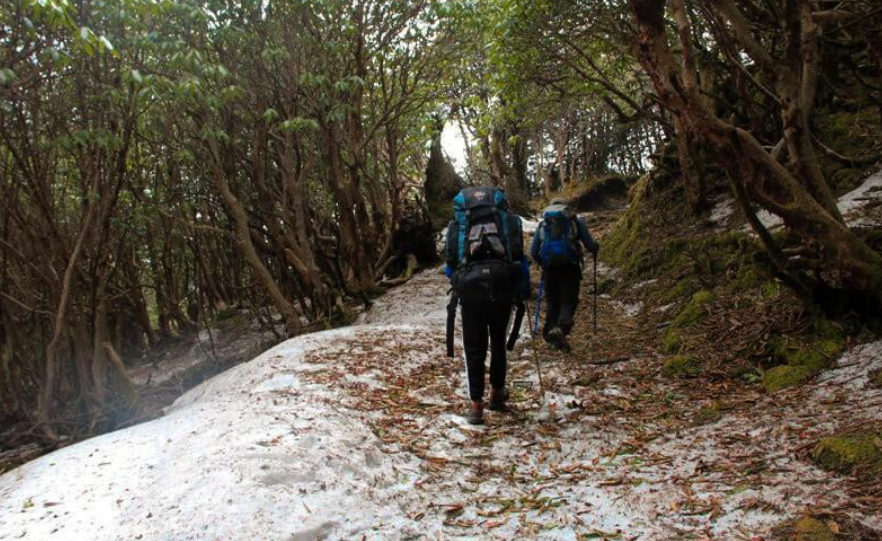
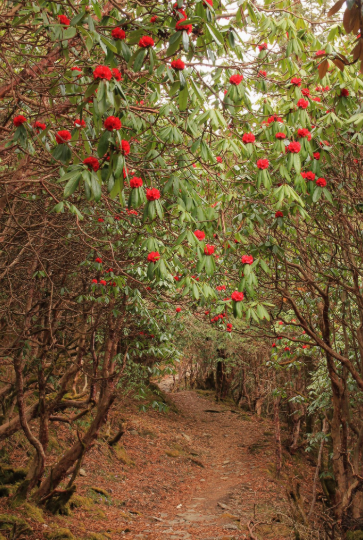
- Pristine Nature & Forests – Walk through Rhododendron forests, alpine meadows, and terraced farmlands, especially stunning during spring blooms.
- Rivers & Waterfalls – Trek passes scenic rivers, streams, and waterfalls, perfect for photography and nature lovers.
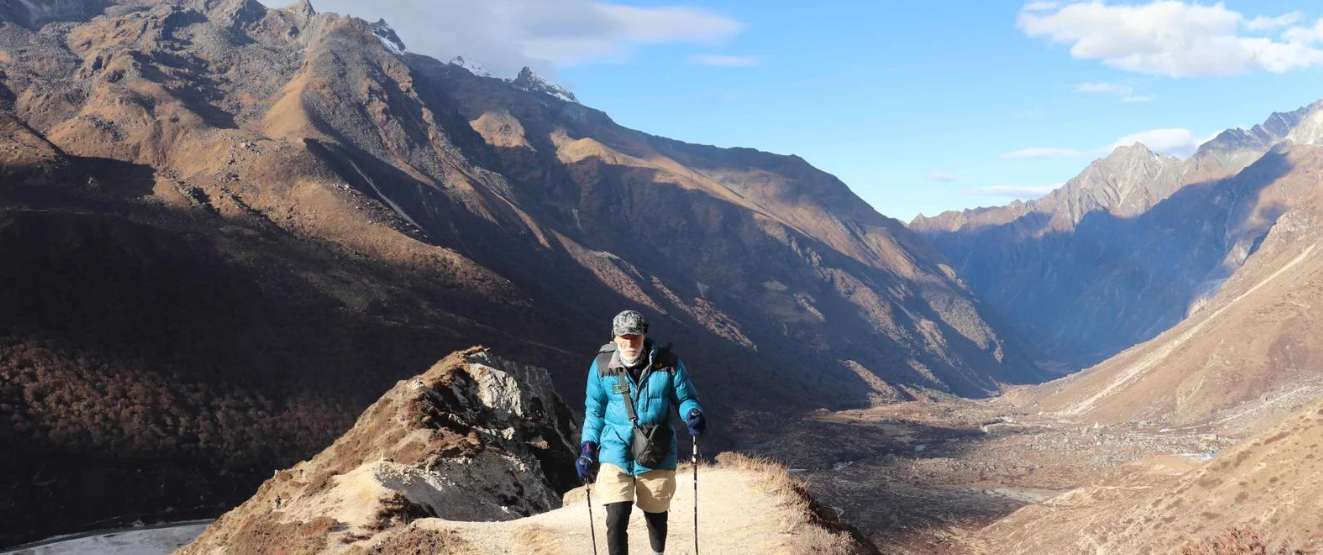
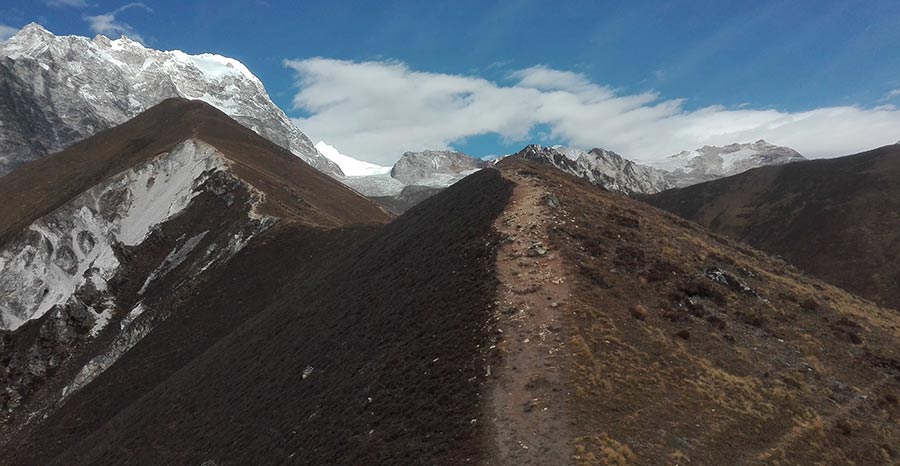
- High Mountain Passes & Ridge Walks – Apart from Ganjala Pass itself, the route includes ridge trails with 360-degree Himalayan views, ideal for sunrise and sunset panoramas.
- Flora and Fauna – Spot Himalayan birds, mountain goats, and sometimes even elusive wildlife in the untouched areas.
- Adventure & Solitude – Since it’s an offbeat trek, expect fewer tourists, offering a peaceful and adventurous trekking experience.
Langtang Ganja La Trek Overview: Overview
The Langtang Ganja La Pass Trek is one of Nepal’s most adventurous and rewarding Himalayan journeys, combining the classic beauty of the Langtang Valley with the thrilling challenge of crossing a high mountain pass at 5,106 meters. This trek is ideal for experienced trekkers seeking a less crowded route that offers dramatic mountain scenery, rich Tamang culture, alpine wilderness, and an authentic camping experience in the remote Himalayas.
The journey begins with a scenic six-hour drive from Kathmandu to Syabrubesi, the gateway to the Langtang region. The road winds through terraced hillsides, river valleys, and traditional rural settlements before reaching this small mountain town. From Syabrubesi, the trek follows the Langtang River through dense forests of rhododendron, oak, and bamboo. The trail gradually ascends to Lama Hotel, offering peaceful surroundings and opportunities to spot wildlife such as Himalayan langurs and colorful birds.
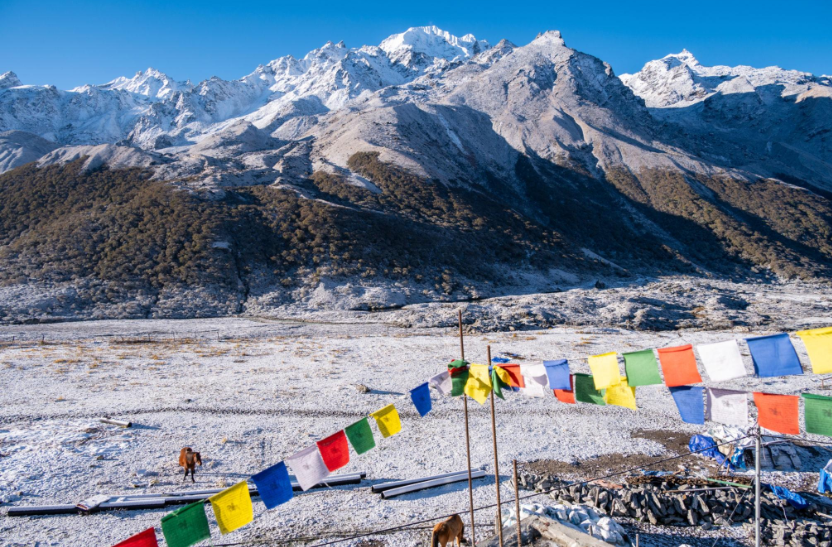
As the trail continues upward, the landscape begins to open. Passing through Ghoda Tabela, the valley widens and reveals increasingly dramatic mountain views. The trek then reaches Langtang Village, a traditional Tamang settlement surrounded by towering peaks. The village, rebuilt after the 2015 earthquake, reflects the resilience and cultural richness of the local community. Prayer flags, mani walls, and stone houses add to the authentic Himalayan atmosphere.
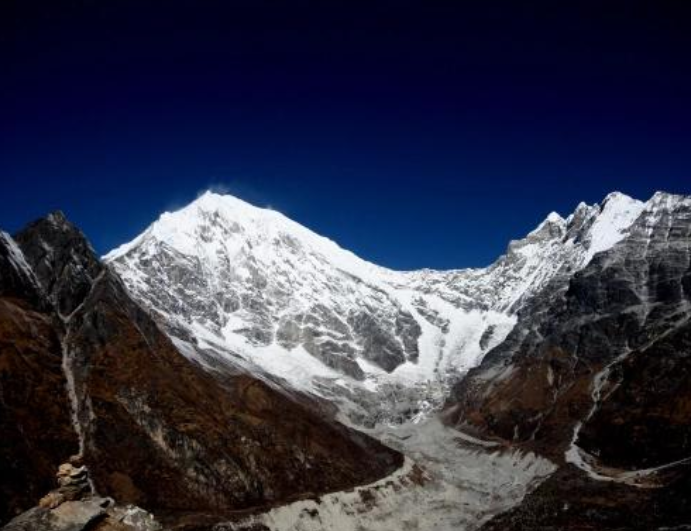
From Langtang Village, the route gently climbs to Kyanjin Gompa, one of the most scenic highlights of the trek. Nestled beneath the towering Langtang Lirung, Kyanjin Gompa is home to an ancient monastery and offers spectacular glacier views. Acclimatization days here include hikes to Kyanjin Ri and Tserko Ri, both of which provide breathtaking panoramic views of the Langtang Himalayan range. These hikes are essential for altitude adaptation and prepare trekkers for the demanding pass ahead.
Leaving the main valley behind, the trail becomes more rugged and remote as it heads toward Ganja La Phedi, where a tented camp is usually required due to the lack of tea houses. The environment turns more alpine and isolated, offering a true wilderness experience. An early morning start is crucial for crossing Ganja La Pass (5,106m). The ascent is steep, physically demanding, and sometimes snow-covered, depending on the season. Reaching the summit is an unforgettable achievement, rewarded with expansive Himalayan views stretching across the Langtang and Helambu regions.
The descent from the pass leads to Dukpu, where trekkers camp overnight. This section is steep and requires careful footing, but the scenery remains spectacular. As the trek continues downward toward Tarkeghyang, the environment gradually changes from rugged alpine terrain to greener hills and culturally rich Sherpa and Tamang villages of the Helambu region. Tarkeghyang is known for its monasteries, traditional houses, and warm hospitality, offering a peaceful conclusion to the trekking portion of the journey.
The adventure ends with a scenic drive back to Kathmandu via Melamchi, completing a remarkable circuit that combines high mountain adventure, cultural immersion, and remote Himalayan exploration.
The Langtang Ganja La Pass Trek stands out for its diversity. It offers lush forests, glacier viewpoints, remote camping, a challenging high-altitude pass, and vibrant local culture — all within a relatively compact region north of Kathmandu. For trekkers seeking a physically demanding yet deeply rewarding Himalayan experience away from crowded trails, this trek represents one of Nepal’s finest adventures.
How Difficult Is the Langtang Ganja La Pass Trek?
The Langtang Ganja La Pass Trek is hard and physically demanding. The main challenge is the high altitude, with the pass reaching around 5,100+ meters. Thin air, steep climbs, and long walking hours make it tough, even for fit trekkers. Altitude sickness is a real risk and must be taken seriously.
It is also difficult because of the rugged terrain. The trail includes rocky paths, snow, ice, and remote sections with no teahouses, so camping is required. Crossing the Ganja La Pass can take many hours and often requires careful footing and proper gear such as crampons or ropes in snowy conditions.
Overall, this trek is best for experienced trekkers with strong physical fitness and prior high-altitude trekking experience. With good preparation and proper acclimatization, the trek becomes manageable, but it is not a beginner-friendly trek.
How to Prepare for the Langtang Ganja La Pass Trek?
The Langtang Ganja La Pass Trek is a high-altitude and exciting adventure in Nepal, reaching over 5,100 meters. It’s a challenging trek with snowy trails, beautiful mountain views, and remote villages. To enjoy it safely, you need good physical fitness, trekking experience, and proper acclimatization for high altitudes.
Pack warm clothing, strong trekking boots, and essential trekking gear, and hire an experienced trekking guide to stay safe on the challenging trails. The best time to trek is during spring or autumn, when the weather is clear and mountain views are at their best. With good preparation and proper care, this trek rewards you with spectacular Himalayan scenery and an unforgettable mountain adventure.
What I Wish I Had Known Before Hiking the Langtang Ganja La Pass Trek:
- The altitude is more challenging than it looks, so proper acclimatization matters.
- Ganja La Pass is demanding and better suited to well-prepared trekkers.
- Camping is required after Kyanjin Gompa on the Ganja La route.
- Mountain weather can change quickly, especially around the pass.
- Snow and ice can make the Ganja La crossing difficult.
- Start the pass crossing early and be prepared for cold conditions.
- Good trekking boots and warm layers make a big difference.
- Food and water can be limited in the remote camping sections.
- An experienced guide and suitable travel insurance add important safety support.
- The challenging climb, remote landscape, and mountain views make the trek truly rewarding.
When to Go and What Weather to Expect on Ganja La Pass Trek
| Month | Average Day Temp (°C) | Average Night Temp (°C) | Weather Conditions | Tips / Notes |
|---|---|---|---|---|
| March | 8 – 12 | -2 – 2 | Cool, snow melting, occasional rainfall | The trail may be muddy; a good start to trekking season |
| April | 10 – 15 | 0 – 4 | Clear skies, mild, occasional rain showers | Ideal trekking weather; rhododendrons start blooming |
| May | 12 – 18 | 2 – 6 | Warm days, clear skies, minimal snow | Excellent trekking conditions; best visibility for mountains |
| June | 14 – 19 | 4 – 8 | Pre-monsoon; occasional rainfall and cloudy skies | Trails may be slippery; start of monsoon |
| July – August | 13 – 17 | 5 – 9 | Heavy monsoon, frequent rain, landslide risk | Not recommended; dangerous trails |
| September | 12 – 18 | 2 – 6 | Post-monsoon, clear skies, excellent visibility | One of the best months for trekking |
| October | 10 – 16 | 0 – 4 | Stable weather, clear skies, dry trails | Peak trekking season; highly recommended |
| November | 5 – 12 | -5 – 0 | Cold, occasional snowfall, crisp air | Good trekking but prepare for cold nights |
| December – February | -2 – 5 | -10 – -4 | Cold and snowy, harsh conditions | Only recommended for experienced trekkers; risk of heavy snowfall |
Best Time to Trek: Late March to May and September to October – clear skies, moderate temperatures, and minimal rainfall make trekking safe and enjoyable.
Who Should Choose the Langtang Ganja La Pass Trek?
Reasons to Choose the Langtang Ganja La Pass Trek:
- Cross the Challenging Ganja La Pass (5,122 m) – Experience one of Nepal’s most rewarding high mountain passes.
- Explore Two Himalayan Regions – Trek through both the beautiful Langtang Valley and Helambu Region.
- Enjoy Stunning Mountain Views – Admire Langtang Lirung, Dorje Lakpa, Gangchempo, Yala Peak, and more.
- Visit the Beautiful Kyanjin Gompa – Explore a famous mountain monastery and traditional Himalayan village.
- Experience Tea Houses and Camping – Combine comfortable lodges with a true wilderness camping adventure.
- Discover Tamang and Sherpa Culture – Meet friendly locals and experience authentic Himalayan traditions.
- Walk Through Diverse Landscapes – Trek across forests, rivers, alpine meadows, glaciers, and rugged mountain terrain.
- Enjoy Peaceful, Less Crowded Trails – Escape the busy trekking routes and experience the Himalayas in tranquility.
- Spot Wildlife in Langtang National Park – Look for red pandas, Himalayan thar, musk deer, and colorful birds.
- Take on a True Himalayan Adventure – Perfect for experienced trekkers seeking challenge, spectacular scenery, and unforgettable memories.
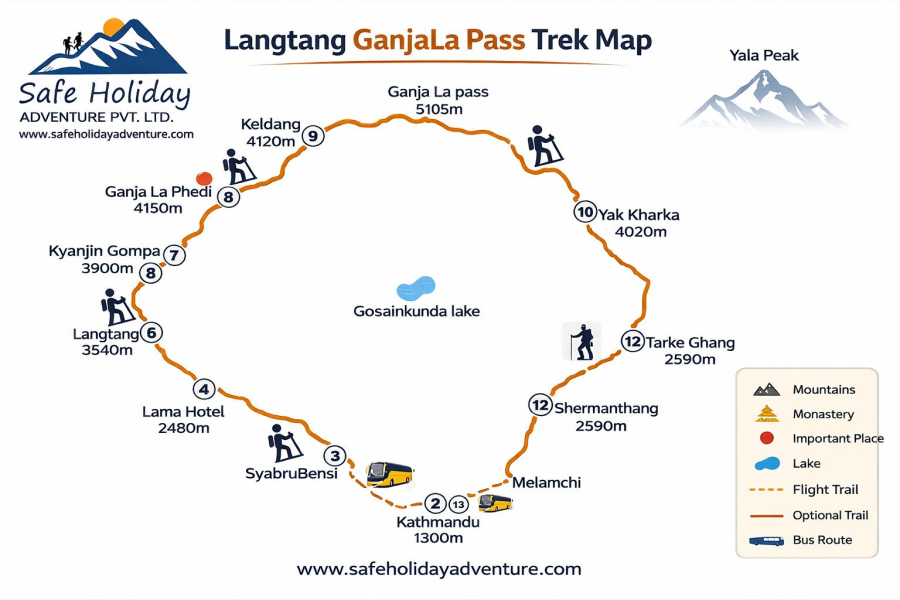
10 Day Lantang Ganja La Pass Trek Itinerary:Outline Itinerary
Day 1: Kathmandu (4,593 ft / 1,400 m) to Syabrubesi (4,985 ft / 1,520 m): (57.8 miles / 122 km).
Day 2: Syabrubesi to Lama Hotel (7,118 ft / 2,170 m):(~6 miles / 10 km).
Day 3: Lama Hotel to Langtang Village (11,482 ft / 3,500 m):(~6 miles / 10 km).
Day 4: Langtang Village to Kyanjin Gompa (12,664 ft / 3,860 m):(~4 miles / 6.5 km).
Day 5: Acclimatization Day at Kyanjin Gompa: (~2-3 miles / 3-5 km).
Day 6: Kyanjin Gompa to Ngen-Gang Kharka 4,000 m-5 hours. (13,123 ft / 4,000 m): (~17 mi / 27 km).
Day 7: Cross Ganja La Pass (16,798 ft / 5,122 m), Descend to Keldang (12,008 ft / 3,660 m): (~4 mi / 6.5 km).
Day 8: Keldang to Dukpu (13,451 ft / 4,100 m): (~5 mi / 8 km).
Day 9: Dukpu to Tarke Gyang (7,874 ft / 2,400 m): (~7 mi / 11 km).
Day 10: Tarke Gyang to Kathmandu (1450 m/4429 ft):(~7 mi / 11 km).
Included in the Package
- Visa and International Flights: Nepal visa fees and international airfare are not included.
- Wi-Fi and Personal Services: Wi-Fi, battery charging, hot showers, and laundry are not included.
- Drinks: Tea, coffee, juice, soft drinks, bottled water, and other beverages are excluded.
- Extra Food and Snacks: Any food or snacks beyond the included meals are at your own cost.
- Additional Activities: Activities not mentioned in the itinerary are charged separately.
- Tips: Tips for guides and drivers are not included and are at your discretion.
Dates and Availability Departures
All our published dates are guaranteed departures. We also provide customized departures tailored to your travel plans.
October 2026
November 2026
Travellers Reviews
Luka Aum
Russia | April,2026
A Journey Through Himalayan Beauty
Beautiful trekking experience. The guide was very helpful, and the porter service was excellent. Safe Holiday Adventure Pvt. Ltd. really takes care of everything.
Luka Aum
Russia
Brandy Miscoe
Germany | Oct, 2025
Excellent Trekking Experience – Langtang Ganja La Pass Trek
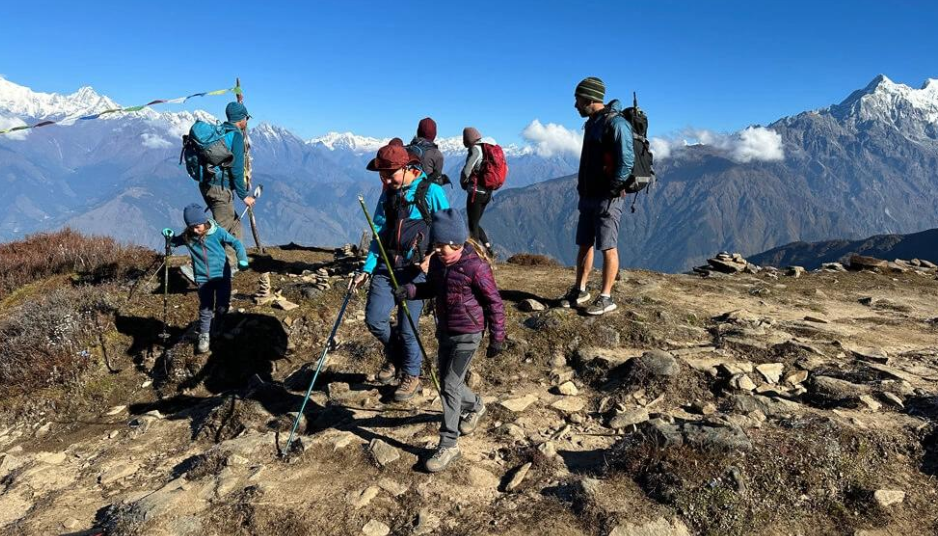
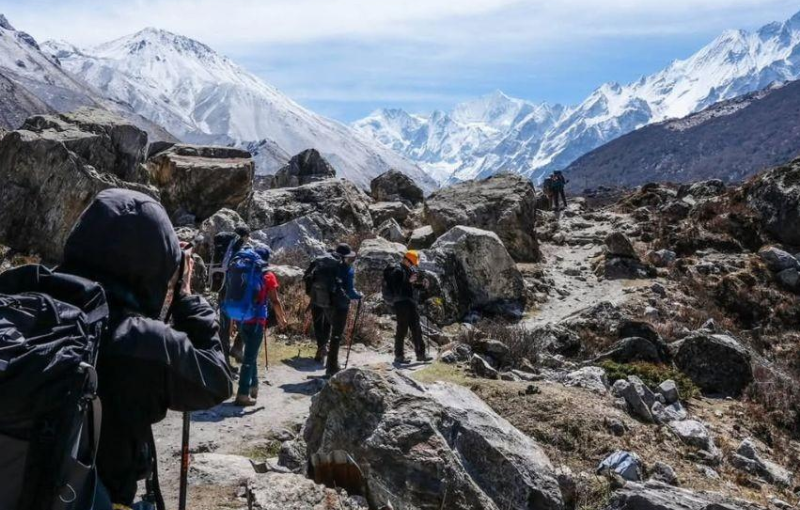
Our Langtang Ganja La Pass Trek was one of the most challenging and rewarding journeys we’ve ever done. Everything was perfectly organized from start to finish by Safe Holiday Adventure Pvt. Ltd.
Our guide Dharma was extremely professional, always prioritizing safety, especially in high-altitude sections. Our porter Prem was incredibly strong and supportive throughout the trek.
Crossing Ganja La Pass was tough, but with this team, we always felt safe and well taken care of. We truly couldn’t have done it without them.
Brandy Miscoe & Husband
Germany

Steva Plaie
Australia | March, 2024
Adventure of a Lifetime: Langtang Ganja La Pass Trek
I’m Steva Plaie from Australia. In March 2024, I trekked the Langtang Ganja La Pass – 10 Days with SafeHolidayAdventure.com, guided by Ram Porter Hari. The trek was breathtaking, with amazing Himalayan views and a well-organized, safe journey. Highly recommended for anyone wanting an unforgettable Nepal trekking adventure.


Lgino Lorenzon
Africa | Nov,2025
A Safe and Stunning Trek for Our Family
My family and I, the Lorenzons from Africa, had an incredible experience on the 10-day Langtang Ganja La Pass Trek with SafeHolidayAdventure.com. The trek was breathtaking, with stunning landscapes and serene mountain views at every turn. Our guides, Rupesh and Muskan, were exceptional – professional, knowledgeable, and always attentive to our safety and comfort. Every part of the journey, from planning to the actual trek, was seamless and well-organized. We couldn’t have asked for a better adventure and would highly recommend SafeHolidayAdventure.com to anyone looking for a safe, unforgettable trekking experience in Nepal.

Genaral Trip InfoInfos
Food and Accommodation on the Ganja La Pass Trek:
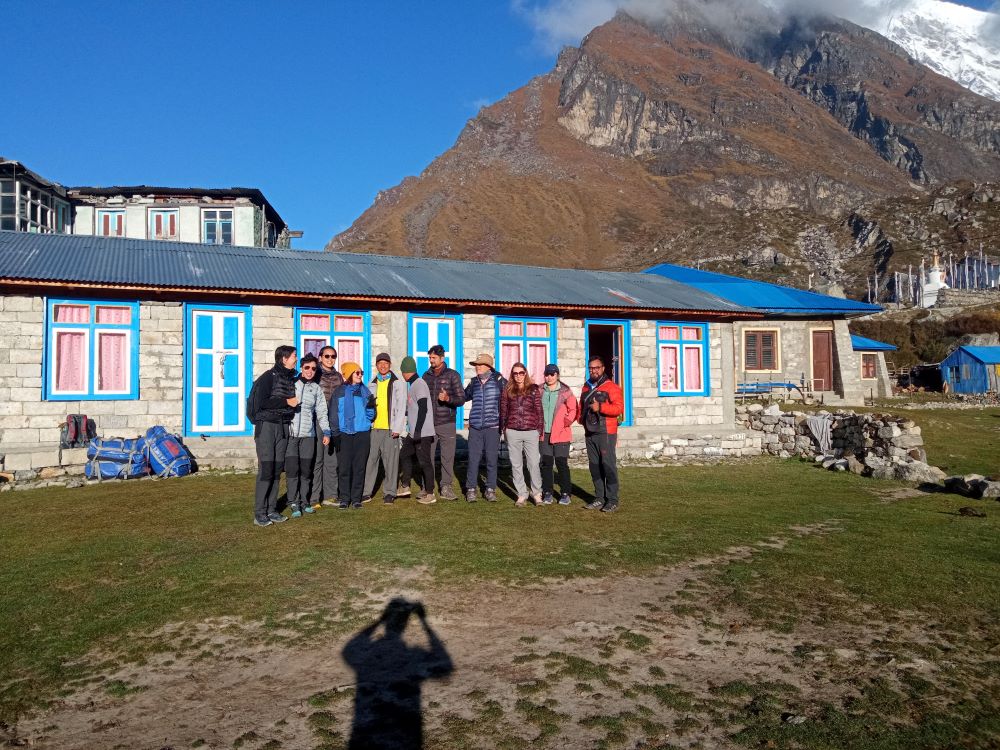
The Ganja La Pass Trek offers simple meals and basic accommodation throughout the journey. In the lower Langtang Valley, trekkers stay in comfortable teahouses that provide warm hospitality and a relaxing place to rest after each day’s hike.
The teahouses serve a variety of freshly prepared meals, including dal bhat, noodles, fried rice, soups, pasta, and hot tea or coffee. These nutritious meals help keep your energy levels up during the trek.
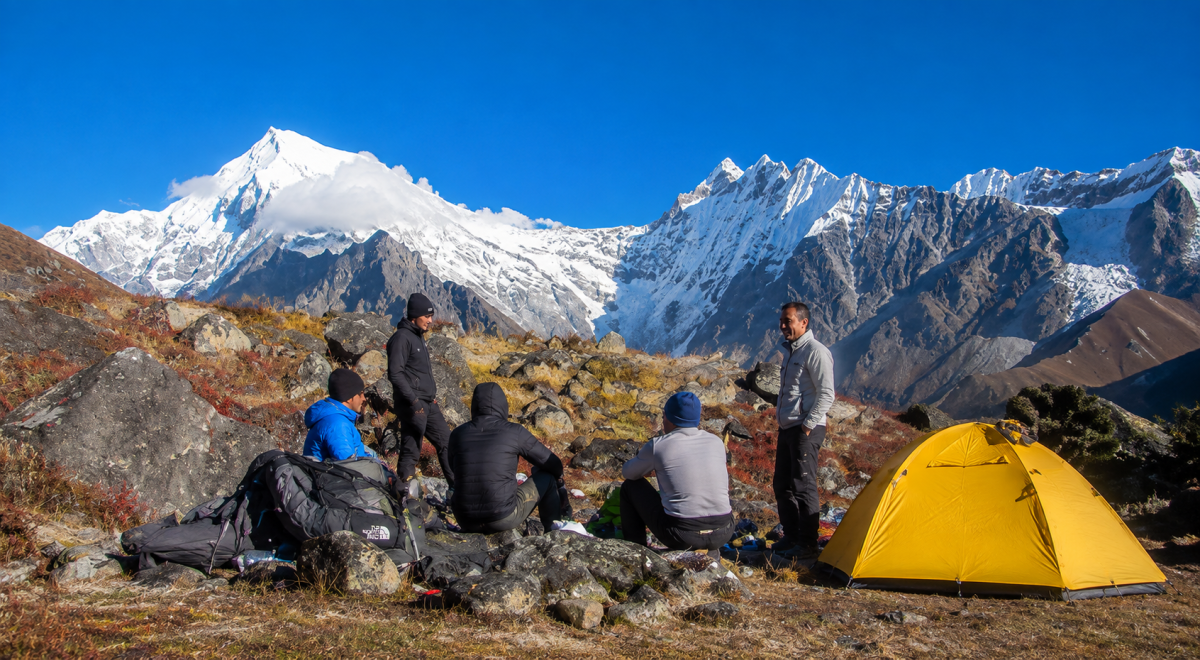
Beyond Kyanjin Gompa, as the route approaches Ganja La Pass, camping is required because there are no teahouses in this remote section. Your trekking crew prepares fresh meals and sets up comfortable tents, allowing you to enjoy a true Himalayan wilderness experience surrounded by spectacular mountain scenery.
Why Ganja La Pass is considered challenging:
The Ganja La Pass is considered challenging mainly because of its high altitude, unpredictable weather, and remote mountain terrain. At over 5,000 meters, the air becomes much thinner, making even normal walking feel exhausting. The trail is often steep, rocky, and sometimes covered with snow, which can make navigation more difficult.
Another challenge is that beyond Kyanjin Gompa, there are no teahouses. Trekkers usually spend two nights camping before crossing the pass. During this section, you should be prepared for cold temperatures, basic camping facilities, and limited water sources.
Apart from the camping section, the rest of the Langtang Valley Trek follows a well-established trail with comfortable teahouse accommodation, making it much more manageable for well-prepared trekkers.
Best Time to Trek the Ganja La Pass in Langtang
The best time for the Ganja La Pass Trek is during spring (March to May) and autumn (September to November). These seasons offer clear skies, stable weather, comfortable trekking conditions, and spectacular Himalayan mountain views, making them ideal for crossing the Ganja La Pass safely.
In spring, the trails come alive with colorful rhododendron forests, lush landscapes, and pleasant temperatures. During autumn, you can enjoy crisp mountain air, excellent visibility, and breathtaking views of the Langtang Himal, creating perfect conditions for photography and high-altitude trekking.
Although the trek is possible at other times of the year, winter often brings heavy snowfall, icy trails, and freezing temperatures around the pass, while the monsoon season brings frequent rain, slippery trails, and an increased risk of landslides. For the safest and most rewarding experience, we highly recommend planning your Ganja La Pass Trek in spring or autumn.
Are a Guide and Porter necessary for trekking Ganja La Pass in Langtang?
Yes, hiring a guide and porter is highly recommended for the Ganja La Pass trek in Langtang, though not strictly mandatory. Here’s why:
- Navigation: The trail over Ganja La can be difficult to follow, especially on snow, glacier patches, or rocky sections. A guide knows the safest route.
- Safety: The pass is at 5,130 m, and the weather can change suddenly. Guides help manage altitude risks and emergencies.
- Porter help: Carrying heavy gear at high altitude is exhausting. A porter can carry tents, food, or extra clothing, reducing fatigue and risk.
- Local knowledge: Guides provide insights on acclimatization, culture, and local villages along the trek.
For inexperienced trekkers, or those crossing during the snowy season, a guide and porter are essential.
What to Pack for Langtang Ganja La Pass Trek?
- Clothing: thermal base layers, fleece jacket, down jacket, waterproof shell, trekking pants, shorts (for lower altitudes), t-shirts, warm hat, sun hat, gloves, scarf or buff, trekking socks, gaiters.
- Footwear: sturdy trekking boots, camp shoes, or sandals.
- Gear: backpack (40–50 L), trekking poles, headlamp, water bottles or hydration system, sleeping bag (rated for cold), sunglasses, sunscreen, lip balm, personal first aid kit, trekking permit and ID, camera or phone, power bank.
- Optional: snacks, lightweight towel, hand sanitizer, small repair kit, journal.
Symptoms of Acute Mountain Sickness (AMS) while trekking to Ganjala Pass Langtang:
For trekking to Ganjala Pass in the Langtang region, Acute Mountain Sickness (AMS) symptoms include:
Common Symptoms
- Headach
- Nausea or vomiting
- Fatigue, weakness
- Dizziness
- Loss of appetite
- Trouble sleeping
Severe Symptoms / Warning
- Shortness of breath at rest
- Swelling of hands, feet, or face
- Confusion, poor coordination
- Persistent vomiting
Prevention: Ascend gradually, rest/acclimatize, stay hydrated, avoid alcohol, and descend if symptoms worsen.
Accommodation After Crossing Ganja La Pass: Where Do Trekkers Stay?
After crossing Ganja La Pass (5,122 m / 16,804 ft) from the Langtang Valley side, trekkers descend into the Helambu Region. Unlike the western side, there are no tea houses immediately after the pass, so camping is necessary.
Accommodation After Crossing Ganja La Pass
- Keldang (Camping)
- Accommodation: Camping only
- Altitude: Approximately 4,270 m (14,009 ft)
- Walking Time: 4–6 hours from Ganja La Pass
- Facilities: No lodges or tea houses. Your trekking crew sets up tents and prepares meals.
- Yak Kharka (Camping)
- Accommodation: Camping only
- Altitude: Approximately 4,000 m (13,123 ft)
- Facilities: Open grazing land with beautiful mountain scenery. No permanent lodges.
- Tarke Gyang
- Accommodation: Comfortable tea houses and lodges
- Altitude: 2,590 m (8,497 ft)
- Walking Time: 6–7 hours from the camping area
- Facilities:
- Twin-sharing room
- Local and international meals
- Hot drinks
- Limited Wi-Fi and charging (available in some lodges)
- Warm dining hall
Important Note
The Helambu side of Ganja La Pass has no permanent accommodation until Tarke Gyang. For this reason, at least one night of camping equipment is essential after crossing the pass. Most trekking groups spend the first night at Keldang, then continue to Tarke Gyang the following day.
This is one of the reasons the Langtang Ganja La Pass Trek is considered an adventure camping trek, combining remote wilderness camping with traditional tea house accommodation before and after the high pass.
Detailed ItineraryItinerary
Kathmandu to Syabrubesi (2,380 m / 7,808 ft)
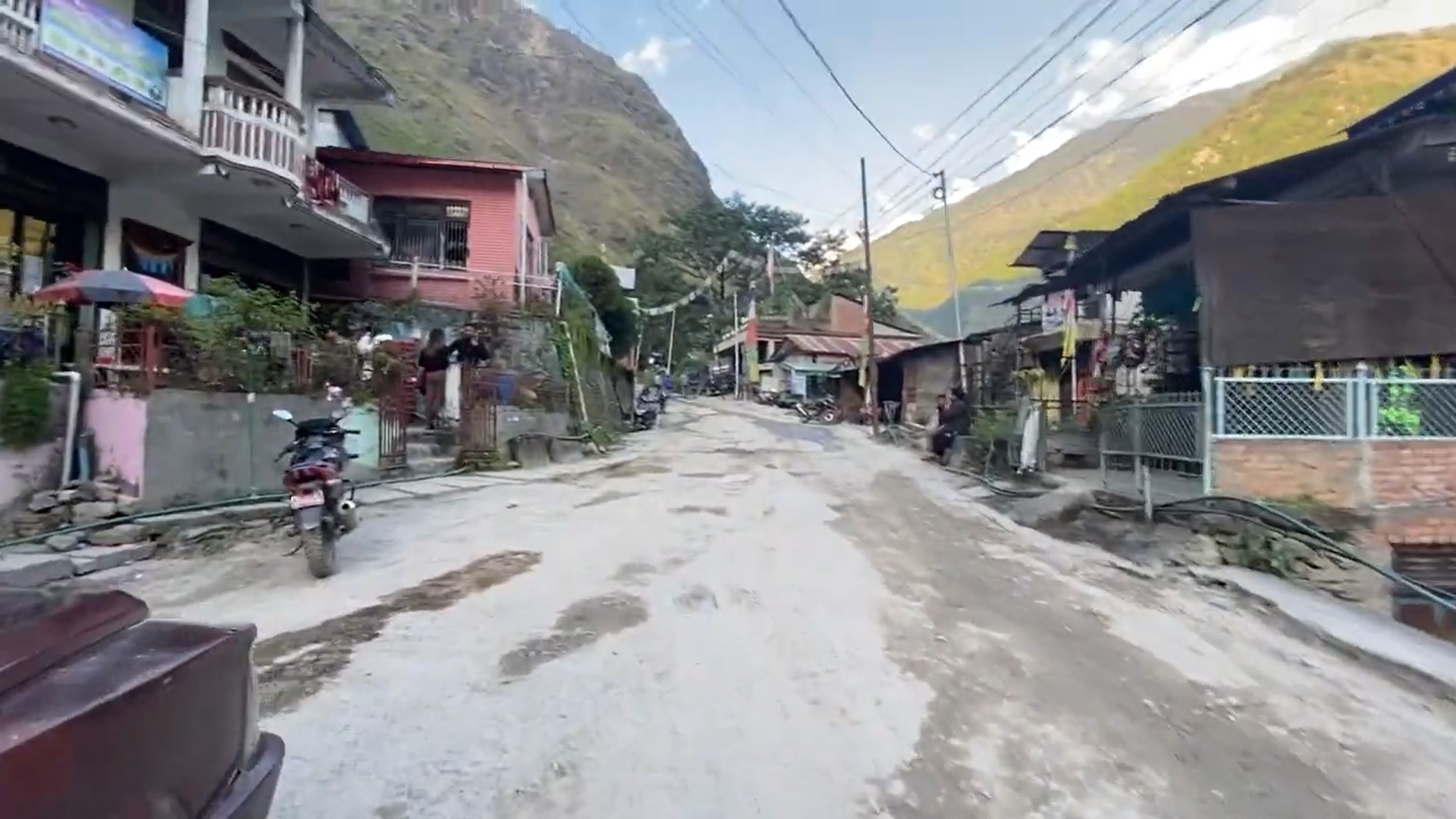
After enjoying a hearty breakfast at your hotel in Kathmandu, you begin your adventurous journey to Syabrubesi. The drive covers approximately 122 km (76 miles) and usually takes 7–8 hours, depending on road and traffic conditions. As you leave the bustling capital behind, the landscape transforms into lush green hills, flowing rivers, terraced farms, and charming rural villages.
Along the way, you’ll experience the beauty of Nepal’s countryside while following winding mountain roads with occasional views of the Himalayan foothills. The scenic drive offers a wonderful introduction to the natural beauty and culture that await you on the Langtang Ganja La Pass Trek.
Upon reaching Syabrubesi (2,380 m / 7,808 ft), you will check into a comfortable tea house for the night. Surrounded by peaceful mountain scenery, terraced fields, and fresh air, this welcoming village provides the perfect place to relax, enjoy dinner, and prepare for the exciting trekking adventure beginning the following morning.

Accommodation : Teahouse Meals : Breakfast, Lunch & Dinner
Trek from Syabrubesi to Lama Hotel (2,470 m / 8,104 ft)

Accommodation : Teahouse Meals : Breakfast, Lunch & Dinner
Trek from Lama Hotel (2,470 m) to Langtang Village (3,430 m)
After breakfast at Lama Hotel (2,470 m), you follow the scenic trail alongside the Langtang Khola, gradually climbing through beautiful forests of pine, oak, maple, and rhododendron. As you gain altitude, the dense woodland begins to thin, revealing dramatic views of the surrounding Himalayan peaks. After about 3 hours, you arrive at Ghoda Tabela (2,970 m), where you stop for lunch and present your Langtang National Park permit at the army check post.
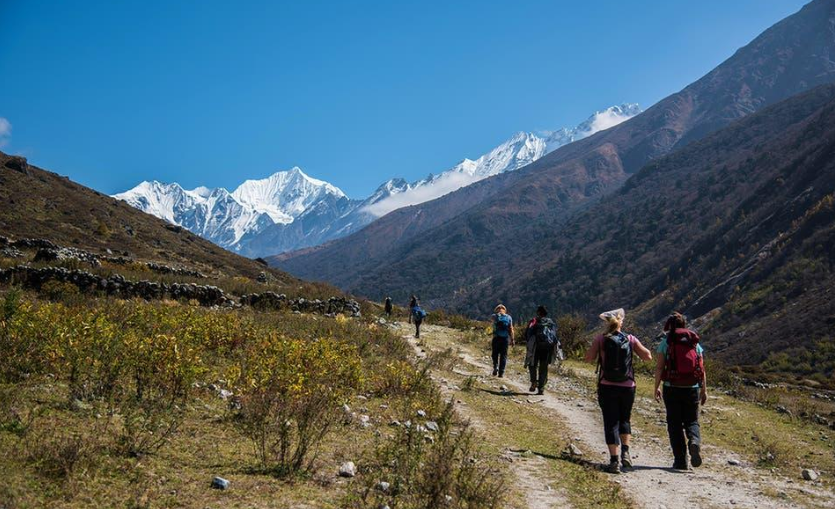
Leaving Ghoda Tabela, the trail enters a wide glacial valley with spectacular views of Langtang Lirung (7,227 m) and surrounding snow-covered mountains. You pass the small settlements of Thyangsyap (3,140 m) and Chyamki (3,230 m), crossing wooden bridges, yak grazing fields, stone walls, and prayer flags. Along the way, you may meet local Tamang villagers, yak caravans carrying supplies, and fellow trekkers exploring the beautiful Langtang Valley.
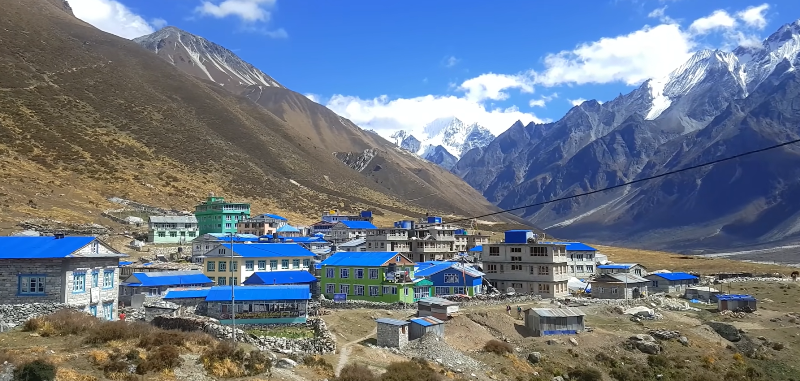
After approximately 6–7 hours of trekking, you reach Langtang Village (3,430 m / 11,253 ft), a traditional Tamang settlement rebuilt after the 2015 earthquake. Surrounded by towering Himalayan peaks and alpine meadows, the village offers comfortable tea houses, warm hospitality, and breathtaking mountain scenery. After checking into your lodge, you can relax, enjoy a freshly prepared dinner, and prepare for the higher-altitude adventure ahead.
Accommodation : Teahouse Meals : Breakfast, Lunch & Dinner
Trek from Langtang Village (3,430 m) to Kyanjin Gompa (3,870 m)
After breakfast, you leave Langtang Village (3,430 m) and follow a gentle trail through Mundu (3,442 m), wide yak pastures, and beautiful alpine meadows. The trail crosses small streams and offers breathtaking views of Langtang Lirung (7,227 m), Gangchempo, Dorje Lakpa, and other snow-covered peaks.
After 3–4 hours, you arrive at Kyanjin Gompa (3,870 m), the highest permanent settlement in the Langtang Valley. Visit the famous Buddhist monastery, explore the local yak cheese factory, and enjoy the peaceful mountain surroundings. This is also an important acclimatization stop before continuing toward the challenging Ganja La Pass.


Accommodation : Teahouse Meals : Breakfast, Lunch & Dinner
Acclimatization Day at Kyanjin Gompa (3,860 meters)

Accommodation : Teahouse Meals : Breakfast, Lunch & Dinner
Kyanjin Gompa to Ganja La Base Camp (Ngen-Gang Kharka) (4,000 meters)
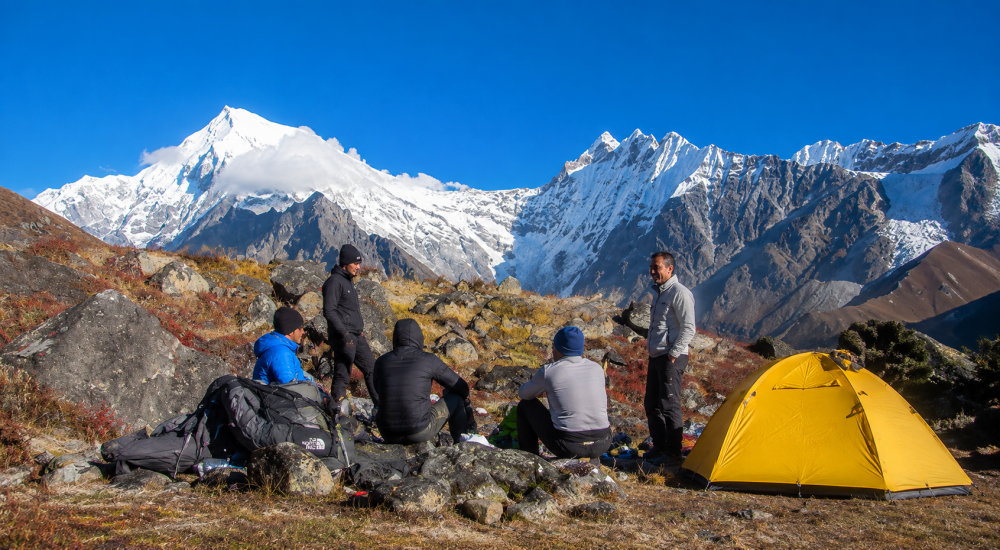
Today’s trek is one of the most exciting stages of the Langtang Ganjala Pass Trek, taking you from Kyanjin Gompa (3,860 meters) to Ganja La Base Camp (Ngen-Gang Kharka) (4,000 meters / 13,123 ft). Covering approximately 27 km (17 miles) in 7–8 hours, the trail leads away from the popular Langtang Valley into a peaceful alpine wilderness. As you gain elevation, the landscape becomes more dramatic, with rocky trails, glacial streams, and spectacular views of towering snow-capped peaks creating an unforgettable Himalayan experience.
This is a rewarding day for adventurous trekkers, as the route brings you closer to the remote Ganja La Pass while offering a true sense of solitude and natural beauty. Upon reaching Ganja La Base Camp, you will stay in a basic seasonal campsite or simple shelter, depending on the trekking season. After enjoying the stunning mountain surroundings, take time to rest, hydrate, and prepare for the most challenging and rewarding day of the Langtang Ganjala Pass Trek—the early morning crossing of the famous Ganja La Pass (5,122 meters) on the following day.
Accommodation : Teahouse Meals : Breakfast, Lunch & Dinner
Cross Ganja La Pass, Descend to Keldang (5,122 meters, 3,660 meters)
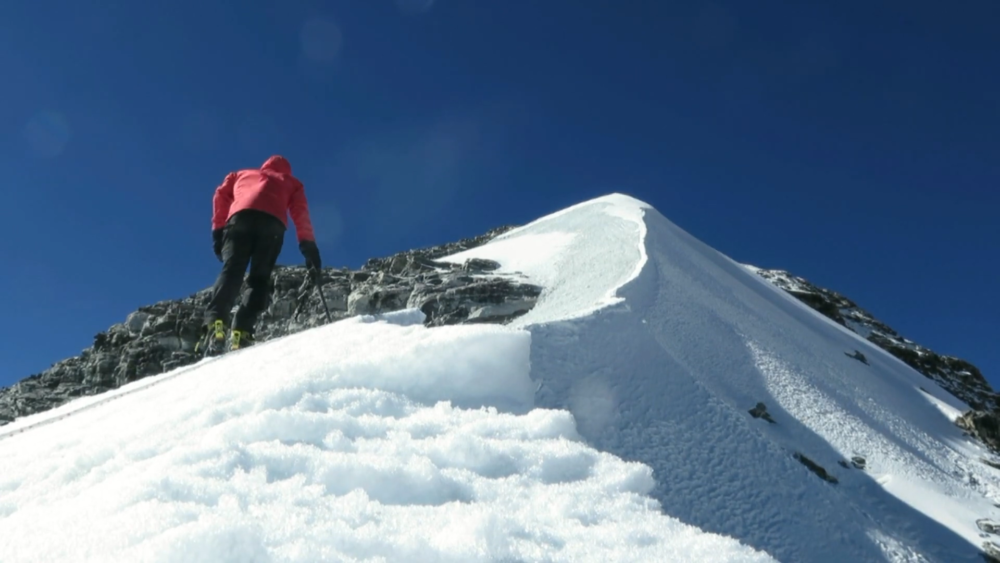
Today is the highlight of the Langtang Ganjala Pass Trek and the most adventurous day of your journey. We start very early, around 3:00–4:00 AM, after a light breakfast and a detailed safety briefing from your experienced trekking guide. Leaving Ganja La Base Camp (4,000 m) with headlamps, we begin the steady climb towards Ganja La Pass (5,122 m / 16,798 ft). The trail is steep, rocky, and may be covered with snow depending on the season, so we walk at a slow, steady pace while your guide carefully monitors the group. Ropes may be used on some sections if conditions require, ensuring a safe crossing.
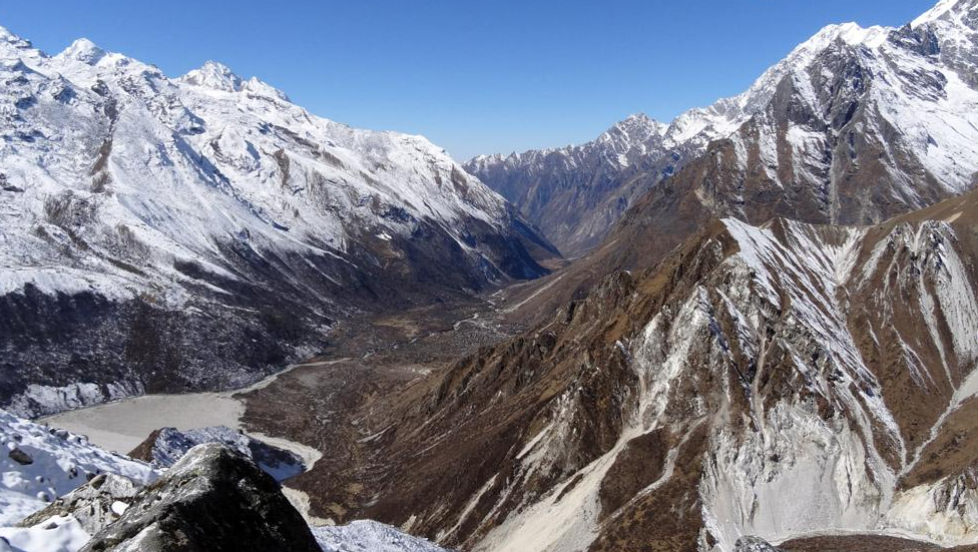
After 4–5 hours of climbing, we normally reach the top between 8:00 and 9:00 AM. Standing on Ganja La Pass is a truly unforgettable achievement, rewarded with breathtaking panoramic views of the Langtang Himal, Dorje Lakpa, Shishapangma, and many surrounding Himalayan peaks. Take time to celebrate, capture photos, and enjoy one of the finest viewpoints in the Langtang region.
We then begin the descent into the beautiful Helambu region. The first section is steep and technical before the trail gradually leads through peaceful alpine meadows, yak pastures, and remote mountain landscapes. After approximately 8–10 hours of total trekking, we arrive at Keldang (3,660 m / 12,008 ft), where you can relax at a simple mountain lodge or seasonal shelter and celebrate successfully crossing one of Nepal’s most spectacular high mountain passes.

Accommodation : Teahouse Meals : Breakfast, Lunch & Dinner
Keldang to Dukpu (4,100 meters)
Leaving Keldang behind, the trail continues through the peaceful Helambu region, winding across alpine meadows, yak pastures, and quiet mountain valleys. The route offers a more relaxed walk after the challenging Ganja La Pass crossing, with beautiful Himalayan scenery along the way.
With an experienced guide and support team, you can trek at a comfortable pace while experiencing the local culture and surrounding mountain landscape.
After approximately 4–5 hours of trekking (8 km), you reach Dukpu at 4,100 m, where you spend the night in a simple mountain lodge.

Accommodation : Teahouse Meals : Breakfast, Lunch & Dinner
Dukpu to Tarke Gyang (2,400 meters)
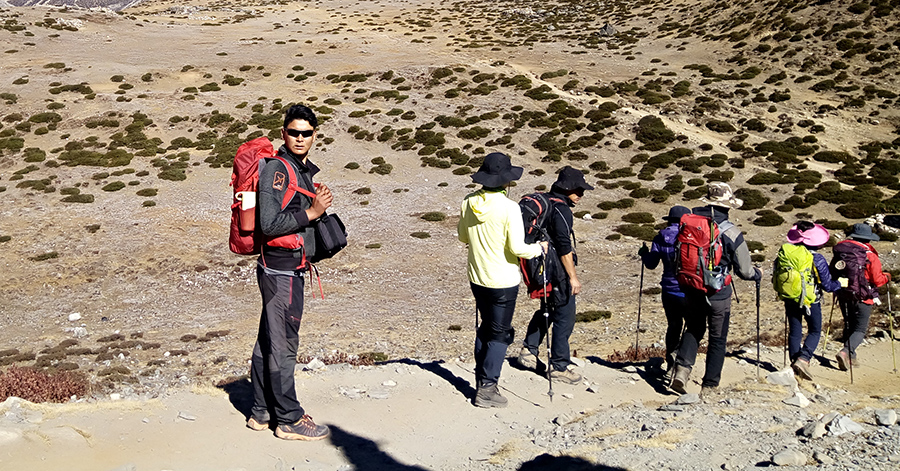
After several days in the high Himalayas, today’s walk offers a relaxing descent through lush rhododendron forests, peaceful hillsides, and traditional villages. It’s the perfect opportunity to enjoy the changing scenery and reflect on your incredible Langtang Ganjala Pass Trek.
Accompanied by Safe Holiday Adventure’s experienced guide and support team, you’ll pass ancient prayer flags, mani walls, and local settlements before reaching the beautiful Helambu village of Tarke Gyang (2,400 m), famous for its rich Buddhist heritage and welcoming community.
After 5–6 hours of trekking (approximately 11 km), arrive at a comfortable tea house and celebrate the successful completion of your trekking adventure. Visit the historic monastery, meet friendly locals, and enjoy your final evening in the Himalayas before returning to Kathmandu the next day.

Accommodation : Teahouse Meals : Breakfast, Lunch & Dinner
Tarke Gyang to Kathmandu
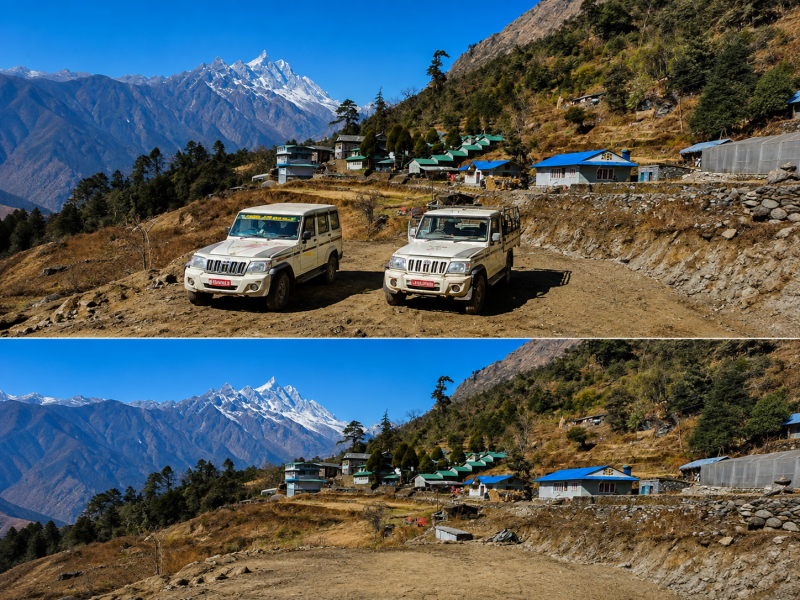
After an unforgettable journey across the spectacular Ganja La Pass, it’s time to return to Kathmandu. Following breakfast, we travel by shared local jeep or private vehicle through the scenic Helambu region, passing beautiful hills, terraced farms, rhododendron forests, and traditional mountain villages along the way.
The drive takes approximately 5–6 hours, depending on road conditions, before arriving in the vibrant capital city. As your Langtang Ganjala Pass Trek comes to an end, you’ll leave with unforgettable memories of breathtaking Himalayan landscapes, rich local culture, and the rewarding achievement of crossing one of Nepal’s most adventurous high mountain passes.
On behalf of the entire Safe Holiday Adventure team, we sincerely thank you for trekking with us. We hope to welcome you again for another exciting Himalayan adventure in Nepal.
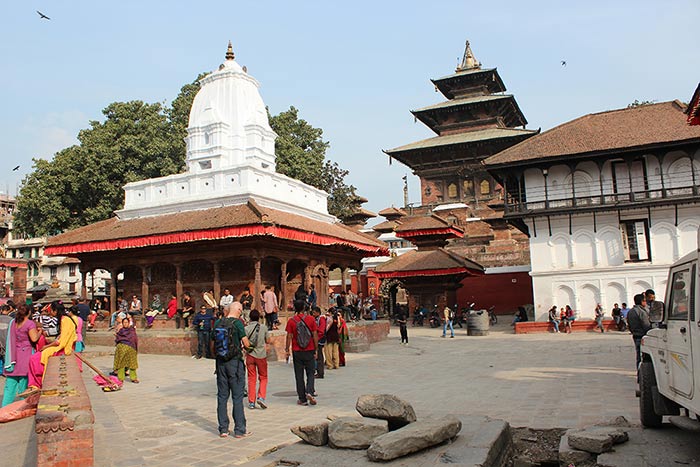
Accommodation : Hotel Meals : Breakfast
Langtang Ganja La Pass Note:
We have designed this Langtang Ganja La Pass Trek as a 10-day adventure, but the itinerary can be fully customized to match your schedule, fitness level, and travel preferences. The journey includes the beautiful Langtang Valley, Kyanjin Gompa, and the thrilling Ganja La Pass (5,122 m), with proper acclimatization for a safe and enjoyable experience. Every day combines spectacular Himalayan scenery, cultural encounters, and unforgettable trekking adventures.
Langtang Ganja La Pass Trek FAQs:
The trek is located in the Langtang region of Nepal, north of Kathmandu, connecting Langtang Valley with the Helambu region.
It is a challenging high-altitude trek with steep climbs, rocky trails, and snowy sections near the pass.
Ganja La Pass stands at approximately 5,130 meters above sea level.
Essential items include layered clothing suitable for changing weather conditions, sturdy trekking boots, a sleeping bag rated for cold temperatures, toiletries, sunscreen, and a headlamp with spare batteries.
The total cost depends on factors like permits, accommodation, meals, guide/porter fees, and personal expenses. Budget approximately USD 800-1200 for a 10-12 day trek, excluding international flights.
Most trekkers complete the trek in 10 to 14 days, depending on the itinerary and acclimatization days.
Spring and autumn are the best seasons because of stable weather and clear mountain views.
Yes, previous trekking experience and good physical fitness are highly recommended for this trek.
Hiring a guide is strongly recommended for safety, navigation, and altitude management.
Trekkers need the Langtang National Park Permit and TIMS card for this trek.
Basic teahouses, 2 Nights Tented camp, and lodges are available along most parts of the trail.
Yes, altitude sickness can occur due to the high elevation, especially near Ganja La Pass.
Teahouses serve simple meals like dal bhat, noodles, soup, tea, rice, and fried snacks.
The trek is not ideal for complete beginners because of the difficult terrain and high altitude.
Highlights include Langtang Valley, mountain views, Tamang villages, forests, glaciers, and Ganja La Pass.
Pack warm clothing, waterproof gear, trekking boots, sleeping bag, trekking poles, sunscreen, and a first aid kit.
Refund & Cancellation Policy
- Booking requires 20% non-refundable deposit (Nepal) or 100% upfront (Tibet/Bhutan).
- Remaining payment due before the trip or on arrival (trip-dependent).
Cancellation charges:
- 31+ days: 20%
- 16–30 days: 45%
- 8–15 days: 75%
- 7 days or less: 90%
- Prices may change due to flights, taxes, or exchange rates.
- Trip changes are allowed, but extra costs apply.
- If the company cancels, a full refund, except for unavoidable events (some costs deducted).
- Good health and travel insurance are mandatory.
- No refund if removed for unsafe or illegal behavior.
- Travel involves personal risk, which the client accepts.