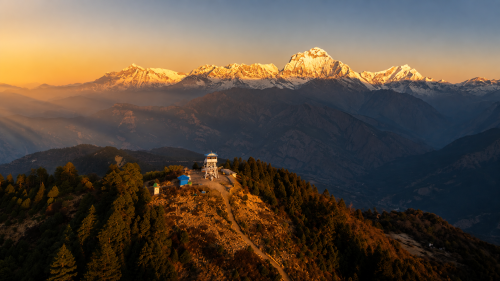
Australian Camp and Dhampus Hike Highlights: Highlights
- Breathtaking panoramic views of the Annapurna range, including Machhapuchhre (Fish Tail Mountain).
- Spectacular sunrise and sunset views from Australian Camp & Dhampus Village.
- Serene Natural surroundings in Australian Camp and Dhampus.
- Interaction with the local Gurung community and their unique culture.
- Flavorful and nourishing traditional Nepalese cuisine.
- Ancient temples and shrines with rich history.
- Peaceful countryside escape from city life.
- Lush forests and meadows full of wildflowers and birds.
- Plenty of photo opportunities of mountains and local culture.
- Experienced guides who share knowledge about local flora and fauna.
- Physical and mental challenges leading to personal growth.
- Peace and tranquility in Nature.
Australian Camp and Dhampus Village Hike Introduction: Overview
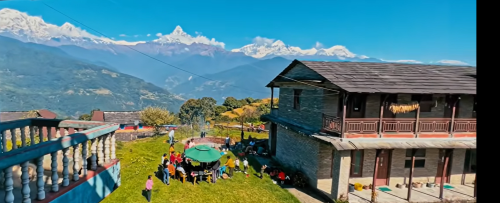
The 2-Day Trek to Australian Camp & Dhampus is a short yet rewarding trek that starts from Pokhara. After a scenic one-hour drive to Kande, the trek begins. From Kande, we start our journey with a steep stone staircase leading through a lush forest. The path takes us about 1 to 1.5 hours to reach Australian Camp, a beautiful vantage point at an altitude of 2,050 meters. This spot offers a breathtaking panorama of the Annapurna South (7,219m), Hiuchuli (6,441m), Fishtail (Machapuchare) (6,993m), Annapurna II (7,937m), Annapurna IV (7,525m), and Lamjung Himal (6,931m). The view of the Pokhara Valley below is also mesmerizing, making it an unforgettable experience. Australian Camp is a peaceful village, perfect for relaxing and soaking in the Himalayan beauty.
The second day starts with a 20-minute descent to Pothana, a small village where we can take a short break. Continuing downhill for about one hour, we reach Dhampus, a larger Gurung village. Here, we can explore traditional Gurung houses, built in a simple, rustic style with wooden and stone materials. The villagers are known for their hospitality, and the local farms and agricultural land give us a glimpse into their daily lives. Dhampus is located at 1,650 meters, and from here, the views expand to include the Hemja Valley, Sarangkot, and more of the Annapurna range.
After spending time in Dhampus, we trek downhill for 1 to 1.5 hours to Phedi or Ghatte Khola, where we reach a paved road. From here, we take a 20-minute drive back to Pokhara, completing the trek. Along the way, we pass through forests filled with rhododendron trees, terraced farmland, and small streams. The accommodation in Australian Camp is simple yet cozy, with basic guesthouses offering food and shelter for trekkers. Lunch on the second day is served in Dhampus, where local restaurants serve traditional Nepali dishes, such as Dal Bhat, momos, and Thukpa.
This trek is perfect for those looking to enjoy a short, easy hike with stunning scenery, cultural experiences, and the chance to witness the daily lives of the people in the Annapurna region. It’s ideal for anyone who has limited time but still wants to experience the beauty of the Himalayas.
Additionally, if you have some flexibility with your time during the short trek to Australian Camp and Dhampus Village, you can extend your journey to the Mardi Himal Trek, which adds just 3 more days. From Mardi Himal High Camp and the Viewpoint, you’ll be rewarded with spectacular close-up views of Machapuchare (Fishtail) and Annapurna South. Alternatively, a 45-minute hike from Pothana (near Australian Camp) will take you to Pitam Deurali, where you can further extend your trek to Poon Hill, Annapurna Base Camp, or even explore the villages of Landruk and Ghandruk. There are multiple options to suit your budget and time, allowing you to tailor your trek to your preferences.
Why the 2-Day Trek to Australian Camp & Dhampus is Best for You
- Beginner-Friendly Trek: No prior trekking experience is required. The trails are easy to moderate, making it suitable for all age groups.
- Spectacular Himalayan Views: Enjoy panoramic views of Annapurna South, Machhapuchhre (Fishtail), Dhaulagiri, and surrounding peaks from both Australian Camp and Dhampus.
- Short & Time-Saving Adventure: In just two days, experience the beauty of the Himalayas without committing to a long expedition.
- Close to Pokhara: Located near Pokhara, this trek is easily accessible and perfect for a quick getaway or weekend trip.
- Cultural Village Experience: Dhampus offers an authentic Gurung village experience where you can explore local traditions, lifestyle, and warm hospitality.
- Sunrise & Sunset Highlights: Australian Camp is especially famous for its breathtaking sunrise and sunset views over the mountains.
- Comfortable Trekking Route: Well-defined trails, gentle ascents, and manageable walking distances make the journey enjoyable and relaxing.
- No Altitude Sickness Risk: The trek stays at a relatively low elevation, making it safe and comfortable for most trekkers.
- Ideal for Photography Lovers: Capture stunning landscapes, mountain panoramas, village life, and natural scenery throughout the trek.
- Perfect Weekend Escape: Whether you’re a solo traveler, couple, or group, this trek is a great short adventure to refresh your mind and body.
What Trekking Gear Do I Need for the Australian Camp and Dhampus Hike?
- Comfortable trekking footwear, such as hiking shoes or boots with a strong grip, is essential for handling uneven trails and ensuring stability throughout the hike.
- A lightweight backpack (20–30 liters) is recommended to conveniently carry your personal items, water, and snacks without adding unnecessary strain.
- Layered clothing is important, including a moisture-wicking base layer, a warm fleece or jacket, and a lightweight outer shell to adapt to changing weather conditions.
- Suitable trekking pants or comfortable athletic wear should be worn to allow flexibility and ease of movement during ascents and descents.
- Sun protection gear, such as a hat or cap, sunglasses, and sunscreen, should be carried to protect against direct sunlight and UV exposure.
- A reusable water bottle or hydration system is necessary to maintain proper hydration throughout the hike.
Energy-boosting snacks like nuts, energy bars, or fruits are useful to keep your stamina up during the trek. - A basic first aid kit containing band-aids, antiseptic wipes, pain relievers, and any personal medication is recommended for minor emergencies.
- Trekking poles are optional but helpful for maintaining balance and reducing stress on the knees, especially during downhill sections.
- A light rain jacket or poncho should be carried in case of sudden weather changes or unexpected rainfall.
- Personal hygiene items such as tissue paper, hand sanitizer, and wet wipes are useful for comfort and cleanliness along the trail.
- A camera or smartphone is recommended to capture the scenic views of the Annapurna region during the hike.
- Sufficient cash in small denominations should be carried for purchasing food, drinks, or paying entry-related fees along the route.
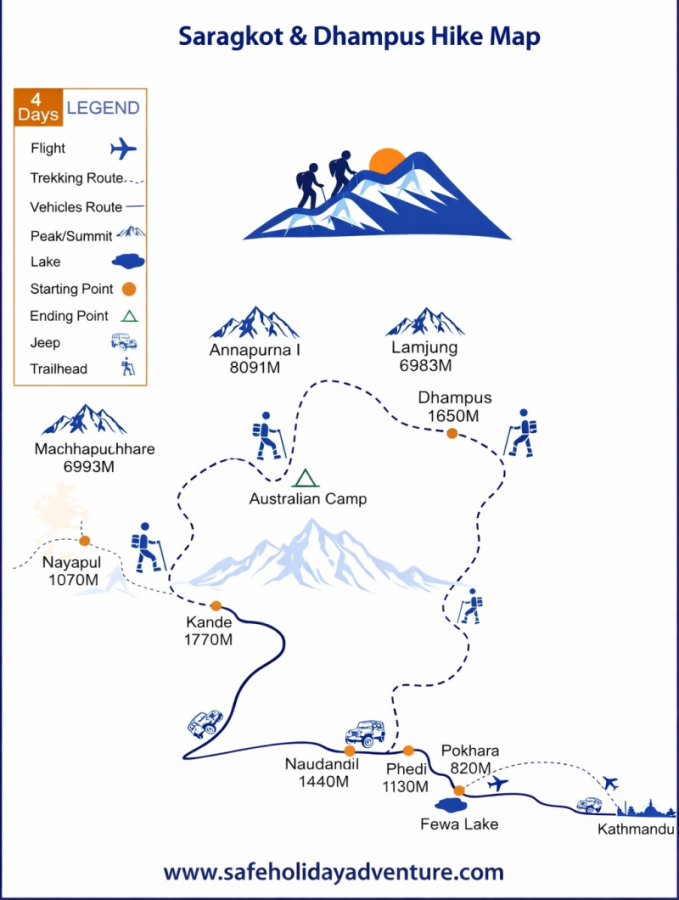
2-Day Trek to Australian Camp & Dhampus OutlineOutline Itinerary
Day 1: Drive from Pokhara Lakeside to Kande (1 hour) and hike to Australian Camp
Day 2: Trek from Australian Camp to Phedi, Passing Pothana and Dhampus
Whats Included?
- Annapurna Conservation Area entry Permit,
- Breakfast and Accommodation during the trekking,
- 2-night hotel in Pokhara,
- Private Trasport from Pokhara to Kande,
- Private Transport from Phedi to Pokhara,
- Experienced license holder Guide,
- Food, Drinks, Salary, Insurance, Transportation, Accommodation, and local taxes for Guide
- Your Lunch and Dinner,
- Your travel insurance,
- Domestic and international flight tickets,
- Any expense of a personal nature,
- All the alcoholic and Non-alcoholic Drinks (Drinking water, Coke/Fanta, tea Coffee,
- Rescue operation,
- Tip for Guide and Driver is highly expected.
Dates and Availability Departures
All our published dates are guaranteed departures. We also provide customized departures tailored to your travel plans.
There are no group joining dates available at the moment. Please contact us for a private trip.
Travellers Reviews
Sarah Mitchell
USA | Feb, 2026
𝗔𝗻𝗻𝗮𝗽𝘂𝗿𝗻𝗮 𝗧𝗿𝗲𝗸𝗸𝗶𝗻𝗴 𝗺𝗲𝗲𝘁𝘀 𝗩𝗼𝗹𝘂𝗻𝘁𝗲𝗲𝗿𝗶𝗻𝗴: 𝗔 𝗝𝗼𝘂𝗿𝗻𝗲𝘆 𝘄𝗶𝘁𝗵 𝗣𝘂𝗿𝗽𝗼𝘀𝗲
My name is Sarah Mitchell, and I’m from Colorado, USA. My Annapurna trekking and volunteering experience with this team was unlike anything I’ve done before, combining breathtaking mountain trails with the chance to genuinely give back to local communities. From trekking through beautiful rhododendron forests and terraced villages to spending meaningful time volunteering in a local school, every day offered something new and rewarding. My guide, Rupesh, was knowledgeable, warm, and made sure I felt safe on the trails while also helping me connect authentically with the people and culture of the Annapurna region.
The balance between adventure and purpose is what made this trip so special. Trekking through the stunning Annapurna foothills, with views of the Himalayas at every turn, was incredible on its own, but knowing I was also contributing my time and energy to a local community made the experience so much more fulfilling. Rupesh took great care in explaining local customs and made sure the volunteering placement felt genuine and welcoming, not just a tourist add-on.
I would highly recommend this trek and volunteering program to anyone looking for more than just a typical trekking holiday. It’s a chance to explore the natural beauty of Nepal while making a real difference, and I left with memories, friendships, and a sense of purpose that will stay with me for a long time. Thank you, Rupesh and team, for such a meaningful experience!
— Sarah Mitchell, Colorado, USA

Genaral Trip InfoInfos
Would I be able to get a Nepal visa when I reach Kathmandu?
There are two alternatives to going to Nepal either via plane arriving at Tribhuvan International Air Terminal or experiencing the Sunauli outskirt between Nepal and India. When you reach the Kathmandu airplane terminal you can get your visa in a couple of minutes, which is simple, simply the top of the structure, get two p.p to size Photographs, and an international ID that is all you need then you need to pay the visa charge which is as howls:
- 90 Days visa cost = 100 USD
- 15 Day visa costs 25 USD
- 30 Day visa costs 30 USD
If you go to Nepal from India guest Sunauli you simply need your international ID, photograph, and cash which I referenced above then you will get a visa. It is a significant lengthy drive, however, to investigate better south to north of Nepal you can go to Nepal from the outskirts side.
The History and Heritage of Australian Camp and Dhampus
The history and heritage of Australian Camp and Dhampus are steeped in the rich culture and traditions of the Nepalese people. Here are some key aspects of the region’s history and heritage:
Ancient trade routes: The region was an important trade route between India and Tibet, dating back to ancient times. The people of the region were involved in trade and commerce, and this is reflected in the diversity of the local culture.
Gurung people: The Gurung people are the dominant ethnic group in the region, and their culture and traditions have been preserved over centuries. The Gurung people have a rich history of warfare and resistance against foreign invaders, and their bravery and valor are celebrated in local folklore.
British influence: The region was influenced by the British during their colonial rule in India. The Australian Camp, in particular, was named after the Australian soldiers who trained there during World War II. The region also has a significant number of Gurkha soldiers who have served in the British army.
Natural beauty: The region’s natural beauty has been a source of inspiration for artists and poets throughout history. The stunning Himalayan views and the lush green forests have captivated visitors for centuries.
Tips for Hiking in Australian and Dhampus: What to Know Before You Go
Australian and Dhampus are popular hiking destinations in Nepal that offer stunning views of the Annapurna mountain range. Here are some tips to help you prepare for your hike:
Know the route: Before you go, research the route you’ll be taking and make sure you’re familiar with it. You can find trail maps and guides online or at local trekking agencies.
Dress appropriately: The weather in Australian and Dhampus can be unpredictable, so it’s important to dress in layers and bring rain gear. Wear comfortable hiking shoes or boots with good traction.
Bring plenty of water and snacks: You’ll need to stay hydrated during your hike, so bring plenty of water and snacks like trail mix, energy bars, or fruit.
Pack a first aid kit: It’s always a good idea to be prepared for any injuries or accidents on the trail. Pack a basic first aid kit with items like bandages, antiseptic wipes, and pain relievers.
Hire a guide: If you’re not familiar with the area, consider hiring a local guide. They can show you the best trails and viewpoints, as well as provide information on the local culture and history.
Respect the environment: Australian Campand Dhampus is located in a protected area, so it’s important to respect the environment. Pack out all your trash and avoid damaging plants or wildlife.
Check the weather: Before you go, check the weather forecast to ensure you’re prepared for any potential rain or snow. It’s also a good idea to check in with locals or your guide for up-to-date information on trail conditions.
Plan for altitude sickness: Australians and Dhampus are at a high altitude, so it’s important to plan for altitude sickness. Take it slow, drink plenty of water, and consider taking medication like acetazolamide to prevent symptoms.
By following these tips, you’ll be well-prepared for a safe and enjoyable hike in Australian and Dhampus.
The Flora and Fauna of Australian Camp and Dhampus: A Nature Lover’s Guide
Australian Camp and Dhampus are located in the Annapurna Conservation Area, which is home to a diverse range of flora and fauna. Here’s a nature lover’s guide to the flora and fauna of Australian Camp and Dhampus:
Flora:
- Rhododendrons: Australian Camp and Dhampus are famous for their stunning rhododendron forests, which bloom in different colors from March to May.
- Oak Trees: Oak trees are abundant in the area and can be seen along the hiking trails.
- Medicinal plants: The area is also home to several medicinal plants like the Himalayan yew, which is used to make cancer-fighting drugs.
- Bamboo: Bamboo forests can be found in the lower elevations and are an important source of food and shelter for wildlife.
Fauna:
- Birds: Australian Camp and Dhampus are home to several species of birds, including the Himalayan monal, which is the national bird of Nepal.
- Mammals: The area is home to several mammals, including the Himalayan tahr, musk deer, and langur monkeys.
- Butterflies: The Annapurna region is home to a variety of butterflies, including the Kaiser-i-Hind, which is one of the largest butterflies in the world.
- Reptiles: Several species of reptiles can be found in the area, including the king cobra and the Indian rock python.
Visitors can enjoy the natural beauty of Australian Camp and Dhampus while taking care not to disturb the delicate ecosystem. It’s important to follow the Leave No Trace principles and not harm or disturb the flora and fauna of the region.
The Best Food and Drink Options for Hikers in Australian Camp and Dhampus
Hiking in Australian Camp and Dhampus can be a tiring and rewarding experience. The area offers some great food and drink options for hikers to refuel and recharge. Here are some of the best food and drink options for hikers in Sarangkot and Dhampus:
Dal Bhat: This traditional Nepali dish is a staple for hikers in the area. It consists of rice, lentil soup, vegetables, and sometimes meat. It’s a hearty and filling meal that will provide you with the energy you need to continue your hike.
Momos: These are steamed or fried dumplings filled with vegetables or meat. They’re a popular snack in the region and are a great option for hikers looking for something light and tasty.
Thukpa: This is a Tibetan noodle soup that’s perfect for warming up on a chilly day. It’s made with vegetables, meat, and noodles and is a popular dish in the area.
Tea: The area is known for its tea, which is made from locally grown tea leaves. You can enjoy a cup of tea in a teahouse or lodge along the hiking trail.
Local beer: If you’re looking for something stronger, you can try the local beer, which is made from locally grown barley. It’s a refreshing drink after a long day of hiking.
It’s important to stay hydrated while hiking, so make sure to carry enough water with you. You can also find bottled water in the teahouses and lodges along the trail. It’s also important to be mindful of waste and dispose of your garbage properly.
Trekking with Children in Australian Camp and Dhampus
Trekking with children in Australian Camp and Dhampus can be a wonderful experience, but it’s important to take some precautions to ensure everyone’s safety and enjoyment. Here are some tips for trekking with children in Australian Camp and Dhampus:
- Choose the right trail: There are many trails in the Australian Camp and Dhampus areas, some of which may be more suitable for children than others. Choose a trail that’s not too steep or too long, and that has plenty of opportunities to rest and take breaks.
- Pack appropriate gear: Make sure your children have appropriate clothing and footwear for hiking, as well as sun protection and plenty of water and snacks.
- Take it slow: Children may not have the same endurance as adults, so it’s important to take breaks often and go at a slower pace.
- Keep them entertained: Children may get bored or tired during the hike, so bring some games, books, or other activities to keep them entertained.
- Teach them about nature: Use the hike as an opportunity to teach your children about the flora and fauna of the area, and encourage them to appreciate and respect the natural environment.
- Hire a guide: If you’re not an experienced hiker or if you’re not familiar with the area, consider hiring a guide to help ensure your safety and provide information about the area.
- Stay safe: Always follow safety guidelines and be aware of potential hazards on the trail. Keep a close eye on your children at all times and make sure they stay on the trail.
With these tips in mind, trekking with children in Australian Camp and Dhampus can be a memorable and rewarding experience for the whole family.
Cultural Experiences on the Australian Camp and Australian Camp Hike
The Australian Camp and Australian Camp hike offers a unique opportunity to experience the rich cultural heritage of the region. Here are some of the cultural experiences you can have on this hike:
Visit Local Villages: The hike takes you through several local villages, allowing you to witness the daily life of the people in the region. You can interact with the locals and learn about their customs and traditions.
Visit Temples and Monasteries: The region is home to several ancient temples and monasteries, including the Bindabasini Temple and the Bhimsen Temple. These places offer a glimpse into the religious practices of the people in the region.
Local Food: You can sample local delicacies like Dal Bhat, a traditional Nepali dish, and momos, a type of dumpling filled with vegetables or meat. You can also try local tea and coffee, which are popular in the region.
Traditional Music and Dance: You can enjoy traditional music and dance performances by the locals, which are often held during festivals and special occasions.
Handicrafts: The region is known for its handicrafts, including pottery, weaving, and woodcarving. You can visit local workshops observe the artisans at work, and even purchase some of their handcrafted items as souvenirs.
Detailed ItineraryItinerary
Drive from Pokhara Lakeside to Kande (1 hour) and Hike to Australian Camp
Driving Distance: 28 km
Trekking Distance: 3-4 km
Trekking Hours: 1-1:30 Hours
The altitude of Australian Camp: 2,060 meters (6,758 feet)
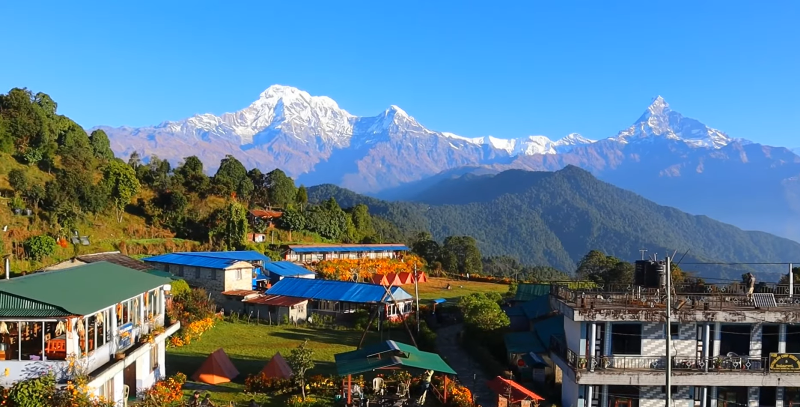
On Day 1, after breakfast, we drive for about 1 hour from Pokhara Lakeside to Kande. As we travel, you’ll enjoy scenic views of farmland, local villages, and the majestic Annapurna and Machapuchare (Fishtail) mountains in the distance. Once we arrive in Kande, we begin our steep hike, ascending through dense forests of rhododendrons and oak trees. As we hike, we’ll pass through small villages like Pothana and Dhampus, where you can observe local farming practices and traditional village life. Along the way, the trail offers stunning views of the Annapurna range, with peaks like Annapurna South (7,219 m) and Machapuchare (6,993 m) visible in the distance. After trekking for around 3-4 hours, we arrive at Australian Camp, a popular vantage point that offers panoramic views of the surrounding mountains. From here, you can see Annapurna I (8,091 m), Machapuchare, and Dhaulagiri (8,167 m). We spend the night at a lodge in Australian Camp, enjoying the breathtaking sunset and the peaceful atmosphere.

Accommodation : Lodge Meals : Lunch & Dinner
Trek from Australian Camp to Phedi, Passing Pothana and Dhampus
Trekking Distance: 6 km
Trekking Hours: 3-4 Hours
The altitude of Phedi: 1,100 meters (3,609 feet)
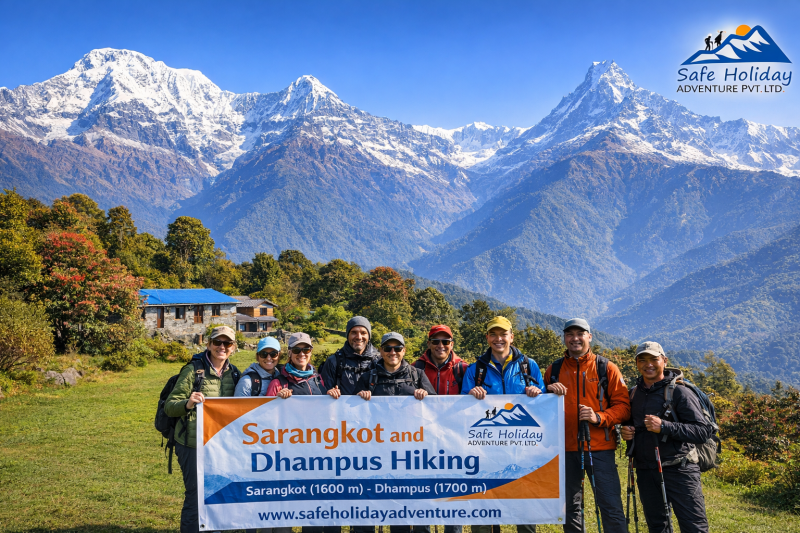
After breakfast at Australian Camp, we begin our descent towards Phedi. The trail is mostly downhill, and along the way, we pass through Pothana and Dhampus villages, which offer great views of the Annapurna range and Fishtail. The path winds through terraced fields and lush forests, and you’ll witness local farmers working on their land. We cross small streams and rivers as we descend, with the majestic mountain views continuing to accompany us throughout the hike. After trekking for about 3-4 hours, we arrive at Phedi, where we will take a short 20-minute drive back to Pokhara. The drive offers further scenic views of the valley as we return to the peaceful lakeside city of Pokhara.

Accommodation : Tea House Meals : Breakfast, Lunch & Dinner
2-Day Trek to Australian Camp & Dhampus FAQs
The best time to go hiking in Australian Camp and Dhampus is during the spring and autumn months, from March to May and September to November.
No, a permit is not required for hiking in Australian Camp and Dhampus, but if you plan to visit nearby areas such as Australian Camp or Pokhara, you will need an ACAP permit and a TIMS card.
The hike typically takes 2-3 days depending on the route and pace of the hiker.
The total distance covered during the hike is around 20-30 km depending on the route taken.
The highest point reached during the hike is Australian Camp, which has an elevation of 1600 meters.
There are various options for accommodations including guesthouses, lodges, and homestays.
Local Nepalese cuisine is available along with international options. Tea, coffee, and soft drinks are also available.
Yes, hikers can experience the rich cultural heritage of the Gurung people and visit local temples and monasteries.
Yes, the hike is suitable for children, but it is important to take necessary precautions and make sure they are physically capable of the hike.
No, there are no dangerous animals on the trail, but hikers should take necessary precautions against leeches and mosquitoes.
It is not necessary to hire a guide for the hike, but it is recommended for safety reasons and to have a better understanding of the local culture and traditions.
The weather can be unpredictable, but generally, it is dry and sunny during the day and cool at night.
Hikers can expect to see a variety of rhododendron forests, bamboo groves, and a variety of bird species.
The hike is moderately challenging, and hikers should have a moderate level of physical fitness.
Yes, it is possible to combine the Australian Camp and Dhampus hike with other treks such as the Annapurna Base Camp or Poon Hill trek.
The cost varies depending on the accommodations, food, and guide services, but it is generally affordable for budget travelers.
Private taxis, public buses, and shared jeeps are available to reach the starting point of the hike.
Refund & Cancellation Policy
- Booking requires 20% non-refundable deposit (Nepal) or 100% upfront (Tibet/Bhutan).
- Remaining payment due before the trip or on arrival (trip-dependent).
Cancellation charges:
- 31+ days: 20%
- 16–30 days: 45%
- 8–15 days: 75%
- 7 days or less: 90%
- Prices may change due to flights, taxes, or exchange rates.
- Trip changes are allowed, but extra costs apply.
- If the company cancels, a full refund, except for unavoidable events (some costs deducted).
- Good health and travel insurance are mandatory.
- No refund if removed for unsafe or illegal behavior.
- Travel involves personal risk, which the client accepts.