
Jiri to Everest Base Camp Trek Key Highlights: Highlights
- Classic Original Everest Route Experience – Follow the traditional trail used by early Everest expeditions before the Lukla flight became popular.
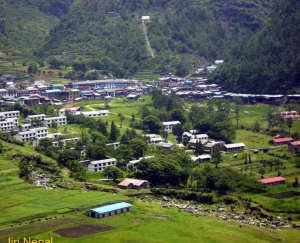
- Start from Scenic Jiri Region – Begin your journey from lush mid-hills, terraced farms, and authentic rural villages of Nepal.
- Gradual Altitude Gain – A slower ascent helps with better acclimatization and reduces altitude sickness risk.
- Cultural Diversity Along the Trail – Experience a mix of Hindu hill communities in lower regions and Sherpa Buddhist culture in higher Everest areas.
- Less Crowded Trekking Route – Compared to the Lukla route, Jiri trail offers a peaceful and off-the-beaten-path trekking experience.
- Extended Himalayan Journey – The trek adds extra days, making the overall adventure more immersive and rewarding.
- Connection with Everest Base Camp Route at Junbesi/Phakding Area – Join the main Everest trail after several days of scenic trekking.
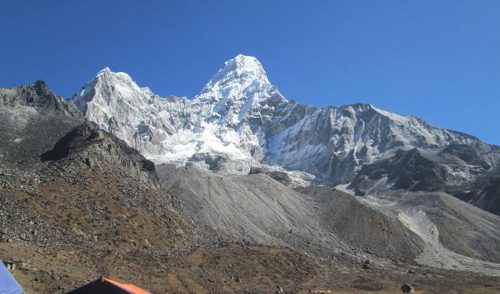
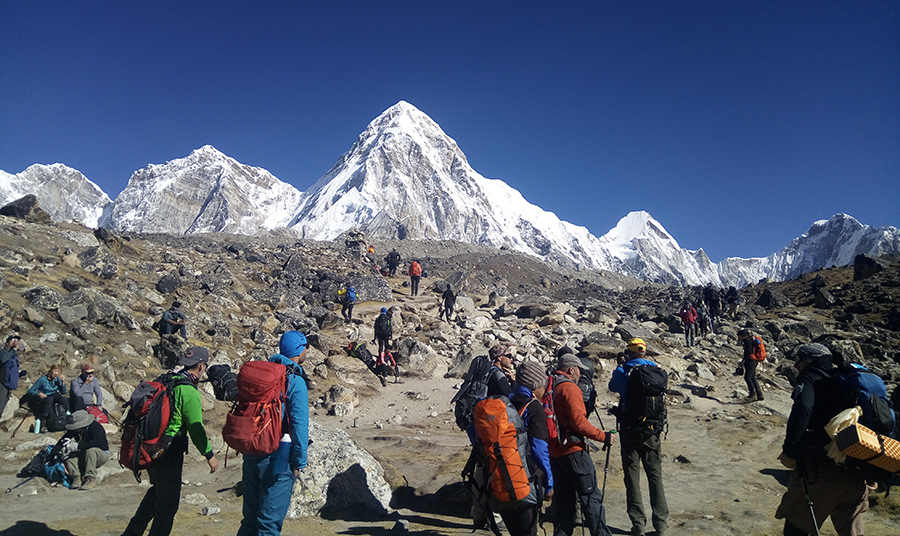
- Stunning Mountain Views – Enjoy views of Gauri Shankar, Numbur Himal, and Everest region peaks throughout the journey.
- Rich Natural Diversity – Walk through forests, rivers, suspension bridges, and alpine landscapes in one continuous trail.
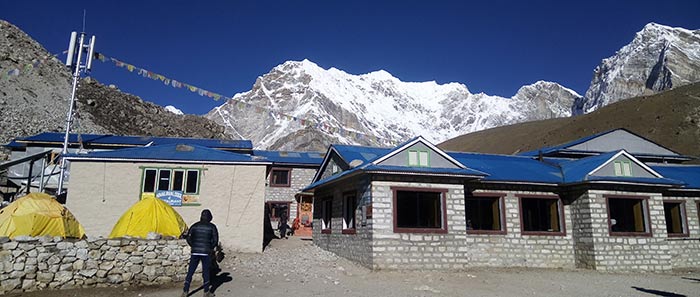
- Authentic Local Lifestyle Experience – Stay in traditional teahouses and interact closely with local communities.
Jiri to Everest Base Camp: The Classic Route Overview Overview
The Jiri to Everest Base Camp trek is a classic trek that takes you on an adventure to the heart of the Everest region Himalayas. This trek is known for its breathtaking scenery and the chance to experience the traditional Sherpa culture.
The trek starts in the town of Jiri after 6 hours of driving from Kathmandu, located in the lower loop of the Solu-Khumbu region of Nepal, and this trek takes us to the Everest Base Camp.
The trek is about 200 km long. It can take 15–20 days to finish, depending on how fast you walk. At the start, you’ll walk through forests, farms, and Sherpa villages. Then, it gets harder as you go up to the high areas of Khumbu.
As you continue your journey, you’ll see different kinds of scenery, like forests and snowy mountains. Meeting the Sherpa people is a special part of the trek. They’re friendly and welcoming. You can stay in cozy teahouses and discover their interesting lifestyle.
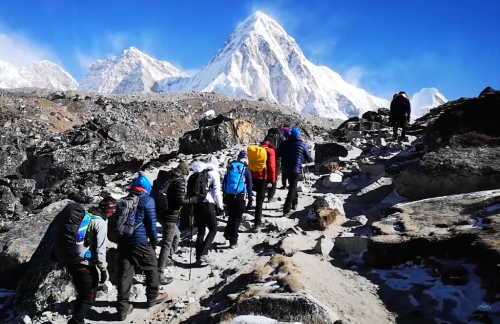
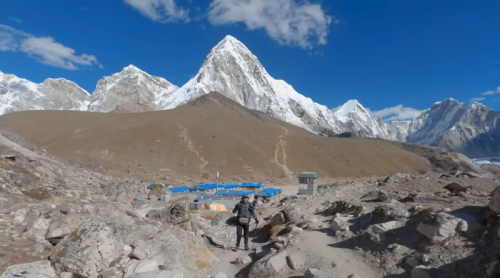
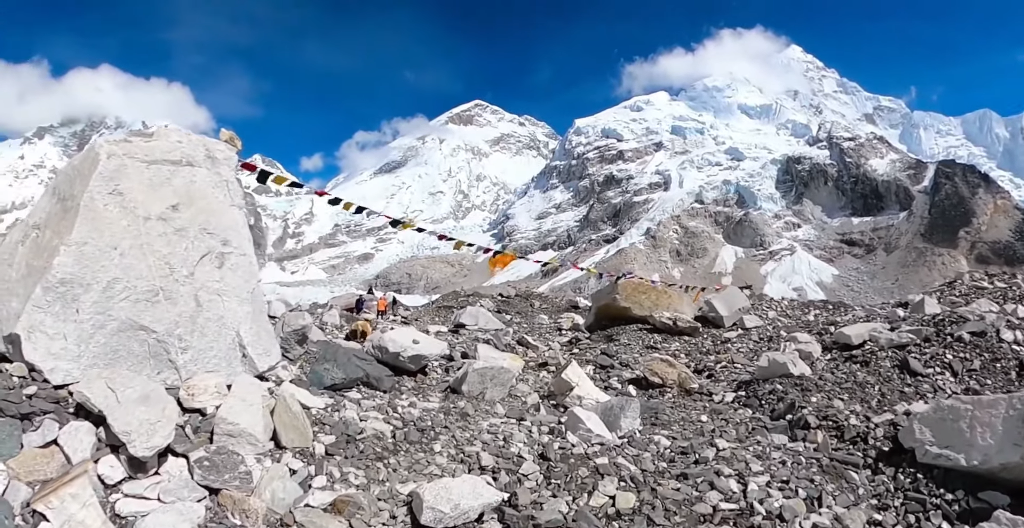
During the trek, you’ll see amazing mountain scenery, especially from the summit of Kalapatthar (5,545m), where you can see Mount Everest, Lhotse, Nuptse, Ama Dablam, Pumori, Lingtren, Khumbu Icefall, Khumbu Glacier, and its nearby peaks. The main goal of the trek is to reach Everest Base Camp (5,364m), where you can get a close look at the world’s tallest peak (Mount Everest).
In conclusion, the Jiri to Everest Base Camp trek is a classic trek that provides trekkers with an opportunity to experience the natural beauty, culture, and tradition of the Nepalese Himalayas. Whether you’re an experienced trekker or a first-time hiker, this trek is an unforgettable adventure that will take you to the heart of the world’s tallest mountain, Base Camp.
Exploring the Scenic Lamjura Pass
Lamjura Pass is a key point on the Jiri to Everest Base Camp trek. It is about 3,530 meters high and offers amazing views of the mountains and valleys. The trek to the pass goes through beautiful rhododendron forests, which are stunning in spring. The weather can be cold and windy, so it’s important to wear warm clothes. Along the way, you will pass through small Sherpa villages, giving you a chance to experience their culture. There are also teahouses where you can rest and enjoy the local hospitality.
Is the Jiri, Bhandara route to Everest Base Camp Safe?
Yes, the trail from Jiri to Everest Base Camp is generally safe for trekkers. This route, also known as the classic route to Everest, was the path taken by early Everest expeditions. Here are some points to consider for safety:
- Physical Preparation: The trek is long and involves multiple days of walking on varied terrain. Good physical fitness and some prior trekking experience are recommended.
- Acclimatization: The trail from Jiri offers good acclimatization opportunities as it involves gradual ascent, reducing the risk of altitude sickness compared to flying directly to Lukla.
- Trail Conditions: The trail is well-marked and used by locals and trekkers. However, some sections can be steep and challenging, especially in bad weather.
- Accommodation and Supplies: There are tea houses and lodges along the way providing food and shelter. It is advisable to carry some essential supplies, especially during the off-season.
- Guide and Porter: Hiring a local guide and porter can enhance safety and comfort. They can help navigate the trail, carry heavy loads, and provide valuable local knowledge.
- Weather: Check weather conditions before and during the trek. Weather in the mountains can change rapidly, and it’s important to be prepared for all conditions.
With proper preparation and precautions, trekking from Jiri to Everest Base Camp can be a safe and rewarding experience.
Food, Accommodation, Internet(WIFI), Hot shower & charging Electronics:
During the Jiri to Everest Base Camp trek, food, accommodation, and other amenities are available at various trekking lodges along the route. Basic meals, such as Dal Bhat (lentil soup and rice), are readily available at the lodges. Accommodation ranges from basic rooms with shared facilities to more comfortable rooms with private bathrooms. Internet access is limited and unreliable, with Wi-Fi availability dependent on the lodge and its location. Hot showers are generally available but may come at an additional cost. Charging electronics can be done at the lodges, often for a small fee. It is recommended to carry a portable power bank as backup.
Weather, Temperature & Distance:
The weather, temperature, and distance during the Jiri to Everest Base Camp trek vary depending on the time of year and altitude.
In general, the trek starts in Jiri with a mild to warm temperature, and as you progress towards higher elevations, the temperature drops and can become quite cold, especially at night. During the trek, temperatures can range from 10–20°C (50–68°F) in the lower elevations to below freezing at higher elevations, particularly above 4,000 meters (13,123 ft).
The weather in the region can be unpredictable, with clear skies giving way to clouds and rain, especially in the monsoon season (June to September). It is important to be prepared for changing weather conditions, especially when at higher elevations.
The overall distance of the Jiri to Everest Base Camp trek is approximately 170–190 km (106–118 miles), depending on the exact route taken. This distance is covered over approximately 19 days on foot.
Jiri to EBC Trek Permit:
The weather, temperature, and distance during the Jiri to Everest Base Camp trek vary depending on the time of year and altitude.
In general, the trek starts in Jiri with a mild to warm temperature, and as you progress towards higher elevations, the temperature drops and can become quite cold, especially at night. During the trek, temperatures can range from 10–20°C (50–68°F) in the lower elevations to below freezing at higher elevations, particularly above 4,000 meters (13,123 ft).
The weather in the region can be unpredictable, with clear skies giving way to clouds and rain, especially in the monsoon season (June to September). It is important to be prepared for changing weather conditions, especially when at higher elevations.
The overall distance of the Jiri to Everest Base Camp trek is approximately 170–190 km (106–118 miles), depending on the exact route taken. This distance is covered over approximately 19 days on foot.
Why Choose the Classic Jiri to Everest Base Camp Trek?
- Walk in history – Follow the footsteps of the first Everest climbers.
- Easy altitude climb – Better acclimatization for a safer trek.
- Escape the crowds – Enjoy a peaceful, less busy trail.
- Stunning landscapes – From green hills to snow-capped peaks.
- Cultural journey – Explore Sherpa, Rai, and Tamang villages.
- Authentic experience – Live like a local along the trail.
- True adventure – A challenging trek for real explorers.
- Hidden gems – Discover villages like Junbesi and Nunthala.
- Friendly locals – Experience warm Himalayan hospitality.
- Rewarding achievement – Complete the full classic route and feel proud!
Jiri to Everest Base Camp Trek OutlineOutline Itinerary
- DAY 01: Arrival in Kathmandu (1,400 m)
- DAY 02: Kathmandu World Heritage Tour (1,400 m)
- DAY 03: Drive from Kathmandu (1,400 m) to Shivalaya (1,770 m) Via Jiri.
- DAY 04: Trek Shivalaya (1,770 m) to Bhandar (Chyangma) (2,195 m)
- DAY 05: Trek Bhandar (2,195 m) to Sete (2,575 m)
- DAY 06: Trek Sete (2,575 m) to Junbesi (2,675 m) via Lamjura-la Pass (3,530 m)
- DAY 07: Trek Junbesi (2,675 m) to Nunthala (Manidingma) (2,190 m)
- DAY 08: Trek from Nunthala (2,190 m) to Bupsa Danda (2,250 m)
- DAY 09: Trek Bupsa Danda (2,250 m) to Surkhe (2,295 m)
- DAY 10: Trek Surkhe (2,295 m) to Phakding (2,650 m)
- DAY 11: Trek Phakding (2,650 m) to Namche Bazaar (3,440 m)
- DAY 12: Acclimatization Day in Namche Bazaar (3,440 m)
- DAY 13: Trek Namche Bazaar (3,440 m) to Tyangboche (3,867 m)
- DAY 14: Trek to Tyangboche (3,867 m) to Dingboche (4,260 m)
- DAY 15: Trek Dingboche (4,260 m) to Lobuche (4,930 m)
- DAY 16: Trek Lobuche (4,930 m) to Gorakshep (5,170 m) to Everest Base Camp (5,364 m) and back to Gorakshep
- DAY 17: Hike Kalapathar (5,545 m), trek to Pheriche (4,240 m)
- DAY 18: Trek Pheriche (4,240 m) to Namche Bazaar (3,440 m)
- DAY 19: Trek from Namche Bazaar (3,440 m) to Lukla (2,860 m)
- DAY 20: Fly Lukla (2,860 m) to Kathmandu (1,400 m)
- DAY 21: Departure from Kathmandu (1,400 m)
Whats Included?
- Private Airport-to-Hotel Transfers – Enjoy a comfortable ride from the airport to your hotel and back.
- 2-Night Hotel Stay in Kathmandu – Relax in a cozy hotel before and after your trek.
- All Ground Transportation – Hassle-free travel throughout your trek as per the program.
- Expert Guides & Porters – Trek with our licensed, experienced guides and strong local porters (1 porter for every 2 trekkers).
- Meals & Tea House Accommodation – Enjoy breakfast, lunch, and dinner, plus warm, comfortable tea house stays during your trek.
- Full Guide & Porter Support – Includes meals, accommodation, salary, insurance, and equipment for our trained staff.
- Trekking Permits & TIMS Card – All necessary permits and paperwork handled for a smooth journey.
- All Trek Documentation Managed – Leave the paperwork to us, so you can focus on the adventure!
- Kathmandu Meals – Lunch and dinner in Kathmandu are not included, so you can explore the city’s amazing local food at your own pace.
- Personal Expenses – Costs for Wi-Fi, battery charging, Laundry, Snacks, and other personal items are not covered.
- Beverages – Tea, coffee, soft drinks, bottled water, and all other drinks are not included.
- Travel Insurance – Highly recommended for high-altitude trekking and emergency evacuation. Your safety and peace of mind are our priority.
- Personal Trekking Gear – Your personal EBC trekking clothing and gear (other than the duffel bag and Agency T-shirt)
- Tips – Tipping for Guides and Porters is customary and greatly appreciated for their dedication and hard work.
- Unforeseen Circumstances – Any additional costs resulting from situations beyond our control, such as flight delays, weather events, or natural disasters, are not covered. Travel insurance can help mitigate these risks.
Dates and Availability Departures
All our published dates are guaranteed departures. We also provide customized departures tailored to your travel plans.
September 2026
October 2026
November 2026
Travellers Reviews
Michele Casapull
Brazil | November, 2025
𝐖𝐚𝐥𝐤𝐢𝐧𝐠 𝐭𝐡𝐞 𝐋𝐞𝐠𝐞𝐧𝐝𝐚𝐫𝐲 𝐑𝐨𝐮𝐭𝐞 𝐭𝐨 𝐄𝐯𝐞𝐫𝐞𝐬𝐭 𝐁𝐚𝐬𝐞 𝐂𝐚𝐦𝐩
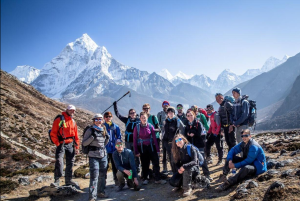
I recently completed the classic Jiri to Everest Base Camp Trek, one of the most authentic and rewarding trekking routes in Nepal, and I would like to share my experience with full appreciation for the team that made this journey successful.
From the very beginning, everything was well-organized and professionally handled. The trail from Jiri offers a true Himalayan trekking experience—remote villages, peaceful landscapes, and gradual altitude gain that makes the journey both challenging and deeply rewarding.
A special mention goes to our guide, Dhana, who demonstrated excellent professionalism throughout the trek. His knowledge of the route, safety awareness, and calm leadership made the entire journey smooth and confident. He always ensured proper pacing, acclimatization, and clear communication at every stage.
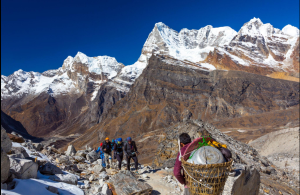
Our porter, Muskan, was equally impressive. Strong, reliable, and always supportive, he carried with great responsibility and maintained a positive attitude throughout the challenging sections of the trail.
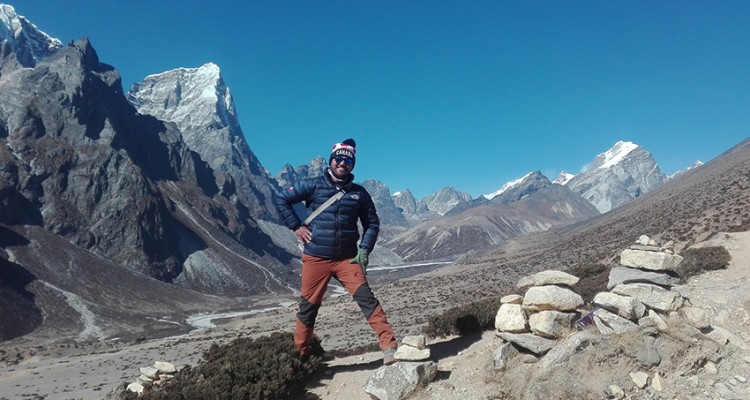
I would also like to sincerely thank our client traveler, Mara Marconi from Canada, for her positive energy, patience, and strong determination during the long trekking days. Her spirit truly added motivation to the group.
Overall, the Jiri to Everest Base Camp Trek was an unforgettable journey filled with natural beauty, cultural richness, and personal achievement. With such a professional team supporting the expedition, the experience became not only safe but also deeply enjoyable and memorable.
Highly recommended for trekkers seeking an authentic and less commercial Everest approach route.
Genaral Trip InfoInfos
Trek Duration and Distance
The Jiri to Everest Base Camp trek is considered the classic route to Everest and is perfect for those who want the full trekking experience. It usually takes 19 to 26 days, depending on your pace and acclimatization needs. The total distance covered is around 190–220 kilometers (118–137 miles). Unlike the short Lukla flights, this route begins at Jiri, a small town in eastern Nepal, and follows traditional trails used by locals for centuries. Trekkers walk through lush forests, quaint villages, rivers, and rugged terrain. Daily walking ranges from 5 to 7 hours, giving enough time to enjoy the views and interact with the local people. This trek provides a slower, more immersive experience compared to the standard Lukla route, making it ideal for adventurers who want to truly explore the Khumbu region.
Trekking Difficulty and Fitness Level Required
The Jiri to Everest Base Camp trek is moderately challenging, suitable for trekkers with good fitness and stamina. The route gradually ascends, allowing the body to adjust to higher altitudes naturally. While the trek is longer than the Lukla route, the paths are generally well-marked and safe. Trekkers should be comfortable walking 5–7 hours per day on uneven terrain, including river crossings, stone steps, and steep paths. Regular cardio exercises, hiking, and strength training before the trek can make the journey easier. Though no technical climbing is required, altitude and weather conditions can be challenging. This trek is perfect for adventurers who want a mix of physical challenge, natural beauty, and cultural experiences.
Best Time to Do the Jiri to EBC Trek
The best time for the Jiri to Everest Base Camp trek is during spring (March–May) and autumn (September–November). These months offer clear skies, moderate temperatures, and breathtaking mountain views. In spring, the rhododendron forests bloom with vibrant colors, adding a magical charm to the trek. Autumn is ideal for crisp weather, excellent visibility, and festive local celebrations in the Sherpa villages. Summer (monsoon) is less recommended due to heavy rains and slippery trails, while winter brings cold temperatures and snow at higher altitudes. Choosing the right season ensures safety, comfort, and incredible photographic opportunities, making your trekking experience memorable. Spring and autumn are also perfect for family treks and solo adventures alike.
Major Villages and Stops Along the Route
The Jiri to EBC trek passes through a series of charming Sherpa villages and towns, each with its own unique appeal. Starting from Jiri, trekkers move through Bhandar, Shivalaya, Sete, Junbesi, and Phaplu, exploring lush landscapes and traditional life. Namche Bazaar serves as the cultural and trading hub, perfect for acclimatization. Further along, Tengboche offers the iconic Tengboche Monastery and stunning views of Everest and Ama Dablam. Dingboche, Lobuche, and Gorak Shep are key stops, leading finally to Everest Base Camp, the ultimate trekking goal. Each village offers authentic food, cozy teahouses, and a glimpse into local Sherpa culture, making the journey rich in experiences and scenic diversity.
Cultural Highlights
The Jiri to EBC trek is not only about mountains—it’s also a cultural journey. Trekkers encounter numerous Sherpa villages, each with traditional stone houses, prayer flags, and Buddhist rituals. Monasteries like Tengboche and Thupten Chholing offer spiritual insight and opportunities to participate in local ceremonies. The Sherpa people are known for their warmth, hospitality, and connection to the Himalayas. Along the route, you can witness yak herding, farming, and local craft-making, giving a deeper understanding of Himalayan life. This cultural immersion makes the trek unique, as you experience daily life in the Khumbu region, learn local stories, and connect with people who have lived in these mountains for generations.
Scenic Highlights
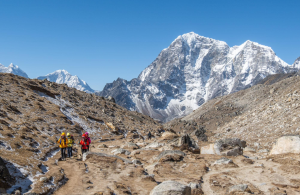
The Jiri to Everest Base Camp trek is famous for its stunning natural scenery. Trekkers pass through lush rhododendron forests, rivers, waterfalls, and terraced fields in the lower regions. As the altitude increases, the forests give way to alpine meadows and dramatic mountain landscapes. Peaks such as Everest, Lhotse, Ama Dablam, and Nuptse dominate the skyline. The route also offers views of glaciers, suspension bridges, and pristine rivers flowing from high mountains. Each day presents new photography opportunities, from sunrise over snow-capped peaks to golden light on prayer flags. This trek is a paradise for nature lovers, combining rugged Himalayan beauty with serene forests and traditional villages.
Accommodation and Food on the Trek
On the Jiri to EBC trek, accommodation is available in teahouses, which are cozy lodges run by local families. Rooms are simple, often with shared bathrooms and basic heating. Meals typically include traditional Nepali dishes such as Dal Bhat (rice and lentils), momos (dumplings), noodles, and soups. Snacks and hot drinks like tea and coffee are widely available. Daily costs for food and lodging are around $25–$30 per person, making the trek affordable without compromising comfort. Staying in teahouses also allows trekkers to interact with locals and other travelers, adding a friendly and social aspect to the trekking experience.
Permits Required
Trekking in the Jiri to Everest Base Camp region requires certain official permits. These include:
- Sagarmatha National Park Entry Permit for access to the park area.
- Khumbu Rural Municipality Permit for trekking in the Khumbu region.
- Gaurishankar Conservation Area Permit specific to the Jiri route.
These permits are easy to obtain in Kathmandu and are mandatory for all trekkers. Having permits ensures legal trekking and helps support conservation efforts in the region. Your trekking agency or guide usually helps manage permits, so you can focus on enjoying the trek safely.
Transportation from Kathmandu to Jiri/Bhandar
Starting the Jiri to Everest Base Camp trek is an adventure even before you hit the mountains. From Kathmandu to Jiri, it’s about an 8-hour drive through winding roads, green hills, and small villages, offering a glimpse of rural Nepal life. The journey itself feels like a mini-trek, as you move through terraced farmland, rivers, and forests. Once in Jiri, trekkers usually make a short drive or walk to Bhandar, which marks the official starting point of the trail. Using private vehicles or buses is easy to arrange through travel agencies. This approach gives you a gradual introduction to the mountains, letting your body adapt while you enjoy the scenic beauty and village life along the way.
Alternative Routes and Side Trips
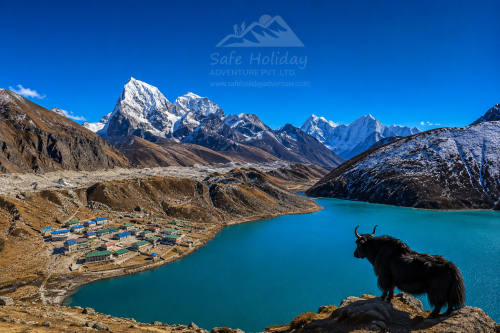
The Jiri trek offers amazing side trips for travelers who want extra adventure or better acclimatization. One popular option is the Gokyo Lakes, a stunning detour with turquoise glacial lakes and majestic mountain reflections, and the Everest 3 passes Trek. Another is Chhukung Ri, a challenging side climb that rewards you with 360-degree panoramic views of Everest, Lhotse, and Ama Dablam. Tengboche Monastery is another must-visit, offering a spiritual experience with its prayer rituals and breathtaking mountain backdrop. These side trips enrich the journey, combining culture, adventure, and nature. Trekkers can choose them based on their pace and interest, creating a personalized Everest experience that goes beyond just reaching the base camp.
Altitude Sickness and Acclimatization Tips
Ascending gradually is the key to a safe and enjoyable trek. The Jiri route naturally allows slow altitude gain, giving your body time to adjust. Rest days in Namche Bazaar and Dingboche are essential to prevent altitude sickness and to enjoy the surroundings without rushing. Drinking plenty of water, eating nutritious meals, and avoiding alcohol help maintain energy levels. For those prone to altitude sickness, carrying Diamox under medical supervision can provide extra safety. Listening to your body and walking at a comfortable pace makes the journey healthier and more rewarding. Proper acclimatization ensures you can fully enjoy the breathtaking views and cultural experiences without health worries.
Cost of the Jiri to Everest Base Camp Trek
The Jiri to Everest Base Camp trek is a premium adventure, but it offers excellent value for its authentic experience. The total cost usually ranges from $1,200 to $1,800 USD, covering accommodation, meals, permits, and professional guide and porter services. Additional expenses include flights to and from Kathmandu, personal gear, and optional tips. Unlike the shorter Lukla route, this trek is longer, so budgeting for extra days on the trail is important. Despite the higher duration, the cost includes full cultural immersion, less crowded trails, and a more scenic approach, making it a worthwhile investment for serious trekkers seeking the complete Everest experience.
Guide and Porter Services
Hiring a Local guide is highly recommended for the Jiri to EBC trek. Guides provide safety, cultural knowledge, and route navigation, making your journey smoother and more insightful. Porters are available to carry heavy bags, usually up to 15–20 kg per person, which reduces strain and allows you to enjoy the trek more comfortably. Guides and porters are trained for high-altitude trekking and can handle emergencies, making your journey safer. Their presence ensures that trekkers can focus on the experience, scenery, and cultural encounters without worrying about logistics or carrying heavy loads, which is especially important for a long, challenging route like Jiri to Everest Base Camp.
Packing List and Trekking Gear Needed
Packing the right gear is critical for comfort and safety. Essentials include sturdy trekking boots, layered warm clothing, rain gear, a sleeping bag, and a headlamp. Sunglasses, sunscreen, water bottles, and a first aid kit are also vital for health and comfort. Optional items include trekking poles, a camera, and personal hygiene supplies. Good packing allows you to handle cold nights, sudden weather changes, and long walking days comfortably. Proper gear enhances the overall trekking experience, helping you focus on the scenery, local culture, and the adventure of reaching Everest Base Camp without unnecessary stress or discomfort.
Challenges and Rewards of the Jiri Route
The Jiri route is longer and more physically demanding than the Lukla route, requiring good fitness and endurance. Challenges include steep ascents, long walking days, and the possibility of altitude sickness. However, the rewards are incredible: fewer tourists, authentic Sherpa culture, breathtaking natural beauty, and a real sense of accomplishment. Trekkers experience quiet villages, suspension bridges, glaciers, and forests that many never see on the Lukla route. The journey allows deeper connection with local people and the Himalayan environment. For those willing to take on the challenge, the Jiri trek delivers unforgettable memories, stunning photography opportunities, and the satisfaction of completing a classic Everest trail.
Comparison: Jiri Route vs. Lukla Flight Route
The Jiri route is the original Everest trail, offering a gradual ascent and an authentic mountain experience. It is longer, less crowded, and provides better acclimatization. In contrast, the Lukla route is quicker and more accessible, but flights can be unpredictable due to weather, and trails are often crowded. Trekkers who want a deeper cultural and scenic journey choose Jiri, while those with limited time or who prefer convenience usually start from Lukla. Overall, the Jiri route is perfect for adventurers who want a complete Everest experience, while the Lukla route suits travelers seeking speed and easier access.
Safety Tips and Emergency Options
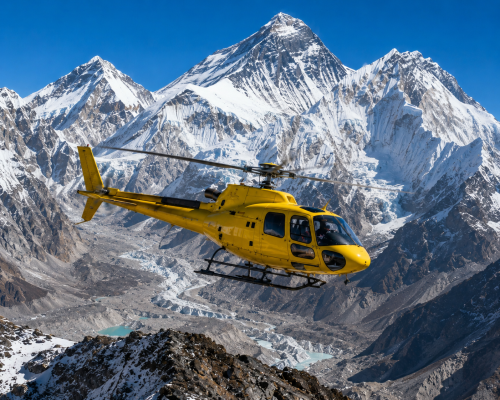
Safety is essential on the Jiri trek. Obtain comprehensive travel insurance covering high-altitude trekking. Carry a satellite phone or ensure access to communication for emergencies. Trekking with a guide or a group increases safety and helps navigate difficult sections. Helicopter evacuation is available in serious medical cases, providing peace of mind for trekkers. Walking at a steady pace, following acclimatization schedules, and avoiding overexertion are also key. These precautions allow adventurers to fully enjoy the scenic views, cultural encounters, and Himalayan challenge without worrying about safety, making the journey both exciting and secure.
Conclusion: Who is the Jiri for EBC Trek For?
The Jiri to Everest Base Camp trek is ideal for adventurous travelers seeking authentic Himalayan culture, natural beauty, and a traditional trekking experience. It’s perfect for those who want a slower, immersive journey with plenty of scenic photography, cultural encounters, and personal achievement. However, it may not suit travelers with limited time or those seeking a short, easy trek, as it requires physical fitness, patience, and commitment. Overall, this classic route is for people who want to experience Everest like the early explorers did—unrushed, authentic, and deeply rewarding. It promises memories, adventure, and stories that will last a lifetime.
Detailed ItineraryItinerary
Arrival in Kathmandu (1,400 m)
Time: N/A | Distance: N/A
Highlight: Arrival and welcome
Welcome to Kathmandu, sitting at 1,400 meters! After landing at Tribhuvan International Airport, you’ll be greeted by a Safe Holiday Adventure representative and transferred by private vehicle to your hotel. Take time to rest after your flight and prepare for your trekking journey. The city is vibrant, rich in culture and history. You’ll receive detailed information about the trek ahead and helpful local tips. Relax, explore nearby sights, or just enjoy the warm hospitality of Nepal’s capital as you get ready for your adventure.
Accommodation : Hotel
Kathmandu World Heritage Tour (1,400 m)
Time: 6–7 hours | Distance: ~5 km / 3 miles
Highlight: Explore cultural landmarks
Spend the day exploring Kathmandu’s famous UNESCO World Heritage Sites at 1,400 meters. Visit historic temples like Swayambhunath, also called the Monkey Temple, Durbar Square’s ancient palaces, and the sacred Boudhanath and Pashupatinath stupas. Guided by local experts, you’ll learn about Nepal’s rich history, religious traditions, and art. The gentle walking tour offers cultural immersion and helps you adjust to the altitude slowly. This day provides a great balance of education and relaxation before your trek starts.
Drive from Kathmandu (1,400 m) to Shivalaya (1,770 m) Via Jiri.
Time: ~8 hours | Distance: ~200 km / 124 miles
Highlight: Scenic countryside drive
Today’s journey takes you from Kathmandu (1,400 m) by bus to Shivalaya at 1,770 m. The 8-hour drive offers stunning views of terraced fields, rivers, and traditional villages. You will experience the gradual climb into the hills and mountains, passing through rural Nepalese life untouched by time. The road can be winding but scenic, giving a beautiful introduction to Nepal’s diverse landscapes. Upon arrival in Shivalaya, check into your lodge and rest, ready to start trekking tomorrow.
Accommodation : Lodge
Trek Shivalaya (1,770 m) to Bhandar (Chyangma) (2,195 m)
Time: ~5 hours | Distance: ~12 km / 7.5 miles
Highlight: First trek day, village life
Begin your trek today from Shivalaya at 1,770 meters, ascending to Bhandar (also called Chyangma) at 2,195 meters. This 12 km trek takes about 5 hours and introduces you to beautiful forests, terraced fields, and traditional villages. The trail gently climbs, allowing your body to adjust to a higher altitude while enjoying breathtaking views of the surrounding mountains. Bhandar is a peaceful village known for its welcoming locals and cozy tea houses—perfect for resting after your first day on the trail.
Accommodation : Tea House
Trek Bhandar (2,195 m) to Sete (2,575 m)
Time: ~6 hours | Distance: ~15 km / 9.3 miles
Highlight: Forests and mountain views
From Bhandar at 2,195 meters, trek about 15 km over 6 hours to reach Sete, located at 2,575 meters. The path leads through dense rhododendron and pine forests, open meadows, and several small traditional villages. This moderate hike offers excellent views of distant snow-capped peaks and a chance to spot Himalayan flora and fauna. You’ll enjoy peaceful natural surroundings and experience local Sherpa culture along the way. Sete’s tea houses provide a warm welcome and rest after the day’s adventure.
Accommodation : Tea House
Trek Sete (2,575 m) to Junbesi (2,675 m) via Lamjura-la Pass (3,530 m)
Time: ~6 hours | Distance: ~14 km / 8.7 miles
Highlight: High mountain pass, panoramic views
Today, you tackle the challenging Lamjura-la Pass, which stands at 3,530 meters. Starting from Sete at 2,575 meters, you ascend steeply to the pass, enjoying sweeping panoramic views of the Himalayas, including majestic peaks like Everest and Makalu. After crossing the pass, you descend to Junbesi village at 2,675 meters. The 14 km trek takes about 6 hours and crosses alpine forests and charming Sherpa villages. Junbesi is famous for its peaceful monastery and friendly community, a perfect place to relax after a demanding day.
Accommodation : Tea House
Trek Junbesi (2,675 m) to Nunthala (Manidingma) (2,190 m)
Time: ~6 hours | Distance: ~13 km / 8 miles
Highlight: Sherpa culture and terraced fields
Today’s 6-hour trek descends from Junbesi (2,675 m) to Nunthala (2,190 m), passing through pine forests, mani walls, and traditional Sherpa villages such as Ringmo and Taksindo. You’ll cross suspension bridges and walk alongside terraced fields while observing local farming and Buddhist customs. The varied terrain includes some ups and downs, offering plenty of opportunities to experience the stunning natural environment and village life. Nunthala is a sprawling village with several tea houses and warm hospitality to enjoy overnight.
Accommodation : Tea House
Trek from Nunthala (2,190 m) to Bupsa Danda (2,250 m)
Time: ~6 hours | Distance: ~13 km / 8 miles
Highlight: Forests and mountain views
Starting at 2,190 meters, hike through lush forests, local villages, and scenic landscapes to reach Bupsa Danda at 2,250 meters. The trail covers 13 km with rolling terrain, including uphill and downhill sections. Along the way, admire the views of snow-capped mountains and immerse yourself in the local culture. Bupsa Danda offers a peaceful place to rest with mountain vistas and traditional lodges, preparing you well for the next day.
Accommodation : Lodge
Trek Bupsa Danda (2,250 m) to Surkhe (2,295 m)
Time: ~6 hours | Distance: ~12 km / 7.5 miles
Highlight: Valley trails and Sherpa villages
From Bupsa Danda at 2,250 meters, trek through steep valley trails and forests to reach Surkhe at 2,295 meters. The 12 km hike takes 6 hours and passes by small villages where porters carry essential supplies to remote Himalayan settlements. Enjoy beautiful valley views, ancient mani walls, and Buddhist shrines along the way. Surkhe is a traditional Sherpa village where you’ll stay in cozy lodges, resting in the peaceful mountain atmosphere.
Accommodation : Lodge
Trek Surkhe (2,295 m) to Phakding (2,650 m)
Time: ~5 hours | Distance: ~10 km / 6.2 miles
Highlight: Forest and farming villages
Starting at 2,295 meters, hike 10 km over 5 hours through forests and small farming villages to Phakding, located at 2,650 meters. The trail becomes easier with gentle ascents and passes by cultivated fields growing potatoes and beans. Enjoy mountain views along the route and the serene atmosphere of Phakding, a quiet village with comfortable tea houses, ideal for rest before ascending higher into the Everest region.
Accommodation : Tea House
Trek Phakding (2,650 m) to Namche Bazaar (3,440 m)
Time: ~6 hours | Distance: ~12 km / 7.5 miles
Highlight: Steep ascent, Everest views
Today’s trek climbs from 2,650 meters at Phakding to Namche Bazaar at 3,440 meters. The 12 km hike takes about 6 hours, starting with a gradual ascent along the Dudh Koshi river and through Sherpa villages such as Toktok and Banker. Cross the Sagarmatha National Park checkpoint at Monjo before climbing steeply for the final two hours. Namche Bazaar is the bustling Sherpa capital, full of shops and lodges, and offers stunning views of Mount Everest and nearby peaks. Overnight here to acclimatize.
Accommodation : Lodge
Acclimatization Day in Namche Bazaar (3,440 m)
Time: Flexible | Distance: ~5 km / 3 miles, optional hikes
Highlight: Rest and explore Sherpa culture
Rest and explore Namche Bazaar today to help your body adjust to 3,440 meters. Visit local markets, the Sherpa museum, and surrounding villages. Optional short hikes to nearby viewpoints reveal breathtaking panoramas of Everest, Lhotse, and Ama Dablam. Take this day to hydrate, relax, and absorb the rich culture of the Sherpa people. Proper acclimatization is vital to avoid altitude sickness and ensures a safer trek ahead.
Trek Namche Bazaar (3,440 m) to Tyangboche (3,867 m)
Time: ~5 hours | Distance: ~10 km / 6.2 miles
Highlight: Tyangboche monastery and mountain views
From Namche (3,440 m), ascend steeply to a ridge before trekking gently to Tyangboche at 3,867 meters. The trail offers incredible views of Everest, Nuptse, and Ama Dablam. Visit the famous Tyangboche Monastery, a spiritual and cultural highlight of the region. The peaceful surroundings and panoramic scenery make this a memorable day. Spend the night in local lodges surrounded by stunning mountain landscapes.
Accommodation : Lodge
Trek to Tyangboche (3,867 m) to Dingboche (4,260 m)
Time: ~5 hours | Distance: ~11 km / 6.8 miles
Highlight: Scenic villages and river valleys
From Tyangboche (3,867 m), begin with a short, steep descent, then follow the Imja Khola river valley towards Dingboche at 4,260 meters. The 11 km trek takes around 5 hours, passing through charming Sherpa villages surrounded by towering peaks. You’ll walk through alpine meadows, past grazing yaks and prayer flags fluttering in the wind. Dingboche is a beautiful mountain village with stunning views of Lhotse and Ama Dablam, providing a perfect spot to rest and acclimatize before ascending higher into the Everest region.
Accommodation : Tea House
Trek Dingboche (4,260 m) to Lobuche (4,930 m)
Time: ~5 hours | Distance: ~10 km / 6.2 miles
Highlight: High-altitude trek with majestic views
Today you’ll trek from Dingboche (4,260 m) to Lobuche at 4,930 meters, covering about 10 km in 5 hours. The trail is a mix of gentle slopes and some steep sections. You’ll pass through the small settlement of Thukla, where you can rest and refresh. Lobuche is a small village surrounded by giant peaks and glaciers, serving as a base camp before the final push towards Everest Base Camp. The air thins here, so take it slow and enjoy the dramatic mountain scenery.
Accommodation : Tea House
Trek Lobuche (4,930 m) to Gorakshep (5,170 m) to Everest Base Camp (5,364 m) and back to Gorakshep
Time: ~7 hours | Distance: ~18 km / 11.2 miles round trip
Highlight: Everest Base Camp and glacier views
This is the highlight of your trek! Starting from Lobuche (4,930 m), you hike to Gorakshep at 5,170 meters for a short rest, then continue to Everest Base Camp at 5,364 meters. The terrain is rocky and challenging, but the breathtaking views of glaciers and Everest’s massive south face make it worthwhile. After soaking in the incredible scenery, you return to Gorakshep for the night. This 7-hour, 18 km day is physically demanding but one of the most rewarding experiences of your journey.
Accommodation : Tea house
Hike Kalapathar (5,545 m), trek to Pheriche (4,240 m)
Time: ~5 hours | Distance: ~14 km / 8.7 miles
Highlight: Panoramic summit views and descent
Rise early for the steep hike to Kalapathar summit at 5,545 meters, the best viewpoint for a close-up of Everest and surrounding peaks. The challenging climb is about 2 hours but offers unforgettable panoramic views. After descending back to Gorakshep, you trek downhill to Pheriche at 4,240 meters. This 14 km journey takes about 5 hours and passes through peaceful villages and beautiful landscapes. Pheriche is a great place to rest and recover after the strenuous summit hike.
Accommodation : Tea House
Trek Pheriche (4,240 m) to Namche Bazaar (3,440 m)
Time: ~7 hours | Distance: ~20 km / 12.4 miles
Highlight: Long descent through Sherpa villages
Today, you trek down from Pheriche at 4,240 meters to Namche Bazaar at 3,440 meters. The 20 km trek takes approximately 7 hours and mainly follows downhill trails through forests and Sherpa villages like Phortse and Mong. Enjoy the fresh mountain air and stunning views as your body recovers from altitude. Namche’s lively market and shops offer a warm welcome for your overnight stay. This day is a great chance to reflect on your journey while experiencing Sherpa culture one more time.
Accommodation : Tea house
Trek from Namche Bazaar (3,440 m) to Lukla (2,860 m)
Time: ~7 hours | Distance: ~22 km / 13.7 miles
Highlight: Final trek day with varied terrain
Your final trekking day takes you from Namche Bazaar (3,440 m) down to Lukla (2,860 m), covering 22 km in about 7 hours. The trail winds through forests, rivers, and small villages, passing mani walls and gompas, with some sections flat and others steep. The descent helps your legs recover, but be careful on rocky paths. Lukla is a bustling mountain town where you’ll spend your last night in the mountains, celebrating the completion of your incredible trek.
Accommodation : Lodge
Fly Lukla (2,860 m) to Kathmandu (1,400 m)
Time: ~30–35 minutes (flight)
Distance: N/A
Highlight: Scenic mountain flight
Take a morning flight from Lukla (2,860 m) back to Kathmandu (1,400 m). The 30- to 35-minute flight offers spectacular aerial views of the Himalayas, including Mt. Everest and surrounding peaks. Weather permitting, this is one of the most memorable flights of your life. After landing in Kathmandu, you’ll be transferred to your hotel to relax and recover from your adventure. Enjoy your last evening in Nepal’s vibrant capital city.
Departure from Kathmandu (1,400 m)
Time: N/A
Distance: N/A
Highlight: Farewell and journey home
After a memorable trek, today you depart from Kathmandu’s Tribhuvan International Airport. Take with you unforgettable memories of breathtaking mountain scenery, Sherpa culture, and your incredible achievement. Your Safe Holiday Adventure team will help you with your airport transfer. We wish you a safe journey home and hope you carry the spirit of the Himalayas with you forever.
Jiri to Everest Base Camp Trek- Trek with Experienced Guide FAQs
The best time to do the Jiri to Everest Base Camp trek is from September to November and from March to May, when the weather is clear and the views are best.
The cost of the Jiri to Everest Base Camp trek varies depending on factors such as the type of trek, the travel agency, and the services included. On average, the cost can range from $1500 to $3000 or more.
While a guide is not necessary for the Jiri to Everest Base Camp trek, it is recommended for inexperienced trekkers or for those who want a more in-depth cultural experience.
The Jiri to Everest Base Camp trek can be done solo or as part of a group. Solo trekkers need to be self-sufficient and well-prepared, while group trekkers can benefit from the support and camaraderie of others.
During the Jiri to Everest Base Camp trek, trekkers can stay in lodges or guesthouses that offer basic accommodation, ranging from shared rooms with shared facilities to private rooms with attached bathrooms.
During the Jiri to Everest Base Camp trek, trekkers can find a variety of basic meals, such as dal bhat (lentil soup and rice), at the lodges and guesthouses along the route.
Internet access during the Jiri to Everest Base Camp trek is limited and unreliable, with Wi-Fi availability dependent on the lodge and its location. Charging electronics can be done at the lodges, often for a small fee. It is recommended to carry a portable power bank as backup.
Hot showers are generally available during the Jiri to Everest Base Camp trek, but may come at an additional cost and may not be available at all lodges.
A TIMS (Trekkers’ Information Management System) card and a Sagarmatha National Park entry permit are required for the Jiri to Everest Base Camp trek. The cost of these permits varies depending on the season and the type of permit.
Essential items to pack for the Jiri to Everest Base Camp trek include:
- Warm and waterproof clothing, including a jacket and pants
- Hiking boots and socks
- Sunscreen and sunglasses
- Sleeping bag and pad
- Headlamp and extra batteries
- First aid kit
- Water bottles and water purification tablets or a filtration system
- Snacks and energy bars
- Personal hygiene items, such as toothbrush and toothpaste, wet wipes, and hand sanitizer
- Cash in Nepalese currency
- Travel documents, such as passport and travel insurance
- Camera and extra memory cards
- Map and compass or GPS device
- Portable charger or power bank
- Warm hat, gloves, and a scarf.
Refund & Cancellation Policy
- Booking requires 20% non-refundable deposit (Nepal) or 100% upfront (Tibet/Bhutan).
- Remaining payment due before the trip or on arrival (trip-dependent).
Cancellation charges:
- 31+ days: 20%
- 16–30 days: 45%
- 8–15 days: 75%
- 7 days or less: 90%
- Prices may change due to flights, taxes, or exchange rates.
- Trip changes are allowed, but extra costs apply.
- If the company cancels, a full refund, except for unavoidable events (some costs deducted).
- Good health and travel insurance are mandatory.
- No refund if removed for unsafe or illegal behavior.
- Travel involves personal risk, which the client accepts.