
17 Nov 2026 8 min to read
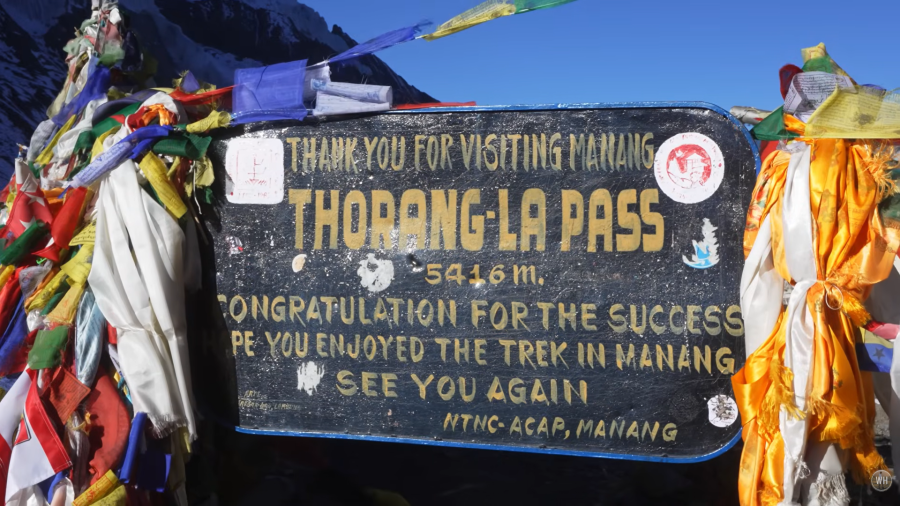
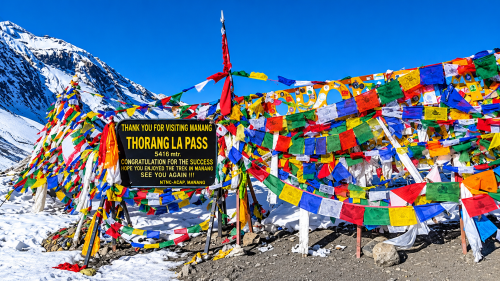
Most people plan the Annapurna Circuit around one single moment: standing under the prayer flags at 5,416 metres. Very few plan for the other possibility. Sometimes the mountain says no. A storm closes the trail, a headache refuses to fade, or your legs simply stop answering at 5,000 metres. So what really happens if you cannot cross Thorong La Pass?
The honest answer is much less dramatic than you fear. You have real options, and none of them mean the trek was wasted. This guide walks through each one the way it plays out on the trail.
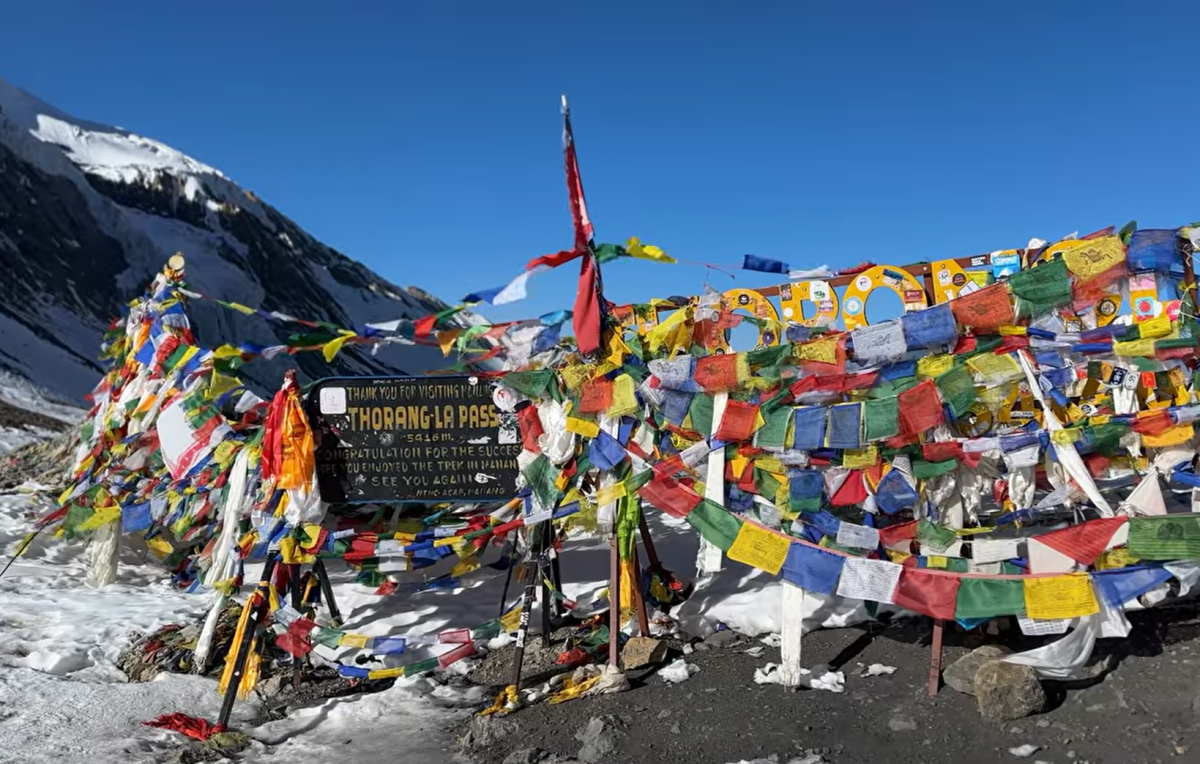
Thorong La is the hinge of the circuit. Everything before it is a slow climb up the Marsyangdi valley, and everything after it is a long drop into the dry, windy Kali Gandaki side near Muktinath.
The pass sits at 5,416 meters, and the crossing is a single, long day. You leave from Thorong Phedi or High Camp in the dark, climb for several hours, then descend roughly 1,650 meters to Muktinath. There is no village in the middle and no easy shelter.
That is exactly why it can fail. One bad weather window or one bad night of sleep, and the whole day changes.
There are four common reasons, and they often overlap.
Altitude. This is the biggest one. Headache, nausea, dizziness and broken sleep at Thorong Phedi or High Camp are warning signs. If they get worse instead of better, going higher is the wrong move, however close the pass feels.
Weather. Fresh snow, strong wind or poor visibility can make the trail unsafe even for a fit trekker. Local guides and lodge owners watch the sky closely and will often tell you straight away if the morning is not right.
Fitness and fatigue. After a week of walking, tired legs meet thin air. A person who felt strong at Manang can feel empty at 5,000 metres.
Timing and pace. Trekkers who rush the climb, skip acclimatization or add extra days of walking before the pass usually face the hardest mornings.
Picture it. It is around 4 a.m. at High Camp. The room is freezing, your water bottle has a skin of ice, and your guide knocks on the door. Everyone shuffles out with headlamps on.
This is the real moment of decision, and it is rarely about courage. It is about reading the signs honestly. Can you speak in full sentences? Did you eat something? Is your headache mild or pounding? Is the wind steady or biting?
A good guide asks these questions quietly and watches the answers on your face as much as hearing them. If the answers are good, you walk. If they are not, the day changes shape, and that is a perfectly normal day on this trail.
If the problem is weather or a mild case of tiredness, waiting is often the smartest choice. Many lodges at Thorong Phedi and High Camp see this every season. Trekkers sit out a bad morning, drink plenty of fluids, rest, and try again the next day.
This only works if your symptoms are mild and not getting worse. Sleeping higher at High Camp is harder on the body than at Thorong Phedi, so if you feel off, it is wiser to wait lower down.
If you build one spare day into your schedule, this option becomes easy. Without a spare day, it can cost you your flight home. This is the single best reason to add a buffer.

If you feel unwell, descending is both the treatment and the test. Even a few hundred metres lower, many people feel better within hours. Lodges at Yak Kharka or Letdar, or even Manang, give your body time to settle.
Some trekkers recover fully, rest for a day or two, and then climb back to Thorong Phedi for a second attempt. Others realise they are done, and that is fine too.
The key rule is simple. If symptoms are worsening, descend first and think later. Never try to “sleep it off” at a higher altitude.
Sometimes the decision is final. Heavy snow may close the pass for days, or your body may be telling you the trip is over. In that case the usual route is back down through Yak Kharka and Manang, then onward along the Marsyangdi valley.
The walk back is not a sad retreat. You are descending into thicker air, warmer villages and some of the best views of Annapurna II and Gangapurna you may have missed on the way up.
A rough jeep road also connects Manang with Besisahar. It is a long and bumpy full day, but it gets you back to the road network and onward to Kathmandu or Pokhara without extra walking.
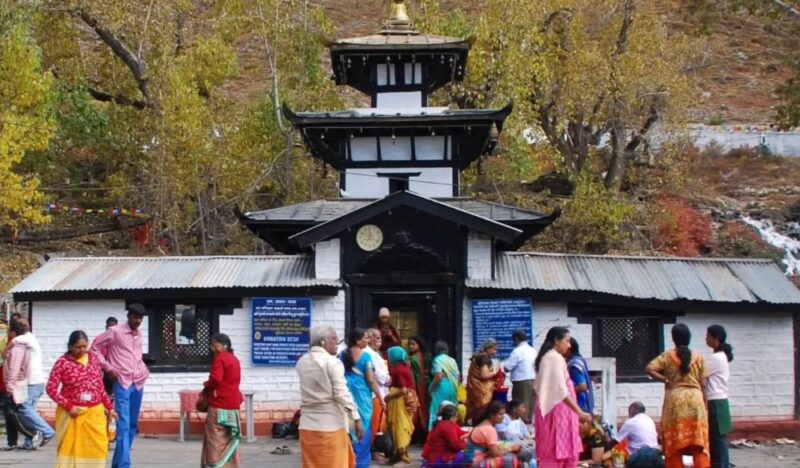
Here is a detail many trekkers do not know. You can still see the other half of the circuit even if you never cross the pass.
Because there is no road over Thorong La, the detour goes around the mountains. You go back to Pokhara, then travel by road or by a short flight to Jomsom, and continue to Kagbeni and Muktinath from there. This lets you visit the sacred temple, the windswept Mustang landscape and the apple orchards of the Kali Gandaki valley.
It will not feel the same as crossing on foot, but it gives you a meaningful finish, and for many people it is the best consolation prize in the Himalayas.
Severe altitude sickness is a different situation altogether. Warning signs include confusion, loss of balance, a persistent cough with breathlessness, or a headache that does not respond to rest and descent. These can point to serious conditions that need immediate descent and medical help.
In this situation, the plan is simple. Go down at once, and do not go alone. Your guide, lodge owner or agency can arrange a helicopter evacuation where needed, which is the fastest way to lower ground and a hospital.
Helicopter rescues in Nepal are expensive and usually need a payment guarantee, so travel insurance that covers high-altitude trekking up to at least 6,000 metres, including emergency evacuation, is not optional. Read the policy before you fly, not after.
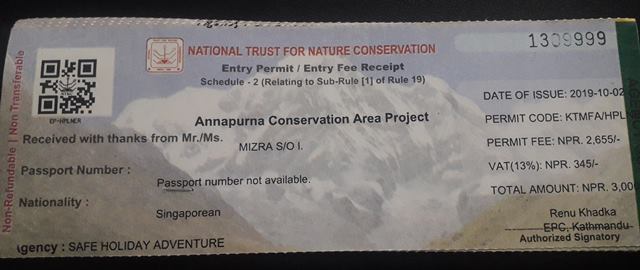
This is the practical question everyone quietly worries about.
Your trek permits stay valid for the dates written on them, so waiting a day or two will not cause trouble. If you are walking out early, the cost of days already spent on the trail is generally not refunded, because the guide, porter and lodging are paid for the time they worked.
If you booked through an agency, speak to them early. A good operator will help rearrange transport, adjust the itinerary and look after your guide and porter. Tipping your team fairly for their effort still applies, even on a shorter trip. They carried your bag and stayed beside you whether you reached the pass or not.
Flights are the part that hurts most. Changing an international ticket can be costly, so always keep a flexible gap before your departure.
You cannot control the weather, but you can control almost everything else.

The Himalayas have a habit of humbling even strong trekkers. Every season, people who are fit, prepared and determined still turn around. Their stories are rarely about disappointment. They talk about the sunrise they watched from a lower village, the tea they shared with a lodge family, and the choice they made to stay safe.
Thorong La will be there next year. Your health and your safety will not be waiting in the same way. The best trekkers are not those who always reach the top, but those who always make it home.
So, what happens if you cannot cross Thorong La Pass? You wait, you descend, you walk out or you take the long road around. And in almost every case, you leave the Annapurna Circuit with stories, friendships and a clearer sense of what you can do, even if you never touched the highest prayer flag.
If you are planning the circuit and want a schedule with proper acclimatization and a built-in buffer day, the team at Safe Holiday Adventure Pvt. Ltd. can help you design it so that the pass is something you reach with confidence, not luck.
Travelling to Nepal and exploring the Himalayas had been one of our biggest travel dreams. When nine
Continue Reading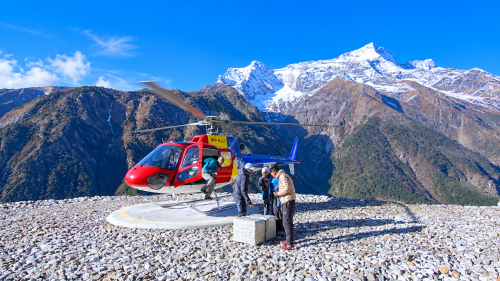
Imagine this. You are standing in Namche Bazaar, the horseshoe-shaped Sherpa town at 3,440 metres, w
Continue Reading
Namche Bazaar is where the Everest trail makes its biggest decision. Most trekkers turn right toward
Continue Reading
Nepal is famous for Mount Everest, the Annapurna Himalayas, ancient temples, traditional villages, a
Continue Reading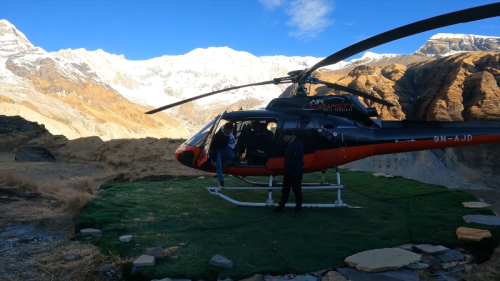
There is a moment at Annapurna Base Camp when the sun touches the rim of the sanctuary and every pea
Continue Reading
There is a moment on the Annapurna Circuit that every trekker thinks about for days. It happens in t
Continue Reading