3-Day Island Peak Climbing Highlights: Highlights
- 3-Day Island Peak Summit Adventure from Chhukung
- 6,189m Island Peak Summit Attempt
- Scenic Imja Valley Approach to Base Camp
- High-Altitude Glacier and Snow Climbing
- Crampon and Rope Climbing Experience
- Panoramic Views of Lhotse, Nuptse & Ama Dablam
- Ideal Everest Base Camp + Island Peak Combination
- Experienced Local Climbing Guide & Support
- Short, Focused Itinerary for Acclimatized Trekkers
3 Days Island Peak Climbing Overview Overview
Introduction to Island Peak Climbing:
3 Days Island Peak Climbing from Chhukung is a short, intense, and rewarding Himalayan adventure designed for trekkers who are already acclimatized in the Everest region and want to turn their trekking journey into a real summit experience. Starting from Chhukung at around 4,730 meters, this compact climbing program takes you toward the 6,189-meter summit of Island Peak (Imja Tse) before returning to Chhukung.
The biggest advantage of this 3-day Island Peak climbing itinerary is its efficient approach. You do not need to repeat the long trek from Lukla or spend additional days reaching the mountain if you are already in the Khumbu. From Chhukung, the route moves directly toward Island Peak Base Camp, where you prepare for the summit before making the demanding ascent and returning to the valley. This makes it an excellent short climbing extension for trekkers who have already completed or are combining it with the Everest Base Camp Trek.
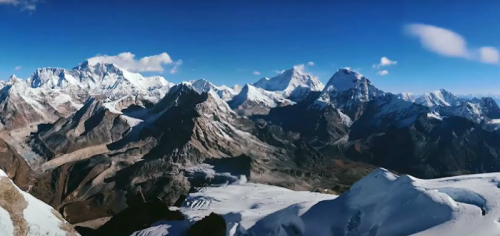
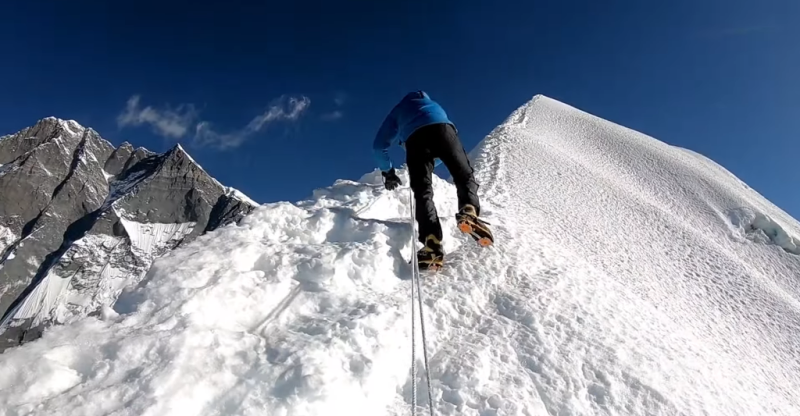
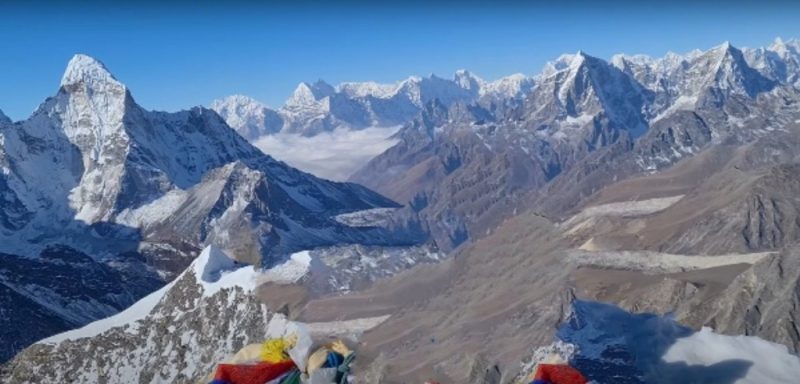
For adventurous travelers, Island Peak offers much more than another high-altitude walk. The climb introduces you to genuine Himalayan mountaineering, including glacier travel, crampon use, fixed-rope climbing, harness work, and steep snow and ice terrain, depending on current mountain conditions and the route. The summit rewards your effort with an exceptional panorama of the Everest region, including Lhotse, Nuptse, Ama Dablam, Makalu, and surrounding Himalayan peaks.
You can also combine this short adventure naturally with your Everest Base Camp Trek. After trekking through the Khumbu and gaining valuable acclimatization, you can continue toward Dingboche and Chhukung and then begin your 3 Days Island Peak Climbing from Chhukung. This combination allows you to experience two major Everest-region highlights in one journey: standing at Everest Base Camp and then challenging yourself on a 6,189-meter Himalayan summit. Island Peak is still a serious high-altitude climb, however, so the three-day schedule is best suited to properly acclimatized and physically prepared adventurers rather than someone arriving at Chhukung without prior acclimatization.
Is 3 Days Island Peak Climbing from Chhukung Worth It?
Yes, if you are already properly acclimatized in the Khumbu and looking for a short but serious Himalayan adventure, 3 Days Island Peak Climbing from Chhukung can be an excellent addition to your trek. Starting from Chhukung saves valuable trekking time and allows you to focus on the climb, summit attempt, and return rather than repeating the longer approach route.
The biggest advantage is the opportunity to combine Everest Base Camp and Island Peak in one journey, giving you both an iconic Himalayan trekking experience and the challenge of reaching a 6,189-meter summit.
For adventure seekers, this three-day program offers a memorable introduction to high-altitude mountaineering, with glacier terrain, climbing equipment, steep sections, and spectacular views of the surrounding Khumbu peaks.
However, the short itinerary does not mean the climb is easy; proper acclimatization, physical fitness, suitable equipment, favorable mountain conditions, and experienced climbing support are essential for a safe and realistic summit attempt.
Benefits of 3 Days Island Peak Climbing
- More Adventure in Less Time: Reach a 6,189-meter Himalayan summit in just three days from Chhukung.
- Combine Everest Base Camp and Island Peak: Add an exciting summit climb to your Everest Base Camp Trek in the same Himalayan journey.
- Save Valuable Trekking Days: Start the climb from Chhukung and avoid repeating the longer approach to the Everest region.
- Enjoy a True Climbing Experience: Experience glacier travel, crampons, ropes, and high-altitude climbing with expert support.
- Challenge Yourself at High Altitude: Take on a rewarding 6,189-meter summit challenge after proper acclimatization in the Khumbu.
- Explore the Khumbu from a New Perspective: Enjoy spectacular views of Lhotse, Nuptse, Ama Dablam, Makalu, and surrounding peaks.
- Ideal for Short Adventure Holidays: Choose a compact 3-day climbing adventure when your time in Nepal is limited.
- Travel with Local Climbing Support: Benefit from experienced local guides, careful planning, and support throughout your summit journey.
OutlineOutline Itinerary
Day 1: Chhukung (4,730 m) → Island Peak Base Camp (5,200 m) — 5–6 km | 3–4 hrs — Trek through the Imja Valley, prepare climbing equipment, and receive a summit briefing. Overnight: Island Peak Base Camp.
Day 2: Island Peak Base Camp → Island Peak Summit (6,189 m) → Base Camp — 10–12 km | 10–12 hrs — Early-morning summit attempt with technical climbing sections, then descend to Base Camp. Overnight: Base Camp.
Day 3: Island Peak Base Camp → Chhukung (4,730 m) — 5–6 km | 2–3 hrs — Descend through the Imja Valley and return to Chhukung, where the 3-day climbing program ends.
Whats Included?
- Island Peak Permit: Climbing permit, local government fees, applicable taxes, and official service charges.
- Professional Climbing Guide: Licensed, experienced, English-speaking, and first-aid-trained Island Peak climbing guide.
- Guide & Staff Services: Guide and support staff wages, meals, accommodation, insurance, and daily allowances.
- Meals: Breakfast, lunch, dinner, and tea or coffee during the climbing itinerary as specified.
- Accommodation: Tea-house accommodation in Chhukung and Island Peak Base Camp camping with the necessary camping arrangements.
- Climbing Equipment: Essential group technical equipment such as ropes, ice axe, crampons, harness, and other climbing gear, as applicable.
- Safety Support: Basic first-aid kit, pulse oximeter, and essential safety equipment carried by the climbing team.
- Emergency Assistance: Support and coordination for emergency evacuation or rescue arrangements when required.
- Pre-Climb Preparation: Detailed climbing briefing, equipment check, route information, and final preparation before the summit attempt.
- Company Support: Full assistance from our team throughout the 3 Days Island Peak Climbing from Chhukung.
- Complimentary Gifts: Safe Holiday Adventure T-shirt, sun hat, waterproof sticker, and Island Peak achievement certificate or medal.
- International Flights & Nepal Visa: International airfare and Nepal visa fees are not included.
- Travel & Medical Insurance: Personal insurance covering trekking, high-altitude climbing, medical treatment, and emergency evacuation is required.
- Domestic Transportation: Domestic flights or other transportation required before or after the Chhukung–Island Peak climbing itinerary are excluded unless specifically mentioned in the package.
- Personal Climbing Gear: Individual equipment such as climbing boots, down jacket, sleeping bag, gloves, goggles, helmet, and other personal gear is not included. Equipment can be rented or purchased in Kathmandu if needed.
- Extra Accommodation & Meals: Additional nights, meals, or drinks caused by early arrival, delayed departure, bad weather, illness, or itinerary changes are not included.
- Porter Service: Porter service for carrying personal baggage can be arranged at an additional cost if required.
- Personal Expenses: Hot showers, Wi-Fi, charging, snacks, bottled drinks, laundry, and other personal expenses are excluded.
- Special Permits & Fees: Additional charges for drones, filming, professional photography, or other special permits are not included.
- Tips & Gratuities: Tips for guides, porters, and support staff are not included and remain at your discretion.
- Emergency Evacuation Costs: Helicopter rescue, medical treatment, hospitalization, and related emergency expenses are not included and should be covered by your insurance.
- Other Personal Costs: Any service, activity, or expense not specifically mentioned under Cost Includes is excluded.
Dates and Availability Departures
All our published dates are guaranteed departures. We also provide customized departures tailored to your travel plans.
There are no group joining dates available at the moment. Please contact us for a private trip.
Travellers Reviews
Genaral Trip InfoInfos
Island Peak Climbing Route from Chhukung:
Chhukung → Island Peak Base Camp → High Camp → Imja Glacier → Fixed-Rope Headwall → Summit Ridge → Island Peak Summit (6,189 m)
Route Description:
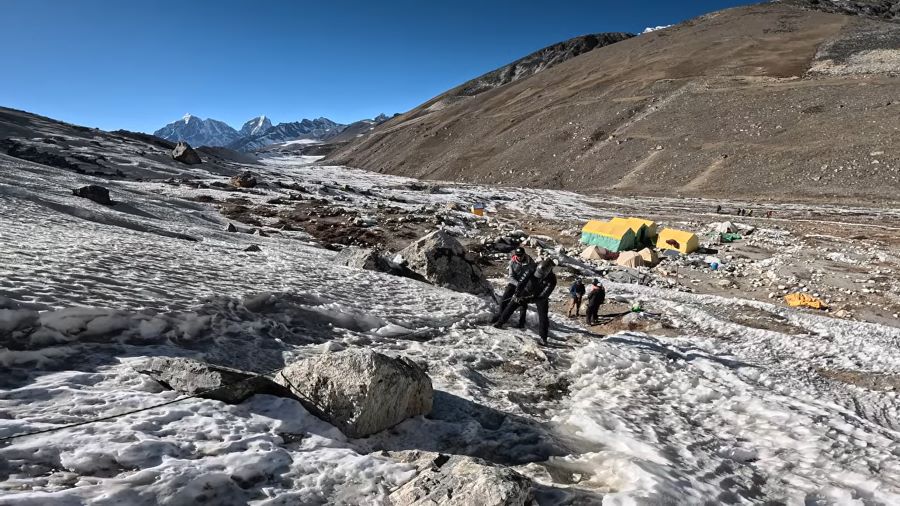
The Island Peak route from Chhukung starts with a gradual ascent through rocky moraine to Island Peak Base Camp, usually reached after several hours of walking. The landscape becomes increasingly alpine, with views toward the Imja Glacier, Lhotse and surrounding Himalayan peaks.
From Base Camp, climbers either establish a High Camp around 5,600 m or make a direct summit attempt depending on the climbing plan, conditions, and acclimatization. The upper route becomes considerably more technical, requiring appropriate mountaineering equipment and climbing skills.
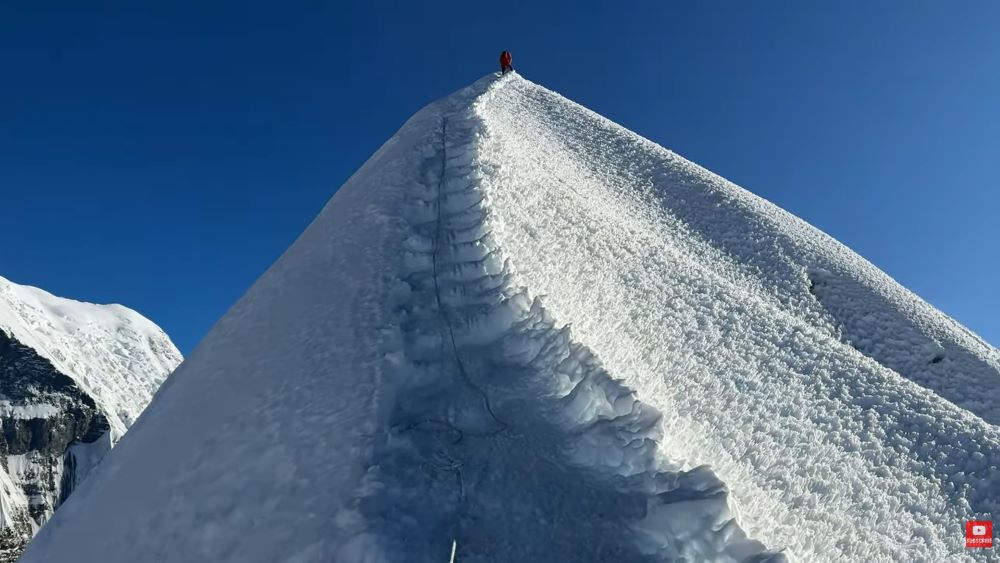
The summit attempt normally begins in the early morning. The route crosses glacial terrain before reaching the steep snow and ice headwall, where fixed ropes and an ascender may be used. Above the headwall, climbers continue along the exposed summit ridge toward the 6,189 m summit of Island Peak. Glacier, rope, and upper-route conditions can vary with season and mountain conditions.
Island Peak Climbing Difficulty in 3 Days:
Island Peak climbing in 3 days is a challenging and demanding adventure, mainly because the short itinerary leaves little time for acclimatization and recovery. Starting from Chhukung, the route quickly gains altitude before reaching Island Peak at 6,189 meters (20,305 feet). The climb involves steep uphill walking, rocky terrain, snow and ice sections, and a physically demanding summit push at high altitude. The final ascent may require the use of crampons, a harness, ropes, an ice axe, and fixed-line climbing techniques, depending on current mountain conditions and the route setup.
The biggest difficulty is not simply the distance but the combination of high altitude, steep terrain, cold temperatures, and limited acclimatization time. The summit day is particularly strenuous, often involving an early start and several hours of continuous climbing before reaching the summit and returning to lower elevation. This 3-day Island Peak climbing itinerary from Chhukung is therefore more suitable for trekkers with previous high-altitude experience, good physical fitness, and basic mountaineering skills. Proper acclimatization before reaching Chhukung, adequate preparation, a professional climbing guide, and careful pacing are essential for managing the challenges safely.
Best Time for Island Peak Climbing:
The best time for Island Peak climbing is during spring (March to May) and autumn (September to November). These seasons offer generally stable weather, clearer mountain views, moderate daytime temperatures, and better climbing conditions, making the summit approach more manageable.
October and November are especially popular for crisp visibility and dry trails, while April and May provide warmer conditions and vibrant Himalayan scenery. Winter is colder, and the monsoon brings clouds, rain, and less predictable conditions.
Equipment and Packing List for Island Peak Climbing
Technical Climbing Equipment
- Mountaineering boots – 1 pair, crampon-compatible
- 12-point steel crampons
- Mountaineering ice axe – 50–60 cm
- Climbing harness
- Climbing helmet
- Jumar/ascender
- Figure-8 or ATC belay/rappel device
- Locking carabiners – 2–3
- Non-locking carabiners – 2
- Prusik cords
- Climbing sling
- Gaiters
Clothing and Layering
- Thermal base-layer top and bottom
- Trekking shirts – 2–3
- Fleece or softshell jacket
- Warm down jacket
- Waterproof and windproof shell jacket
- Waterproof trekking trousers
- Insulated summit trousers
- Trekking trousers – 1–2 pairs
- Thermal socks – 3–4 pairs
- Liner gloves
- Insulated gloves or mittens
- Warm beanie
- Sun hat or cap
- Buff or neck gaiter
- Balaclava
Trekking and Sleeping Gear
- 40–50 L daypack
- Duffel bag
- Four-season sleeping bag rated around -20°C
- Sleeping-bag liner
- Trekking poles
- Headlamp with spare batteries
- Backpack rain cover
- Water bottles or hydration system
Personal and Health Essentials
- UV-protection sunglasses
- Ski or snow goggles
- SPF 50+ sunscreen
- SPF lip balm
- Personal medications
- Small first-aid kit
- Water purification tablets or filter
- Hand sanitizer
- Wet wipes and tissues
- Toiletries
- Power bank
- Camera or phone
Documents and Insurance
- Passport
- Nepal visa
- Travel insurance covering high-altitude mountaineering
- Passport-size photographs
- Emergency contact details
Important: Crampons, ice axe, harness, helmet and ascender can usually be rented in Kathmandu, while some group climbing equipment may be provided by the agency. Always confirm the included equipment and check boot-crampon compatibility before your climb.
Food and Accommodation During the Climb:
From Chhukung to Island Peak Base Camp, you receive three meals a day designed to provide the energy needed for high-altitude climbing. Breakfast may include porridge, eggs, pancakes, bread and hot tea or coffee, while lunch and dinner commonly feature dal bhat, rice, pasta, noodles, potatoes, vegetables and soup. At Base Camp, the climbing crew prepares fresh, hot, high-carbohydrate meals, with hot drinks and drinking water available.
Accommodation changes from a teahouse in Chhukung to a tented camp at Island Peak Base Camp. The Base Camp setup normally includes sleeping tents, a dining tent, kitchen facilities and basic toilet facilities. Because there are no permanent lodges at Base Camp, meals are prepared by the expedition cooking team. Climbers should also carry energy bars, chocolate, nuts or dried fruit for additional energy during the summit push.
Island Peak Climbing Preparation and Training:
Island Peak climbing preparation should focus on endurance, leg strength, balance, and altitude readiness. Start training 2–3 months before the climb with regular hiking, running, cycling, or stair climbing.
Include squats, lunges, step-ups, calf raises, and core exercises 2–3 times a week. Gradually increase your hiking distance, uphill elevation, and backpack weight to prepare for long mountain days.
Basic mountaineering skills such as crampon walking, ice-axe use, fixed-rope climbing, Jumar ascender use, and rappelling are also important. Your climbing guide will provide practical instruction before the summit attempt.
Most importantly, maintain good acclimatization before reaching Island Peak Base Camp. Good fitness combined with proper acclimatization, equipment, and guide support will help you approach the 6,189 m Island Peak summit with greater confidence.
Altitude Acclimatization for 3 Days Island Peak Climbing:
Altitude acclimatization for Island Peak is important because the summit reaches 6,189 m. A 3-day climb from Chhukung is suitable only when you are already properly acclimatized after spending several days trekking in the Khumbu region, particularly around Namche, Dingboche, and Chhukung.
During the climb, walk at a steady pace, stay hydrated, eat enough, and avoid overexertion. Your guide will monitor your condition throughout the trip. If you experience worsening altitude sickness symptoms, descending to a lower altitude is the safest response.
Do I Need Previous Climbing Experience for Island Peak Climbing?
You do not necessarily need previous climbing experience for Island Peak climbing, but good fitness and proper preparation are essential. The climb involves crampons, ropes, an ice axe, and steep sections, so basic mountaineering skills are helpful.
If you are a first-time climber, an experienced guide can teach you crampon walking, fixed-rope techniques, Jumar ascender use, and rappelling before the summit. Good acclimatization, physical training, and a positive attitude are equally important for a safe and enjoyable climb.
Island Peak Weather and Temperature:
Island Peak has a cold alpine climate that changes quickly with altitude and season. At Base Camp, daytime temperatures during the main climbing seasons are generally around -5°C to 5°C, while nights can fall to approximately -15°C to -20°C. Spring and autumn usually bring clearer mornings and more stable conditions, while winter is considerably colder and the monsoon brings cloud, rain, and snowfall.
During the summit climb, which normally begins before dawn, temperatures can drop to around -15°C to -25°C or lower, particularly on the exposed upper slopes. Strong winds can make conditions feel significantly colder. After sunrise, temperatures gradually improve, but climbers should remain prepared for freezing temperatures, wind, snow, and sudden weather changes throughout the climb.
Detailed ItineraryItinerary
Chhukung (4,730 m) → Island Peak Base Camp (5,200 m)
After breakfast in Chhukung, begin your trek toward Island Peak Base Camp through the scenic Imja Valley. The trail gradually climbs across rocky terrain with impressive views of Island Peak, Lhotse, Nuptse, and surrounding Himalayan peaks. As you approach Base Camp, the landscape becomes increasingly rugged and glacial. After arriving, your climbing guide will check your equipment and provide a detailed briefing about the summit route, safety, and climbing techniques. Spend the evening preparing for the early summit departure and resting at Base Camp.
Accommodation : Tent Meals : Lunch & Dinner
Island Peak Base Camp → Summit (6,189 m) → Base Camp
Begin the summit climb around midnight or in the very early morning, depending on weather and route conditions. The climb starts over rocky terrain before reaching the glacier, where crampons, harnesses, ropes, and other technical equipment are used. With your climbing guide’s support, cross the glacier and tackle the steeper sections toward the summit. Reach the 6,189 m Island Peak summit around sunrise when conditions allow, enjoying spectacular views across the Everest region. After celebrating the summit, descend carefully to Base Camp for rest and overnight accommodation.
Accommodation : Tent Meals : Breakfast, Lunch & Dinner
Island Peak Base Camp → Chhukung (4,730 m)
After breakfast at Base Camp, pack your equipment and begin the descent toward Chhukung. The return trail follows the Imja Valley and is considerably easier after completing the summit climb. Take your time to enjoy the surrounding Himalayan scenery and views of Island Peak from different angles. After approximately 2–3 hours of trekking, arrive back in Chhukung, marking the completion of your 3 Days Island Peak Climbing from Chhukung. From Chhukung, you can continue your Everest-region trek or arrange onward travel according to your itinerary.
Accommodation : Lodge Meals : Breakfast, Lunch & Dinner
3 Days Island Peak Climbing FAQs
Refund & Cancellation Policy
- Booking requires 20% non-refundable deposit (Nepal) or 100% upfront (Tibet/Bhutan).
- Remaining payment due before the trip or on arrival (trip-dependent).
Cancellation charges:
- 31+ days: 20%
- 16–30 days: 45%
- 8–15 days: 75%
- 7 days or less: 90%
- Prices may change due to flights, taxes, or exchange rates.
- Trip changes are allowed, but extra costs apply.
- If the company cancels, a full refund, except for unavoidable events (some costs deducted).
- Good health and travel insurance are mandatory.
- No refund if removed for unsafe or illegal behavior.
- Travel involves personal risk, which the client accepts.