

4 May 2026 8 min to read
Female solo trekking in Langtang Valley has become an increasingly popular choice for women seeking both adventure and personal growth in the Himalayas. Nestled north of Kathmandu, this region offers a unique combination of accessible trails, rich Tamang culture, and breathtaking mountain scenery without the extreme remoteness of some other trekking routes in Nepal. For many women, choosing to trek alone in Langtang is not just about reaching a destination—it is about independence, confidence, and experiencing nature on their own terms.
Female solo trekking in Langtang provides a relatively safe and welcoming environment compared to more isolated Himalayan regions. The trails are well-marked, teahouses are frequent, and local communities are known for their hospitality toward trekkers. This makes it an ideal starting point for women who are new to solo trekking but still want a meaningful and immersive experience. At the same time, it offers enough challenge and raw beauty to appeal to more experienced adventurers.
Beyond the physical journey, female solo trekking in Langtang can be deeply empowering. Walking through forests, crossing suspension bridges, and gradually ascending toward alpine landscapes allows trekkers to build resilience and self-trust. The quiet moments along the trail, combined with interactions with locals and fellow trekkers, often create a sense of connection that goes beyond typical travel experiences.
In recent years, more women have embraced solo trekking in Nepal, and Langtang stands out as a destination that balances adventure with accessibility. Whether motivated by a desire for solitude, cultural exploration, or personal achievement, female solo trekkers continue to find Langtang a rewarding and transformative journey.
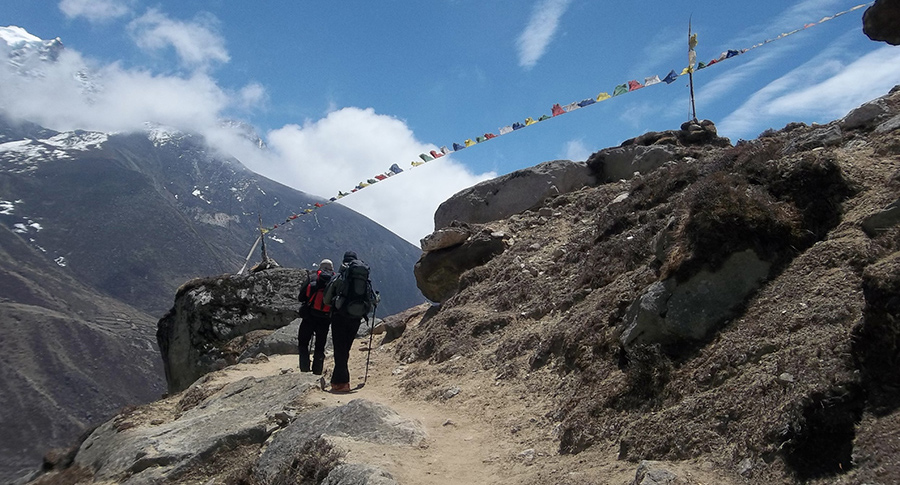
Langtang Valley sits north of Kathmandu, bordering Tibet. Compared to Everest Base Camp or Annapurna Circuit, it sees fewer trekkers, which is exactly why it appeals to solo adventurers.
Here’s what makes it special:
For a female solo trekker, fewer crowds can be both a blessing and a challenge—which we’ll unpack.
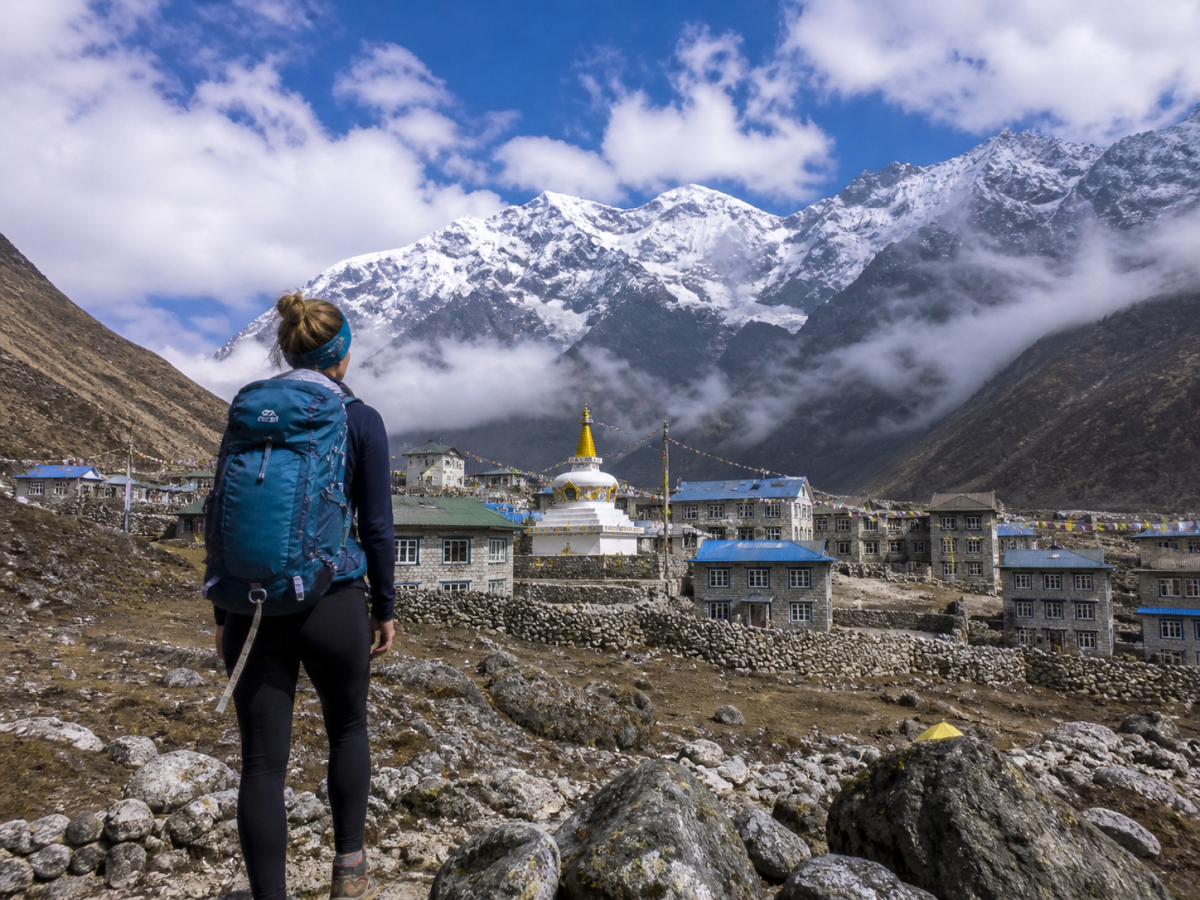
Solo trekking isn’t just a travel choice—it’s a statement.
For many women, it represents:
Walking alone through Langtang’s pine forests, crossing suspension bridges, and watching sunrise over snow peaks can feel transformative. You begin to trust your instincts. You realize you are capable.
But empowerment doesn’t come from ignoring risks—it comes from navigating them wisely.
Nepal is generally considered safe for solo female travelers, especially in trekking regions. Locals are often respectful and helpful. However, trekking introduces variables:
Unlike cities, where you can quickly find help, mountains demand preparedness.

Many travelers imagine solo trekking as completely independent—no guide, no porter, no assistance. While that’s romantic, it’s not always practical.
In Langtang, “solo” can mean:
Even if you start alone, you’re rarely truly alone.
Still, things can go wrong:
This is where having a guide shifts from “optional” to “smart.”
Let’s challenge a common misconception:
Hiring a guide doesn’t make your journey less “solo.”
It makes it safer, richer, and more informed.
A guide:
For female trekkers, this also reduces vulnerability in isolated areas.
Langtang isn’t just about mountains—it’s about people.
A guide can:
Instead of being an outsider passing through, you become a welcomed guest.

With a guide:
This frees your mental space to actually experience the trek.
There’s a subtle but important benefit: peace of mind.
You can still walk alone during the day if you want solitude—but knowing someone has your back changes everything.
There are situations where solo trekking without a guide can work well:
Even then, it’s wise to:

While rare in Langtang, it can happen.
What helps:
Teahouses are generally safe, but basic.
Tips:
Fewer trekkers = more solitude.
Solution:
This is the biggest non-gender-specific risk.
Prevent it by:
A guide can monitor symptoms you might overlook.

Whether solo or with a guide, Langtang offers something powerful:
You navigate unfamiliar terrain, cultures, and challenges—and come out stronger.
Standing beneath towering peaks puts life into context. Problems shrink. Clarity grows.
Not just with nature—but with people, stories, and yourself.
You choose your pace, your path, your experience.
If you want the best of both worlds, consider this:
Guides in Langtang are relatively affordable compared to global standards.
Typical daily cost:
When you consider:
…it’s often money well spent.
Many women who’ve trekked Langtang solo share similar reflections:
“I felt strong—but I also realized how much easier and richer it would’ve been with a guide.”
“I did it alone, but I wouldn’t recommend it to everyone.”
“The mountains were empowering—but the loneliness hit harder than expected.”
These aren’t discouraging—they’re grounding.
Female solo trekking is growing. More women are:
By trekking in places like Langtang, you become part of that shift.
You’re not just walking a trail—you’re expanding what’s possible.
Here’s the honest conclusion:
The goal isn’t to prove independence at all costs.
The goal is to have a meaningful, safe, and empowering experience.
There’s strength in setting out alone.
But there’s wisdom in knowing when not to.
Langtang doesn’t demand that you prove anything. It invites you to experience it—fully, deeply, and safely.
So go. Walk the trails. Breathe the mountain air. Watch the clouds roll over snow peaks.
Be independent. Be curious. Be bold.
And if choosing a guide helps you do all that better?
That’s not weakness.
That’s mastery.


Manaslu Circuit Trek weather is more complicated than simply checking the forecast before leaving Ka
Continue Reading
The Gokyo Lakes Trek is one of the most beautiful trekking journeys in Nepal’s Everest region.
Continue Reading
A clear and honest update for travelers planning Everest, Annapurna, Manaslu, Mustang and other popu
Continue Reading
Manang is one of the most important stops on the Annapurna Circuit Trek. After several days of walki
Continue Reading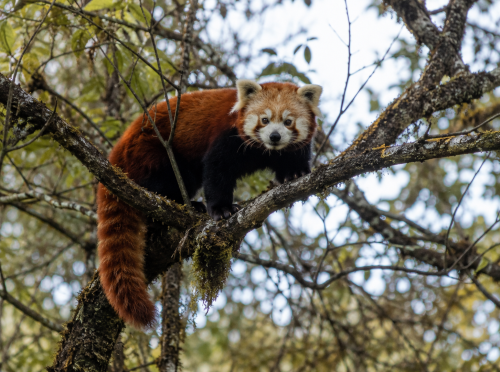
If you are wondering where to see red pandas in Nepal, the Langtang region is one of the most releva
Continue Reading
The Everest Base Camp Trek is one of the world’s most famous Himalayan adventures, but many fi
Continue Reading