

26 Mar 2026 9 min to read
The monsoon season in Nepal, which runs from June to September, is generally considered off-season for trekking due to heavy rainfall, muddy trails, landslides, and poor mountain visibility in many regions. However, this perception does not apply to all parts of the country. Nepal’s unique geography creates several rain-shadow regions where rainfall is minimal even during peak monsoon. These areas lie behind major Himalayan ranges such as Annapurna and Dhaulagiri, blocking the monsoon clouds and creating dry trekking conditions.
Regions like Upper Mustang, Upper Dolpo, and parts of Manang offer excellent trekking opportunities during this time. Unlike the popular Everest and lower Annapurna trails, these areas remain relatively dry, less crowded, and culturally rich. Trekkers can enjoy dramatic landscapes, Tibetan-influenced culture, and peaceful trails without the peak-season crowds.
This guide presents the top five best monsoon treks in Nepal with in-depth information, including daily itineraries, altitude, trekking distance, accommodation, trail conditions, safety considerations, and weather details.
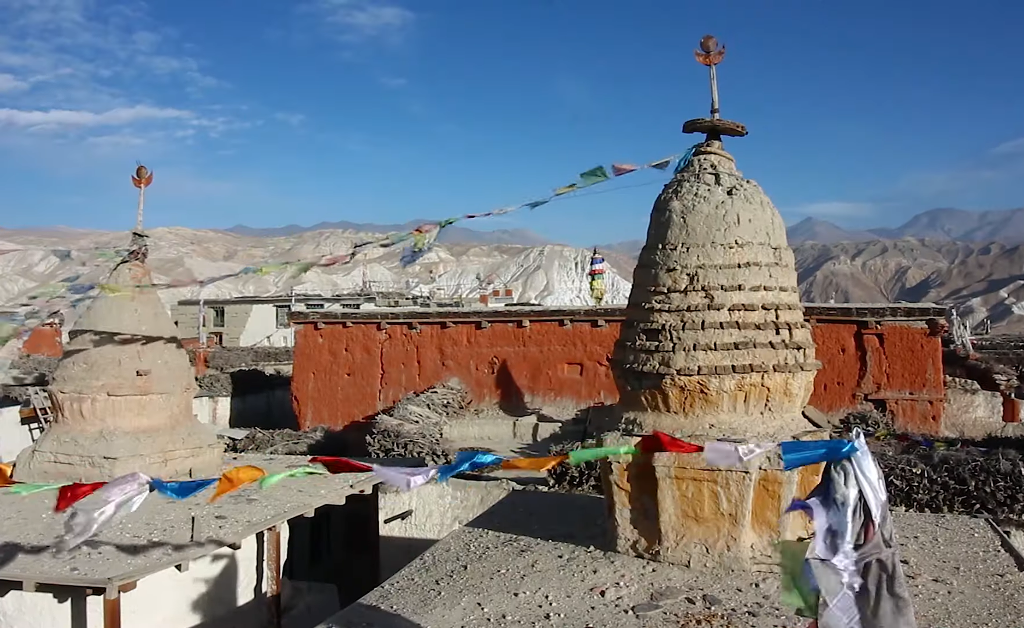
The Upper Mustang Trek is widely regarded as the best trekking destination in Nepal during the monsoon season. Located in the trans-Himalayan region, it lies in a deep rain-shadow area, making it largely unaffected by monsoon rains. The region offers a unique desert-like landscape with dramatic cliffs, ancient caves, monasteries, and the historic walled city of Lo Manthang.
Upper Mustang was once a restricted kingdom, and even today, it preserves a strong Tibetan cultural identity. The trek is moderate in difficulty and suitable for trekkers with a reasonable level of fitness.
Day 1: Kathmandu to Pokhara (822 m)
Day 2: Fly to Jomsom (2,720 m), trek to Kagbeni (2,810 m) – 8 km / 3 hours
Day 3: Kagbeni to Chele (3,050 m) – 15 km / 6 hours
Day 4: Chele to Syangboche (3,800 m) – 14 km / 6–7 hours
Day 5: Syangboche to Ghami (3,520 m) – 13 km / 5–6 hours
Day 6: Ghami to Tsarang (3,560 m) – 10 km / 4 hours
Day 7: Tsarang to Lo Manthang (3,840 m) – 11 km / 4 hours
Day 8: Exploration day in Lo Manthang
Day 9–12: Return trek via same route
Day 13: Fly to Pokhara
Day 14: Return to Kathmandu
Upper Mustang has a well-developed tea house system compared to other remote regions. Rooms are basic but comfortable, usually twin-sharing with shared bathrooms. Meals include dal bhat, noodles, soups, Tibetan bread, and limited international dishes. Electricity and Wi-Fi are available in some areas but may be unreliable.
The trails are mostly dry, dusty, and windy, passing through barren hills, deep canyons, and high plateaus. There are several ascents and descents but no technical sections. The route is well-defined and safe for guided trekking.
During monsoon:
Strong afternoon winds are common, especially near Jomsom.
The risk of altitude sickness is relatively low compared to higher treks, but acclimatization is still important. The biggest challenges are wind, dust, and dehydration. Carry sun protection, lip balm, and sufficient water.

Upper Dolpo is one of the most remote and isolated trekking regions in Nepal. It offers a raw and untouched Himalayan experience with dramatic landscapes, high passes, ancient monasteries, and the stunning Phoksundo Lake. This trek is ideal for experienced trekkers seeking adventure and solitude.
Day 1: Kathmandu to Nepalgunj
Day 2: Fly to Juphal (2,500 m)
Day 3: Juphal to Dunai (2,850 m) – 12 km / 5 hours
Day 4: Dunai to Chhepka (2,670 m) – 15 km / 6 hours
Day 5: Chhepka to Phoksundo Lake (3,600 m) – 14 km / 6 hours
Day 6: Acclimatization at Phoksundo
Day 7–10: Trek to Shey Gompa (around 4,200 m)
Day 11–15: Cross high passes above 5,000 m
Day 16–22: Return via alternate route
This trek requires a full camping setup, including tents, kitchen staff, and supplies. Tea houses are very limited and basic.
Trails are rugged, remote, and often unmarked. The trek involves crossing high mountain passes, narrow trails, and isolated valleys. It is physically demanding and requires good endurance.
Despite being monsoon season, Dolpo remains dry due to its location.
This is a high-risk trek due to remoteness and altitude. Proper acclimatization, experienced guides, and emergency planning are essential. Rescue operations are difficult and expensive.
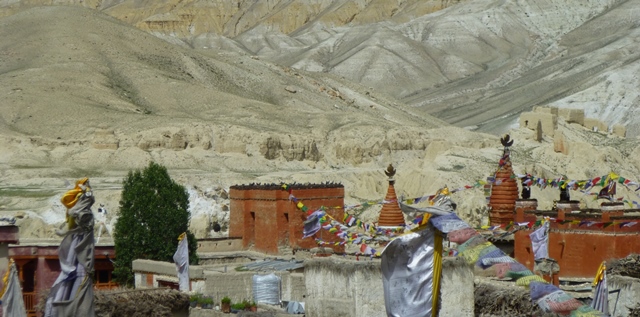
The Nar Phu Valley Trek is one of Nepal’s most secluded and culturally rich trekking routes, located in the Annapurna region. Often referred to as the “Hidden Valley,” it combines breathtaking Himalayan landscapes with ancient Tibetan-style villages, monasteries, and high-altitude desert terrain. The trek passes through two primary valleys: Nar and Phu, which are isolated from mainstream trekking circuits, offering trekkers a sense of adventure and solitude.
Although most regions of Nepal receive heavy rainfall during the monsoon (June to September), Nar Phu Valley remains relatively less affected because of its rain-shadow location, protected by the high Annapurna and Manaslu ranges. This makes it a unique destination for adventurous trekkers seeking to explore high-altitude landscapes in the green monsoon months.
Day 1: Drive to Koto (2,600 m)
Day 2: Koto to Meta (3,560 m) – 15 km / 7 hours
Day 3: Meta to Phu (4,080 m) – 14 km / 6 hours
Day 4: Acclimatization in Phu
Day 5: Phu to Nar (4,110 m) – 13 km / 6 hours
Day 6: Nar to Kang La Pass (5,320 m) to Ngawal (3,660 m) – 8 hours
Day 7–10: Join Annapurna Circuit and exit
Accommodation is basic but available in key villages. Facilities are limited compared to the main Annapurna Circuit.
The trails are remote, narrow, and less trafficked. The crossing of Kang La Pass is physically demanding but rewarding with panoramic views.
Altitude sickness is a concern, especially when crossing Kang La Pass. Proper acclimatization and pacing are essential. A guide is highly recommended.
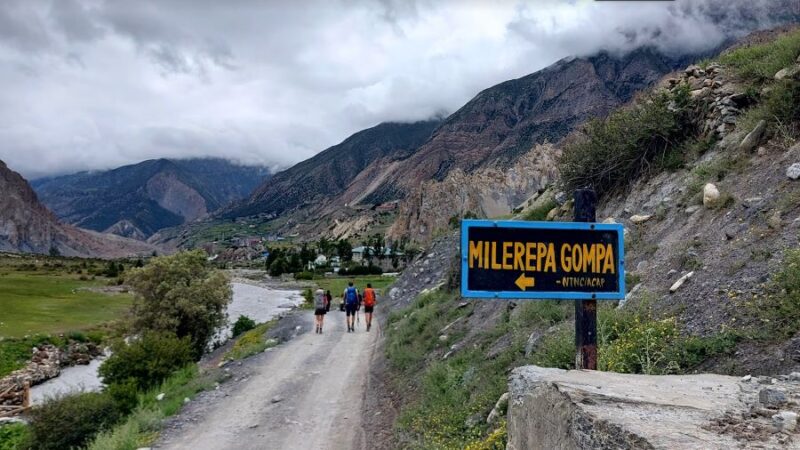
The Annapurna Circuit Trek via Manang during the monsoon season offers a unique and less crowded experience for adventurous trekkers. Unlike the southern side of the circuit, which is often drenched in heavy rains and slippery trails, the Manang route lies in the rain shadow of the Annapurna and Damodar Himal ranges. This results in comparatively drier conditions, allowing trekkers to enjoy lush green landscapes, flowing rivers, and blossoming rhododendrons even in July and August. The trail passes through traditional villages, terraced fields, and dense pine forests, gradually ascending to higher altitudes, giving trekkers panoramic views of peaks like Annapurna II, Gangapurna, and Tilicho. Tea houses in Manang are well-equipped, providing comfortable shelter and warm local cuisine, which makes the trek feasible even during the monsoon season.
Safety remains a priority as streams may swell and trails can still be slippery, so proper trekking gear and guidance are essential. Temperatures in Manang remain moderate in lower altitudes but can drop significantly near Thorong La Pass, requiring layered clothing. Despite the challenges, the monsoon trek offers the reward of serene trails, mist-covered mountains, and a peaceful atmosphere absent in peak seasons. For travelers seeking solitude and scenic beauty, the Annapurna Circuit from the Manang side provides an enriching and immersive Himalayan experience even during the wet season.
Day 1: Drive to Chame (2,670 m)
Day 2: Chame to Pisang (3,200 m) – 13 km / 5 hours
Day 3: Pisang to Manang (3,540 m) – 15 km / 5 hours
Day 4: Acclimatization in Manang
Day 5: Manang to Yak Kharka (4,050 m) – 10 km / 4 hours
Day 6: Yak Kharka to Thorong Phedi (4,450 m) – 8 km / 4 hours
Day 7: Thorong La Pass (5,416 m) to Muktinath (3,760 m) – 15 km / 8 hours
This route has some of the best tea houses in Nepal, offering comfortable rooms, varied menus, and good facilities.
The trail is well-maintained but includes steep ascents and high-altitude crossings. Lower sections may be affected by rain and landslides.
The main risks include altitude sickness and landslides in lower areas. Proper acclimatization is crucial before crossing Thorong La Pass.
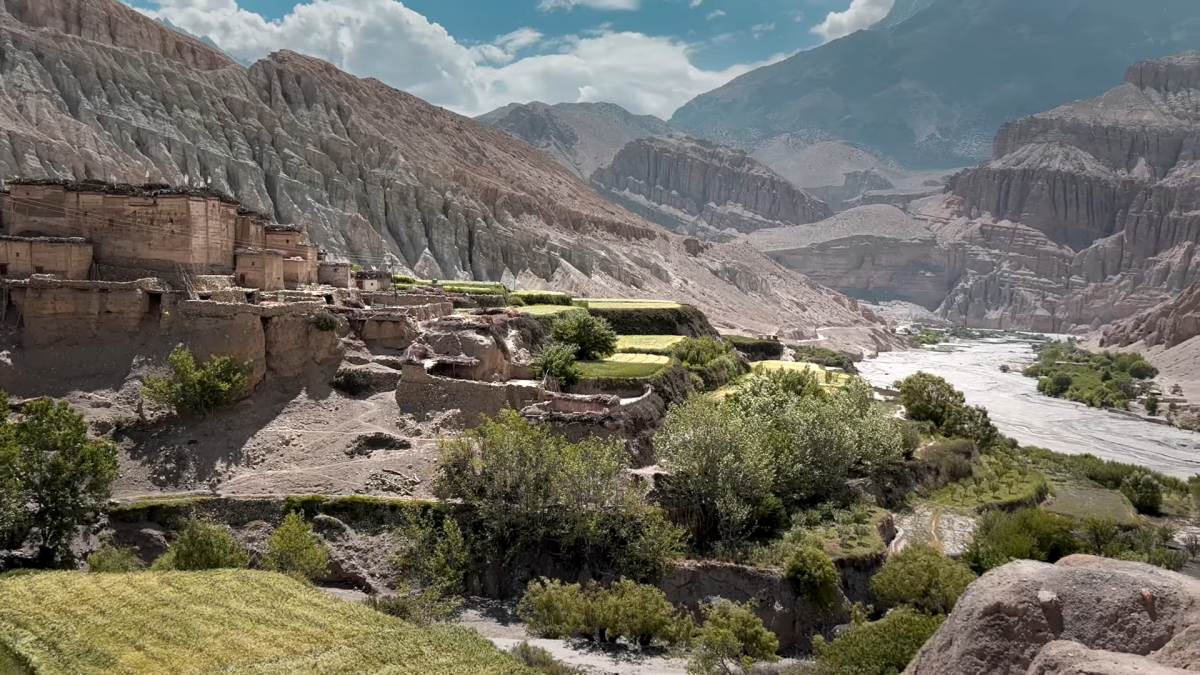
The Jomsom Muktinath Trek during the monsoon season is an adventurous yet manageable journey, as the trail lies in the rain shadow of the Annapurna and Dhaulagiri ranges. This region receives minimal rainfall compared to lower regions, making it suitable for trekking even in July and August. The route offers a mix of cultural and natural experiences, passing through picturesque villages like Kagbeni, Marpha, and Jomsom, terraced fields, and dry, rugged landscapes. Trekkers are rewarded with stunning views of Nilgiri, Dhaulagiri, and Annapurna ranges. Tea houses along the way provide basic but comfortable accommodation and warm meals, ensuring a pleasant trekking experience despite the monsoon season.
Safety is important as some trails near rivers can be slippery due to occasional showers. Temperatures are moderate in lower areas but can drop significantly at higher altitudes near Muktinath. The trek combines spiritual significance, as Muktinath Temple is a sacred site for Hindus and Buddhists, with scenic beauty, making it an ideal monsoon trek for those seeking a blend of culture and nature in the Annapurna region.
Day 1: Fly to Jomsom (2,720 m)
Day 2: Jomsom to Kagbeni (2,810 m) – 8 km / 3 hours
Day 3: Kagbeni to Muktinath (3,760 m) – 14 km / 5 hours
Day 4: Explore Muktinath
Day 5: Trek to Marpha (2,670 m) – 15 km / 6 hours
Day 6: Return to Jomsom
The route offers excellent tea house facilities with comfortable rooms and diverse food options.
The trail is wide and easy to follow, but strong winds in the afternoon can make walking challenging.
The main challenges are wind and dust. Starting early in the morning helps avoid strong afternoon winds.
Monsoon trekking in Nepal is not only possible but can be highly rewarding when choosing the right destinations. Rain-shadow areas such as Upper Mustang, Upper Dolpo, Nar Phu Valley, and Manang provide dry trails, cultural richness, and fewer crowds.
Each trek offers a different experience:
With proper planning, experienced guidance, and awareness of weather and safety conditions, monsoon trekking can become one of the most unique and memorable experiences in Nepal.
Introduction The trek from Syabrubesi to Lama Hotel is the first major walking section of the Langta
Continue Reading
Nepal is one of those rare destinations that stays in your heart long after your trip ends. From the
Continue Reading
Running a marathon is a challenge almost anywhere on Earth. But running one at the foot of Mount Eve
Continue Reading
Female solo trekking in Langtang Valley has become an increasingly popular choice for women seeking
Continue Reading
The Poon Hill trek is often described as one of the easiest and most rewarding short treks in Nepal.
Continue Reading
If you’re planning the Gokyo Trek in 2026, one of the most important steps before you even set foo
Continue Reading