
24 Mar 2026 4 min to read
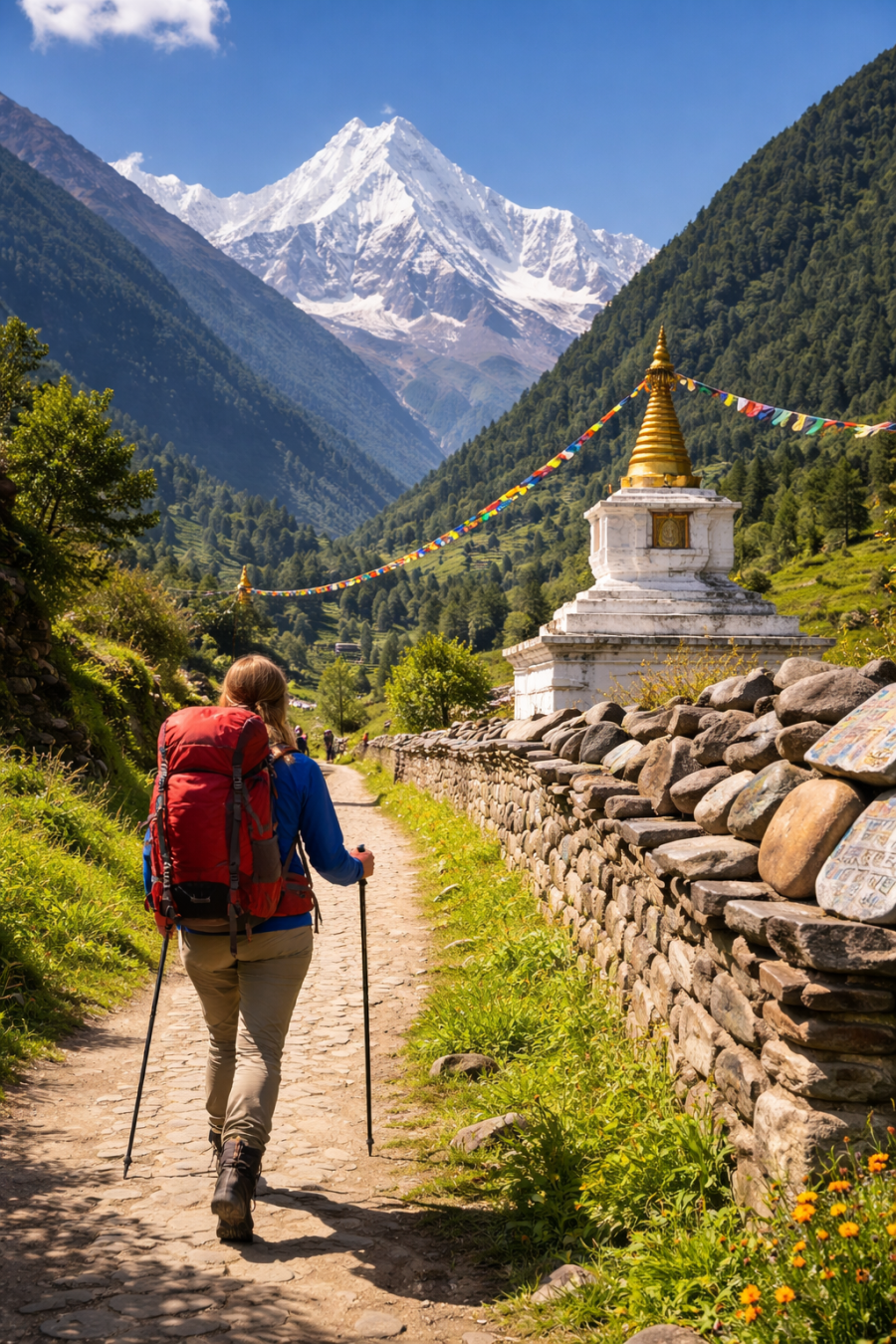
Nepal, known worldwide for its majestic mountains and breathtaking trekking routes, has recently made a major change that excites adventure lovers everywhere. For years, certain remote trails — such as the Manaslu Circuit, Upper Mustang, Dolpo, and Tsum Valley — were restricted to groups. Solo travelers, no matter how experienced, were not allowed to trek these areas without a companion.
Now, Nepal has reopened these restricted trekking routes for solo travelers, making it easier for individuals to explore the Himalayas independently while still keeping safety a priority.
Restricted areas in Nepal were designated for a few reasons. Many of them are close to international borders, some pass through fragile ecosystems, and others are home to indigenous communities with unique cultural practices. To ensure safety, environmental protection, and cultural respect, Nepal previously required trekkers in these zones to travel in groups of at least two.
While these rules were well-intentioned, they made trekking inaccessible for solo adventurers, who now form a significant part of global tourism. Many travelers enjoy the freedom of planning their own schedule, moving at their own pace, and immersing fully in nature — something that the old rules unintentionally limited.
The new policy removes the mandatory group requirement, allowing individual trekkers to apply for permits in their own name. However, safety remains a priority. Solo trekkers are still required to hire a licensed trekking guide for these routes. This ensures that even independent travelers have support in case of emergencies and guidance through challenging terrain.
The process is straightforward: a registered trekking agency helps the solo traveler obtain the special Restricted Area Permit, arranges the guide, and provides logistical support. With this system, Nepal can maintain control and safety while welcoming more visitors.
Opening these trails to solo travelers is expected to give a boost to Nepal’s tourism industry. Independent trekkers often spend on local accommodations, guides, and supplies, directly benefiting rural communities along the trails. Small villages that rely on trekking tourism will welcome the influx of visitors, helping sustain local economies.
At the same time, responsible trekking is emphasized. Guides educate travelers on environmental protection and cultural respect, helping preserve these pristine areas for generations to come.
Nepal’s decision to reopen restricted trekking routes for solo travelers is a welcome move for adventure seekers. It balances freedom with safety, allowing independent explorers to experience the Himalayas while protecting both travelers and local communities.
For anyone who dreams of walking through serene mountain valleys, witnessing snow-capped peaks, and discovering hidden villages, the Himalayas have never been more inviting. Solo travelers now have the opportunity to embrace this adventure on their own terms, making memories that last a lifetime.

Planning an Annapurna Base Camp Trek is one of the most exciting decisions for anyone dreaming of ex
Continue Reading
The Everest Base Camp Trek is much more than a journey to the foot of the world’s highest moun
Continue Reading
The Langtang Gosaikunda Trek Cost is one of Nepal’s most beautiful and rewarding trekking adve
Continue Reading
Introduction: Short Everest Base Camp Trek Overview The Short Everest Base Camp Trek Overview offers
Continue Reading
The Manaslu Trail Race is a world-class Himalayan trail running event that takes runners deep into t
Continue Reading
Introduction The trek from Syabrubesi to Lama Hotel is the first major walking section of the Langta
Continue Reading