

18 Feb 2026 4 min to read
Nestled in the eastern Himalayas of Nepal, Sagarmatha National Park is more than a protected area — it is the gateway to the world’s tallest peaks, including Mount Everest. Covering 1,148 square kilometers, the park is a living mosaic of glaciers, alpine meadows, deep valleys, and lush forests. Here, nature and culture intertwine: endangered wildlife roams freely, and centuries-old Sherpa villages preserve their traditions and Buddhist spirituality.
Sagarmatha is a UNESCO World Heritage Site, recognized worldwide for its blend of natural beauty and rich cultural heritage. Trekking here is both an adventure across landscapes and an immersion into Himalayan culture and spirituality.
The park ranges in elevation from about 2,845 meters to 8,848 meters at Everest’s summit. Hikers will encounter:
Notable peaks in the park include:
The terrain changes dramatically as you ascend, offering breathtaking vistas of Himalayan peaks, glacial rivers, and deep valleys.
Despite its harsh climate, Sagarmatha National Park boasts diverse wildlife:
Wildlife:
Flora:
These ecosystems are delicate, making conservation efforts vital.
The park is home to the Sherpa community, whose life revolves around the mountains. Key villages include:
Sherpa villages preserve traditional houses, prayer flags, mani stones, and festivals that reflect Buddhist culture.
Sagarmatha National Park is a trekker’s paradise. Key treks include:
Other notable passes and trekking highlights: Kongma La, Chhukung Valley, and Kala Patthar viewpoint for Everest panoramas.
Most treks begin at Lukla Airport, providing a dramatic mountain flight as the adventure starts.
Monsoon season (June–August) brings heavy rainfall, while winter (December–February) is extremely cold, suitable only for experienced trekkers.
Sagarmatha is more than a trekking destination; it is an immersive Himalayan experience with:
Whether trekking, photographing, researching, or seeking adventure, Sagarmatha offers a life-changing experience at every step.
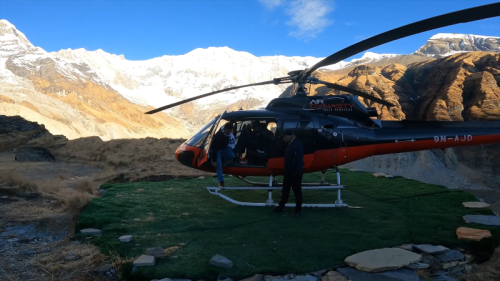
There is a moment at Annapurna Base Camp when the sun touches the rim of the sanctuary and every pea
Continue Reading
There is a moment on the Annapurna Circuit that every trekker thinks about for days. It happens in t
Continue Reading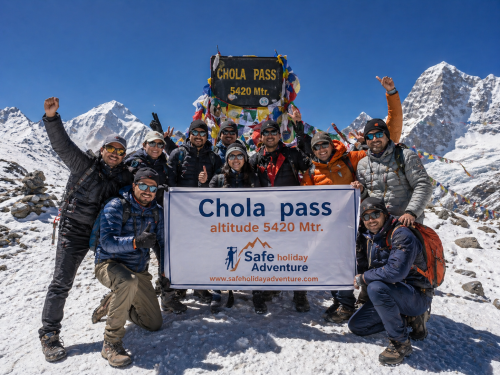
Most people walk to Everest Base Camp and then walk back down the same valley. The Three Passes Trek
Continue Reading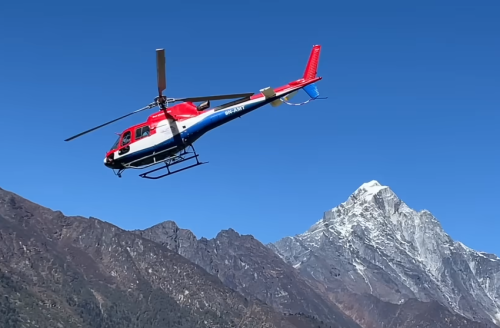
There is a moment on every Everest trek when your legs have an opinion. For most people, it arrives
Continue Reading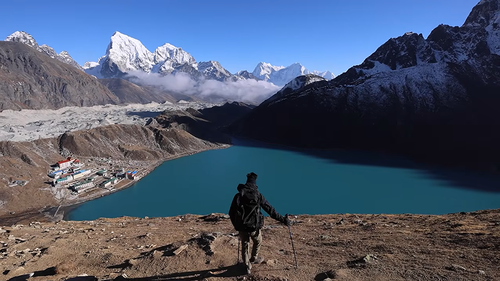
If you are asking how difficult the Everest Three Passes Trek is, the honest answer is this: it is t
Continue Reading
My name is Peng Chang, and I travelled to Nepal from Malaysia with a small group of friends. Before
Continue Reading