


The difficulty level of Lobuche West Peak climbing is considered moderate to challenging, making it ideal for adventure seekers with basic mountaineering skills. Located in the Everest region, Lobuche West involves steep snow slopes, icy sections, and some technical climbing using ropes, crampons, and ice axes. Proper acclimatization, good physical fitness, and experienced climbing guides are essential for success. With the right preparation, Lobuche West Peak offers a safe yet thrilling Himalayan climbing experience.
Lobuche West Peak Climbing Highlights: Highlights
Here are some key highlights of the ways of climbing Lobuche West Peak:
- Base Camp Trek: The climbing route begins with a trek to Base Camp, which takes several days and passes through the towns of Lukla, Namche Bazaar, and Gorak Shep.
- Acclimatization Climbs: From base camp, climbers will typically make a series of acclimatization climbs before attempting the summit. This is an important step to ensure that climbers have adequate time to adjust to the high altitude and reduce the risk of altitude sickness.
- Technical Climbing: The climb itself involves ascending steep rocky slopes, traversing glaciers, and negotiating technical rock and ice pitches. Climbers will need to be well-versed in the use of crampons, ice axes, and ropes, as well as have a good level of physical fitness.
- Best time to climb: The best time to climb Lobuche West Peak is during the spring (April-May) and autumn (September-October) seasons when the weather is relatively stable, and the snow conditions are favorable.
- Professional guide and team: It’s recommended that climbers hire a professional guide and climb with a team of experienced climbers for their safety.
- Required climbing gear: Climbers will need to bring appropriate gear such as warm clothing, insulated boots, crampons, ice axes, harnesses, helmets, carabiners, slings, ropes, etc.
- Permits and paperwork: Obtaining the necessary climbing permits and paperwork is also an important step in the process of climbing Lobuche West Peak. Climbers should make sure to have all the necessary documents and clearances before starting the climb.
- Physical and mental preparation: Climbing Lobuche West Peak is a challenging and physically demanding activity that requires a good level of fitness and mental preparedness. Climbers should make sure to adequately prepare for the climb in terms of physical training and mental preparation.
Trip Introduction: Overview
Lobuche West Peak Climbing is a challenging mountaineering expedition in the Himalayas of Nepal. The peak, which stands at an elevation of 6,145 meters (20,161 feet), is located in the Khumbu region and is considered to be one of the more technically challenging climbs in the area.
The standard climbing route for Lobuche West Peak begins with a trek to base camp, which takes several days and passes through the towns of Lukla, Namche Bazaar, and Gorak Shep. From base camp, climbers will typically make a series of acclimatization climbs before attempting the summit.
The climb itself involves ascending steep rocky slopes, traversing glaciers, and negotiating technical rock and ice pitches. Climbers will need to be well-versed in the use of crampons, ice axes, and ropes, as well as have a good level of physical fitness.
The best time to climb Lobuche West Peak is during the spring (April-May) and autumn (September-October) seasons when the weather is relatively stable and the snow conditions are favorable.
It’s important to note that climbing Lobuche West Peak is a serious undertaking and requires a good level of mountaineering experience. It’s recommended that climbers hire a professional guide and climb with a team of experienced climbers for their safety.
Overall, Climbing Lobuche West Peak offers a challenging and rewarding experience for experienced mountaineers looking to tackle a technically demanding peak in the Himalayas.
Food, Weather, and temperature:
The food options during the Lobuche West Peak climbing are limited to basic mountain food such as Dal Bhat, pasta, potatoes, and soups. Climbers should be prepared to eat simple and repetitive meals. The weather during the climb can be unpredictable, with temperatures dropping significantly at higher elevations, so warm clothing and equipment are essential. The temperature during the daytime can be around -5 degrees Celsius to -10 degrees Celsius and at night time it can drop down to -15 degrees Celsius to -20 degrees Celsius.
Lobuche Peak Brief Itinerary:Outline Itinerary
Day 1: Arrival in Kathmandu.
Day 2: Kathmandu city tour
Day 3: Fly to Lukla (2860 m) and trek to Phakding (2660 m).
Day 4: Trek to Namche Bazaar (3450 m) via Monjo (2850 m).
Day 5: Namche rest day for Acclimatization
Day 6: Trek to Tyangboche (3,890 m) – 5 hrs walking
Day 7: Trek to Dingboche (4360m) – 4 to 5 hours
Day 8: Acclimatization day at Dingboche
Day 9: Trek to Lobuche (4,940 m) – 5 hours of walking
Day 10: Trek from Lobuche to Gorakshep to EBC and back to Gorak Shep (5,180 m)
Day 11: Hike to Kalapather then trek to Lobuche (4,940 m) – 5-hour walk
Day 12: Lobuche to High Camp (5,400 m/17,712 ft) afternoon Pre-Climb Training: 3-4 hours
Day 13: High camp to Lobuche west summit (6119 m/20,070 ft) then back to high camp again- 9 to 10 hours
Day 14: High camp to Pangboche. (3950 m) – 6 hours
Day 15: Trek to Namache bazaar (3,450 m) – 5 to 6 hours
Day 16: Trek to Lukla (2,860 m)
Day 17. Fly back to Kathmandu.
Day 18: Free day in Kathmandu.
Day 19: Departure day
Whats Included?
- Pickups and drop services from/to Kathmandu TIA airport,
- 4 Night hotel in Kathmandu,
- Kathmandu to Lukla and Lukla to Kathmandu Air ticket with taxes,
- Essential Climbing Equipment for the peak,
- Insurance of all field staff,
- Tea house accommodation and tented camp during your Trekking,
- 3 Time tea house base food (breakfast, lunch, and Dinner),
- Well, train Experienced Climbing and trekking Guide plus Porters,
- All paperwork, climbing and trekking Permit,
- Nepal Government taxes,
- Emergency Chopper arrangement,
- Farewell dinner at a local Nepali Restaurant.
- When you arrive in Nepal your Nepal entry visa fee,
- Your Lunch and Dinner in Kathmandu,
- Emergency evacuation Chopper cost,
- Medical Travel Insurance,
- Altitude chamber (PAC) OR oxygen,
- Foods during the climbing time and Excess baggage Charge,
- Extra Porter, Foods, WiFi, shower, battery charge, donation, bar bills,
- All other extra expenses which we didn’t mention the price in the inclusive section above,
- A tip for all field staff, which is highly expected after your trek at Lukla.
Dates and Availability Departures
All our published dates are guaranteed departures. We also provide customized departures tailored to your travel plans.
There are no group joining dates available at the moment. Please contact us for a private trip.
Travellers Reviews
Genaral Trip InfoInfos
Lobuche West Peak Difficulty
When is Best time to Climb Lobuche west peak?
Lobuche West vs Lobuche East – Choose Your Perfect Climb
Climbing Gear for Lobuche west Peak
Acclimatization for Lobuche West Peak Climbing
Proper acclimatization is crucial for Lobuche West Peak climbing due to its high altitude and technical nature. A well-planned itinerary includes gradual ascent, rest days, and short acclimatization hikes to allow the body to adjust to thinning air. Key stops such as Namche Bazaar, Dingboche, and Lobuche help reduce the risk of altitude sickness. Spending extra time at base camp for training and rest further improves safety and summit success. Good acclimatization ensures better endurance, confidence, and a safer climbing experience in the Everest region.
Lobuche Peak Climbing Cost
The Lobuche Peak climbing cost generally ranges from USD 2,300 to 2,500 per person for an all-inclusive package. This cost typically covers climbing permits, experienced guides and Sherpa support, accommodation, meals during the trek and climb, domestic flights, transportation, and necessary logistics. The final price may vary based on group size, season, and service level. Our packages offer excellent value with flexible, well-managed services, making Lobuche Peak climbing an affordable and rewarding Himalayan adventure in the Everest region.
Detailed ItineraryItinerary
Day 01
Arrival in Kathmandu.
A member of our team at Safe Holiday will be waiting for you at Kathmandu airport, holding a sign with your name, ready to transfer you to your hotel. The drive from the airport to your hotel, located in the Thamel Paknajol area of Kathmandu, will take approximately 25 minutes. Once you have checked into your hotel and have some free time, a member of our team will provide you with a trip briefing to ensure a safe and enjoyable holiday.
Accommodation : Guesthouse
Day 02
Kathmandu city tour
Kathmandu city tour offers a variety of options for visitors to explore the rich culture and history of the city. Some popular options include:
Swambhunath: Also known as the Monkey Temple, this ancient Buddhist stupa is considered one of the most sacred sites in Nepal. The stupa is adorned with intricate carvings and offers panoramic views of the city.
Pashupatinath temple: This is a UNESCO World Heritage Site and one of the most important Hindu temples in the world. The temple is dedicated to Lord Shiva and is a major pilgrimage site for Hindus.
Patan: This ancient city is known for its traditional Newari architecture and is home to several temples and palaces. Visitors can explore the city’s narrow streets and visit the Patan Durbar Square, a UNESCO World Heritage Site.
Bauddhanath: This is one of the largest Buddhist stupas in the world and is an important pilgrimage site for Tibetan Buddhists. The stupa is surrounded by colorful prayer flags and visitors can watch as devotees perform their daily circumambulations.
Each of these options offers a unique glimpse into the culture and history of Kathmandu and are worth visiting during your stay in the city.
Accommodation : Guesthouse
Day 03
Fly to Lukla (2860 m) and trek to Phakding (2660 m).
Duration : 3-4 hours Elevation : Lukla (2860 m), Phakding (2660 m)
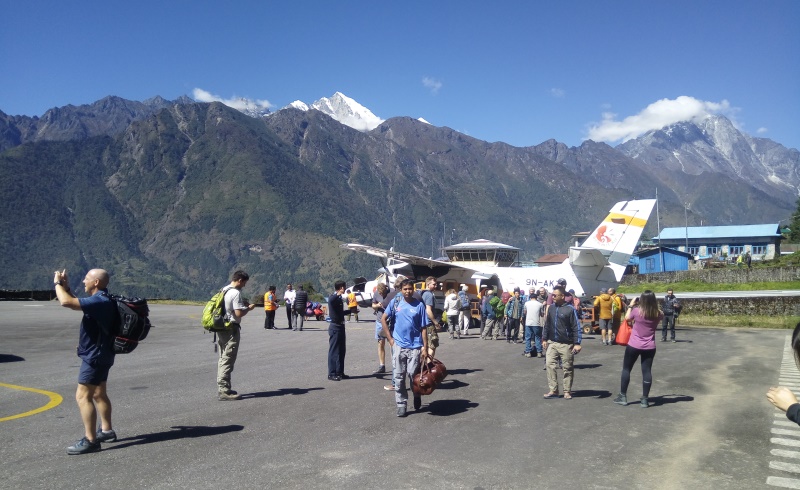
The trek to Lobuche West Peak begins with a flight to Lukla, which is a small town located at an altitude of 2860 meters (9,383 feet) in the Khumbu region of Nepal. The flight to Lukla is considered one of the most scenic and challenging flights in the world, offering breathtaking views of the Himalayas.
Once you arrive in Lukla, you will begin your trek to Phakding which is located at an altitude of 2660 meters (8,730 feet). The trek from Lukla to Phakding is relatively easy and takes about 3-4 hours to complete. You’ll be walking on a well-defined trail through beautiful rhododendron and pine forests, passing by several small villages along the way. The trail also offers great views of the Dudh Kosi River and the surrounding mountains.
Phakding is a small village that serves as a popular stopover point for trekkers en route to Namche Bazaar and other destinations in the Khumbu region. It is a good place to acclimatize and take a rest before heading to the next destination.
It’s important to note that the trail to Phakding is well-trodden, but can be muddy and slippery in some places, so it’s important to wear appropriate footwear and watch your footing.
Accommodation : Tea house/ Lodge
Day 04
Trek to Namche Bazaar (3450 m) via Monjo (2850 m).
Duration : 2-3 hours Elevation : Monjo (2850 m), Namche Bazaar (3450 m)
The trek from Phakding to Namche Bazaar is considered to be one of the most scenic and challenging sections of the trek to Lobuche West Peak. The trail takes you through beautiful rhododendron forests, across suspension bridges over the Dudh Kosi River, and offers spectacular views of the surrounding mountains.
The trail from Phakding to Monjo is relatively easy and takes about 2-3 hours to complete. Monjo is a small village located at an altitude of 2850 meters (9,350 feet) and it is the last village before reaching Namche Bazaar.
The trail from Monjo to Namche Bazaar is steeper and more strenuous and takes about 3-4 hours to complete. Namche Bazaar is located at an altitude of 3450 meters (11,319 feet) and serves as the main trading center and hub for trekkers and climbers in the Khumbu region. Namche offers panoramic views of the surrounding mountains, including Mt. Everest, and is a great place to acclimatize before heading higher into the mountains.
Accommodation : Teahouse/Lodge
Day 05
Namche rest day for Acclimatization
Elevation : Namche Bazaar (3450 m)
Namche Bazaar is an important stopover point for trekkers and climbers heading to the higher elevations in the Khumbu region. It’s located at an altitude of 3450 meters (11,319 feet) and serves as a popular spot for acclimatization. A rest day in Namche Bazaar allows trekkers to acclimatize to the high altitude, rest their bodies, and explore the town. Namche offers panoramic views of the surrounding mountains, including Mt. Everest, and is a good place to buy trekking gear and souvenirs. Visitors can also explore the local Sherpa culture and visit the local monastery, museum, and park. Namche is also a good place to hike to nearby viewpoints, such as the Syangboche airport and the Everest View Hotel, which offer great views of the surrounding peaks.
Accommodation : Teahouse/Lodge
Day 06
Trek to Tyangboche (3,890 m) – 5 hrs walking
Duration : 5 hrs walking Elevation : Tyangboche (3,890 m)
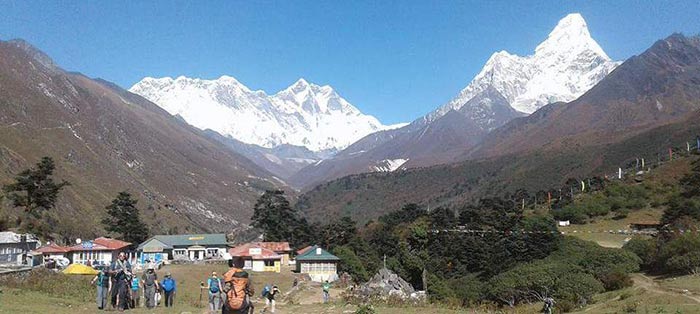
The trek from Namche Bazaar to Tangboche is considered one of the most scenic sections of the trek to Lobuche West Peak. The trail takes you through beautiful rhododendron forests, across suspension bridges over the Dudh Kosi River, and offers spectacular views of the surrounding mountains, including Ama Dablam, Lhotse, and Nuptse. The trail becomes steeper and more strenuous as you approach Tangboche. Tangboche is located at an altitude of 3867 meters (12,687 feet) and is home to one of the most beautiful monasteries in the Khumbu region. A rest day in Tangboche allows trekkers to acclimatize to the high altitude, rest their bodies, and explore the monastery. The views of the Ama Dablam and the surrounding peaks are breathtaking and will be one of the highlights of the trek.
Accommodation : Teahouse/Lodge
Day 07
Trek to Dingboche (4360m) – 4 to 5 hours
Duration : 4 to 5 hours Elevation : Dingboche (4360m)
The trek from Tangboche to Dingboche is a challenging and strenuous hike, it takes around 4 to 5 hours to complete. The trail takes you through beautiful rhododendron forests and offers spectacular views of the surrounding mountains, including Ama Dablam, Lhotse, and Island Peak. The trail becomes steeper and more strenuous as you approach Dingboche. Dingboche is located at an altitude of 4360 meters (14,300 ft) and is a good place to rest, acclimatize, and explore the surrounding area. The views of the Ama Dablam and the surrounding peaks are breathtaking and will be one of the highlights of the trek. Dingboche is also a good place to hike to nearby viewpoints, such as Nagerjun Hill, which offers great views of the surrounding peaks.
Accommodation : Teahouse/Lodge
Day 08
Acclimatization day at Dingboche
Elevation : Dingboche (4360 meters)
Dingboche is an important stopover point for trekkers and climbers heading to the higher elevations in the Khumbu region. It’s located at an altitude of 4360 meters (14,300 ft) and is a popular spot for acclimatization. An acclimatization day in Dingboche allows trekkers to rest and acclimatize to the high altitude before continuing the trek. Visitors can explore the surrounding area, hike to nearby viewpoints such as Nagerjun Hill, and enjoy the panoramic views of the surrounding mountains including Ama Dablam and Lhotse. It’s also a good opportunity to rest and recover before continuing the trek and preparing for the next day’s climb.
Accommodation : Teahouse/Lodge
Day 09
Trek to Lobuche (4,940 m) – 5 hours of walking
Duration : 5 hours of walking Elevation : Lobuche (4,940 m)
The trek from Dingboche to Lobuche is a challenging and strenuous hike, it takes around 4 to 5 hours to complete. The trail takes you through beautiful rhododendron forests and offers spectacular views of the surrounding mountains, including Ama Dablam, Lhotse, Nuptse, and Pumori. The trail becomes steeper and more strenuous as you approach Lobuche. Lobuche is located at an altitude of 4940 meters (16,207 ft) and is a good place to rest, acclimatize, and prepare for the final ascent to the summit. It also offers great views of the surrounding peaks.
Accommodation : Teahouse/Lodge
Day 10
Trek from Lobuche to Gorakshep to EBC and back to Gorak Shep (5,180 m).
Duration : 4 to 5 hours Elevation : Gorak Shep (5,180 m)
The trek from Lobuche to Gorakshep and then to the base camp of Mount Everest (EBC) is a challenging and strenuous hike, it takes around 4 to 5 hours to complete one way. The trail takes you through beautiful glaciers, and moraines and offers spectacular views of the surrounding peaks, including Mount Pumori, Mount Lingtren, and Mount Khumbutse. Gorak Shep is located at an altitude of 5180 meters (16,994 ft) and serves as the base camp for Mount Everest. The trail to EBC is steep and rocky, but the view of the Khumbu Glacier and the famous icefall is worth the effort. The trek back to Gorak Shep is the same trail as the way to EBC, and it’s important to take enough time to acclimatize before attempting the summit.
Accommodation : Teahouse/Lodge
Day 11
Hike to Kalapather then trek to Lobuche (4,940 m) – 5-hour walk
Duration : 5-hour walk Elevation : Lobuche (4,940 m)
The hike to Kalapatthar is a challenging and strenuous hike, it takes around 3-4 hours to complete one way. The trail takes you through rocky terrain and offers spectacular views of the surrounding peaks, including Mount Everest, Nuptse, Lhotse, and Pumori. Kalapatthar is located at an altitude of 5545 meters (18,192 ft) and offers one of the best panoramic views of Mount Everest. After visiting Kalapatthar, the trek back to Lobuche (4940 m) takes around 3-4 hours. The trail is mostly downhill and offers a good opportunity to take in the views of the surrounding peaks, including Ama Dablam and Pumori.
Accommodation : Teahouse/Lodge
Day 12
Lobuche to High Camp (5,400 m/17,712 ft) afternoon Pre-Climb Training: 3-4 hours
Duration : 3-4 hours Elevation : High Camp (5,400 m)
The trek from Lobuche (4940 m) to High Camp (5400 m/17,712 ft) takes around 3-4 hours. The trail is steep and rocky, and requires a good level of physical fitness and proper equipment. This is the last camp before the summit and it’s important to take enough time to acclimatize before attempting the summit. The afternoon pre-climb training at high camp is an important step in preparation for the summit climb, it involves a review of technical skills such as the use of crampons, ice axes, and ropes, as well as a safety briefing. It’s also an opportunity for the climbers to rest and prepare physically and mentally for the final ascent.
Accommodation : Teahouse/Lodge
Day 13
High camp to Lobuche west summit (6119 m/20,070 ft) then back to high camp again- 9 to 10 hours
Duration : 9 to 10 hours Elevation : Lobuche west summit (6119 m)
The climb from High Camp (5400 m/17,712 ft) to the summit of Lobuche West (6119 m/20,070 ft) takes around 9 to 10 hours. The trail is steep and rocky and requires a good level of physical fitness and proper equipment. The climb itself involves ascending steep rocky slopes, traversing glaciers, and negotiating technical rock and ice pitches. The summit offers panoramic views of the surrounding peaks, including Mount Everest, Nuptse, and Lhotse. After reaching the summit, the trek back to High Camp (5400 m/17,712 ft) is the same trail as the way to the summit, it’s important to take enough time to acclimatize before attempting the summit and to be cautious on the way back.
Accommodation : Teahouse/Lodge
Day 14
High camp to Pangboche. (3950 m) – 6 hours
Duration : 6 hours Elevation : Pangboche. (3950 m)
The trek from Lobuche to Pangboche is a moderate hike that takes around 5 to 6 hours to complete. The trail takes you through a beautiful valley and offers spectacular views of the surrounding mountains, including Ama Dablam, Lhotse, and Nuptse. The trail becomes steeper and more strenuous as you approach Pheriche and after that, it becomes relatively easy as you approach Pangboche. Pangboche is located at an altitude of 3930 meters (12,897 ft) and is a good place to rest, acclimatize, and explore the surrounding area. The village is known for its traditional Sherpa culture and the oldest monastery in the Khumbu region, the Pangboche Gompa. The views of the Ama Dablam and the surrounding peaks are breathtaking and will be one of the highlights of the trek.
Accommodation : Teahouse/Lodge
Day 15
Trek to Namache bazaar (3,450 m) – 5 to 6 hours
Duration : 5 to 6 hours Elevation : Namache bazaar (3,450 m)
The trail from Pangboche to Namache Bazaar is a moderate hike that takes around 5 to 6 hours to complete. The trail takes you through beautiful rhododendron forests and offers spectacular views of the surrounding mountains, including Ama Dablam, Lhotse, and Nuptse. The trail is relatively easy and well-trodden as it descends from Pangboche to Namche Bazaar.
Accommodation : Teahouse/Lodge
Day 16
Trek to Lukla (2,860 m)
Duration : 6 to 7 hours Elevation : Lukla (2,860 m)
The trail from Namche Bazaar to Lukla is a moderate hike that takes around 6 to 7 hours to complete. The trail takes you through beautiful rhododendron forests and offers spectacular views of the surrounding mountains, including Ama Dablam, Lhotse, and Nuptse. The trail is relatively easy and well-trodden as it descends from Namche Bazaar to Lukla. The trail also offers great views of the Dudh Kosi River and the surrounding mountains. Lukla is located at an altitude of 2860 meters (9,383 ft) and serves as the starting point and the endpoint of the trek to the Khumbu region. It’s a good place to rest and prepare for the flight back to Kathmandu.
Accommodation : Teahouse/Lodge
Day 17
Fly back to Kathmandu.
Duration : 30-45 minutes
The flight from Lukla to Kathmandu is a scenic and challenging flight that offers breathtaking views of the Himalayas. The flight is considered one of the most exciting and adventurous flights in the world and it takes around 30-45 minutes to complete. The flight departs from the small and challenging Lukla airport and lands at the Tribhuvan International Airport in Kathmandu. The flight offers a great opportunity to take in the last views of the Himalayas before returning to the city. It’s important to note that the flight is weather-dependent, and flight schedules can be affected by weather conditions, so it’s important to be prepared for possible delays.
Accommodation : Guesthouse
Day 18
Free day in Kathmandu.
After completing the trek to Lobuche West Peak, trekkers will have a free day in Kathmandu to rest and recover before returning home. This is a great opportunity to explore the city, do some shopping, and sample local food.
Kathmandu is a vibrant city with a rich culture and history. Visitors can explore the city’s many temples and palaces, such as the Pashupatinath Temple, Swayambhunath (Monkey Temple), and Boudhanath. You can also take a stroll around Thamel, a popular tourist district in Kathmandu known for its shops, restaurants, and cafes. The city also offers a variety of cultural and adventure activities, such as paragliding, bungee jumping, and cable car tour.
It’s also a good idea to visit a massage or spa center to relax and soothe the muscles after the long trek. Finally, it’s important to get some rest and pack your bags for your flight home. This is also a good opportunity to reflect on the trek and the amazing experiences you had on the mountain.
Accommodation : Guesthouse
Day 19
Departure day
On the departure day, you will be transferred from your hotel in Kathmandu to the Tribhuvan International Airport for your flight back home. It’s important to check out of your hotel and settle any outstanding bills before leaving. It’s also important to arrive at the airport in plenty of time before your flight, as check-in and security procedures can take longer than expected. It’s recommended to arrive at the airport at least 3 hours before your flight’s departure time.
Before leaving Nepal, you will need to go through immigration, where you will have to present your passport and visa, as well as your onward or return flight ticket. Once you have cleared immigration and security, you will be able to proceed to your departure gate. Once you board your flight, you’ll bid farewell to Nepal and begin your journey back home, with memories of an incredible trek and the awe-inspiring Himalayas that will last a lifetime.
Lobuche West Peak Climbing FAQs
Yes, it is easy to obtain a visa when you arrive at Kathmandu International Airport. Visitors from most countries can obtain a visa upon arrival. If you plan to stay in Nepal for 15 days, the visa fee is $25, for a month-long stay the fee is $30, and for a 90-day stay, the fee is $100. Remember to bring two passport-size photos for the visa application process. You can also apply for an online visa by visiting this link.
Our company provides complimentary pickup and drop-off service at Kathmandu International Airport. We have an airport representative who will assist you upon your arrival and departure in Nepal.
We have various trekking and visiting regions in Nepal where we can trek during the monsoon and winter seasons as well, however, the best season to visit is during spring and autumn.
We have various trekking routes and tours in Nepal, which are categorized as easy, moderate, challenging, and strenuous. So, if you are not very fit, you can trek up to 3000m, which takes 5 days. Similarly, for treks up to 4000m, high-altitude trekking is suitable for only fit visitors, and for higher-altitude treks, you need some preparation and must be fit. On request, we can customize the trekking schedule, but generally, we need to walk around 3 to 6 hours per day.
The accommodation on the mountain is better than you expect now, as there are many new modern facilities, especially if you are doing a lower circuit trek below 3000m. However, if you trek above 3000m high, you will get a clean and
The best time to climb Lobuche West Peak is during the spring season (March to May) and autumn season (September to November). These seasons provide the best weather conditions for climbing, with clear skies and moderate temperatures.
The climb to Lobuche West Peak is considered challenging and requires a good level of physical fitness and proper equipment. The climb involves ascending steep rocky slopes, traversing glaciers, and negotiating technical rock and ice pitches.
Previous climbing experience is not necessary to climb Lobuche West Peak, but it is recommended. Climbers should have a good level of physical fitness and be comfortable with steep and rocky terrain.
The essential equipment for climbing Lobuche West Peak includes mountaineering boots, crampons, ice axe, harnesses, carabiners, and helmets. You will also need warm clothing, gloves, and a good-quality backpack.
The climb to the summit of Lobuche West Peak usually takes around 5-7 days, depending on the route and conditions.
Yes, it is possible to hire a guide or porter for the climb. Guides are experienced climbers who can provide valuable information and assistance on the climb, and porters can help to carry equipment and supplies.
Climbing any mountain involves risks, such as altitude sickness, falls, and unpredictable weather conditions. It is important to be aware of these risks and to take necessary precautions to ensure a safe climb.
Refund & Cancellation Policy
- Booking requires 20% non-refundable deposit (Nepal) or 100% upfront (Tibet/Bhutan).
- Remaining payment due before the trip or on arrival (trip-dependent).
Cancellation charges:
- 31+ days: 20%
- 16–30 days: 45%
- 8–15 days: 75%
- 7 days or less: 90%
- Prices may change due to flights, taxes, or exchange rates.
- Trip changes are allowed, but extra costs apply.
- If the company cancels, a full refund, except for unavoidable events (some costs deducted).
- Good health and travel insurance are mandatory.
- No refund if removed for unsafe or illegal behavior.
- Travel involves personal risk, which the client accepts.


