
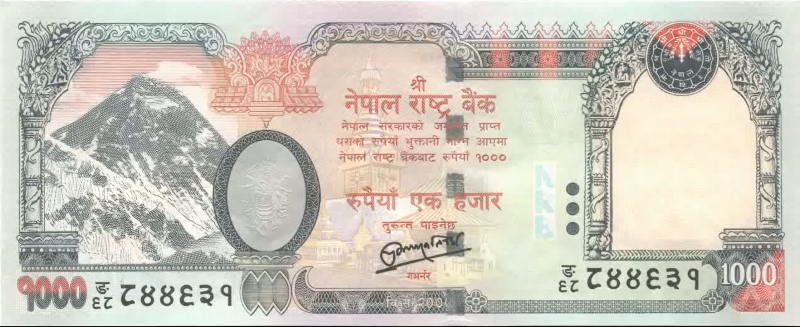
Introduction: Nepal’s Currency
In Nepal, the money used for daily life is called the Nepalese Rupee, abbreviated as NPR and often written as रु. People use it to buy groceries, pay for transport, settle bills, and save. The Nepalese Rupee has been the official currency for many decades and is managed by the country’s central bank to keep it stable.
The currency comes in coins and banknotes. Coins are usually 1, 2, or 5 rupees, while banknotes range from 5 rupees all the way up to 1,000 rupees. Smaller units exist, called paisa, but these are rarely used in everyday transactions now.
What Is an Exchange Rate?
An exchange rate is like a “price tag” for money. It tells you how much one type of money is worth in another country’s money.
For example: if you have U.S. dollars and want to use them in Nepal, you have to exchange them for Nepalese Rupees. The exchange rate determines how many rupees you will get for your dollars.
Exchange rates are important for tourists, businesses, and anyone who sends or receives money from abroad.
Nepal’s Exchange Rate System
1. Peg to the Indian Rupee
Nepal’s currency has a close relationship with the Indian Rupee. The Nepalese Rupee is pegged to it, meaning its value is linked so it doesn’t fluctuate too much.
Roughly, 1 Indian Rupee is worth 1.6 Nepalese Rupees. This peg is helpful because Nepal and India trade a lot, and many Nepalis earn or send money in Indian Rupees.
2. Exchange Rates for Other Currencies
Currencies like US dollars, euros, or pounds are converted to Nepalese Rupees at a daily rate, which can change slightly each day. Banks and licensed exchange counters follow this rate.
For example, if the rate today is:
- 1 USD ≈ 147 NPR
- 1 EUR ≈ 171 NPR
This means if you give a dollar to a bank, you would get about 147 rupees.
Who Decides Exchange Rates?
The Nepal Rastra Bank, Nepal’s central bank, decides and publishes the official exchange rates every working day. Banks and money exchange counters use this as a reference. Rates can vary slightly between different banks or exchange counters because of service fees or small differences in buying/selling prices.
Tips for Using Money in Nepal
- Always exchange money at a licensed bank or exchange counter.
- Keep small rupee notes and coins, especially in rural areas.
- Indian Rupees can sometimes be used near border towns, but large transactions are better done in Nepalese Rupees.
- Check the daily exchange rate if you plan to exchange money.
Summary
- The Nepalese Rupee (NPR) is Nepal’s official currency.
- Money comes in coins and notes; paisa exists but is rarely used.
- Exchange rates tell you how much your foreign money is worth in NPR.
- NPR is pegged to the Indian Rupee, keeping its value stable.
- Rates for other currencies change daily, set by the Nepal Rastra Bank.