

6 Apr 2026 8 min to read
Upper Mustang is one of the most special and mysterious places in Nepal. Many people call it the “Last Forbidden Kingdom,” and this name is not just for style—it has a real history behind it. To understand why it is called this, we need to look at its past, its culture, its location, and how it stayed hidden from the outside world for so long.
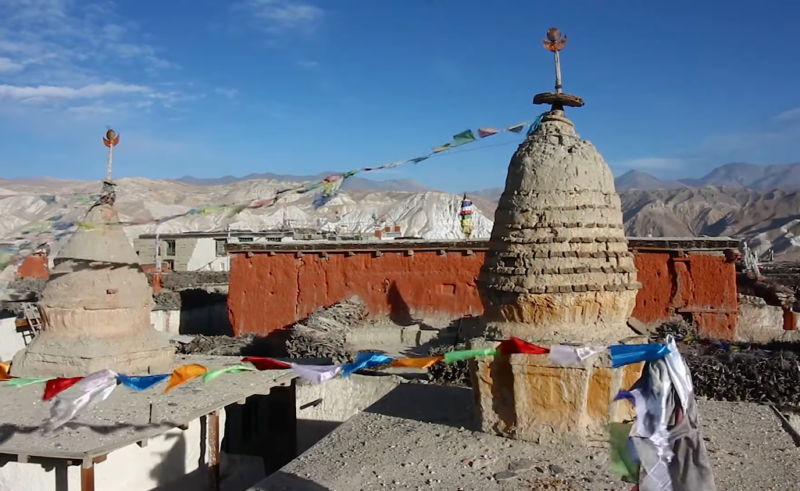
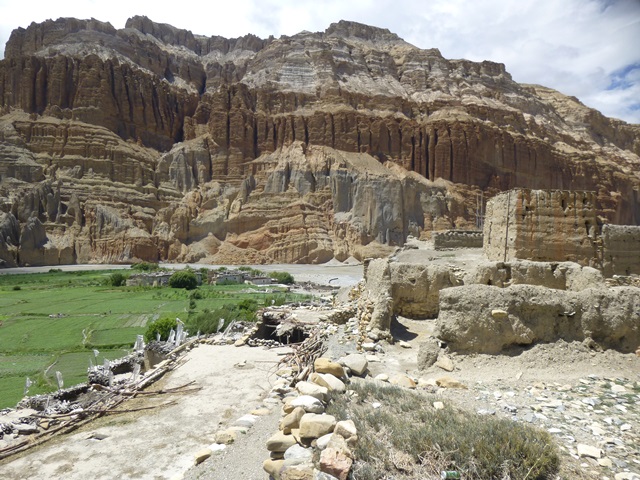
Upper Mustang lies in the northern part of Nepal, close to the border of Tibet. This region is very different from the green hills and forests that most people imagine when they think about Nepal. Instead, Upper Mustang looks like a dry desert, with rocky cliffs, deep valleys, and strong winds.
Because of its location behind the high Himalayan mountains, it was naturally protected and isolated. The mountains acted like a wall, making it difficult for outsiders to enter. For many years, only local people and traders could travel through this area.
This natural isolation is one of the main reasons why Upper Mustang remained “forbidden” for such a long time.

Upper Mustang was once an independent kingdom known as the Kingdom of Lo. The capital of this kingdom is Lo Manthang, a beautiful walled city that still exists today.
The kingdom was founded around the 14th century by a king named Ame Pal. For hundreds of years, this kingdom had its own rulers, culture, and way of life. Even though Nepal became a unified country later, Upper Mustang kept its own identity.
The king of Mustang still had a respected role until recent years. Although the monarchy has officially ended in Nepal, people in Upper Mustang still honor their royal traditions.
Because it was a separate kingdom with limited outside contact, people began to see it as a “hidden” or “forbidden” place.
One of the biggest reasons Upper Mustang is called the “Last Forbidden Kingdom” is because it was closed to foreigners for a long time.
Until 1992, tourists were not allowed to enter Upper Mustang at all. The government of Nepal kept this area restricted to protect its culture and traditions. Even today, it is not completely open like other trekking areas.
To visit Upper Mustang, travelers must get a special permit, which is more expensive than permits for other regions. They also need to travel with a registered guide. This system helps control tourism and protect the area from too much outside influence.
Because of these strict rules, Upper Mustang still feels like a place that is not fully open to the world.

Another important reason for the name “Forbidden Kingdom” is the unique culture of Upper Mustang. The people here follow traditions that are very similar to Tibetan culture.
In fact, Upper Mustang was once part of a trade route between Nepal and Tibet. Even today, the language, dress, religion, and daily life of the people show strong Tibetan influence.
You can see:
Religion is also very important in Upper Mustang. Most people follow Tibetan Buddhism, and there are many monks and spiritual practices in daily life.
Because this culture has been protected for so long, it feels very pure and untouched. This makes the region even more “forbidden” or special.

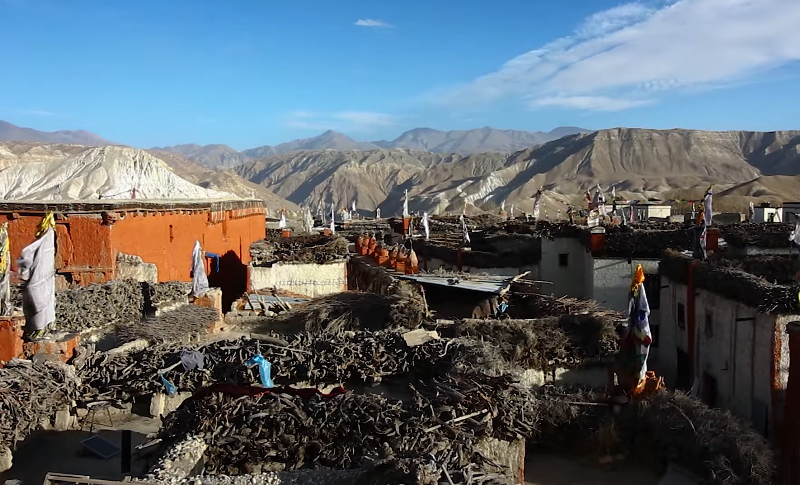
When people visit Upper Mustang, they often feel like they have traveled back in time. Life here is simple and traditional. Modern technology and development have reached the area slowly.
In many villages, people still live in the same way their ancestors did:
Even though some changes are happening now, the region still holds a strong connection to its past.
This feeling of being “frozen in time” adds to the idea of Upper Mustang being a forbidden and mysterious place.
The landscape of Upper Mustang also plays a role in its identity. It does not look like the typical green mountains of Nepal. Instead, it has:
The Kali Gandaki River flows through this region, creating dramatic views.
Because of this unusual landscape, many people compare Upper Mustang to places like Tibet or even Mars. It feels remote, empty, and untouched.
This natural beauty, combined with its isolation, makes it feel like a hidden kingdom.
Upper Mustang is also famous for its mysterious caves. There are thousands of man-made caves carved into cliffs. Some of these caves are very high up and difficult to reach.
Experts believe these caves were used for:
Some caves are over 2,000 years old. Even today, many of them are not fully explored.
These caves add a sense of mystery and history to the region. People often wonder who built them and how they were used.
This mystery is another reason why Upper Mustang is seen as a “forbidden” place.
Compared to other trekking regions in Nepal, Upper Mustang has less development. There are fewer roads, hotels, and modern facilities.
This is partly because of its remote location, but also because of efforts to protect the area.
Tourism is carefully controlled. Only a limited number of visitors are allowed each year. This helps keep the environment and culture safe.
Because of this, trekking in Upper Mustang feels more exclusive and unique. Not everyone can easily go there.
This limited access keeps the “forbidden” feeling alive even today.
Spiritual life is very strong in Upper Mustang. Monasteries are important centers of learning and prayer.
One of the most famous festivals in the region is the Tiji Festival. This is a three-day event that celebrates the victory of good over evil. It includes:
People from different villages gather to take part in this festival.
Spiritual leaders, monks, and local traditions guide daily life. This deep connection to religion adds to the unique identity of Upper Mustang.
Because these traditions are carefully protected, the region feels sacred and special—almost like a hidden spiritual kingdom.
The geography and climate of Upper Mustang also helped keep it “forbidden.”
The region lies in a rain shadow area, meaning it gets very little rainfall. This creates a dry and harsh environment.
Traveling here in the past was not easy. There were no roads, and the terrain was difficult. People had to walk for many days to reach the area.
During winter, the weather becomes very cold and windy, making it even harder to live and travel.
All these factors kept the region isolated and protected from outside influence for many years.
Since 1992, Upper Mustang has slowly opened to the world. More trekkers and travelers are visiting the region every year.
Roads are being built, and communication is improving. Some modern facilities are also being introduced.
However, there is a careful balance. The government and local communities want to protect their culture while allowing tourism.
Even with these changes, Upper Mustang still keeps much of its original charm and mystery.
Even though Upper Mustang is no longer completely closed, the name “Last Forbidden Kingdom” still fits.
It reminds us that:
The name also attracts travelers who are looking for something different—something real and untouched.
For those who visit Upper Mustang, the experience is unforgettable. It is not just about trekking; it is about understanding a different way of life.
Visitors can:
The journey is not easy, but it is very rewarding.
Because of its history and culture, Upper Mustang offers something that few other places can.
Upper Mustang is called the “Last Forbidden Kingdom” for many reasons. It was once a hidden land, protected by mountains and strict rules. It had its own king, culture, and traditions that remained untouched for centuries.
Even today, it is not fully open like other places. Special permits are needed, and tourism is controlled. The people still follow their ancient customs, and the landscape remains wild and beautiful.
All these factors make Upper Mustang a rare and special place in the world.
It is not just a trekking destination—it is a living piece of history. And that is why the name “Last Forbidden Kingdom” still feels true.



Nepal is globally recognized as one of the best trekking destinations, offering everything from shor
Continue Reading
Nepal offers an extraordinary contrast of experiences within a relatively small geographical area. A
Continue Reading
The Everest Three Passes Trek is often considered the most complete and adventurous trekking experie
Continue Reading
Introduction: Trekking in Nepal During the Monsoon Season The monsoon season in Nepal, which runs fr
Continue Reading
Nepal, the land of the Himalayas, is a dream destination for trekkers around the globe. Among its le
Continue Reading
Nepal is one of the most beautiful countries in the world for trekking. Its towering mountains, peac
Continue Reading