

7 Apr 2026 8 min to read

Nepal offers an extraordinary contrast of experiences within a relatively small geographical area. Among its most visited destinations, Pokhara and the Chitwan region—home to Chitwan National Park—stand out as two completely different travel environments. One represents mountains, lakes, adventure, and trekking gateways; the other represents jungles, wildlife safaris, and lowland ecosystems.
For travellers planning a trip to Nepal, the question often arises: Which is better, Pokhara or Chitwan Jungle Safari?
The answer is not straightforward because both destinations serve different travel purposes. Instead of ranking one above the other, it is more useful to understand their characteristics in depth and determine which aligns better with your travel goals.

This article provides a detailed, professional comparison of Pokhara and Chitwan across multiple dimensions including geography, experiences, activities, culture, accessibility, cost, and suitability for different types of travellers.
Pokhara is located in central Nepal and is surrounded by hills and the majestic Annapurna mountain range. The environment is defined by:
The overall atmosphere is calm, scenic, and visually dominated by mountains and water. Pokhara’s geography makes it naturally suited for sightseeing, relaxation, and trekking-based tourism.
Chitwan lies in the southern lowlands of Nepal, known as the Terai region. The landscape is very different from Pokhara:
The presence of Chitwan National Park makes the area a protected habitat for wildlife, offering a completely immersive jungle environment.
Summary of Geography:

Pokhara offers a balanced mix of relaxation and activity. A typical visit may include:
The pace of life is slower and more flexible, making Pokhara suitable for both short visits and longer stays.

Chitwan focuses on structured nature-based activities. A typical itinerary includes:
Unlike Pokhara, Chitwan has a more itinerary-driven experience, where activities are often organized through tour operators.
Summary of Experience:
Pokhara is rich in natural and adventure attractions:
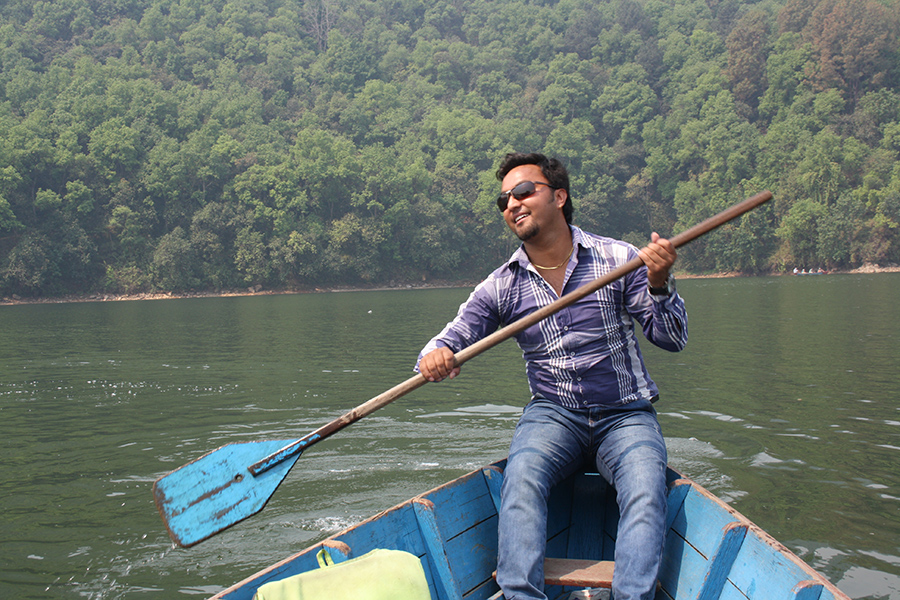
Additionally, Pokhara is widely known as the gateway to major trekking routes such as:
This makes Pokhara a central hub for trekking enthusiasts entering the Annapurna region.
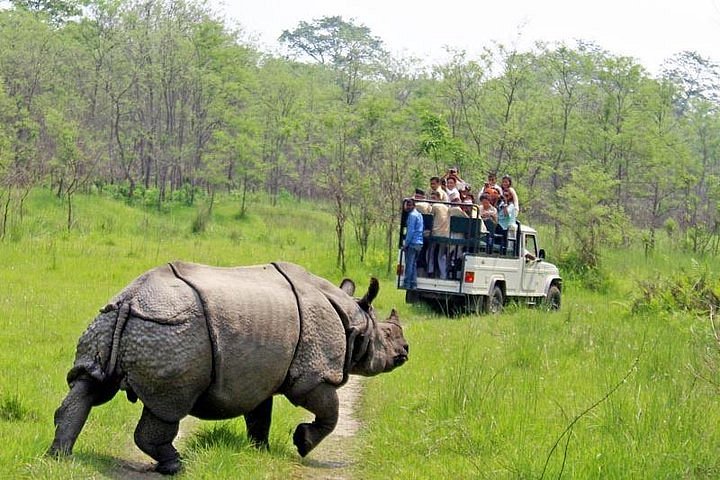
Chitwan’s attractions revolve around wildlife and ecology:
The primary attraction is not a single landmark but the experience of being inside a functioning natural ecosystem.

Pokhara is known for a wide variety of activities:
Pokhara is the starting point for some of Nepal’s most popular treks. Trekkers often spend time in Pokhara before heading into the Annapurna region.
Chitwan focuses primarily on nature exploration:
Key Difference:
Pokhara offers a broader range of recreational and adventure activities, while Chitwan focuses on wildlife and ecological experiences.

This is one of the most defining differences between the two destinations.
If your goal is to see the Himalayas and enjoy natural scenery, Pokhara is unmatched. If your goal is to experience Nepal’s wildlife and jungle environment, Chitwan is the better choice.
Pokhara and Chitwan represent two very different forms of exploration:
Trekkers often use Pokhara as a base before entering the Annapurna region, while Chitwan requires no trekking but focuses on guided exploration.
Clear skies during peak seasons provide the best mountain visibility.
Chitwan’s wildlife viewing is generally better in cooler, drier months.

Both destinations are relatively easy to access and are often included in combined tour packages.

Pokhara offers a wide range of accommodation options:
Infrastructure is well-developed due to its popularity as a tourist hub.

Accommodation in Chitwan is more focused on eco-tourism:
The infrastructure is organized but less urban compared to Pokhara.
Pokhara reflects a mix of cultures due to tourism and migration. Visitors can experience:
However, it is not deeply rooted in a single indigenous culture.
Chitwan offers a more distinct cultural identity through the Tharu community:
This makes Chitwan culturally more immersive in terms of indigenous traditions.
Both destinations cater to different budgets:
In general:
Pokhara allows extended stays due to its variety of activities, while Chitwan is typically shorter and experience-focused.
Pokhara is ideal for travellers who:
It is particularly suited for photographers, trekkers, couples, and general tourists seeking variety.
Chitwan is ideal for travellers who:
It appeals strongly to nature lovers and those seeking something different from mountain tourism.
There is no universal winner between Pokhara and Chitwan because both serve distinct travel purposes.
For many travellers, the best option is not choosing one over the other but combining both destinations in a single trip. This allows you to experience two completely different sides of Nepal—one defined by the Himalayas and the other by its rich lowland ecosystems.
Pokhara and Chitwan represent two contrasting yet complementary travel experiences in Nepal. Pokhara showcases the grandeur of the Himalayas, adventure opportunities, and serene lakeside living, while Chitwan offers a deep dive into wildlife, biodiversity, and jungle ecosystems.
If your goal is breathtaking mountain scenery and trekking opportunities, Pokhara is unmatched. If your goal is wildlife exploration and jungle adventures, Chitwan stands out. Together, they provide a complete picture of Nepal’s natural diversity and make for a well-rounded and unforgettable journey.


Nepal is globally recognized as one of the best trekking destinations, offering everything from shor
Continue Reading
Upper Mustang is one of the most special and mysterious places in Nepal. Many people call it the “
Continue Reading
The Everest Three Passes Trek is often considered the most complete and adventurous trekking experie
Continue Reading
Introduction: Trekking in Nepal During the Monsoon Season The monsoon season in Nepal, which runs fr
Continue Reading
Nepal, the land of the Himalayas, is a dream destination for trekkers around the globe. Among its le
Continue Reading
Nepal is one of the most beautiful countries in the world for trekking. Its towering mountains, peac
Continue Reading