

8 Apr 2026 24 min to read
Nepal is globally recognized as one of the best trekking destinations, offering everything from short scenic hikes to high-altitude expeditions. What makes Nepal especially attractive for beginners is that you can experience the Himalayas on a very low budget without compromising safety or beauty.
With a well-established tea house system, affordable local transportation, and a variety of low-altitude trekking routes, Nepal is ideal for first-time trekkers.
Popular trekking regions like the Annapurna Region and Langtang National Park provide excellent beginner-friendly and budget trekking options. Most of these treks are accessible from major cities like Kathmandu and Pokhara without requiring expensive flights.
This guide covers the cheapest trekking routes in Nepal for beginners, with detailed information on itinerary, altitude, daily walking hours, accommodation, food, facilities, best seasons, and packing advice.

Region: Annapurna Region
Duration: 4–5 days
Maximum Altitude: 3,210 meters
Difficulty: Easy to moderate
Budget: USD 200–350
The Ghorepani Poon Hill Trek is widely considered the best introductory trek in Nepal. It offers breathtaking sunrise views over the Annapurna and Dhaulagiri mountain ranges without requiring high-altitude trekking experience.
The trail passes through rhododendron forests, traditional Gurung and Magar villages, terraced farmlands, and well-maintained stone staircases. Because of its popularity, the route is very safe and has excellent infrastructure.
This trek is ideal for:
Region: Annapurna Region
Start/End: Pokhara
Maximum Altitude: 3,210 meters (Poon Hill)
Total Duration: 4–5 days
Drive Duration: 1.5–2 hours
Trek Duration: 5–6 hours
Start Altitude: 820 m (Pokhara)
End Altitude: 1,540 m (Tikhedhunga) / 2,050 m (Ulleri)
The day begins with a short drive from Pokhara to Nayapul via Baglung Highway. The road is mostly paved with some rough sections near the end.
From Nayapul, the trek officially starts. The trail follows a gentle path along the Modi Khola river, passing through small settlements like Birethanti, where permits are checked.
Beyond Birethanti, the trail continues through farmland, local villages, and terraced fields. The walking is relatively easy until Tikhedhunga.
From Tikhedhunga, the trail becomes significantly steeper. The ascent to Ulleri involves a long stone staircase (approximately 3,000+ steps). This is the most physically demanding section of the trek.
Trek Duration: 5–6 hours
Start Altitude: 2,050 m
End Altitude: 2,874 m
The day begins with a gradual ascent from Ulleri through dense rhododendron and oak forests. The trail is shaded and cooler compared to Day 1.
You pass through Banthanti and Nangethanti, which are small stops with tea houses and resting points.
The climb is steady but not as steep as the previous day. During spring, this section is especially beautiful due to blooming rhododendron forests.
The final stretch into Ghorepani is a gradual uphill walk.
Early Wake-up: Around 4:30–5:00 AM
Trek Duration: 6–7 hours total
Start Altitude: 2,874 m
Highest Altitude: 3,210 m (Poon Hill)
End Altitude: 2,630 m (Tadapani)
The hike to Poon Hill starts before sunrise. The trail is a steep uphill climb on stone steps and takes about 45–60 minutes.
At the top, Poon Hill offers panoramic views of:
After sunrise, trekkers return to Ghorepani for breakfast.
After breakfast, the trail continues eastward. The route initially follows a ridge line with occasional views before entering dense forest again.
The path includes:
This is one of the most scenic walking days, combining forest, ridges, and occasional mountain views.
Trek Duration: 3–4 hours
Start Altitude: 2,630 m
End Altitude: 2,012 m
The trail descends gradually through dense forest before opening into terraced farmland near Ghandruk.
The route is well-marked and relatively easy compared to previous days.
Ghandruk is a large traditional Gurung village with stone houses, narrow alleys, and mountain views.
Trek Duration: 4–5 hours
Drive Duration: 1.5–2 hours
Start Altitude: 2,012 m
End Altitude: 820 m (Pokhara)
The final day involves a steady descent through villages, farmland, and forested sections.
The trail passes through small settlements and eventually reconnects with the road near Nayapul.
From Nayapul, a vehicle takes you back to Pokhara.
Pokhara → Nayapul → Tikhedhunga/Ulleri → Ghorepani → Poon Hill → Tadapani → Ghandruk → Nayapul → Pokhara

Tea houses along this route are well-developed and comfortable compared to other trekking regions.
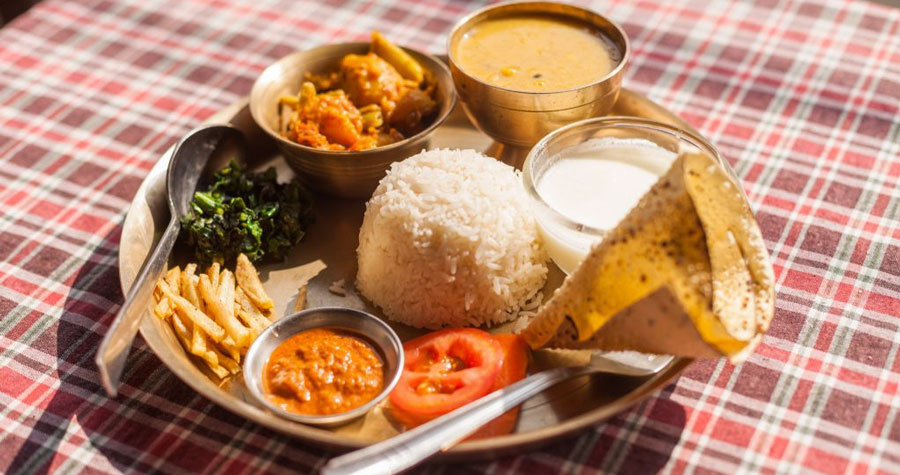
Food options are diverse due to the popularity of the route.
Common meals:
Average cost:
Water:
Spring (March to May):
Clear skies, blooming rhododendrons, moderate temperatures
Autumn (September to November):
Best visibility, stable weather, peak trekking season
Winter (December to February):
Cold but still possible with fewer crowds
Monsoon (June to August):
Not recommended due to rain and slippery trails
Clothing:
Footwear:
Accessories:

Region: Near Pokhara
Duration: 2–3 days
Maximum Altitude: 2,060 meters
Difficulty: Easy
Budget: USD 100–200
The Australian Camp Trek is one of the most scenic and accessible short treks in the Kathmandu Valley of Nepal. Nestled in the lush hills above Kakani and Nagarkot, this trek offers spectacular panoramic views of the Himalayas, including Langtang, Ganesh Himal, and the distant Mt. Manaslu. Unlike long Himalayan treks, Australian Camp is ideal for beginners, families, and those looking for a peaceful escape from the city, as it combines natural beauty with cultural experiences.
The trek takes you through terraced fields, pine and rhododendron forests, small villages, and grazing lands. Along the way, you can observe local Gurung and Tamang culture, traditional houses, and enjoy the simplicity of rural Nepal. The highlight is the sunrise or sunset view from the camp, which is often described as breathtaking, with a panoramic backdrop of the snow-capped Himalayan peaks.
Overall, the Australian Camp Trek is perfect for anyone seeking a short, moderate, and picturesque trekking experience near Kathmandu, without the challenges of long Himalayan expeditions. It’s also popular for photography, bird-watching, and simply enjoying nature in a serene hilltop setting.
On the first day, you depart from Pokhara in the morning and enjoy a scenic drive to Kande, the starting point of the trek. From here, the trail gradually ascends through lush pine and rhododendron forests, terraced fields, and small village settlements. Along the way, you will experience the peaceful countryside and may encounter local farmers tending their fields or children walking to school. The trek to Australian Camp takes approximately 2–3 hours, culminating in a stunning hilltop viewpoint. From this vantage point, you are rewarded with panoramic views of the Annapurna, Machhapuchhre (Fishtail), and Langtang Himalayan ranges. Evening at Australian Camp is serene and picturesque, offering a perfect opportunity to watch the sunset over the snow-capped peaks while relaxing in a cozy tea house.
After enjoying breakfast with the Himalayan panorama, you continue the trek toward Dhampus, a traditional Gurung village. The 3–4 hour journey passes through open fields, pine forests, and smaller settlements, offering a closer view of the majestic Annapurna range. The trail is moderate, with gentle ups and downs, making it comfortable for beginners. Along the way, you can observe terraced farming, grazing livestock, and authentic rural life. Dhampus itself is a charming village where traditional culture and architecture remain intact, providing insight into local Gurung customs. As you arrive, the village offers an excellent vantage point for sunset, and the evening can be spent relaxing in a guesthouse while enjoying the tranquility and natural beauty of the surrounding hills.
On the final day, you trek downhill from Dhampus to Phedi, a small settlement that marks the end of the trail. This 2–3 hour journey winds through terraced farmland, forests, and traditional villages, allowing you to fully appreciate the serene Nepali countryside. Along the way, you can interact with local villagers and witness daily farming routines, providing a meaningful cultural experience. From Phedi, you take a short drive back to Pokhara, bringing the trek to a close. Once back in Pokhara, you may choose to relax or explore the lakeside area, reflecting on the stunning mountain vistas and peaceful landscapes experienced over the past three days.

The best time to trek to Australian Camp in the Annapurna region is during autumn (September to November). During this season, the weather is clear, temperatures are mild, and there is minimal rainfall, making it ideal for trekking. The visibility is excellent, offering breathtaking views of the Annapurna range, Machapuchare (Fishtail), and surrounding hills. Autumn is also the most popular season, so while the trails and viewpoints can be busier, the experience is unmatched in terms of scenery and comfort.
Another excellent season is spring (March to May). The weather warms gradually, and occasional showers bring vibrant rhododendron blooms along the trails. Spring provides a colorful trekking experience with good visibility of the mountains. Although some lower trails can be muddy after rain, the overall conditions remain suitable for a safe and scenic trek.
Trekking in winter (December to February) is possible but more challenging. The skies are generally clear, offering stunning mountain views, and there are fewer trekkers. However, temperatures can drop significantly, especially in the mornings and evenings, and snow on higher trails can make the trek slippery. Monsoon season (June to August) is generally not recommended, as heavy rainfall can cause slippery trails, landslides, and poor visibility, even though the landscape is lush and green.
Proper packing is crucial for a comfortable and safe trek. Clothing should include lightweight, quick-dry trekking pants and T-shirts for daytime, along with a fleece or insulated jacket for cold mornings and evenings. Waterproof jackets and pants are necessary in case of rain, and warm accessories such as hats, gloves, and scarves are recommended during winter treks. Trekking socks and durable, comfortable shoes with good grip are essential for long hours on uneven trails.
Trekking gear should include a daypack of around 25–35 liters, a sleeping bag suitable for cold temperatures if camping, and trekking poles to ease strain on knees during steep climbs and descents. A headlamp with extra batteries, sunglasses, sunscreen, and a hydration system or water bottles with 2–3 liters capacity are important for safety and comfort. A small first aid kit, personal toiletries, snacks like energy bars and nuts, and a power bank for electronics complete the essentials.
Finally, remember to carry identification and necessary permits, such as the Trekkers’ Information Management System (TIMS) card, along with a camera or binoculars to capture the stunning scenery. By packing thoughtfully, you can ensure that your Australian Camp trek is both enjoyable and safe, letting you focus fully on the beauty of the Annapurna region.

Region: Annapurna Region
Duration: 3–4 days
Maximum Altitude: 2,100 meters
Difficulty: Easy
Budget: USD 150–300
The Dhampus and Ghandruk Village Trek is one of the most rewarding short treks in the Annapurna region of Nepal, offering a perfect blend of cultural immersion, scenic beauty, and accessible trekking for all levels. Nestled in the lap of the Annapurna Himalayan range, this trek provides trekkers with breathtaking panoramic views of peaks like Machapuchare (Fishtail), Annapurna South, Hiunchuli, and Dhaulagiri, making it a favorite for photographers and nature enthusiasts. Unlike longer expeditions, this trek can be comfortably completed in 3–5 days, making it ideal for travelers with limited time who still want to experience authentic Himalayan landscapes and traditional Gurung culture.
The trek begins with a drive from Pokhara to Phedi or Kande, where the trail gradually ascends through lush forests, terraced farmlands, and traditional villages. Dhampus, a serene village perched on a hilltop, is the first highlight. It is famous for its stunning sunrise views over the Annapurna range and offers a glimpse into the daily life of local Gurung families. The village is small yet charming, with guesthouses and tea houses providing a cozy base for rest and acclimatization.
From Dhampus, the trail continues toward Ghandruk, one of the most iconic Gurung villages in Nepal. Ghandruk is larger and culturally richer, boasting stone-paved streets, ancient temples, and traditional mud-brick houses. The village provides an intimate experience of Gurung traditions, cuisine, and hospitality. En route, trekkers traverse terraced fields, bamboo forests, and streams, while the backdrop of towering snow-capped peaks enhances the journey. The trek concludes with a gradual descent to Phedi or Nayapul, from where travelers can return to Pokhara, carrying memories of spectacular mountain vistas, rich cultural encounters, and the simple charm of rural Nepalese life.
This trek is particularly suitable for those seeking a short, moderate adventure that combines natural beauty, cultural insight, and comfortable accommodation, all within a few days. Its accessibility, coupled with awe-inspiring Himalayan scenery, makes the Dhampus and Ghandruk Village Trek a quintessential experience for both first-time trekkers and seasoned travelers looking for a lighter yet deeply rewarding Himalayan journey.
Day 1: Phedi to Dhampus (2–3 hours)
The trek begins with a scenic drive from Pokhara to Phedi, where the trail winds uphill through rhododendron forests and terraced fields. The walk is gradual, offering glimpses of local villages and distant mountain peaks. Upon reaching Dhampus, trekkers are greeted with panoramic views of the Annapurna range. The village is serene, perfect for relaxing in a traditional tea house and enjoying the sunset over Machapuchare.
Day 2: Dhampus to Landruk (5–6 hours)
Leaving Dhampus, the trail descends into dense forests and crosses charming suspension bridges over streams. You pass through scattered villages and farmland, observing rural Gurung life. The route gradually climbs toward Landruk, a picturesque village surrounded by rice terraces and forested hills. Along the way, trekkers enjoy close-up views of Hiunchuli and Annapurna South, making this day both culturally enriching and scenically breathtaking.
Day 3: Landruk to Ghandruk (4–5 hours)
From Landruk, the path meanders through lush forests, terraced fields, and small settlements. Trekkers experience authentic village life, with opportunities to interact with locals and explore traditional homes. Reaching Ghandruk, one of the largest Gurung villages, reveals stone-paved streets, ancient temples, and stunning mountain panoramas. The village is a cultural hub, offering cozy lodges, local cuisine, and unforgettable sunset views over the Annapurna range.
Day 4: Ghandruk to Pokhara
The final day involves a gradual descent through terraced fields, charming villages, and forested trails, leading to Nayapul or Phedi, where transportation awaits. Along the way, trekkers enjoy last glimpses of Machapuchare and surrounding peaks. Returning to Pokhara, the trek concludes with a sense of accomplishment and memories of Himalayan vistas, traditional Gurung culture, and peaceful village life in the Annapurna region.
The ideal periods for the Dhampus and Ghandruk Village Trek are spring (March to May) and autumn (September to November). In spring, rhododendrons bloom, blanketing the hills in vibrant colors, while the weather remains mild and clear, perfect for photography. Autumn offers crisp skies, stable weather, and breathtaking panoramic views of the Annapurna and Machapuchare peaks. Winter treks are possible but colder, with occasional snow, whereas monsoon (June to August) is less recommended due to slippery trails and heavy rain.
Packing Essentials:
Packing light but smart is key for this moderate trek. Essentials include sturdy trekking shoes, layered clothing for changing temperatures, a warm jacket for early mornings and evenings, and a waterproof jacket or poncho in case of rain. A hat, gloves, and sunglasses protect against sun and cold. Don’t forget a daypack, reusable water bottle, personal medication, snacks, trekking poles for support, and a headlamp for evening walks. Simple toiletries and cash for tea houses are also necessary, as ATMs are limited in villages.
Optional but Useful Items:
Consider carrying a camera or smartphone with extra batteries to capture Himalayan vistas. A small first aid kit with blister care, pain relievers, and sanitizer is helpful. Lightweight trekking pants, quick-dry shirts, and a sleeping bag liner can improve comfort in tea houses. For cultural respect, modest clothing is advised when visiting villages or temples.
Region: Annapurna Region
Duration: 5–7 days
Maximum Altitude: 4,500 meters
Difficulty: Moderate
Budget: USD 300–500
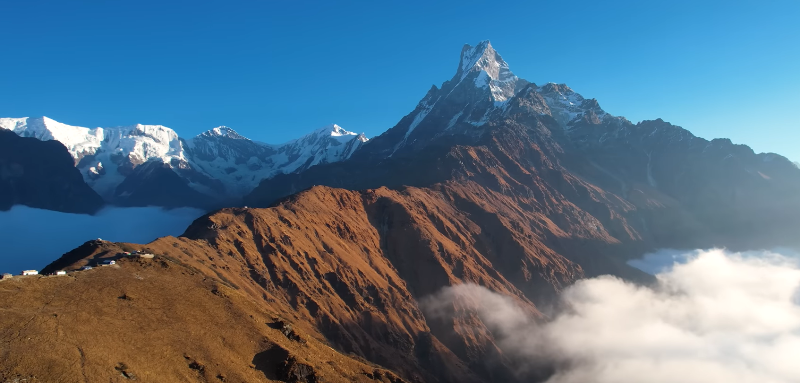
The Mardi Himal Trek is a spectacular Himalayan trekking route in the Annapurna region of Nepal, offering a quieter alternative to the popular Annapurna Base Camp trail. It takes trekkers through lush rhododendron forests, traditional Gurung and Magar villages, and scenic high-altitude landscapes, culminating in the dramatic views of the Mardi Himal and Annapurna South peaks. This trek combines cultural immersion with pristine natural beauty, providing panoramic vistas of Machapuchare (Fishtail), Annapurna I, and Hiunchuli. Ideal for adventurers seeking off-the-beaten-path experiences, Mardi Himal Trek is moderately challenging, rewarding hikers with sunrise views over the Annapurna range and a sense of tranquility far from crowded trails.
Your trek begins at Kande, a charming starting point near Pokhara. The trail takes you through lush rhododendron forests and gentle ridges, offering glimpses of terraced fields and distant mountains. You’ll pass through local villages where you can interact with friendly Gurung communities. The path gradually ascends into denser forest areas, leading to Forest Camp, a cozy spot for your first night surrounded by nature. Evening views often include the fading light on Machapuchare (Fishtail) and other Annapurna peaks.
After breakfast, the trek continues uphill through a mix of bamboo and rhododendron forests. The trail offers occasional clearings with spectacular views of the Annapurna South, Machapuchare, and Mardi Himal peaks. This stretch is moderately challenging with some steep sections, but the scenery makes it rewarding. You will reach Low Camp, a comfortable teahouse location that serves as a base for acclimatization. The evening sky over the mountains provides a perfect backdrop for photography.
Today’s hike is steeper as you approach higher elevations. The path winds through dense forests before opening up to panoramic views of the Annapurna range. On a clear day, you can spot Hiunchuli, Machapuchare, and Annapurna South in their full glory. High Camp sits at around 3,580 meters, offering incredible sunset views and a serene atmosphere. Prepare for cooler temperatures at night and enjoy a peaceful rest in this high-altitude teahouse.
Early morning, hike to Mardi Himal Base Camp, which provides one of the most breathtaking close-up views of Mardi Himal and Machapuchare. The sunrise here is unforgettable, lighting up the snow-capped peaks. After soaking in the views and capturing photos, you will descend back to Low Camp or High Camp for the night. This day involves both challenging uphill and downhill walking, but the visual rewards make it worth every step.
Begin your descent through the same lush trails, enjoying the change in perspective as you pass through forested valleys and terraced farmland. The walk is easier than the ascent but still requires stamina. Reach Forest Camp in the afternoon and relax in a cozy lodge. This descent allows you to reflect on your trek and enjoy your surroundings from a lower altitude.
The final day involves a gentle downhill trek back to Kande, passing through local villages where you can see rural life up close. From Kande, take a drive back to Pokhara, completing your trek with memories of pristine forests, majestic mountain views, and charming villages. This marks the end of the Mardi Himal Trek.
Warm layers are essential due to higher altitude and colder temperatures.

Region: Langtang National Park
Duration: 7–10 days
Maximum Altitude: 3,870 meters
Difficulty: Moderate
Budget: USD 400–650
The Langtang Valley Trek is one of Nepal’s most scenic and culturally rich Himalayan treks, located just north of Kathmandu in the Langtang National Park. Often called the “Valley of Glaciers,” this trek offers a perfect blend of natural beauty, adventure, and cultural immersion. Trekkers journey through lush rhododendron and oak forests, cross rushing rivers over suspension bridges, and pass traditional Tamang and Sherpa villages that showcase local Himalayan life.
The trail gradually ascends to high-altitude villages like Langtang Village and Kyanjin Gompa, where breathtaking panoramic views of snow-capped peaks such as Langtang Lirung, Ganesh Himal, and Dorje Lakpa await. Kyanjin Gompa is also famous for its ancient monastery, yak cheese production, and opportunities for short hikes to nearby ridges and glaciers.
Ideal for both beginners and experienced trekkers, the Langtang Valley Trek is moderately challenging, offering a quieter alternative to the more popular Annapurna and Everest regions. Along the way, adventurers are rewarded with serene alpine meadows, rich biodiversity, and the warmth of local hospitality, making it an unforgettable Himalayan experience.
Summary:
Start your journey from Kathmandu early in the morning with a scenic drive to Syabrubesi. The road passes through lush farmland, terraced hills, and charming local villages, offering glimpses of rural Nepalese life. Depending on road conditions, the drive takes approximately 6–8 hours. Upon arrival in Syabrubesi, check into a teahouse or lodge and relax, preparing for the trek ahead. The surrounding forests and mountains create a peaceful atmosphere to unwind.
Begin trekking along the Langtang River, moving through dense rhododendron and oak forests. The trail gradually ascends, offering panoramic views of surrounding hills and terraced farmland. You’ll pass small villages like Thulo Syaphru, interacting with friendly locals and experiencing traditional rural life. The day ends at Lama Hotel, a teahouse nestled amidst the forested valley, perfect for an overnight stay and enjoying the serene environment.
The trail continues deeper into the Langtang Valley, where the forest opens to reveal snow-capped peaks in the distance. Along the way, you cross suspension bridges over rushing rivers and may spot Himalayan birds and wildlife. Arriving at Langtang Village, you are greeted with stunning views of Langtang Lirung and traditional stone houses. Overnight in a teahouse, soaking in the alpine atmosphere.
Trekking to Kyanjin Gompa is a shorter day, allowing time to appreciate the surrounding beauty. The trail ascends gently, flanked by alpine meadows and scattered yak pastures. Kyanjin Gompa is famous for its monastery, cheese production, and panoramic mountain views, including Langtang Lirung and Langshisha Ri. Spend the afternoon exploring the village and visiting the monastery. Overnight at a teahouse in Kyanjin Gompa.
Use this day to explore the surrounding area at a relaxed pace. Options include hiking to Tserko Ri for breathtaking panoramic views of the Langtang range, visiting nearby glaciers, or learning about the local Tamang culture. This acclimatization and exploration day gives you time to rest before the return trek. Enjoy local cuisine and the tranquil alpine setting.
Begin your descent along the same trail, retracing your steps back to Lama Hotel. The downhill trek is easier but still offers scenic stops to enjoy the rivers, forests, and villages. Take time to photograph the natural beauty and interact with locals you may have met on the way up. Overnight at Lama Hotel.
Continue the descent to Syabrubesi, enjoying the final stretch of trekking through forests and terraced landscapes. Reflect on your journey through the Langtang Valley and savor the scenic vistas along the way. Arrive at Syabrubesi and rest in a teahouse before preparing for the drive back to Kathmandu.
Drive back to Kathmandu, retracing the route along the Trishuli River. The drive takes approximately 6–8 hours, offering one last chance to admire the natural beauty of the region. Upon arrival in Kathmandu, conclude your trek with memories of snow-capped peaks, traditional villages, and the serene landscapes of the Langtang Valley.
Permits: USD 30–50
Accommodation: USD 5–10 per night
Food: USD 15–25 per day
Transport: USD 10–30 (local bus)
Average daily budget: USD 25–40
Clothing:
Gear:
Documents:
For beginners looking for the cheapest trekking experience in Nepal, short treks in the Annapurna region are the best starting point. Among all options, the Ghorepani Poon Hill Trek stands out as the most balanced choice in terms of cost, scenery, and accessibility.
For those with limited time, Australian Camp is the cheapest option. If you want a slightly longer and more immersive experience, Langtang Valley offers excellent value without the need for flights.
No matter which route you choose, Nepal provides an unforgettable trekking experience at a very affordable cost, making it the perfect destination for beginner trekkers.
Nepal offers an extraordinary contrast of experiences within a relatively small geographical area. A
Continue Reading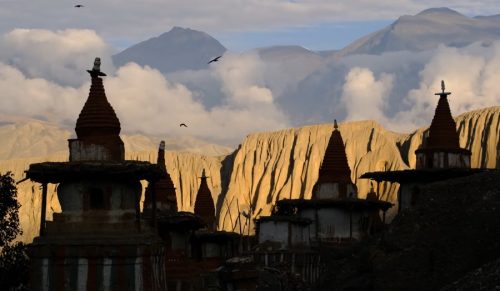
Upper Mustang is one of the most special and mysterious places in Nepal. Many people call it the “
Continue Reading
The Everest Three Passes Trek is often considered the most complete and adventurous trekking experie
Continue Reading
Introduction: Trekking in Nepal During the Monsoon Season The monsoon season in Nepal, which runs fr
Continue Reading
Nepal, the land of the Himalayas, is a dream destination for trekkers around the globe. Among its le
Continue Reading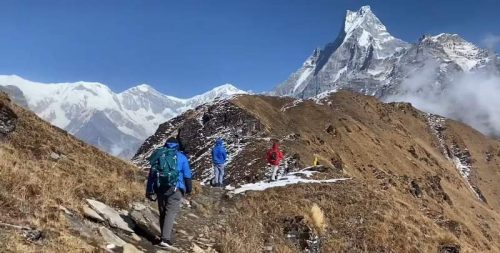
Nepal is one of the most beautiful countries in the world for trekking. Its towering mountains, peac
Continue Reading