
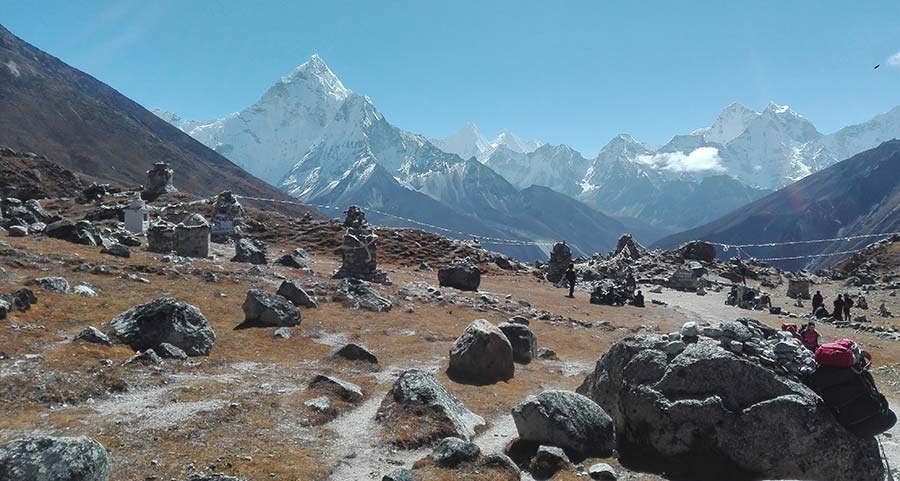

Top Highlights of Gokyo Renjola Pass Trek: Highlights
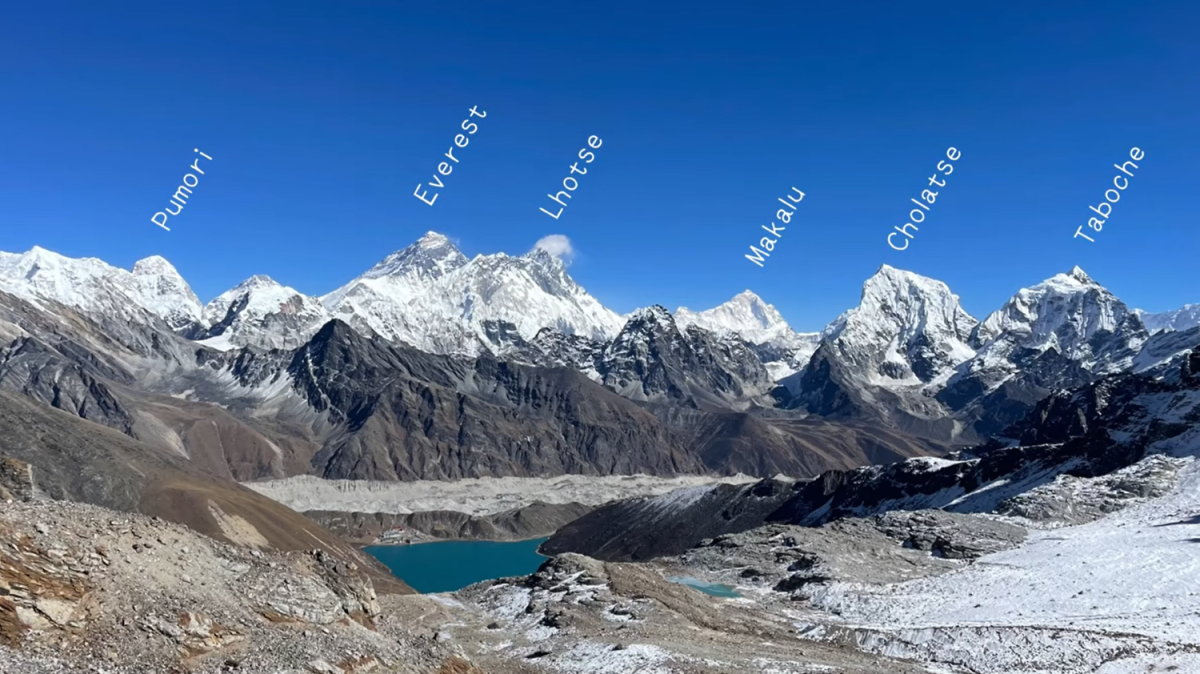
- Panoramic views of the Himalayas, including Mt. Everest, Mt. Lhotse, Mt. Makalu, and Mt. Cho Oyu
- Trekking through the beautiful Gokyo Valley, home to the Ngozumpa Glacier, the largest glacier in the Nepal Himalayas
- Climbing Gokyo Ri, a peak known for its panoramic views of the surrounding mountain ranges
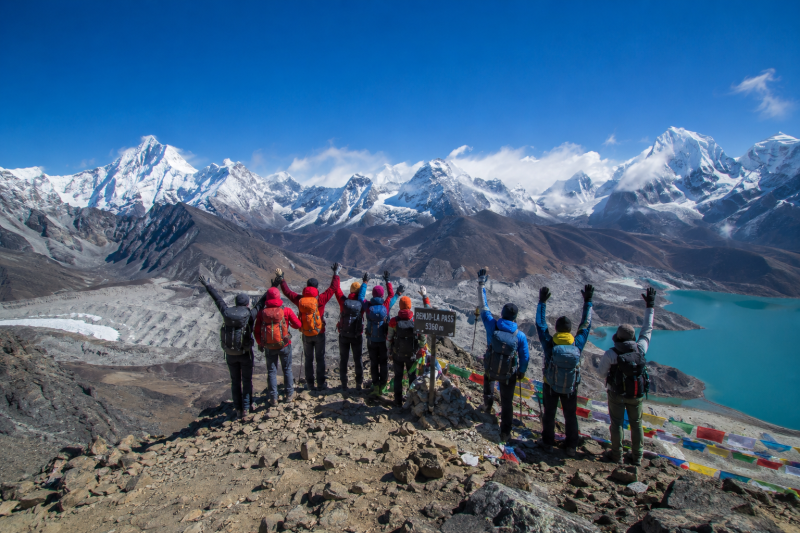
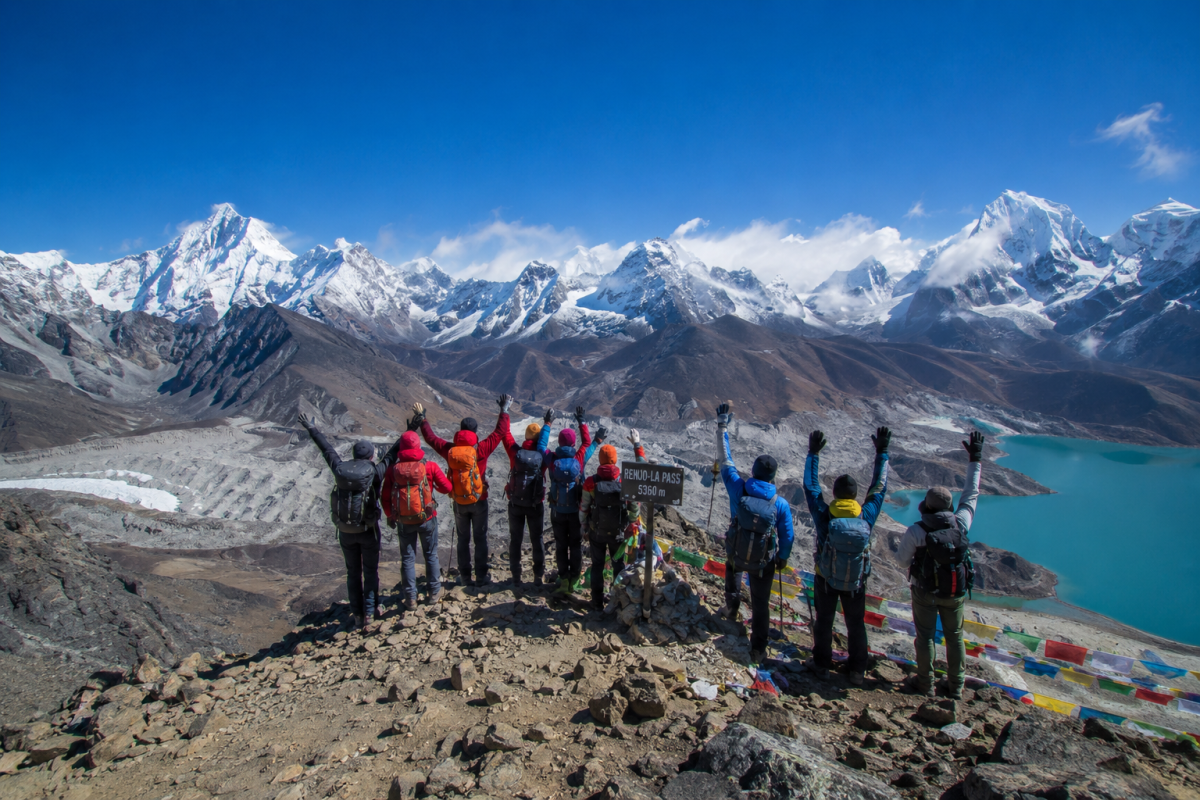
- Crossing the Renjo La Pass, a high-altitude pass that offers a panoramic view of the Himalayas
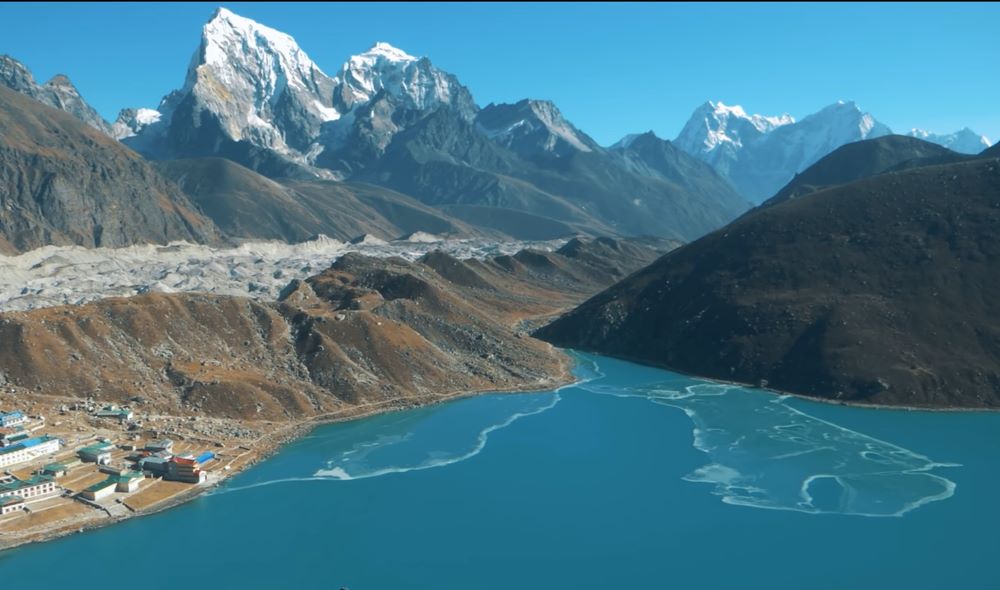
- Exploring the Gokyo Lakes, a group of high-altitude freshwater lakes sacred to the local Sherpa people
- Immersing yourself in the local culture and way of life of the Sherpa people
- The opportunity to spot various species of birds and wild animals in the region
- The sense of accomplishment upon reaching the summit, along with the breathtaking scenery along the way
Gokyo Renjola Pass Trek Introduction: Overview
Experience an amazing trek in the Himalayas with the 12-day Gokyo Renjola Pass Trek. This tough journey leads you through stunning scenery, including snowy mountains, icy Glaciers, and picturesque villages.
The journey starts in the charming village of Lukla(2,860 M), where you’ll acclimatize to the altitude before setting off on the trail. As you make your way through the Khumbu Region, you’ll pass through lush Forests, cross fast-flowing Dudh Koshi Rivers, and navigate steep inclines.
One of the highlights of the trek is the ascent of Gokyo Ri(5,380 M), a peak that offers panoramic views of the surrounding mountains, including the mighty Mt. Everest(8,848 M). This is a challenging climb, but the effort is more than worth it for the incredible views from the summit.
Safety is of the utmost importance on this trek, and you’ll need to be aware of the potential risks of altitude sickness (AMS). Our experienced Everest Specialist Guides will be on hand to ensure that you are properly acclimatized.
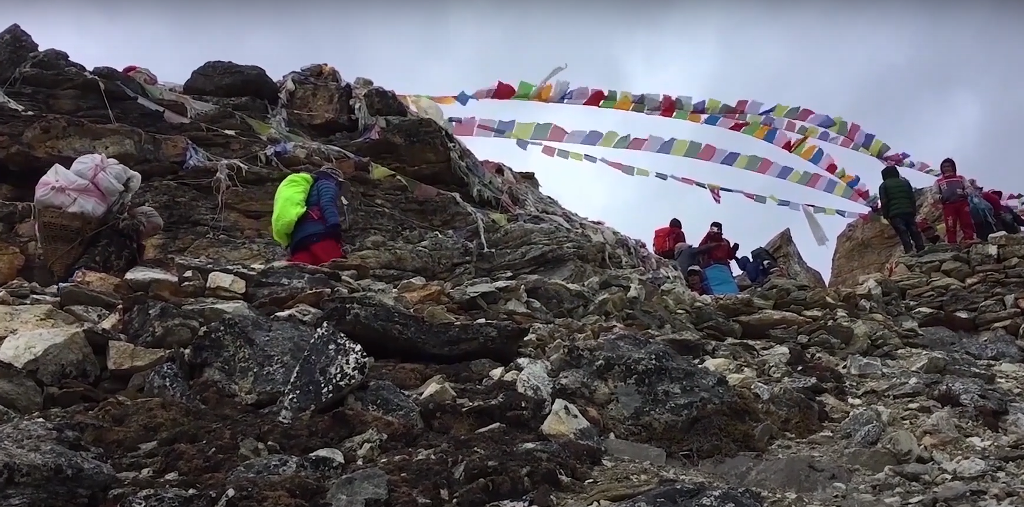
As you reach the Renjola Pass(5,360m), you’ll be met with the unique thrill of crossing an Everest high-altitude pass, surrounded by towering peaks and Glaciers. The descent from the pass takes you through traditional Sherpa villages such as Lugden Thame and Thamo, where you’ll have the opportunity to immerse yourself in the local culture and learn about the way of life in this remote region. Additionally, during the Everest Gokyo and Renjo La Pass trek, after crossing Renjo La, you’ll enter the historic and legendary village of Thame. Here, you’ll find the homes of many Everest summiteers, along with an ancient Tibetan Buddhist monastery located at the back of the village. From Thame, you’ll also enjoy close-up views of towering mountains and the river below, making it one of the highlights of the Gokyo and Renjo La Pass trek. After exploring Thame, you will descend to Namche Bazaar via Thamo.
The adventurous hike from Gokyo involves a few days of moderate ascents and descents. From Gokyo, you will eventually reach Namche Bazaar, a hub offering access to several alternative trekking routes in the Everest region, such as the Everest Base Camp trek, Island Peak, the Everest Three Passes trek( Everest High Passes Trek), the Two Passes Everest trek (including the Cho La Pass), and the Lobuche Peak adventure trip. The Renjo La Pass trek is considered slightly easier than the other two passes (Kongma La and Cho La), but in terms of scenic views, it remains one of the best and most memorable short treks in the Everest region. Once trekkers reach Namche, they’ll feel like they’ve returned to civilization with better food and accommodations. The next day, you’ll descend to Lukla via Monjo, Benkar, Toktok, and Phakding, marking the end of your Renjo La Pass trek.
The Gokyo Renjola Pass Trek is an unforgettable experience that will test your physical and mental limits. It’s a challenging journey, but the rewards are countless, from the stunning views to the sense of accomplishment upon reaching the summit. Join us on this once-in-a-lifetime adventure and discover the beauty of the Himalayas for yourself.
Best Time to Cross Renjo La Pass in Gokyo Trek:
The best time to cross Renjo La Pass during the Gokyo trek is in spring (March to May) and autumn (September to November). These months give the safest and clearest trekking conditions in the Everest region.
Spring Season (March–May)
Spring is one of the most popular times for trekking in the Everest area. The weather is stable, skies are mostly clear, and the mountain views are amazing. Trails are also decorated with blooming rhododendron flowers, making the journey more beautiful.
Autumn Season (September–November)
Autumn is considered the best overall trekking season. After the monsoon, the air becomes clean and fresh. You get sharp views of the Himalayas, and the weather is usually dry and stable, which makes crossing the high pass safer and easier.
Winter and Monsoon (Less Recommended)
- Winter (December–February): Very cold, heavy snow can block the pass.
- Monsoon (June–August): Rain, clouds, and slippery trails make trekking difficult and risky.
If your main goal is a safe and clear crossing of Renjo La Pass, choose spring or autumn for the best experience. These seasons also give you stunning views of Gokyo Lakes and the surrounding peaks in the Everest region.
Gokyo Renjo La Pass Trek: Difficulty & Who Can Join
The Gokyo Renjo La Pass Trek is a popular high-altitude adventure in Nepal’s Everest region, famous for dramatic mountain views and crystal-clear lakes.
Trek Difficulty
This trek is moderate to challenging.
- 5–7 hours walking daily
- Steep uphill and downhill trails
- High altitude up to 5,360m (Renjo La Pass)
- Risk of altitude sickness if not acclimatized
It is tough, but very doable with good preparation.
Who Can Do This Trek?
This trek is best for:
- Fit and active travelers
- People with basic hiking or trekking experience
- Anyone used to walking long hours
- Age range: generally 16–60+ (fitness matters more than age)
No climbing skills needed, but strong stamina is important.
The trek connects the stunning Gokyo Lakes with the high mountain crossing of Renjo La Pass. It is perfect for trekkers looking for adventure, views, and a real Himalayan challenge.
If you are fit and ready for altitude, this trek is a top choice in Nepal.
Top 10 Reasons to ChooseGokyo Renjola Pass Trek.
- Expert Guides: Our experienced guides ensure a safe journey.
- Safety First: We prioritize your well-being with strict safety measures.
- Small Groups: Enjoy personalized attention in our small trekking groups.
- Acclimatization Time: Our itinerary allows for proper altitude adjustment.
- Flexible Plans: We adapt to weather conditions and individual needs.
- Comfortable Accommodations: Rest well in quality lodging along the route.
- Emergency Preparedness: We’re equipped to handle any unexpected situations.
- Eco-Friendly Trekking: We’re committed to preserving the environment.
- Cultural Experience: Immerse yourself in the local Sherpa culture.
- Unforgettable Memories: Create lasting memories of this incredible adventure.
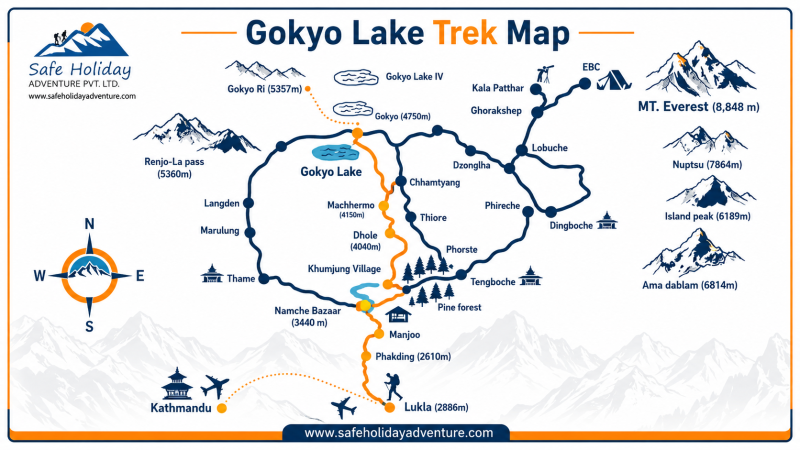
OutlineOutline Itinerary
Day 1: Arrival in Kathmandu (1,400 m) | No trek, rest and preparation
Day 2: Fly to Lukla (2,800 m) and trek to Phakding (2,652 m) | 3–4 hrs trek
Day 3: Trek from Phakding to Namche Bazaar (3,440 m) | 6–7 hrs trek
Day 4: Acclimatization day in Namche Bazaar (3,440 m) | Optional short hike 2–3 hrs
Day 5: Trek from Namche Bazaar to Dole (4,110 m) | 6–7 hrs trek
Day 6: Trek from Dole to Machhermo (4,470 m) | 4–5 hrs trek
Day 7: Trek from Machhermo to Gokyo (4,800 m) | 4–5 hrs trek
Day 8: Hike to Gokyo Ri (5,357 m) and return to Gokyo | 3–4 hrs trek
Day 9: Trek from Gokyo to Marlung via Renjo La Pass (5,360 m) | 8–10 hrs trek
Day 10: Trek from Marlung to Namche Bazaar (3,440 m) | 6–7 hrs trek
Day 11: Trek from Namche Bazaar to Lukla (2,800 m) | 6–7 hrs trek
Day 12: Fly from Lukla to Kathmandu (1,400 m) | No trek
Day 13: Departure from Kathmandu | No trek
Whats Included?
- Airport to hotel pickups and hotel to airport drops by private car, jeep, or van (depending on your group size).
- Two-night hotel stay in Kathmandu, including breakfast
- Everest National Park trekking permits are included.
- Entrance fee at Lukla.
- During the trek, you will receive breakfast, lunch, and dinner daily.
- Accommodation provided in hotels in the city (as per itinerary) and tea house lodging during the trek.
- An experienced, government-licensed mountain guide, along with strong porters (one porter shared between two trekkers).
- Food, salary, transportation, and accommodation expenses for guides and porters are fully covered.
- Local transportation is outlined in the itinerary.
- Domestic flight tickets for Kathmandu to Lukla and Lukla to Kathmandu.
- Emergency helicopter rescue operation management is arranged, but you must pay for it or covered by your insurance.
- Lunch and dinner in Kathmandu are not included
- Your travel insurance is your responsibility
- International flights and departure taxes are excluded.
- Any personal expenses are not covered.
- Nepal entry visa fees must be arranged and paid by you.
- All bar bills are excluded.
- All alcoholic and non-alcoholic drinks, including tea, coffee, chocolates, drinking water, Coke, and Fanta, are not included.
- The emergency helicopter rescue operation cost is not included and must be covered by your insurance or yourself.
- Tips for guides and porters are expected as a gesture of appreciation after a successful trek.
Dates and Availability Departures
All our published dates are guaranteed departures. We also provide customized departures tailored to your travel plans.
There are no group joining dates available at the moment. Please contact us for a private trip.
Travellers Reviews
Marco Jurado
Peru | oct,2025
Safe, Scenic, and Well-Guided Gokyo Renjo La Pass Trek
My wife and I, Marco Jurado, completed the Gokyo Renjo La Pass Trek – 9 Days with Safe Holiday Adventure Pvt. Ltd., and it was an outstanding experience. The trek was perfectly organized, offering breathtaking views of the Gokyo Lakes, snow-capped Himalayan peaks, and the challenging Renjo La Pass.
Our guide Dharma was extremely professional, knowledgeable, and attentive. He ensured our safety at all times, managed altitude very well, and shared valuable insights about the Everest region. Our porter Muskan was strong, reliable, and always cheerful, making the trek comfortable and stress-free.
We highly recommend Safe Holiday Adventure for anyone planning the Gokyo Lakes Renjo La Pass Trek in Nepal.
Genaral Trip InfoInfos
Gokyo Renjola Pass Trek Difficulty:
The Gokyo Lakes and Renjo La Pass Trek is considered a moderately difficult trek in the Everest region of Nepal. The trek involves a combination of ascents, descents, and steep inclines, which require a good level of fitness and stamina.
The trek includes several high-altitude passes, including the Renjo La Pass (5,360m), which can be challenging due to the altitude and the steepness of the trail. However, with proper acclimatization, adequate preparation, and the assistance of experienced guides, most trekkers can complete the trek comfortably.
The trek also includes several days of walking on rough and rocky terrain, which can be physically demanding. The route passes through remote areas with few amenities and limited access to medical facilities, which can add to the challenge.
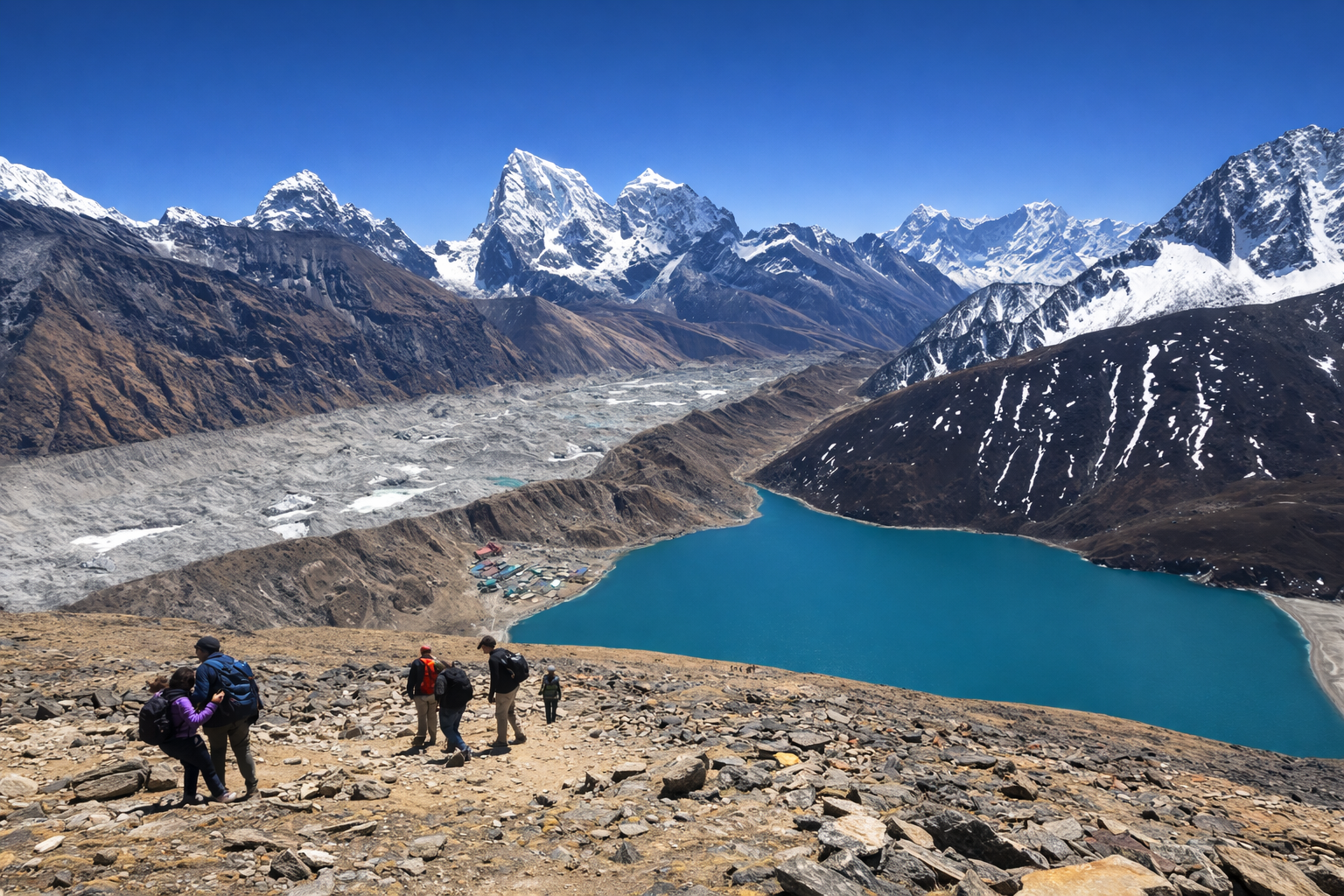
Nevertheless, the Gokyo Lakes and Renjo La Pass Trek is a highly rewarding and scenic trek that takes you through some of the most beautiful landscapes in the Everest region. The turquoise Gokyo Lakes, the stunning views of Mount Everest, and the panoramic vistas of the surrounding peaks are some of the highlights of this trek.
Overall, while the Gokyo Lakes and Renjo La Pass Trek is moderately challenging, it is achievable for most trekkers with a reasonable level of fitness and preparation. As with any trek, it is essential to be aware of the potential risks and challenges and to take the necessary precautions to ensure a safe and enjoyable experience.
When Is the Best Season for the Gokyo Renjola Pass Trek?
The Gokyo Lakes and Renjo La Pass Trek is considered a moderately difficult trek in the Everest region of Nepal. The trek involves a combination of ascents, descents, and steep inclines, which require a good level of fitness and stamina.
The trek includes several high-altitude passes, including the Renjo La Pass (5,360m), which can be challenging due to the altitude and the steepness of the trail. However, with proper acclimatization, adequate preparation, and the assistance of experienced guides, most trekkers can complete the trek comfortably.
The trek also includes several days of walking on rough and rocky terrain, which can be physically demanding. The route passes through remote areas with few amenities and limited access to medical facilities, which can add to the challenge.
Nevertheless, the Gokyo Lakes and Renjo La Pass Trek is a highly rewarding and scenic trek that takes you through some of the most beautiful landscapes in the Everest region. The turquoise Gokyo Lakes, the stunning views of Mount Everest, and the panoramic vistas of the surrounding peaks are some of the highlights of this trek.
What Is the Weather Like in the Gokyo Valley and Renjola Pass Trek?
The Gokyo Valley and Renjo La Pass region experience highly variable mountain weather due to their high altitude in the Everest region. Conditions can change quickly, especially above 4,000 meters, where strong winds and sudden temperature drops are common.
In spring (March–May), the weather is relatively stable with clear mornings, warmer days, and blooming rhododendrons, though afternoon clouds can develop.
Autumn (September–November) offers the best trekking conditions, with crisp air, excellent visibility, and minimal precipitation.
Winter is extremely cold, with heavy snow at higher elevations, while the monsoon season brings rain, fog, and slippery trails, making trekking more challenging.
Can You Trek Gokyo–Renjo La Pass Solo Without a Guide?
Acclimatization Tips for the Gokyo Renjola Pass Trek:
Preparing for the Gokyo Renjola Pass Trek:
Prepare for the Gokyo Renjo La Pass trek with essential gear like thermal clothing, waterproof layers, and sturdy boots. Pack fleece jackets, hats, gloves, and warm socks for comfort. Ensure you have a good sleeping bag and trekking poles. Stay hydrated with a refillable water bottle and carry snacks for energy. Get comprehensive travel insurance and necessary permits. Plan for altitude acclimatization with a gradual ascent. Follow a balanced diet during the trek and rest well. Stay connected with emergency contacts and carry a basic first aid kit. Enjoy stunning Himalayan views and the serenity of Gokyo lakes along the challenging trail.
How Much Does Gokyo Renjo La Trek Cost:
The Gokyo Renjo La Pass Trek usually costs between $1100 to $1,900 per person, depending on services, group size, and trekking style. This includes permits, guide, porter, food, accommodation, and domestic flights between Kathmandu and Lukla. Independent trekkers may spend less, but costs increase with personal comfort and extra services.
Daily expenses on the trail range from $30 to $60. Food and lodging are more expensive at higher altitudes, such as Gokyo and Lungden. Guided packages are more expensive but safer and easier for navigation and acclimatization support.
Extra costs include gear rental, snacks, hot showers, WiFi, and tips for guides and porters.
Food and Tea houses on Gokyo Renjola Pass Trek:
The Gokyo–Renjo La Pass Trek offers simple but reliable teahouse food along the trail. In lower villages like Namche Bazaar, you get a wide variety including dal bhat, noodles, pasta, eggs, pancakes, soups, and even bakery items. Food is freshly cooked and portions are usually filling, helping trekkers maintain energy for long walking days.
As you move higher toward Dole, Machhermo, and Gokyo, menus become more limited. Most teahouses serve dal bhat, fried rice, noodles, and potato dishes. Meals are basic but nutritious. Hot drinks like tea, coffee, and ginger lemon honey are very common and important in cold weather.
Accommodation is simple but warm. Rooms are basic with twin beds and shared bathrooms. Dining halls are the main social area, often heated with a stove. Teahouses are run by local families, offering a cozy rest after trekking days.
Things to Keep in Mind before you go on a Gokyo Renjola Pass Trek:
Before embarking on the Gokyo Lake and Renjo La Pass trek, there are several things to keep in mind to ensure a safe and enjoyable journey:
- Physical fitness: The trek involves steep climbs and high altitudes, so it is crucial to be physically fit and mentally prepared.
- Weather conditions: The weather in the Himalayas can be unpredictable, so it is important to pack warm and waterproof clothing and gear.
- Permits: Trekkers need to obtain the necessary permits, including the Sagarmatha National Park Permit and the Khumbu Pasang Lhamu Rural Municipality Permit.
- Accommodation and food: Trekkers will mostly stay in teahouses, which offer basic amenities and local cuisine. It is essential to carry extra cash and snacks as the prices can be higher at higher altitudes.
- Altitude sickness: Altitude sickness is a significant concern, and it is essential to acclimatize properly, stay hydrated, and be aware of the symptoms.
By keeping these factors in mind and being prepared, trekkers can enjoy a safe and rewarding experience on the Gokyo Lake and Renjo La Pass trek.
Packing list for the Gokyo Renjola Pass Trek:
Backpack and Storage
- 50–70L trekking backpack
- 20–30L daypack
- Backpack rain cover
- Dry bags or ziplock bags
Clothing
- Moisture-wicking T-shirts (2–3)
- Thermal base layers (2 sets)
- Fleece jacket
- Insulated/down jacket
- Waterproof/windproof jacket
- Waterproof pants
- Trekking pants (2 pairs)
- Warm hat (beanie)
- Sun hat or cap
- Neck gaiter or buff
- Gloves (light and warm pairs)
Footwear
- Waterproof trekking boots
- Trekking socks (3–4 pairs)
- Liner socks (optional)
- Camp shoes or sandals
Trekking Gear
- Trekking poles
- Headlamp with extra batteries
- Sunglasses (UV protection)
- Sunscreen SPF 50+
- Lip balm with SPF
- Water bottles or hydration bladder (2L capacity)
- Water purification tablets or filter
Health and First Aid
- Basic first aid kit
- Personal medications
- Altitude sickness medicine (if prescribed)
- Pain relievers
- ORS (oral rehydration salts)
Documents and Money
- Passport
- Trekking permits (Sagarmatha National Park permit, TIMS if required)
- Cash in Nepalese rupees
Electronics
- Power bank
- Charging cables
- Spare batteries
- Travel adapter
Food and Extras
- Energy bars and snacks
- Electrolyte powder
- Small thermos (optional)
Cold Weather Essentials
- Down jacket
- Sleeping bag (-10°C to -20°C rating)
- Moisturizer
- Hand warmers (optional)
Detailed ItineraryItinerary
Arrival in Kathmandu
Upon arrival at Tribhuvan International Airport, you will be warmly welcomed by a representative from Safe Holiday Adventure Pvt. Ltd., who will assist you with your transfer to the hotel in Kathmandu. During the short drive, you will have the chance to discuss your upcoming trek itinerary and clarify any last-minute questions about gear or preparations. Once checked in, you can spend the afternoon relaxing, exploring the bustling streets of Thamel, or shopping for any trekking essentials you may still need. Your guide will be available to help with final preparations and offer advice to ensure you are fully ready for the adventure ahead. Overnight at your comfortable Kathmandu hotel.
Accommodation : Hotel in Kathmandu Meals : Breakfast
Fly to Lukla and Trek to Phakding
Early in the morning, you’ll board a short but spectacular flight from Kathmandu to Lukla, the gateway to the Everest region. The flight offers breathtaking views of the Himalayan peaks and glaciers as you approach the tiny airstrip perched on a hillside. Upon arrival, you will meet your porter and trekking guide, then begin the trek on a mostly gentle trail alongside the Dudh Koshi River. The route passes through pine forests, small villages, and several suspension bridges, immersing you in local Sherpa culture and the Himalayan environment. Along the way, you will stop for lunch at a tea house in Thado Koshi or Ghat Village, where you can rest and refuel. The afternoon is spent trekking to Phakding, a quiet village with rustic lodges where you’ll enjoy your first night in the mountains.
Accommodation : Lodge in Phakding Meals : Breakfast, lunch and Dinner
Trek to Namche Bazaar (3,440 m)
Today’s trek is more demanding, with a steady uphill climb as you journey toward Namche Bazaar, the main Sherpa trading town. After breakfast, you’ll cross several dramatic suspension bridges over the roaring Dudh Koshi River and pass through the Sagarmatha National Park entrance at Monjo, where your trekking permits will be checked. The trail continues through rhododendron forests and small villages, revealing your first views of towering Himalayan giants such as Mt. Everest, Lhotse, and Nuptse. You’ll stop for lunch at Jorsalle or near the famous Hillary Suspension Bridge, both excellent spots to rest while soaking in mountain vistas. The final section to Namche involves a steep ascent, rewarding you with stunning panoramas as you reach this lively mountain town. Evening at your lodge, where you can explore shops, cafes, and prepare for acclimatization.
Accommodation : Lodge in Namche Bazaar Meals : Breakfast, lunch and Dinner
Rest and Acclimatization Day in Namche Bazaar
This important rest day allows your body to adjust to the thinning air at high altitude, helping to prevent altitude sickness. After breakfast, you can choose to take a gentle acclimatization hike to nearby viewpoints such as the Everest View Hotel, which sits at 3,880 meters and provides panoramic views of Everest, Lhotse, and Ama Dablam. Alternatively, you may explore Namche Bazaar’s vibrant market, visit the Sherpa Culture Museum, or relax in a café enjoying fresh mountain air. Your guide will advise on your health and check gear for the next phase of the trek. Evening is reserved for rest and hydration to ensure your body is ready for the challenging days ahead.
Accommodation : Lodge in Namche Bazaar Meals : Breakfast, lunch and Dinner
Trek to Dole (4,110 m)
From Namche, the trail becomes more remote and rugged as you climb higher into the Himalayas. After an energizing breakfast, you’ll set off through forests of rhododendron and pine, passing traditional Sherpa villages and farmland. The trail involves steady uphill sections with spectacular views of snow-capped peaks, including Thamserku and Taboche. You’ll enjoy lunch in Mongla or Phortse Tenga, both small villages offering simple but hearty meals. After lunch, the climb continues through rocky terrain and open landscapes, finally reaching the serene village of Dole. Here, the lodges offer warm hospitality and a chance to rest at over 4,000 meters.
Accommodation : Lodge in Dole Meals : Breakfast, lunch and Dinner
Trek to Machhermo (4,470 m)
Today’s trek is shorter but involves a gradual ascent through high alpine terrain. You’ll pass through the village of Luza, where you can enjoy lunch and take in panoramic views of nearby peaks such as Cho Oyu, Thamserku, and Kangtega. The trail skirts the edge of the Ngozumpa Glacier, the largest glacier in Nepal, and crosses moraines and rocky landscapes. Upon reaching Machhermo, you’ll find a peaceful village surrounded by towering mountains and well-known for its mountain rescue clinic. Enjoy a relaxing evening in the lodge with warm meals and prepare for the trek ahead.
Accommodation : Lodge in Machhermo Meals : Breakfast, lunch and Dinner
Trek to Gokyo (4,800 m)
Starting the day with beautiful morning light on the surrounding peaks, you will hike toward the spectacular Gokyo Lakes, a series of sacred turquoise glacial lakes nestled in a high alpine valley. The trail crosses through open meadows and small forests while offering breathtaking views of the surrounding peaks such as Cho Oyu and the Ngozumpa Glacier. Lunch is served near the lakes with opportunities to rest and take photos. Arriving at the small village of Gokyo, you can explore its tranquil setting and prepare for the next day’s climb to Gokyo Ri.
Accommodation : Lodge in Gokyo Meals : Breakfast, lunch and Dinner
Hike to Gokyo Ri (5,357 m) and Return to Gokyo
Rise early for the ascent to Gokyo Ri, a challenging but rewarding climb that takes about 4 to 5 hours round trip. The steep trail leads to a summit offering breathtaking 360-degree panoramic views of Himalayan giants, including Mt. Everest, Cho Oyu, Lhotse, and the vast Ngozumpa Glacier. After spending time at the summit soaking in the views, you will descend back to Gokyo village for lunch and relaxation. Use the afternoon to rest or explore the nearby lakes and enjoy the serene mountain environment.
Accommodation : Lodge in Gokyo Meals : Breakfast, lunch and Dinner
Trek to Marlung Village via Renjo La Pass (5,360 m)
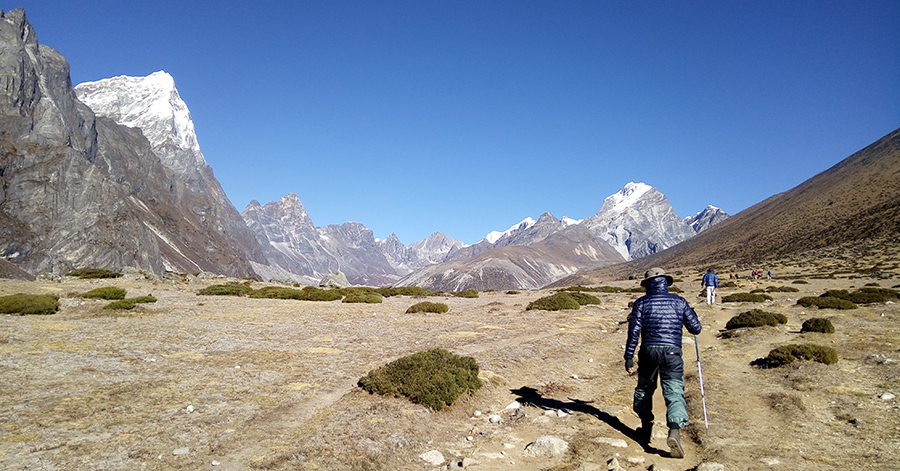
This is the most challenging day as you cross the high Renjo La Pass at 5,360 meters. You will begin trekking early to avoid afternoon weather changes, ascending steep switchbacks and rocky terrain. At the pass summit, you’ll be rewarded with stunning views over the Gokyo valley, the Everest range, and surrounding glaciers. After a well-deserved lunch near Lungden, you will descend into the quieter valley towards Marlung, a traditional Sherpa village nestled below the forest line. Overnight in a rustic lodge, reflecting on the day’s incredible journey.
Accommodation : Lodge in Marlung Meals : Breakfast, lunch and Dinner
Trek from Marlung Village to Namche Bazaar
Leaving Marlung, the trail descends through beautiful alpine forests and traditional Sherpa villages such as Thame, where you can visit an ancient monastery. The trail winds along the Bhote Koshi River and offers views of peaks like Kusum Kangaru and Khumbila. After lunch in Thame or Samde, you continue descending toward the bustling town of Namche Bazaar. This section is physically demanding due to steep descents, but is filled with rewarding views and cultural experiences. Evening at your lodge in Namche to rest and enjoy a warm meal.
Accommodation : Lodge in Namche Bazaar Meals : Breakfast, lunch and Dinner
Trek from Namche Bazaar to Lukla
Your final day of trekking takes you back down to Lukla, retracing part of your route through forests, rivers, and small villages. The descent can be tiring on the knees, so take your time and enjoy the scenery. Stop for lunch in Phakding before continuing to Lukla, where you’ll spend your last night in the mountains. This is a time to celebrate your achievement with your guide and porter and prepare for the flight back to Kathmandu.
Accommodation : Lodge in Lukla Meals : Breakfast, lunch and Dinner
Fly from Lukla to Kathmandu
Enjoy an early morning flight back to Kathmandu, weather permitting. The scenic journey over the Himalayas will give you one last glimpse of the peaks you conquered. Once in Kathmandu, you will be transferred to your hotel to relax, freshen up, and enjoy the comforts of the city. The rest of the day is free for shopping, sightseeing, or enjoying a farewell dinner with your trekking team.
Accommodation : Hotel in Kathmandu Meals : Breakfast
Departure from Kathmandu
Depending on your flight schedule, you may have time for last-minute shopping or sightseeing in Kathmandu. A representative from Safe Holiday Adventure will assist you with your airport transfer. Be sure to have all travel documents ready for your departure. We hope your journey through the Himalayas has been unforgettable, and we look forward to welcoming you back for another adventure.
12-day Gokyo Renjola Pass Trek FAQs
The Gokyo Lakes are located at an altitude of approximately 4,700 to 5,000 meters above sea level.
The highest point on the Gokyo Lakes and Renjo La Pass trek is the Renjo La Pass, which stands at an altitude of 5,360 meters.
The total distance of the Gokyo Lakes and Renjo La Pass trek is approximately 70-80 kilometers, depending on the route taken.
The Gokyo Lakes and Renjo La Pass trek typically takes around 12-14 days to complete.
Yes, trekkers need to obtain a Sagarmatha National Park Permit and a Khumbu Pasang Lhamu Rural Municipality Permit to trek in the region.
No, it is not recommended to drink tap water. Trekkers can either buy bottled water or use a water purification system.
The best time to trek in the region is from March to May and September to November, when the weather is stable, and the views are clear.
Yes, it is possible to see Mount Everest and other Himalayan peaks from various viewpoints on the trek, including the Gokyo Ri viewpoint.
While it is not mandatory, it is highly recommended to hire a guide for safety and convenience purposes.
The Gokyo Lakes and Renjo La Pass trek is considered to be a moderately challenging trek and requires a good level of physical fitness and endurance.
No, there are no ATMs on the trek, so it is recommended to carry enough cash.
Yes, most teahouses provide charging facilities at an additional cost.
The weather in the region can be unpredictable, but generally, it is dry and cold with daytime temperatures ranging from 5 to 15 degrees Celsius and nighttime temperatures dropping below freezing.
The trek offers basic teahouse accommodation with twin-sharing rooms and shared bathrooms.
The teahouses offer a variety of local and Western cuisines, including dal bhat (rice, lentils, and vegetables), noodles, soups, and momos (dumplings).
Refund & Cancellation Policy
- Booking requires 20% non-refundable deposit (Nepal) or 100% upfront (Tibet/Bhutan).
- Remaining payment due before the trip or on arrival (trip-dependent).
Cancellation charges:
- 31+ days: 20%
- 16–30 days: 45%
- 8–15 days: 75%
- 7 days or less: 90%
- Prices may change due to flights, taxes, or exchange rates.
- Trip changes are allowed, but extra costs apply.
- If the company cancels, a full refund, except for unavoidable events (some costs deducted).
- Good health and travel insurance are mandatory.
- No refund if removed for unsafe or illegal behavior.
- Travel involves personal risk, which the client accepts.