

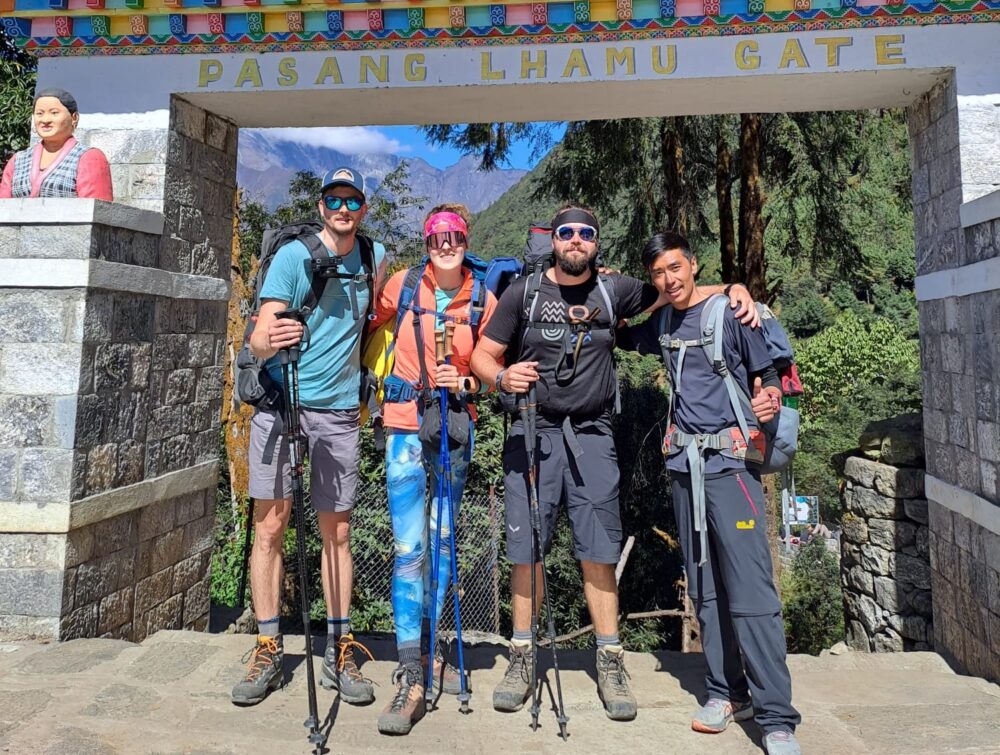
Everest Short Trek Highlights Highlights
- Namche Bazaar, the gateway to the high Himalayas
- Tengboche Monastery, one of the most important Buddhist monasteries in the region
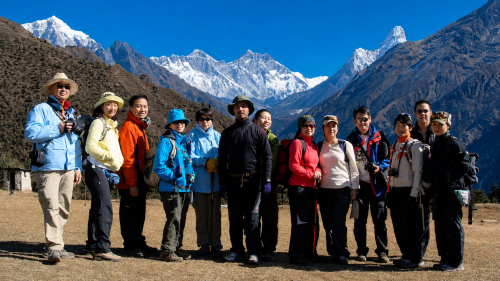
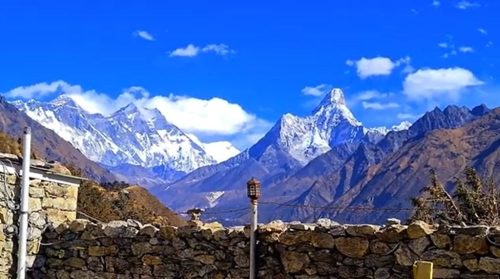
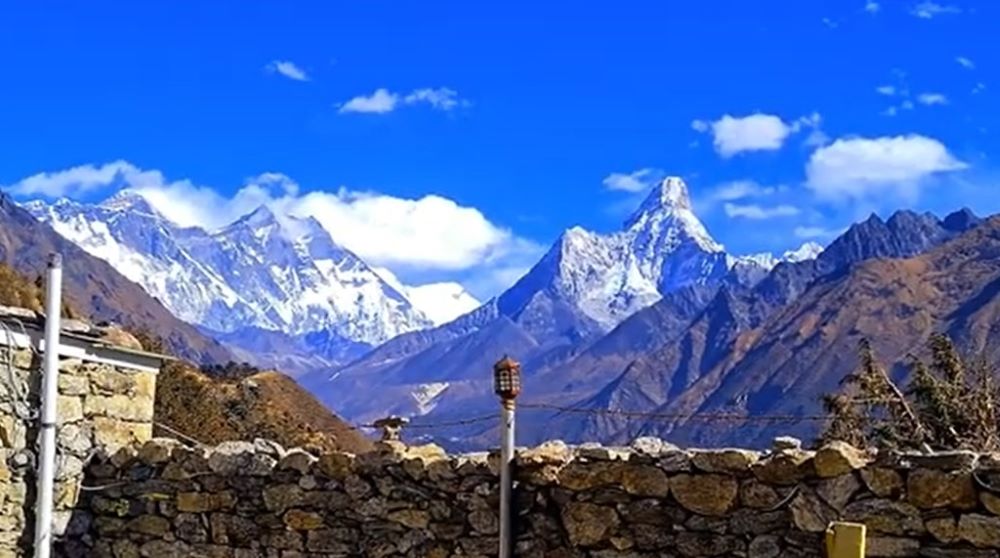
- Breathtaking panoramic views of the Himalayas, including Mount Everest, Ama Dablam, and Lhotse
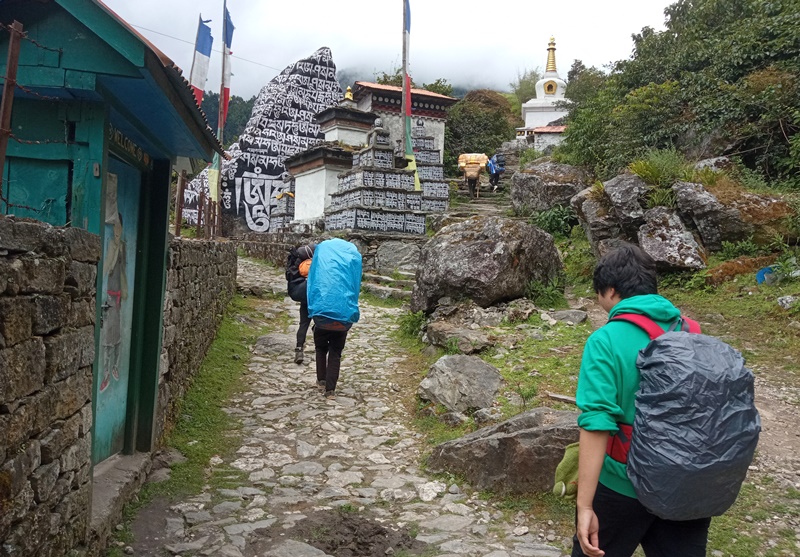
- Crossing suspension bridges over the Dudh Kosi River Trekking through pristine forests of rhododendron and oak treesExploring the traditional Sherpa villages and their unique culture and lifestyle
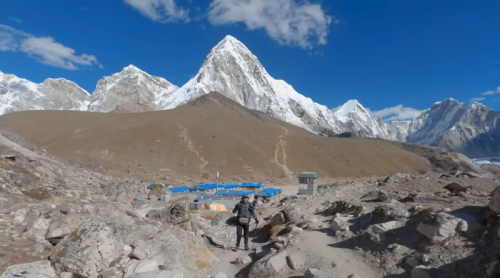
- Witnessing the incredible sunrise over the Himalayas from Kala Patthar’s viewpoint
- Visiting the Sagarmatha National Park, a UNESCO World Heritage Site and home to a diverse range of flora and fauna
- Gaining insights into the local Buddhist religion and practices
- Enjoying warm hospitality and delicious food at teahouses and lodges along the trek.
Everest Short Trek with Family Trip Introduction: Overview
The Everest region of Nepal is a popular destination for families looking to experience the beauty and culture of the Himalayas. There are several short trek options available that are suitable for Families with Children, depending on their interests and physical abilities. Among many of them, the Everest view trek for family( Everest short trek with family) will be the best.
One popular short trek for families is the Gokyo Lakes Trek, which takes you through beautiful alpine forests and past turquoise blue lakes to the Gokyo Valley. Along the way, you’ll have the opportunity to visit traditional Sherpa villages and learn about the local culture. The trek also offers stunning views of Mount Everest and other peaks in the region.
Another option for families is the Everest View Trek, which takes you to the town of Namche Bazaar and the village of Tengboche, both of which offer beautiful views of Mount Everest. The trek also includes visits to local monasteries and the opportunity to learn about the culture and traditions of the Sherpa people.
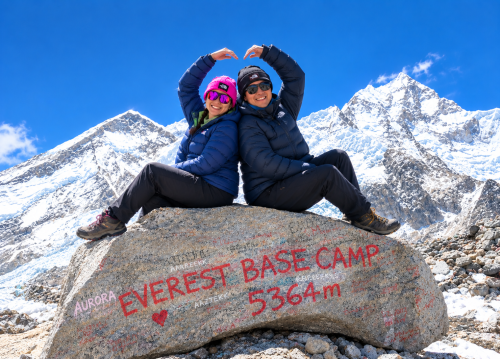
For families looking for a more challenging trek, the Everest Base Camp Trek is a classic option that takes you all the way to the base of Mount Everest. The trek takes about a week to complete and includes visits to local villages, monasteries, and the Sagarmatha National Park. Along the way, you’ll have the opportunity to see stunning views of the mountain and the surrounding landscapes, as well as learn about the culture and history of the region.
No matter which short trek you choose, it’s important to make sure that everyone in your family is physically fit enough to undertake the trek and to bring appropriate clothing and gear to stay comfortable and safe during the trip. With careful planning and preparation, a short trek to Mount Everest can be a once-in-a-lifetime experience for your family.
Preparing for the Everest short trek with family: what to pack
If you are planning an Everest short trek with your family, packing the right clothing is very important for comfort and safety in changing Himalayan weather conditions. It is best to dress in layers so you can adjust easily during the trek.
Essential Clothing for Everest Short Trek
- Thermal base layers (top and bottom) for warmth
- Fleece jacket or warm mid-layer for insulation
- Down jacket for cold temperatures at higher altitudes
- Waterproof and windproof jacket for rain and strong winds
- Waterproof trekking pants or outer shell pants
- Comfortable trekking trousers for daily walking
- Moisture-wicking T-shirts or inner shirts
- Warm hat or beanie to protect from cold air
- Gloves (preferably insulated and waterproof)
- Warm socks (wool or thermal, multiple pairs)
- Lightweight neck scarf or buff for wind and dust protection
Wearing proper layered clothing helps you stay warm in the morning, comfortable during walking, and protected from sudden weather changes in the Everest region.
Best Time for Everest Short Trek with Family:
The most suitable time to do the Everest short trek with your family is during autumn (September to November). This season offers stable weather, clear skies, and dry trekking conditions, which make the journey safer and more comfortable. You can enjoy excellent mountain views along with fresh air and beautiful green valleys, making it perfect for a relaxed family experience.
Another good option is spring (March to May). During this time, the weather is mild and pleasant, and the trails become colorful with blooming rhododendrons. However, this season is usually busier with more trekkers, which may feel crowded for families traveling with children.
Since weather in the Himalayas can change quickly, it is always important to check forecasts before your trip and stay flexible with your plans.
Why Choose the Everest Short Trek with Family With Us?
- Designed for Families
A safe and easy trekking route with shorter walking hours, perfect for kids, parents, and older travelers. - Incredible Everest Views
Experience breathtaking panoramas of Mount Everest and surrounding Himalayan peaks without a difficult climb. - Safety First Approach
Professional, experienced guides and well-planned routes ensure a secure and worry-free journey. - Comfortable Stay Along the Trail
Clean, warm, and family-friendly teahouses with healthy meals and welcoming hospitality. - Quick and Scenic Access
A thrilling mountain flight to Lukla saves time and adds excitement to the adventure. - Rich Local Culture
Visit Sherpa villages, monasteries, and learn about unique Himalayan traditions. - Flexible Trekking Pace
The itinerary is adjusted to match your family’s comfort and energy levels. - Unforgettable Family Memories
A once-in-a-lifetime journey that brings your family closer through shared adventure and discovery.
Everest Short Trek with Family Itinerary:Outline Itinerary
Whats Included?
Airport & Transportation Services
- Private airport pickup and drop-off in Kathmandu (Tribhuvan International Airport – TIA) by car or jeep
- All ground transportation as per the trekking itinerary
- Round-trip domestic flights: Kathmandu ↔ Lukla
Trekking Services
- Experienced, licensed trekking guide with all wages, insurance, and expenses covered
- Local porter service (one porter for every two trekkers)
- All necessary trekking permits and entry fees (Sagarmatha National Park and local municipality fees)
- Basic medical kit support during the trek
Meals During Trek
- Daily full-board meals during the trek (Breakfast, Lunch, and Dinner)
- Fresh, hygienic, and locally prepared meals along the trekking route
Accommodation
- Accommodation in 2–3 star category hotels in Kathmandu
- Accommodation in lodges, tea houses, or guest houses during the trek
- Welcome or farewell dinner in Kathmandu
Cultural & Experience Inclusions
- Guided cultural experience of Sherpa villages and the Himalayan lifestyle
- Trekking map, duffel bag, and company T-shirt provided for the trek
Safety & Support
- Basic trek safety guidance throughout the journey
- Assistance in emergency rescue coordination if required
(Warm jacket and sleeping bag provided if needed)
Travel insurance with high-altitude coverage is strongly recommended
International Travel
- International flights to and from Nepal
Visa & Personal Entry Costs
- Nepal visa fees (available on arrival at Kathmandu Airport)
- Personal travel documents or passport-related expenses
Personal Expenses
- Drinks (soft drinks, alcoholic beverages, bottled water, tea/coffee outside meals)
Snacks, chocolates, and personal food items - Hot showers, Wi-Fi, and charging services in mountain lodges (where available)
Personal Gear
- Trekking equipment (boots, jackets, sleeping bag, etc.)
- Personal clothing and high-altitude trekking gear
Insurance & Emergency Costs
- Travel insurance (mandatory but not included)
- Emergency helicopter evacuation or medical treatment costs (covered by insurance only)
Optional Tips & Extras
Tips for guides and porters
Optional sightseeing tours or extra activities not mentioned in the itinerary
Dates and Availability Departures
All our published dates are guaranteed departures. We also provide customized departures tailored to your travel plans.
There are no group joining dates available at the moment. Please contact us for a private trip.
Travellers Reviews
Oliver Brown
U K | Feb, 2026
Wonderful Everest Base Camp Adventure
My name is Oliver Brown, and I traveled from the United Kingdom to experience the Everest Base Camp Trek. It was one of the most memorable adventures of my life. Our guide, Santosh, and our porter, Dupka, were very helpful throughout the journey. Everything was well organized, and the Himalayan views were breathtaking. A fantastic experience that I will always remember!
Erick Mollel
Canada | October, 2025
Experience the EBC Trek Without the Lukla Flight
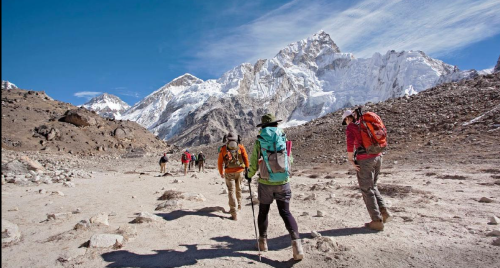
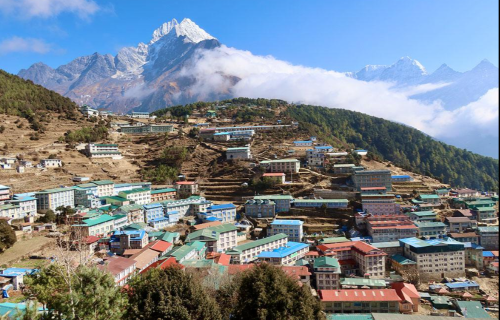
My name is Erick Mollel, and I completed the Everest Base Camp Trek with my two sons from Canada. It was an unforgettable adventure filled with breathtaking Himalayan scenery, beautiful Sherpa villages, and incredible mountain views.
Our guide, Santosh, was very professional, friendly, and supportive throughout the journey. Our porter, Dupka, was also hardworking and helpful, making our trek much easier and more enjoyable.
We truly enjoyed every moment of this incredible journey. I highly recommend this trek to anyone who wants to experience the beauty of the Everest region without taking the Lukla flight. A wonderful experience and memories that my sons and I will always cherish! 🙏
Louis Carstens
Australia | April,2025
Everest View Trek 5 Days – Our Couple Experience from Australia
We recently completed the 5-Day Everest View Trek in Nepal with Safe Holiday Adventure Pvt. Ltd., and it was an amazing experience from start to finish.
Everything was well-organized and safe, from Lukla flights to tea house accommodation. Our guide was very helpful, friendly, and made us feel comfortable throughout the trek.
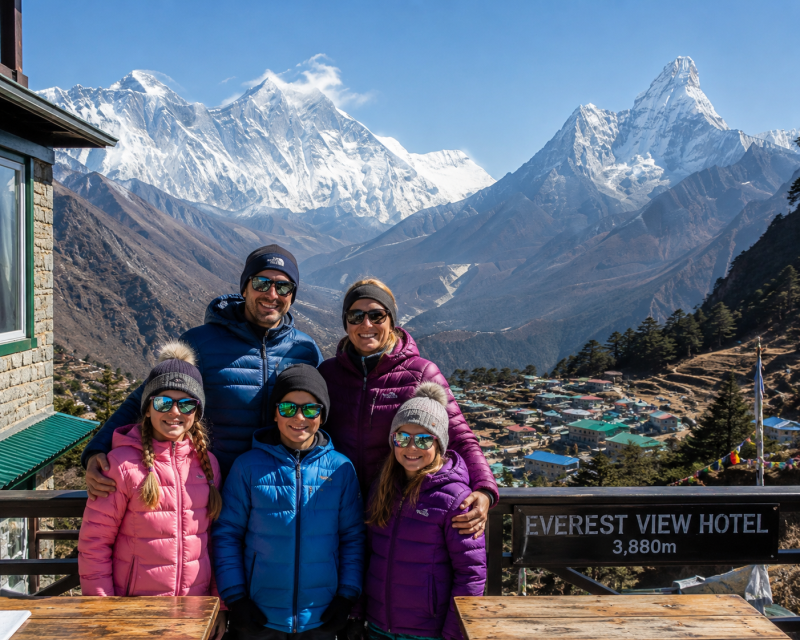
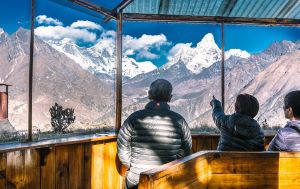
The highlight was reaching the Everest View Point at Everest View Hotel, where we saw Mount Everest clearly for the first time. We also loved walking through Namche Bazaar with its beautiful mountain scenery and lively atmosphere.
We highly recommend this trek for couples or beginners who want a short but unforgettable Everest experience. Safe Holiday Adventure Pvt. Ltd. made the whole journey smooth, safe, and memorable.
John Miller
UK | feb,2026
Our Family Adventure in the Everest Region – Short Trek Experience
Excellent service from start to finish. The entire trekking experience was extremely well organized by Safe Holiday Adventure Pvt. Ltd. From the moment we arrived in Nepal, everything was handled professionally, including airport pickup, accommodation, permits, and trekking arrangements.
Our guide was very experienced, friendly, and always attentive to altitude safety, which made a huge difference during high-altitude sections of the trek. He carefully monitored our pace, ensured proper acclimatization, and made sure we always felt comfortable and confident on the trail.
The porter service was also excellent. Our porter was strong, reliable, and very supportive throughout the journey, helping us greatly on steep and challenging terrain. We truly appreciated his hard work and positive attitude every day.
What impressed us the most was the company’s focus on safety, organization, and personal care. Even in remote mountain areas, everything felt well-managed and secure. Communication was always clear, and the team was quick to respond to any needs or questions.
Reaching high passes and enjoying the breathtaking Himalayan scenery was an unforgettable experience, and we always felt that we were in safe hands.
We highly recommend Safe Holiday Adventure Pvt. Ltd. to anyone planning a trek in Nepal. It is truly a trustworthy company that takes care of every detail from start to finish.
John Miller
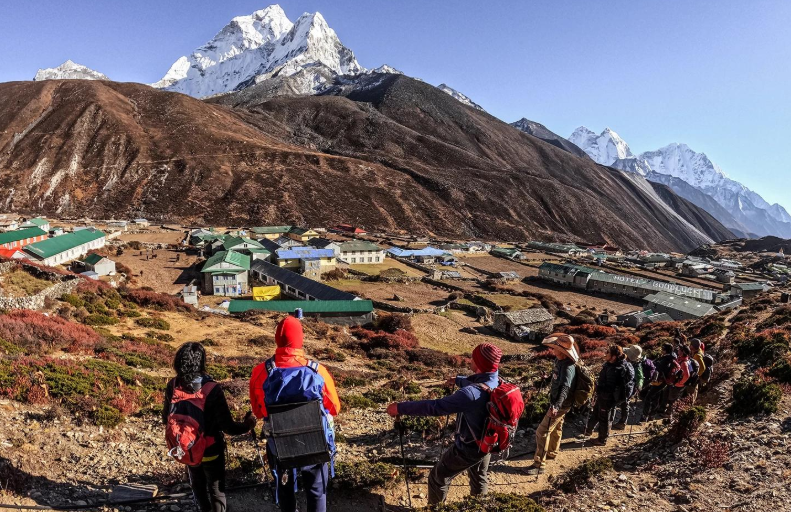
Zona Tres & Luca Tamburini
Brazil | April, 2026
We Experience on the 7-Day Everest Base Camp Trek
Discover Nepal Step by Step!!!
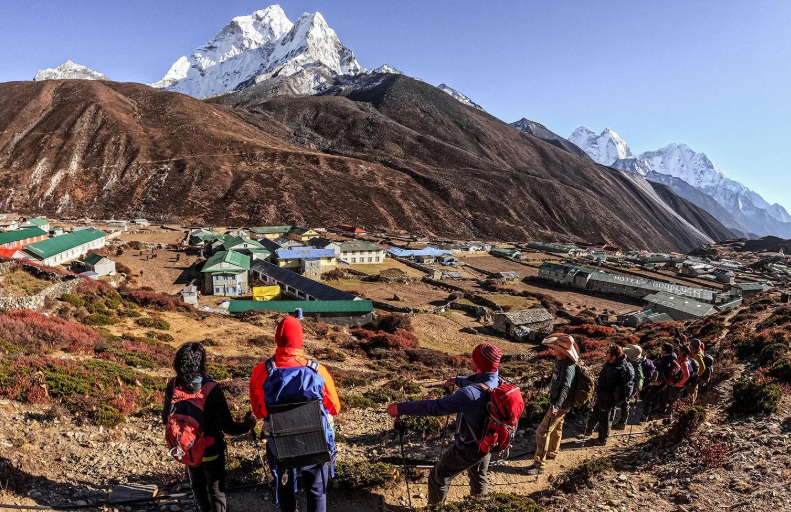
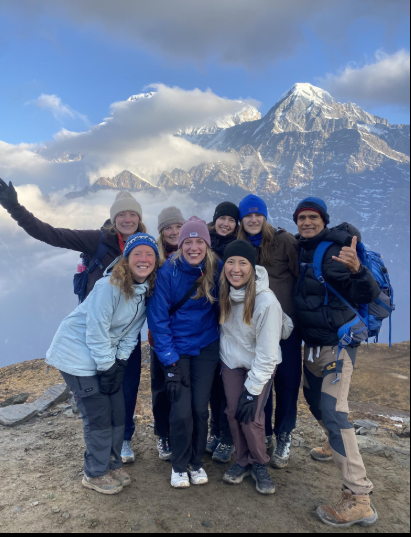
We recently completed the incredible 7-Day Everest Base Camp Trek with Safe Holiday Adventure, and it was an unforgettable experience in the Himalayas.
The entire journey was well organized, with stunning mountain scenery, beautiful local villages, and a great trekking atmosphere from beginning to end.
We would especially like to thank our guide Ram for his professionalism, kindness, and excellent care throughout the trek. He was very knowledgeable and friendly, and he always made sure we felt safe and comfortable during the journey.
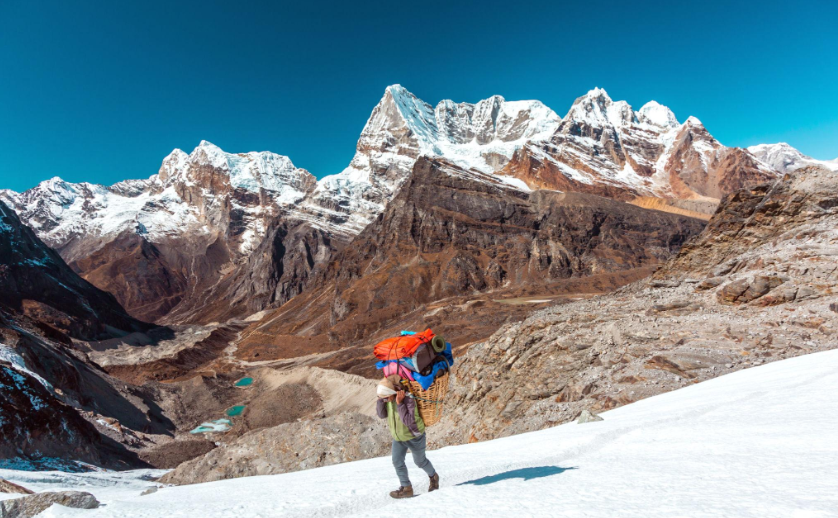
Special thanks also go to our porter, Prem, who worked incredibly hard and always wore a warm smile. His support and dedication were deeply appreciated every day of the trek.
We highly recommend Safe Holiday Adventure to anyone planning a trekking adventure in Nepal. Thank you for the wonderful memories and excellent hospitality.
— Brizel, Zona Tres & Luca Tamburini
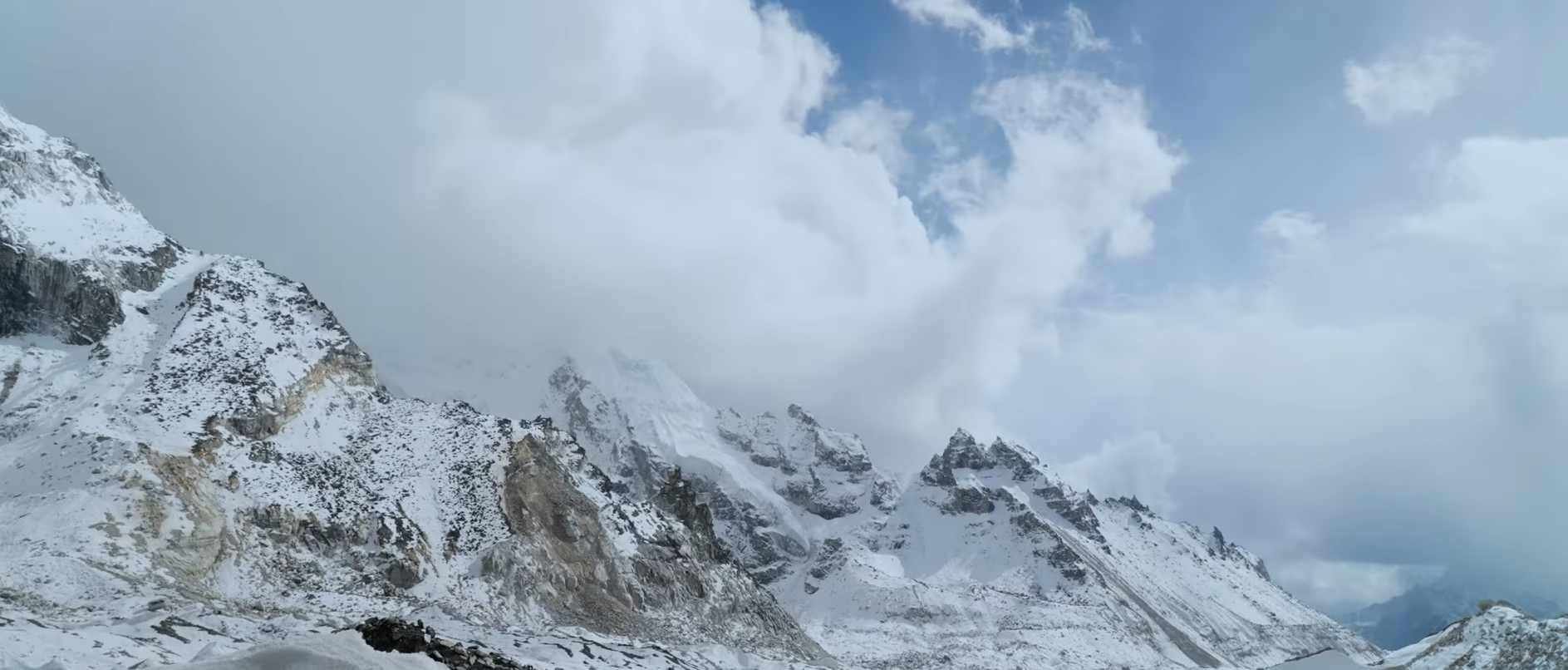
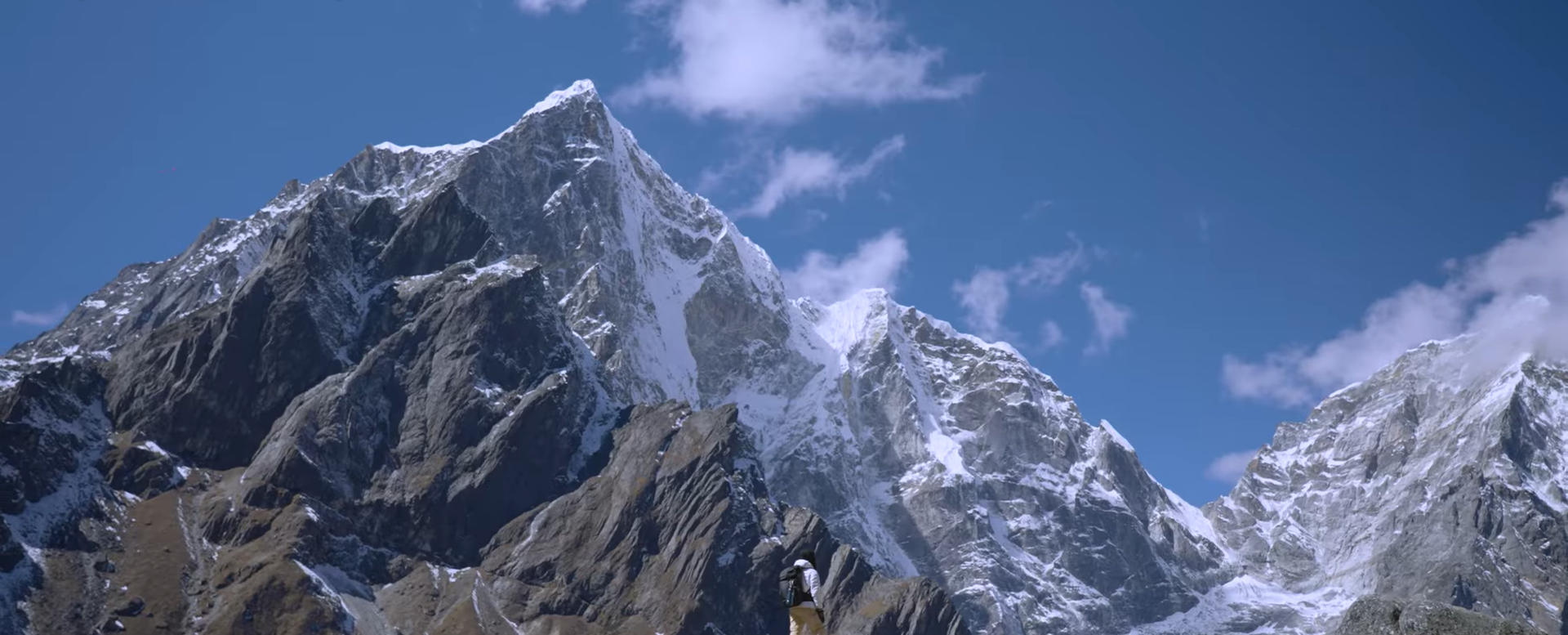
Genaral Trip InfoInfos
Difficulty Level of Everest short trek with family:
Accommodation during the Everest short trek with Family:
During the Everest short trek from Lukla to Tengboche, accommodation options are available in the form of teahouses or lodges. These teahouses provide basic facilities like a bed, a common dining area, and shared bathrooms. Some teahouses even have attached bathrooms and hot showers, but extra.
The teahouses and lodges serve delicious Nepali food and even have Western options on their menus. As the trek progresses and the altitude increases, the number of teahouses decreases, and the options become limited. During peak trekking season, it is recommended to book the teahouses in advance to avoid any inconvenience. Some teahouses may also provide amenities like Wi-Fi, charging points, and hot water bottles for an extra cost.
Safety Tips for Trekking with Kids in Everest Region:
Food Options on Everest Short Trek with Family:
Popular side trips and detours along the short Everest trek:
Several popular side trips and detours can be taken along the Everest short trek, including:
- Khumjung Village: Located at an altitude of 3,780 meters, this village is known for its beautiful monastery and the Yeti scalp that is preserved here.
- Gokyo Lakes: A beautiful chain of lakes located at an altitude of 4,750 meters, Gokyo Lakes offers stunning views of the surrounding peaks and glaciers.
- Thame: A traditional Sherpa village located at an altitude of 3,800 meters, Thame offers an opportunity to explore the local culture and lifestyle.
- Everest View Hotel: Located at an altitude of 3,880 meters, this hotel offers panoramic views of Mount Everest and the surrounding peaks.
It is important to note that these side trips may require additional time and preparation, and should only be attempted by those who are physically fit and properly acclimatized.
Packing list for the short Everest trek
Here is a suggested packing list for the short Everest trek:
Clothing:
- Hiking boots or shoes
- Thermal underwear
- Fleece jacket or sweater
- Waterproof jacket
- Waterproof pants
- Hiking pants
- T-shirts
- Sun hat
- Warm hat
- Gloves
- Socks
- Scarf or neck gaiter
Gear and equipment:
- Daypack
- Sleeping bag
- Trekking poles
- Headlamp or flashlight
- Sunglasses
- Water bottle or hydration system
- Snacks
- Personal first aid kit
- Toiletries
- Sunscreen
- Insect repellent
- Camera and batteries
- Charging adapter for electronic devices
- Cash for tips and souvenirs
It’s important to pack light and bring only what you need. You can also rent or purchase gear in Kathmandu or Namche Bazaar if needed.
Permits Required for Everest Region Trek:
Flight Options to Lukla for Family Trek:
Reaching Lukla is the main start point for Everest region treks, and families usually travel by air because there is no road access.
1. Regular Domestic Flights (Kathmandu to Lukla)
Most common option is a small aircraft flight from Kathmandu. Airlines like Tara Air, Summit Air, Sita Air, and Nepal Airlines operate early morning flights. The flight takes about 30–35 minutes and gives amazing mountain views.
2. Ramechhap (Manthali) Airport Flights
In peak trekking seasons (spring and autumn), many flights operate from Ramechhap instead of Kathmandu. Travelers first drive about 4–6 hours from Kathmandu to reach this airport, then fly to Lukla.
3. Helicopter Flights (Private or Shared)
Families looking for comfort or flexibility can choose a helicopter. It is faster, avoids cancellations, and is more reliable in bad weather, but it is more expensive.
Important Tip
Flights usually operate only in the morning because of mountain weather conditions, and delays or cancellations are common, so planning extra days is recommended.
These options help families choose based on comfort, budget, and travel time.
How Shower, Charging and Wi-Fi Availability in Everest short trek with family:
Is Everest Short Trek Safe for Children?
Weather Conditions on Everest View Trek (Everest Short Trek):
Weather plays an important role in the Everest View Trek, also called the Everest short trek. The weather can change quickly because the region is very high in altitude.
Autumn (September to November) is the best time. The sky is usually clear, the air is fresh, and you can see Mount Everest and other peaks clearly. Days are sunny and nights are cold.
Spring (March to May) is also a good season. The weather is mild, and rhododendron flowers make the trail beautiful. Visibility is mostly good, but sometimes a little cloudy.
Winter (December to February) is very cold, especially in the morning and night. Snow may block some views, but the mountains look very peaceful.
Monsoon (June to August) brings rain, clouds, and slippery trails, so it is not ideal for trekking.
Overall, autumn and spring give the best trekking experience.
Detailed ItineraryItinerary
Arrival in Kathmandu(1,350m)
Upon arrival at the airport in Kathmandu, you will be greeted by a representative from us and transferred to your hotel. After checking in at the hotel, you rest and adjust to the time difference. Kathmandu is a vibrant city with a rich history and culture, and there are many sights to see and activities to enjoy during your stay. You may choose to take a walk around the city and explore the colorful streets and bustling markets, or visit some of the famous landmarks such as the Swayambhunath Stupa (also known as the Monkey Temple) or the Pashupatinath Temple, a UNESCO World Heritage Site and one of the most important Hindu temples in the world.
In the evening, you will meet with your trekking guide for a briefing on the Everest short trek and an introduction to the trekking route, itinerary, and safety measures. Your guide will also answer any questions regarding packing, acclimatization, and other aspects of the trek. You will have the opportunity to discuss your expectations and preferences with your guide and make any necessary adjustments to the itinerary or arrangements. After the briefing, you can enjoy a delicious Nepali dinner and rest up for the exciting adventure ahead.
Accommodation : Kathmandu
Fly to Lukla and trek to Phakding(2,650m)
After you arrive in Kathmandu, you will take an early morning flight to Lukla, where you will be introduced to your guide and porters before starting the trek. The first day of the trek involves a 3-hour walk through several suspension bridges, Sherpa settlements, mani walls, gompas, stupas, and waterfalls, with stunning views of the Everest Himalayas. After reaching Phakding,
Accommodation : Teahouse
Phakding to Namche Bazaar(3450m)
The trek from Phakding to Namche Bazaar is an exciting journey through beautiful landscapes and traditional Sherpa villages. The trail follows the Dudh Kosi River and crosses several suspension bridges, including the Hillary Suspension Bridge. Today, you will pass through small settlements like Toktok, Banker, Monjo & Jorsalle, where you will show your permits at the Sagarmatha National Park Office. After Monjo, the trail becomes steeper, and you will climb through Rhododendron and pine forests. As you approach Namche Bazaar, you will catch glimpses of the snow-capped peaks of Everest and Lhotse.
Upon reaching Namche Bazaar, you will be rewarded with stunning views of the surrounding mountains and a bustling town filled with shops, restaurants, and lodges. Namche Bazaar is the largest town in the Khumbu region and is referred to as the “Gateway to Everest Khumbu region.” It is a hub for trekkers and climbers and offers a unique blend of traditional Sherpa culture and modern amenities. During your stay in Namche Bazaar, you can explore the town, visit the local markets and museums, and acclimatize to the altitude before continuing on your trek to higher elevations.
Accommodation : Teahouse
Acclimatization day in Namche Bazaar
After the trek from Phakding, you will spend an extra day in Namche Bazaar to acclimatize to the higher altitude. Namche Bazaar is the main hub of the Khumbu region and a major trading center for locals and trekkers. During the acclimatization day, you can hike to the nearby villages of Khunde and Khumjung, visit the Everest View Hotel for stunning views of Mount Everest, or explore the colorful streets and markets of Namche Bazaar. It’s important to stay hydrated and take it easy on this day to allow your body to adjust to the altitude.
In addition, you can also visit the Sagarmatha National Park Visitor Center to learn more about the region’s flora, fauna, and conservation efforts. The center also provides information on the local Sherpa culture and the mountaineering History. Overall, the acclimatization day in Namche Bazaar is a great opportunity to rest, explore, and prepare for the Next day-Tangboche.
Accommodation : Teahouse
Trek from Namche Bazar to Tengboche-3,867m
After a leisurely acclimatization day in Namche Bazaar, the next leg of the Everest short trek takes you from Namche Bazaar to Tangboche. The trek starts with a gradual descent to the village of Kyanjuma, followed by a steep climb to Sanasa.
From Sanasa, the trail descends to the suspension bridge over the Dudh Koshi River at Phunki Thenga, where trekkers must check their permits before proceeding to their lunch spot. After a brief rest and refueling, the trek continues with a two-hour ascent to Tangboche, which boasts breathtaking views of Everest, Nuptse, Lhotse, and Ama Dablam.
Tangboche is home to the historic Tangboche Monastery, famous for its chanting and serene setting. Today, trekkers can enjoy a spectacular sunrise view of the Himalayan range, albeit with a chilly night’s sleep. Despite the cold, the natural beauty of the region is truly indescribable.
Accommodation : Teahouse
Trek from Tengboche to Namche Bazaar-3,450m
Retracing your steps from Tengboche to Namche Bazaar, you will pass through familiar settlements such as Funki Thanga, Sanasa, and Kyanjuma. The trek begins with a descent to Funki Thanga, taking about 1 hour. From there, a 40-minute steep uphill trek through a beautiful pine forest leads to Sanasa and to Kyanjuma. After Kyanjuma, you will walk along the cliffside of the mountain, offering breathtaking views, until you reach Namche Bazaar. This trek takes approximately 5-6 hours. Upon reaching Namche Bazaar, you’ll spend the night there, resting and preparing for the trek back to Lukla the following day.
Accommodation : Teahouse
Namche to Lukla- 2860m
From Namche Bazaar, you will trek towards the small village of Jorsalle, passing through the Sagarmatha National Park entrance gate. You will cross several suspension bridges over the Dudh Kosi River and pass through Monjo and Phakding Village.
After Phakding, you will continue trekking along the Dudh Kosi River, crossing several suspension bridges and passing through the villages of Chaurikharka and Choplung. The trail will then climb steeply towards the final ascent to Lukla.
Once you reach Lukla, you can celebrate the end of your trek with your guide and porters before spending the night in a local teahouse. The next day, you will take a flight back to Kathmandu.
Accommodation : Teahouse
Fly back to Kathmandu
After breakfast in Lukla, you will take a scenic flight back to Kathmandu. Upon arrival, you will be transferred to your hotel. You can spend the rest of the day exploring the city, shopping for souvenirs, or relaxing at your hotel. In the evening, you will have a farewell dinner with your trekking guide and porters to celebrate the successful completion of your Everest short trek.
Accommodation : Hotel
Departure from Kathmandu
We will arrange for our staff to drop you off at the airport on time for your flight. Plan to be at the airport three hours before your flight, and we will provide private transportation based on your schedule. We hope you had a great trip and would appreciate your recommendation for the future. Have a safe flight!
Note: This itinerary covers your entire trip from arrival to departure, but the actual trekking in the mountains is 5 days, as shown in the trip facts for the 5-day Everest Short Trek. You can choose either the 5-day trekking package alone or an all-inclusive package that includes everything from your arrival to departure.
Everest Short Trek with Family FAQs
The trek typically takes 6 days.
The trek starts from the town of Lukla.
The highest altitude reached is Tengboche Monastery at 3,867 meters.
Yes, the trek is suitable for families with kids who are used to hiking.
The total distance covered is approximately 30 kilometers.
It is not necessary, but recommended, especially for those who are not familiar with the area.
The best time is from March to May and September to November.
There are teahouses and lodges available for accommodation.
There are a variety of food options available, including traditional Nepalese and western cuisine.
Altitude sickness can be a concern, but the trek is designed to allow for proper acclimatization.
Moderate physical fitness is required.
Yes, side trips to Khumjung and Khunde villages can be added to the trek.
Warm and waterproof clothing, sturdy hiking shoes, and a daypack are recommended.
Yes, trekking in the Everest region is generally safe with proper precautions.
The cost can vary depending on the season, accommodation choices, and guide fees, but a rough estimate is around $800-$1,200 per person.
Refund & Cancellation Policy
- Booking requires 20% non-refundable deposit (Nepal) or 100% upfront (Tibet/Bhutan).
- Remaining payment due before the trip or on arrival (trip-dependent).
Cancellation charges:
- 31+ days: 20%
- 16–30 days: 45%
- 8–15 days: 75%
- 7 days or less: 90%
- Prices may change due to flights, taxes, or exchange rates.
- Trip changes are allowed, but extra costs apply.
- If the company cancels, a full refund, except for unavoidable events (some costs deducted).
- Good health and travel insurance are mandatory.
- No refund if removed for unsafe or illegal behavior.
- Travel involves personal risk, which the client accepts.