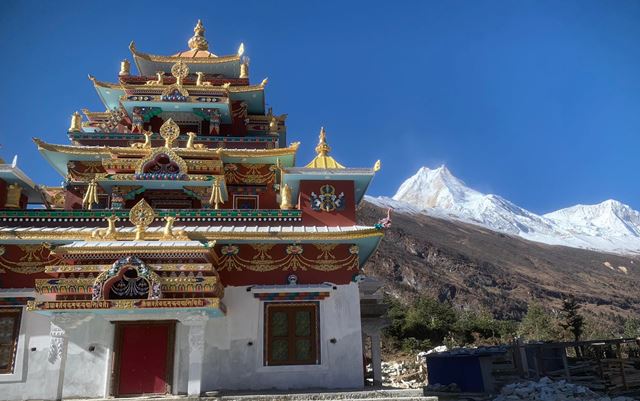

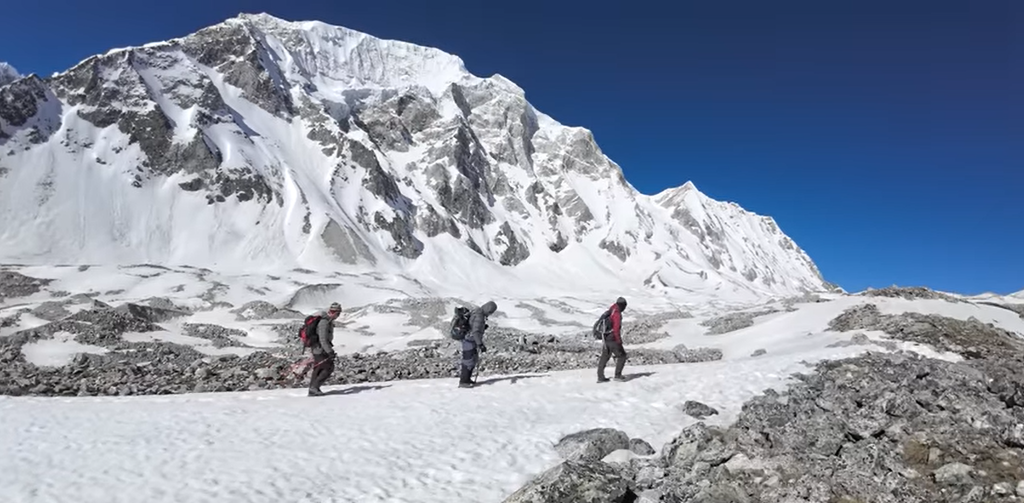
Manaslu Budget Trekking Highlights: Highlights
Manaslu Budget Trekking Overview: Overview
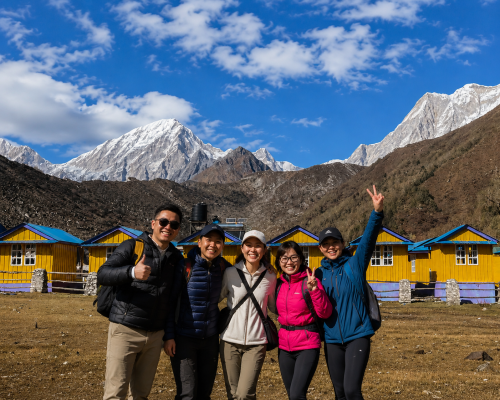
Manaslu Budget Trekking is a cost-effective way to experience one of Nepal’s most spectacular and less-crowded Himalayan trekking routes. This 8-day Manaslu budget trek is designed for travelers who want to explore the remote Manaslu region while keeping trekking costs manageable. The journey combines dramatic mountain scenery, traditional villages, Buddhist monasteries, local culture, and challenging high-altitude trails without the higher costs often associated with longer Himalayan adventures.
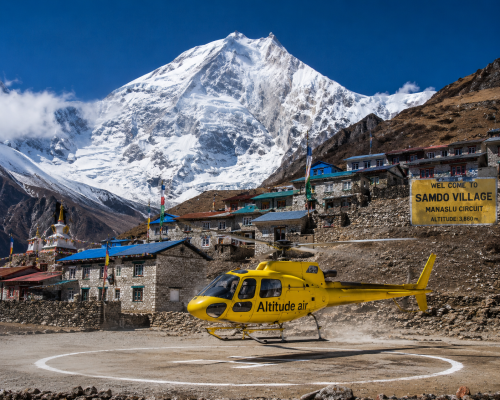
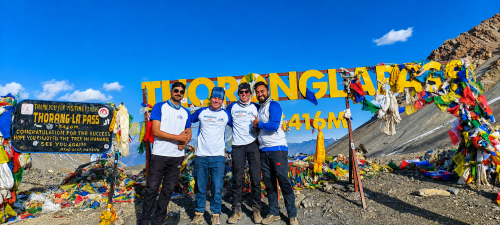
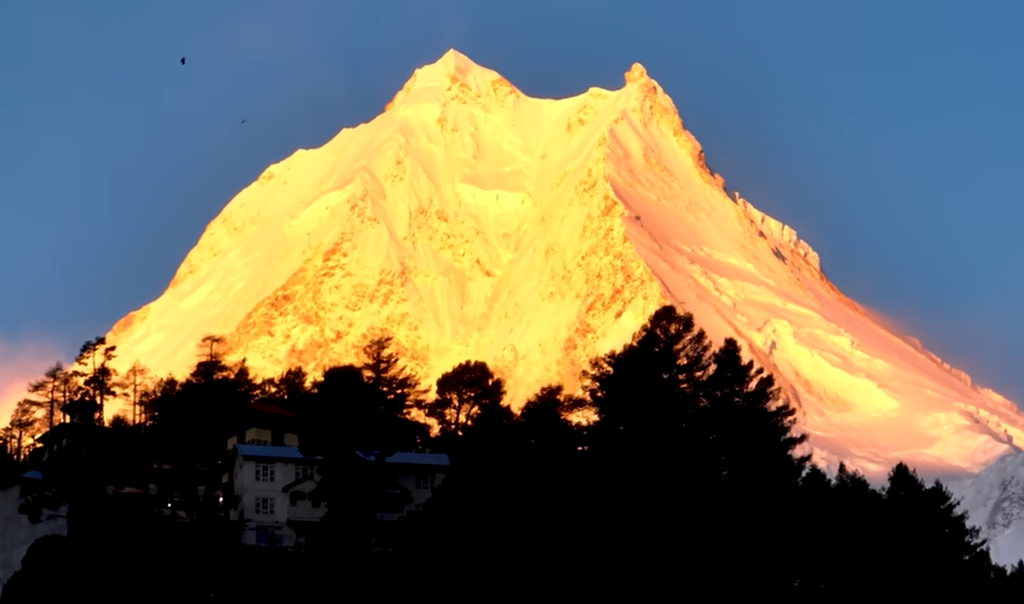
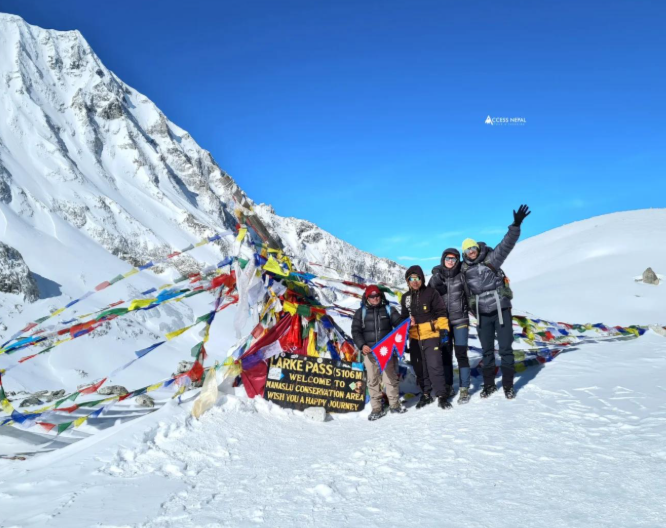
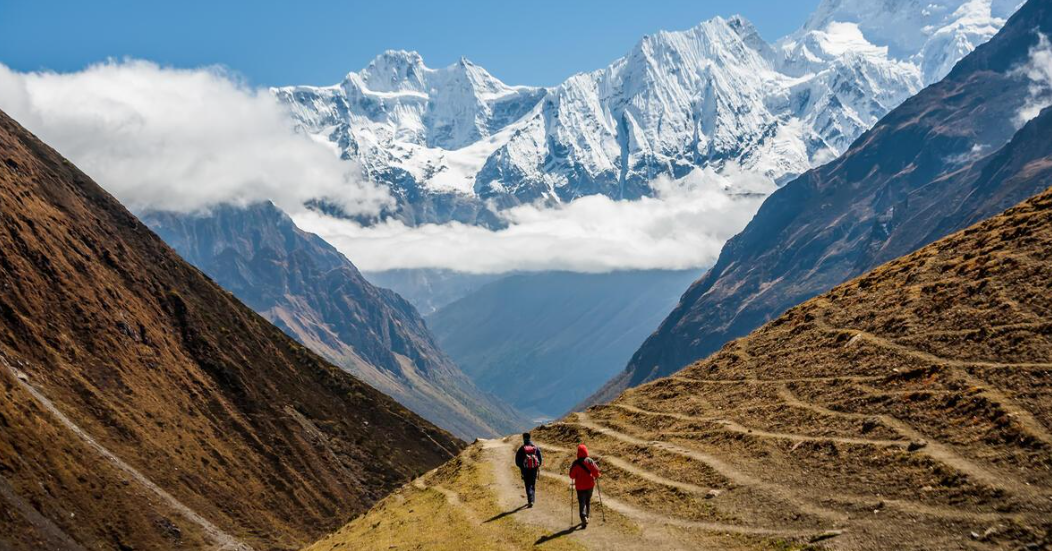
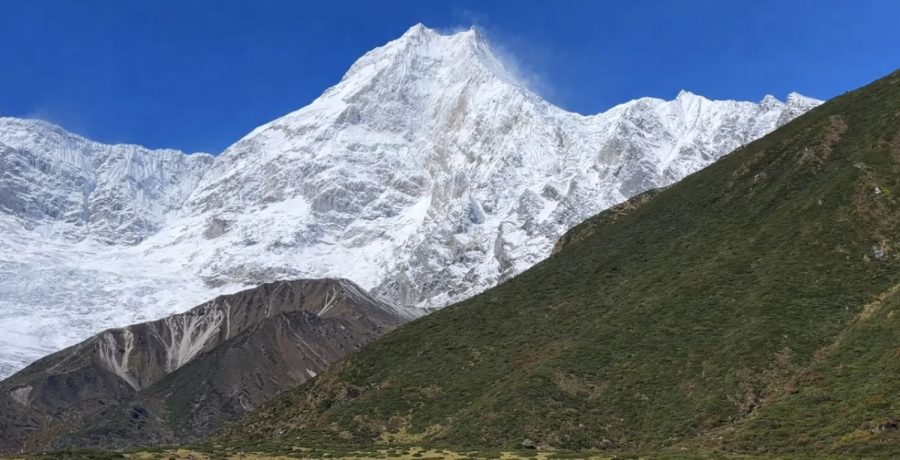
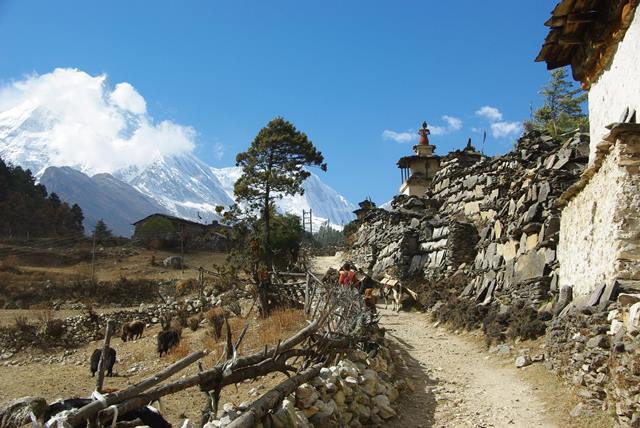
The trek takes you through diverse landscapes, from green hills and subtropical forests to rugged alpine terrain, with impressive views of Mt. Manaslu (8,163m), Himalchuli, Cheo Himal, and other surrounding peaks. One of the major highlights is crossing Larke La Pass (5,123m), the highest point of the trek. Along the way, you pass through remote Gurung and Tibetan-influenced villages, ancient monasteries, prayer flags, and traditional mountain settlements close to the Nepal–Tibet border.
Although the Manaslu region is a restricted trekking area, it can still be explored on a budget by staying in local teahouses, eating simple Nepali and Tibetan-style meals, and using practical trekking services. Our Manaslu Budget Trekking package includes the essential permits, licensed Manaslu trekking guide, porter support, transportation, and basic accommodation needed for the journey. It is a suitable option for budget-conscious travelers, backpackers, and trekkers looking for an authentic Himalayan experience away from the busier trekking routes.
If you want to experience the beauty and culture of the Manaslu region without unnecessary luxury expenses, Manaslu Budget Trekking 8 Days offers a practical balance of affordability, adventure, and local Himalayan experience.
Manaslu Trek Weather & Temperature
| Manaslu Trek Weather & Temperature Overview | ||||
|---|---|---|---|---|
| Season | Day Temperature | Night Temperature | Weather Conditions | Notes |
| Spring (Mar–May) | 10°C to 20°C | 0°C to 5°C | Clear skies, blooming rhododendrons | Best trekking season with stable weather |
| Summer/Monsoon (Jun–Aug) | 15°C to 25°C | 5°C to 10°C | Rainy, cloudy, humid | Leeches, landslides possible; fewer trekkers |
| Autumn (Sep–Nov) | 10°C to 18°C | -5°C to 5°C | Clear skies, excellent visibility | Peak trekking season |
| Winter (Dec–Feb) | 5°C to 10°C | -10°C to -20°C | Cold, snowy, dry | High passes may be blocked by snow |
Why the Manaslu Budget Trek is Ideal for All Types of Trekkers
- Affordable – Lower permit, food, and accommodation costs compared to popular treks.
- Less Crowded – Peaceful trails with fewer tourists.
- Flexible Options – Can be adjusted in duration based on time and fitness.
- Moderate Difficulty – Suitable for trekkers with basic fitness levels.
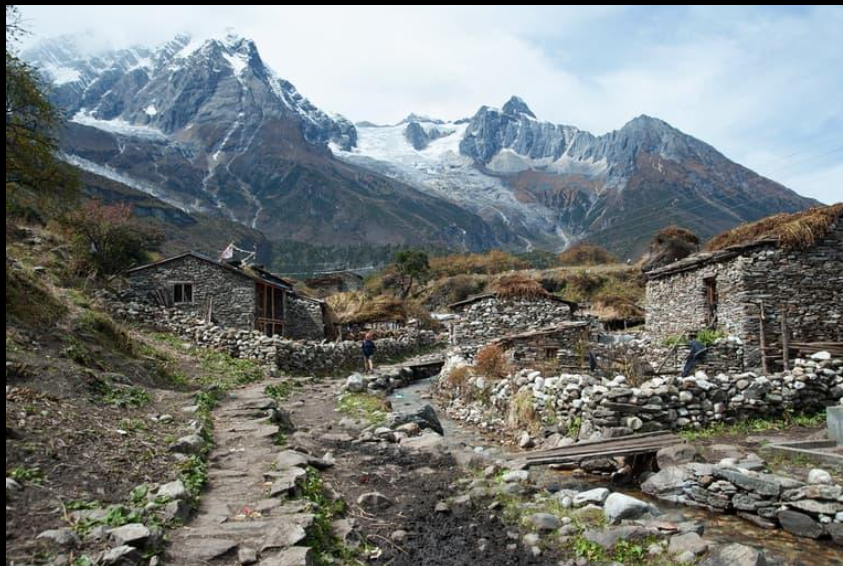
- Cultural Experience – Pass through villages like Samagaun and Samdo Village with rich Tibetan culture.
- Great Views – Close-up scenery of Mount Manaslu and surrounding Himalayas.
- Budget Group Option – Group joining helps reduce overall trekking costs.
Why Should You Do the Manaslu Budget Trek?
- Save money while enjoying a world-class Himalayan trekking experience.
- Trek in one of Nepal’s most beautiful and less crowded regions.
- Enjoy stunning views of Mount Manaslu and surrounding Himalayan peaks.
- Experience authentic Tibetan and Gurung mountain culture.
- Walk through peaceful villages, forests, rivers, and remote valleys.
- Avoid expensive domestic flights as the trek starts with a drive from Kathmandu.
- Stay in local teahouses and support mountain communities.
- Suitable for trekkers with moderate fitness levels.
- Enjoy a safer and more organized adventure with an experienced local guide.
- Get excellent value for money compared to many other popular treks in Nepal.
- Explore a less commercialized trekking route with fewer tourists.
- Create unforgettable memories in the heart of the Nepal Himalaya
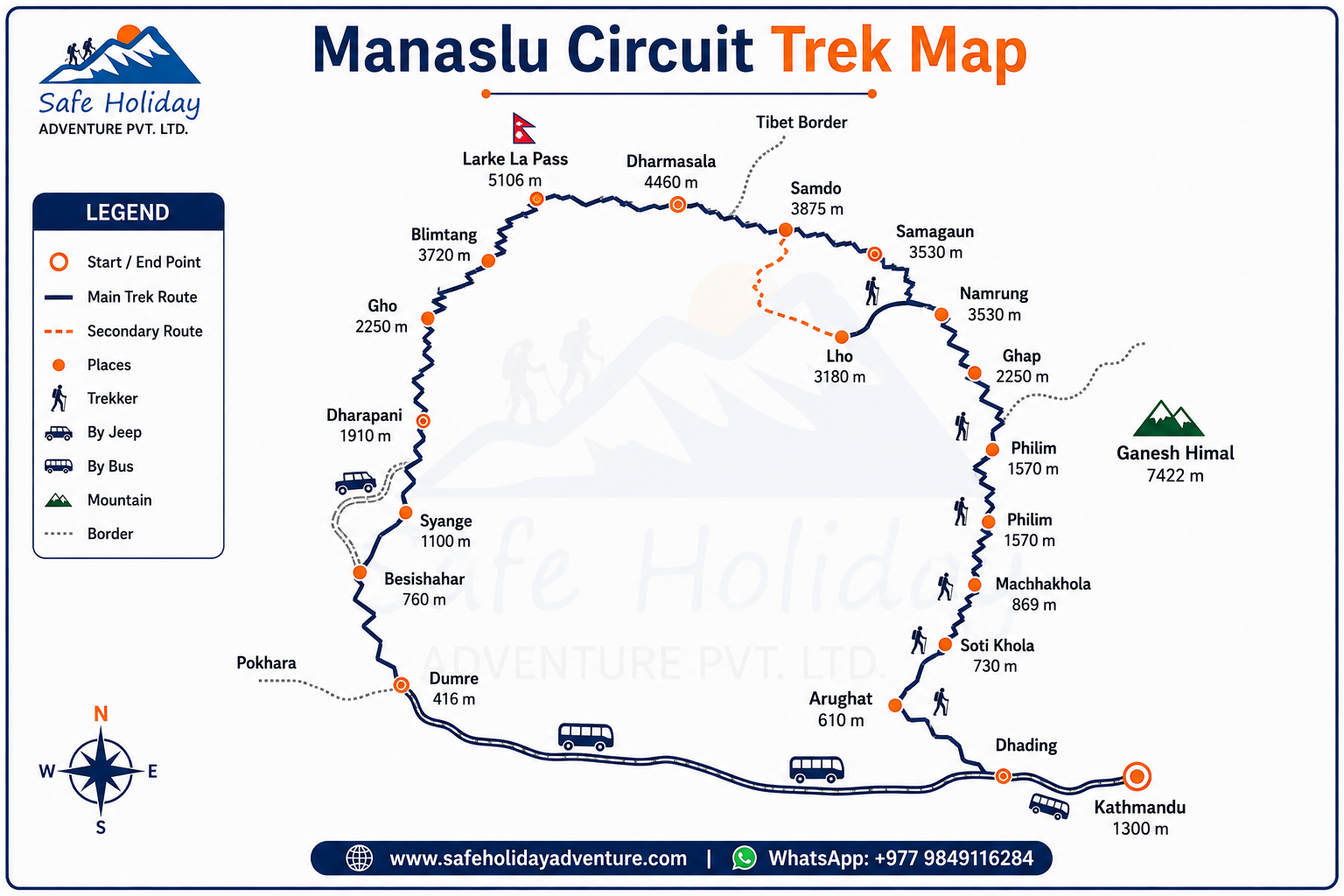
8 Day Manaslu Budget Trekking OutlineOutline Itinerary
Day 1: Drive from Kathmandu to Dovan & Trek to Jagat (1300m)-10-12 km (6-7.5 miles)
Day 2: Trek from Jagat to Deng (1860m)-12-14 km (7.5-8.7 miles)
Day 3: Trek from Deng to Namrung (2630m)-10-12 km (6-7.5 miles)
Day 4: Trek from Namrung to Samagaon (3530m)- 12-14 km (7.5-8.7 miles)
Day 5: Trek from Samagaon to Dharamsala (4460m)-7-9 km (4.3-5.6 miles)
Day 6: Trek to Bimtang (3720m) via Larkya La Pass (5106m)-20-22 km (12.4-13.7 miles)
Day 7: Trek from Bhimthang to Dharapani (1900m)-15-17 km (9.3-10.6 miles)
Day 8: Drive from Dharapani(8-9 Hours Drive) to Kathmandu.
Note:
This itinerary can be customized to match your time, budget, fitness level, and travel preferences. Whether you prefer a shorter adventure or a more relaxed trekking pace, we can adjust the schedule to create the best possible Manaslu Circuit Trek experience for you.
Whats Included?
- Local bus ride from Kathmandu to Machha Khola.
- Shared jeep transfer from Dharapani to Besisahar, followed by a bus drive from Besisahar to Kathmandu.
- Licensed, English-speaking trekking guide with extensive local knowledge and experience.
- Guide expenses covered, including salary, meals, accommodation, insurance, and transportation.
- Twin-sharing accommodation in comfortable tea houses throughout the trek.
- Daily breakfast during the trekking days.
- Complimentary duffle bag from our agency upon request.
- Manaslu Restricted Area Permit (RAP).
- Manaslu Conservation Area Permit (MCAP).
- Annapurna Conservation Area Permit (ACAP).
- Government taxes and service charges applicable to the trekking package.
- Lunch and dinner during the trek; available at tea houses on a pay-as-you-go basis.
- Porter service, available upon request at an additional cost.
- Sleeping bag and down jacket rental, available for an additional charge.
- Travel insurance, including coverage for high-altitude trekking and emergency evacuation.
- Wi-Fi, battery charging, hot showers, and other personal or optional services.
- Beverages, including alcoholic and non-alcoholic drinks.
- Personal expenses and any services not specifically mentioned in the included package.
- Tips for your guide and staff, offered at your discretion.
- Donations or charity contributions made during the trek.
Dates and Availability Departures
All our published dates are guaranteed departures. We also provide customized departures tailored to your travel plans.
There are no group joining dates available at the moment. Please contact us for a private trip.
Travellers Reviews
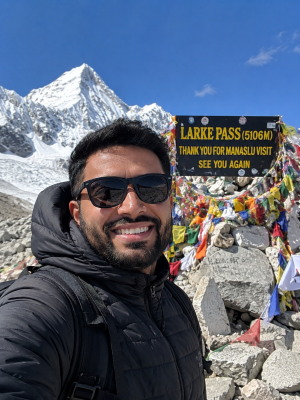
Luca Tamburini
Dubai | April,2025
Memorable Manaslu Circuit Trek – Highly Recommended!
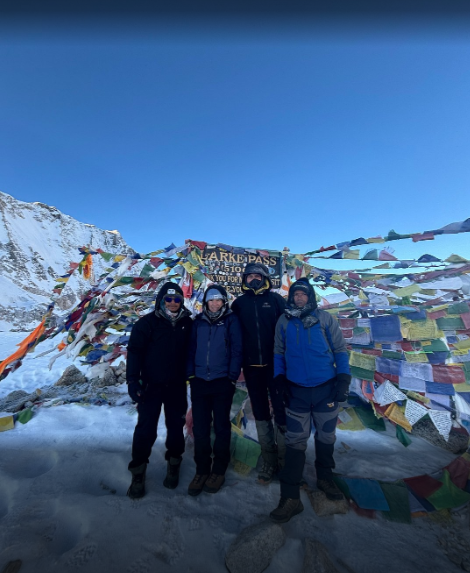
My friends and I from Dubai had an amazing time on the 13-day Manaslu Larke Pass Trek. The mountain views were spectacular, the local culture was fascinating, and crossing the Larke Pass was the highlight of our adventure.
A big thank you to our guide, Rupesh, for his professionalism, kindness, and excellent support throughout the trek. He made us feel safe, motivated, and well cared for every day.
We highly recommend this trek to anyone looking for an unforgettable Himalayan experience!
Caroline N
Spain | Jan 2026
Manaslu Circuit with Safe Holiday Adventure in Dec-Jan’26

Firstclasshuaraz Huaraz
Peru | april,2025
Challenging & Beautiful: 13-Days Manaslu Larke Pass Trek
We had an amazing experience trekking the Manaslu Larke Pass over 13 days with Safe Holiday Adventure. The trek was challenging but incredibly rewarding, with stunning views of the Himalayas and authentic local villages.
Our guide, Rupesh, was professional, encouraging, and extremely knowledgeable. He made sure we stayed safe while also making the trek educational and fun. Our porter, Prem, was always cheerful, handled all our luggage, and made the journey comfortable.
From start to finish, Safe Holiday Adventure provided excellent organization, support, and safety. If you want a Himalayan adventure that’s both challenging and unforgettable, the Manaslu Larke Pass Trek is the perfect choice!


Genaral Trip InfoInfos
Teahouse & Lodge Accommodation on the Manaslu Budget Trek:
Accommodation on the Manaslu Circuit Trek is simple, comfortable, and affordable. Most trekkers stay in local teahouses, where a room usually costs between $2 and $5 per night. The rooms are basic, with twin beds, mattresses, blankets, and shared bathroom facilities.
Along the trail, extra services such as hot showers, Wi-Fi, and battery charging are available for an additional charge. As you trek to higher elevations, prices may increase slightly because supplies must be transported to these remote mountain villages.
Although teahouses provide blankets, carrying a warm sleeping bag is highly recommended, especially during cold nights at higher altitudes. With its low accommodation costs and welcoming teahouses, the Manaslu Circuit Trek is an excellent budget-friendly adventure in the heart of the Himalayas.
Manaslu Circuit Trek, Transportation Costs:
Kathmandu to Soti Khola: A local bus ride costs approximately 1,000 NPR (about $8) and takes around 8-10 hours. Alternatively, a shared jeep ride costs around 1,500 NPR (about $12) and is faster, taking about 6-7 hours.
Dharapani to Besisahar: The shared jeep ride between these two points costs around 2,000 NPR (about $16). This journey typically takes 2-3 hours and offers a more comfortable and quicker option compared to local buses.
Besisahar to Kathmandu: A local bus ride costs around 1,000 NPR (about $8), taking approximately 6-8 hours. This is the most common and cost-effective way to return to Kathmandu from Besisahar.
These transportation options provide flexibility based on budget and time constraints, with shared jeeps offering a quicker but more expensive choice.
Hiring Guide and Porter for Manaslu Budget Trekking:
For the Manaslu Circuit Trek, hiring a trekking guide and a porter comes with specific costs:
Trekking Guide: The cost for a guide ranges from $30 to $50 per day. This varies depending on their experience and the additional activities they might assist with. Guides help with navigation, provide local insights, and ensure a smooth trekking experience.
Porter: A porter costs between $20 and $25 per day. Porters carry your heavy backpack and other gear, making your trek more comfortable.
Additionally, it’s customary to provide tips to both the guide and porter for their services. Tips are generally given at the end of the trek and should reflect their performance and support throughout your journey.
When is the best time to go on the Manaslu trek and why?
The best time to go on the Manaslu Trek is during the spring (March to May) and autumn (September to November). Here’s why:
- Weather: During these seasons, the weather is generally stable and mild, with clear skies and comfortable temperatures. Spring brings blooming flowers and lush greenery, while autumn offers crisp air and stunning mountain views.
- Visibility: Both seasons offer excellent visibility, allowing you to enjoy the breathtaking landscapes and panoramic mountain views.
- Trails and Accommodation: Trails are less likely to be muddy or snow-covered, and teahouses are well-prepared to accommodate trekkers.
- Avoiding Monsoon and Winter: In spring and autumn, avoid the heavy monsoon rains, which can make trails slippery and prone to landslides. They also sidestep the harsh winter cold, which can make high-altitude trekking challenging.
Choosing these times ensures a more enjoyable and safer trekking experience.
What are the main difficulties of the Manaslu Trek?
Here are the main difficulties of the Manaslu Trek in short and simple English:
- High altitude → Risk of altitude sickness above 5,000 m (Larke Pass).
- Long walking days → 5–8 hours of trekking daily.
- Rough trails → Steep, rocky, and sometimes slippery paths.
- Remote area → Limited medical help and fewer facilities.
- Basic accommodation → Simple teahouses with limited comfort.
- Unpredictable weather → Cold, wind, and possible snow at high points.
- Limited internet & electricity → Weak or unavailable in many places.
- Permits & guide required → Must trek with a licensed guide.
Is a Manaslu trek solo possible?
For the Manaslu Trek, solo trekking is not permitted. To undertake the trek, you must be part of a group of at least two people. This requirement is due to the remote and restricted nature of the region, which aims to ensure safety and adherence to local regulations. The presence of multiple trekkers helps in managing logistics, providing mutual support, and ensuring that the trek is conducted safely and within the guidelines set by local authorities.
What is the Average cost for Budget Manaslu Trekking?
The average cost for a budget Manaslu Trek typically ranges from $650 to USD 850 per person. The exact cost can vary depending on factors such as group size and specific services included. Larger groups may benefit from reduced rates per person, while smaller groups or individual trekkers might face higher costs. This range generally covers essential services like permits, accommodations, guide and porter fees, and basic meals.
Manaslu Trekking Checklist:
- Trekking Permit: Manaslu Restricted Area Permit, TIMS Card.
- Clothing: Waterproof jacket, warm layers, trekking pants, hat, gloves.
- Footwear: Sturdy trekking boots, and comfortable socks.
- Sleeping Gear: Sleeping bag (4-season recommended).
- Backpack: Daypack and main trekking bag.
- First Aid Kit: Basic medical supplies and personal medications.
- Hydration: Water bottles, purification tablets, or filters.
- Navigation: Map, compass, or GPS device.
- Personal Items: Sunscreen, lip balm, toiletries, camera.
- Cash: Local currency for expenses along the trek.
- Snacks: Energy bars, and trail mix for extra energy.
- Power: Extra batteries or power bank for electronics.
This list covers the essentials to ensure a comfortable and well-prepared trek.
What is the average tip for a guide and porter after doing manslu trekking?
After completing the Manaslu Trek, it is customary to provide a tip to your guide and porter for their services. On average, a tip of around $200 or more for the guide is appreciated, depending on their performance and the length of the trek. For the porter, a tip of approximately $250 is suggested. These amounts are above and beyond the daily wages and reflect your gratitude for their hard work and support throughout the trek. The exact tip can vary based on your satisfaction and budget.
Are tea houses safe to stay in Manaslu Trek?
Yes, staying in teahouses on the Manaslu Trek is generally safe. These teahouses offer basic accommodation along the trek, providing a bed, food, and sometimes hot showers. The teahouses are managed by local families and are accustomed to hosting trekkers.
While they may be simple, they are generally clean and provide a warm and secure place to rest. In remote areas, the facilities may be more basic, but they are reliable for trekkers. It’s always a good idea to carry some personal items for added comfort and hygiene. Overall, teahouses are a safe and convenient option for accommodation on the Manaslu Trek.
Food and Accommodation on the Manaslu Circuit Trek
Detailed ItineraryItinerary
Drive from Kathmandu to Dovan & Trek to Jagat (1300m)-10-12 km (6-7.5 miles)
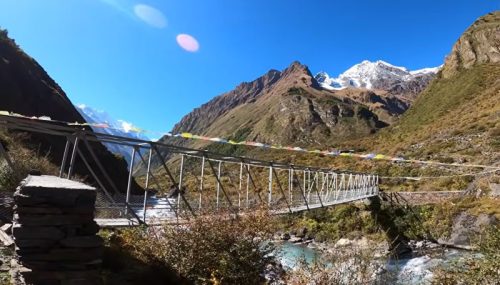
Today starts with a drive from Kathmandu to Dovan, which takes about 9-11 hours. The journey offers views of terraced fields, traditional villages, and lush landscapes. Once in Dovan, you begin your trek to Jagat, which takes 1-2 hours. Jagat is a beautiful village with traditional stone houses and a small bazaar. You’ll pass through scenic forests and cross several suspension bridges over the Budhi Gandaki River. Your trek today is approximately 10-12 km, and you’ll have a chance to enjoy local Nepali food in the village.
Accommodation : Tea House
Trek from Jagat to Deng (1860m)-12-14 km (7.5-8.7 miles)
On the second day, you’ll trek from Jagat to Deng, which takes around 5-6 hours. The trail passes through charming villages like Salleri and Sirdibas, offering stunning views of the surrounding hills and rivers. The path is mostly uphill, winding through forests and terraced fields. You’ll walk about 12-14 km today. Deng is a small village with traditional houses and beautiful scenery, providing a peaceful stop for the night.
Accommodation : Tea House
Trek from Deng to Namrung (2630m)-10-12 km (6-7.5 miles)
Today’s trek from Deng to Namrung will take 5-6 hours. The trail continues along the Budhi Gandaki River and gradually ascends through lush forests and rocky paths. Along the way, you’ll pass through the villages of Lama, and the scenery changes to more rugged terrain with views of the Sringi Himal. The trek covers around 10-12 km, and Namrung, with its Tibetan-influenced culture and monasteries, is a delightful village where you’ll spend the night.
Accommodation : Tea House
Trek from Namrung to Samagaon (3530m)- 12-14 km (7.5-8.7 miles)
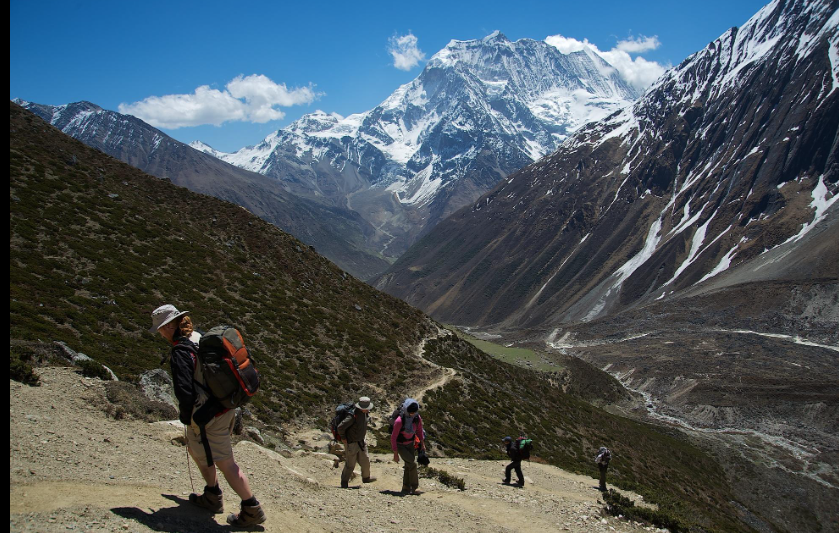
Your trek from Namrung to Samagaon takes about 6-7 hours. The route ascends through alpine meadows and the picturesque village of Lho. You’ll enjoy panoramic views of Mount Manaslu and the surrounding peaks. The trail is about 12-14 km long. Samagaon, a larger village, offers incredible views and a glimpse into local Tibetan culture. The high altitude here provides a chance to acclimatize and prepare for the upcoming higher elevations.
Accommodation : Tea House
Trek from Samagaon to Dharamsala (4460m)-7-9 km (4.3-5.6 miles)
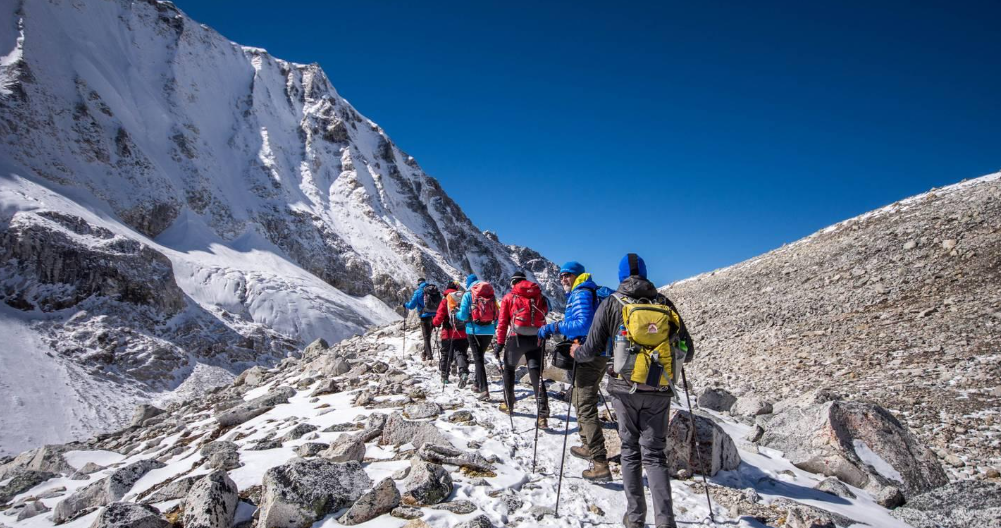
Today’s trek to Dharamsala, also known as Larkya Phedi, takes 4-5 hours. You’ll follow the trail through alpine meadows and glacial streams, crossing the Budhi Gandaki River several times. The trail is about 7-9 km. Dharamsala is a small settlement with basic lodges where trekkers rest before crossing the Larkya La Pass. The stunning views of the surrounding mountains and glaciers make this a memorable part of the trek.
Accommodation : Tea House
Trek to Bimtang (3720m) via Larkya La Pass (5106m)-20-22 km (12.4-13.7 miles)
This is the most challenging day, taking 8-9 hours. You’ll start early to cross the Larkya La Pass, which stands at 5106m. The ascent to the pass offers breathtaking views of snow-capped peaks and glaciers. After crossing the pass, the descent to Bimtang takes you through lush forests and past glacial lakes. The trek covers around 20-22 km. Bimtang, a small settlement, is where you’ll relax and recover from the long day’s trek.
Accommodation : Tea House
Trek from Bhimthang to Dharapani (1900m)-15-17 km (9.3-10.6 miles)
Today’s trek from Bimtang to Dharapani takes around 6-7 hours. The trail descends through dense forests, crossing several rivers and passing through small villages like Tilje and Thonje. The scenery changes to a more subtropical environment. The trek is approximately 15-17 km. Dharapani is a lively village with a mix of Tibetan and Gurung culture, where you’ll stay overnight.
Accommodation : Tea House
Drive from Dharapani(8-9 Hours Drive) to Kathmandu.
On the last day of the Manaslu Budget Trek, you will drive from Dharapani to Kathmandu, which takes about 8 to 9 hours. The journey offers scenic views of green hills, rivers, and local villages. As you leave the mountain region, the road transitions from rugged terrain to more developed areas, leading you back to the capital. Once you arrive in Kathmandu, you can relax and reflect on the amazing trek experience. This long drive marks the end of your incredible Manaslu adventure with Safe Holiday Adventure Pvt. Ltd.
Manaslu Budget Trekking FAQs
The area is restricted to preserve culture, control tourism impact, and ensure safety in a remote border region.
The Manaslu trek is considered challenging, particularly due to its high altitude and remote terrain. Beginners should be prepared for long days of trekking, steep ascents, and variable weather. Good physical fitness and preparation are essential.
Yes, it’s important to respect local customs and traditions. Dress modestly, ask for permission before taking photos, and follow the guidance of your trek guide regarding cultural practices.
It’s recommended to carry enough cash in local currency (Nepalese Rupees) for expenses along the trek, as ATMs are not available in remote areas. Use cash for meals, tips, and any additional purchases.
Yes, you can purchase or rent trekking gear in Kathmandu or Pokhara. However, it’s advisable to bring essential items from home and only buy or rent what you might need.
Meals in teahouses are usually simple and include traditional Nepali dishes like dal bhat, noodles, rice, and some Western options. The food is basic but nutritious and designed to keep you energized for trekking.
Wi-Fi is available in some teahouses, though it may be slow and may require a small fee. Mobile network coverage is limited, but you can get a signal in certain areas along the trek.
To prevent altitude sickness, ascend gradually, stay hydrated, and listen to your body. Follow your guide’s recommendations for acclimatization and consider carrying altitude sickness medication.
If you need to end your trek early, your guide will assist with arranging transportation back to Kathmandu. Make sure you have travel insurance that covers emergency evacuation.
It’s advisable to consult with a healthcare provider before the trek, get necessary vaccinations, and carry a basic first aid kit. Also, ensure you are in good health and physically prepared for the trek.
On average, the trek takes 8 to 14 days depending on the itinerary, pace, and acclimatization stops.
The Manaslu Circuit Trek is far less crowded than treks like Everest Base Camp or the Annapurna routes.
You’ll usually find:
- Fewer trekkers on the trail
- Quiet teahouses and villages
- More space and solitude while walking
Overall, it offers a peaceful and less touristy experience compared to Nepal’s more popular trekking regions.
Yes, the trail includes Some river crossings.
Around 400 to 800 meters (1,300 to 2,600 ft) per day on average.
On the Manaslu Circuit Trek, a porter typically carries up to 20 kg total (usually shared between 1–2 trekkers’ bags).
On the Manaslu Circuit Trek, most teahouses have basic squat toilets, especially in remote areas. In lower or better lodges, you may find Western-style toilets, but they are less common.
Yes. On the Manaslu Circuit Trek, trekkers can refill bottles at teahouses, lodges, and taps along the way, though it’s recommended to treat or filter the water before drinking.
Refund & Cancellation Policy
- Booking requires 20% non-refundable deposit (Nepal) or 100% upfront (Tibet/Bhutan).
- Remaining payment due before the trip or on arrival (trip-dependent).
Cancellation charges:
- 31+ days: 20%
- 16–30 days: 45%
- 8–15 days: 75%
- 7 days or less: 90%
- Prices may change due to flights, taxes, or exchange rates.
- Trip changes are allowed, but extra costs apply.
- If the company cancels, a full refund, except for unavoidable events (some costs deducted).
- Good health and travel insurance are mandatory.
- No refund if removed for unsafe or illegal behavior.
- Travel involves personal risk, which the client accepts.