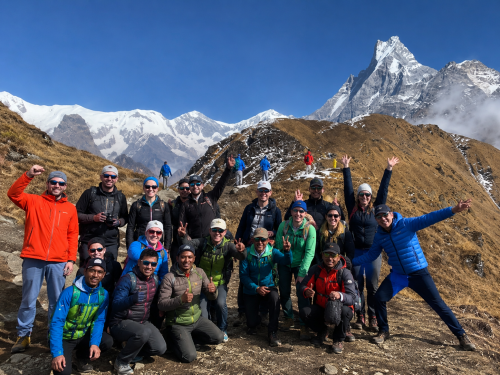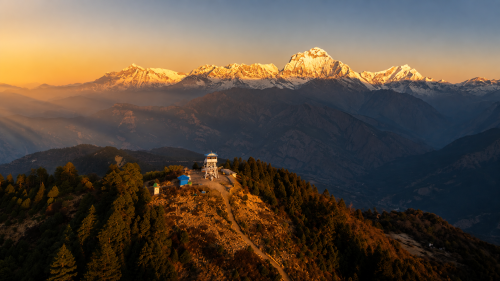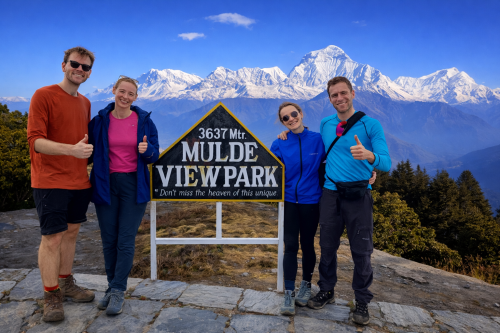


Mardi Himal Trek Highlights: Highlights
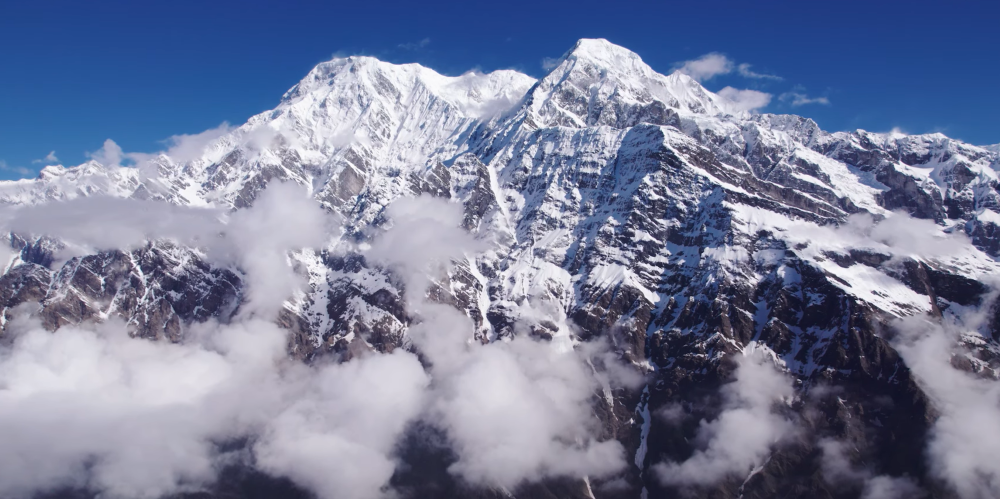
- Enjoy majestic views of Annapurna South (7,219m), Hiunchuli (6,441m), Dhaulagiri (8,167m), and Machhapuchhre (Fishtail) (6,993m) mountain ranges.
- Experience a tranquil trekking journey through dense forests, charming villages, and colorful rhododendron valleys.
- Witness the traditional lifestyles of the Gurung and Magar communities, enriching your cultural experience.
- Visit the stunning Mardi Himal Base Camp (4,500m) with panoramic Himalayan views.
- Trek through Mardi Himal High Camp (3,580m), offering breathtaking sights of Annapurna South and Hiunchuli.
- Explore the serene Forest Camp (2,550m), surrounded by lush greenery.
- Stop at Siding Village to enjoy its charming tea houses and vibrant culture.
- Savor the unique and delicious local cuisine of the Annapurna region.
- Escape the crowds and immerse yourself in the peaceful ambiance of the lesser-known Mardi Himal trek.
Mardi Himal 7 days Trek Introduction: Overview
Mardi Himal 7 Days Trek begins in Kathmandu (1,350 m), where travelers arrive, complete necessary preparations, and get briefed by our team at Be Safe Holiday Adventure Pvt Ltd. From here, the trek continues with a scenic drive to Pokhara (950 m), a beautiful lakeside city surrounded by hills and Himalayan views, offering a relaxed atmosphere before entering the trekking route.
The journey proceeds with a short drive to Phedi (1,130 m), the starting point of the trekking trail. The walk begins with a steady uphill ascent through stone steps, terraced fields, and traditional settlements, passing the Dhampus region and reaching Pitam Deurali (1,890 m). Along the way, trekkers experience Gurung villages, local tea houses, and early views of the Annapurna range (8,091 m) while gradually gaining elevation.
The trek continues into dense rhododendron and oak forests, entering peaceful sections of the Annapurna Conservation Area (up to 8,091 m regionally within Annapurna I). The trail passes through Forest Camp (2,550–2,600 m), a quiet resting point surrounded by thick woodland. From here, trekkers may catch their first clear glimpses of Machapuchare / Fishtail (6,993 m) rising dramatically above the forest line.
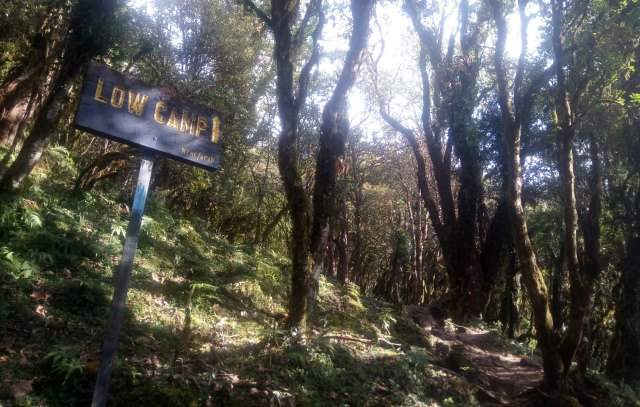
From Forest Camp, the trail climbs toward Low Camp and Rest Camp (2,600–2,900 m), where the landscape becomes more open and dramatic. The views expand to include Machapuchare (6,993 m), Annapurna South (7,219 m), and Hiunchuli (6,441 m). The environment gradually shifts into alpine terrain with fewer trees and wider Himalayan panoramas.
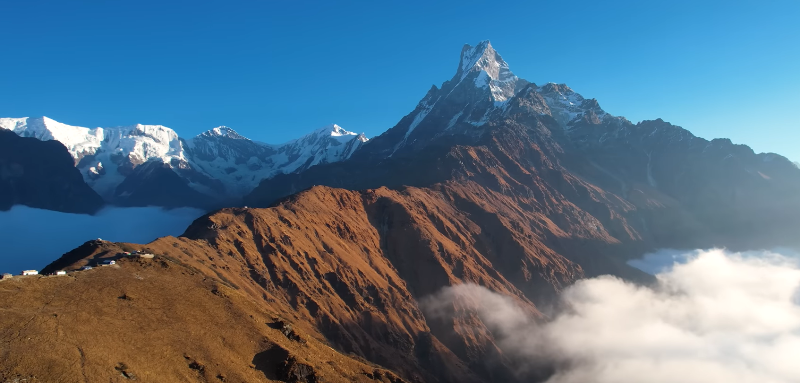
The route continues upward to High Camp (3,410 m), a major overnight stop offering breathtaking mountain views. From here, trekkers enjoy close vistas of Machapuchare (6,993 m) and surrounding peaks. The air becomes cooler and thinner, and the landscape turns rugged and alpine, making this an important acclimatization point.
The highlight of the Mardi Himal Trek is the early morning hike to Mardi Himal Base Camp (4,500 m) and the upper viewpoint (approximately 4,200–4,500 m). This steep ridge walk rewards trekkers with stunning sunrise views over the Himalayas. From the viewpoint, you can see Machapuchare (6,993 m), Annapurna South (7,219 m), Hiunchuli (6,441 m), and the dramatic ridge of Mardi Himal (5,587 m). After spending time at the top, the descent back to High Camp is slow and careful to avoid altitude stress.
The trek then descends toward Siding Village (1,750 m), passing through lush forests, terraced farms, and traditional Gurung settlements. This section offers a strong cultural experience, where trekkers observe rural lifestyle, farming traditions, and warm local hospitality. Although easier than the ascent, the trail requires caution due to uneven paths and continuous downhill sections.
Mardi Himal 7 Days Trek concludes with a drive back to Pokhara, where trekkers can relax near the lake, reflect on the journey, and enjoy modern comforts after days in the mountains. Finally, the Mardi Himal 7 Days Trek ends with a return drive to Kathmandu, marking the completion of the full Himalayan experience. At Be Safe Holiday Adventure Pvt Ltd, the Mardi Himal 7 Days Trek is carefully managed with attention to safety, proper acclimatization, experienced guides, and smooth logistics to ensure a reliable and enriching trekking adventure.
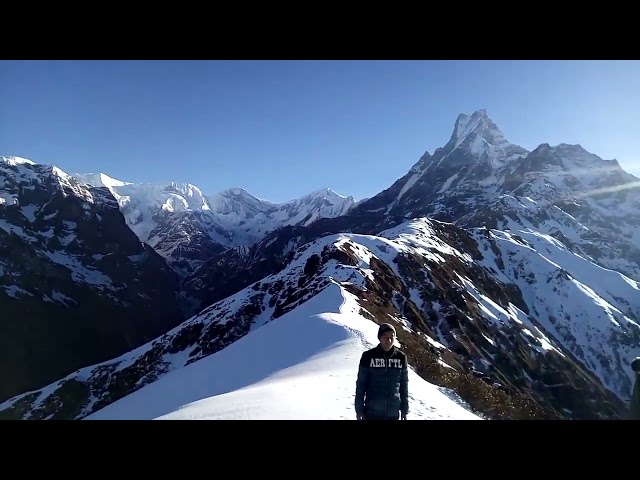
Weather and Temperatures During the Mardi Himal Trekking
Understanding the weather is crucial for a successful Mardi Himal 7 Days Trek. During spring (March to May), temperatures during the day range from 15°C to 20°C, with mornings and nights cooler, dropping to 0°C at higher altitudes. Conversely, Summer (June to August) brings warmer days (20°C to 25°C), but frequent rain showers can make trails slippery.
Meanwhile, Autumn (September to November) offers the best trekking conditions, with clear skies and temperatures similar to spring. On the other hand, winter (December to February) is much colder, with daytime temperatures between 5°C to 10°C, and freezing nights often below 0°C. Since mountain weather can be unpredictable, always check the forecast before departure and pack proper gear.
Who Should Choose the Mardi Himal 7 Days Trek?
- Beginners with a reasonable fitness level who want a manageable Himalayan trekking experience
- Nature lovers who enjoy forests, wildlife, and changing landscapes from greenery to alpine terrain
- Travelers seeking peace and fewer crowds compared to popular trekking routes
- Adventure enthusiasts looking for panoramic mountain views including Annapurna range and Machapuchare
- Trekkers who prefer simple teahouse accommodation and authentic local hospitality
- Photographers and scenery lovers who want sunrise and sunset Himalayan views
- Travelers with limited time who still want a complete and rewarding trekking experience in Nepal
Mardi Himal 7 Days Trek is best suited for those who value natural beauty, quiet trails, and an immersive mountain journey without technical climbing requirements.
Mardi Himal Trek Route Options
Option One (6 Days Mardi Himal Trek):
This trekking route begins from Ghandruk and ends at Siding Village. It is about 35 kilometers from a moderate walk through the forest and Gurung Villages.
Trek Route: Kathmandu or Pokhara- Ghandruk – Forest Camp – Badal Danda – High Camp – Siding – Pokhara
Option two (4 days Mardi Himal Trek):
This trekking route begins from Pitam Deurali and finishes at Kalimati. It is about 30 30-kilometer-long trails.
Trek Route: Kathmandu or Pokhara – Pitam Deurali – Rest Camp – High Camp – Kalimati – Pokhara.
⇒ Option Three (8 Days Mardi Himal Trek):
It is a long trekking route that starts from Nayapul and ends at Siding Village via several local villages and forests. It is the longest route adjoining the Ghorepani trek, so it is about 67 kilometers.
Trek Route: Kathmandu or Pokhara – Thikhedunga – Ghorepani Poon Hill – Tadapani – Landruk – Rest Camp – High Camp – Sidding Village – Pokhara.
⇒ Option Four (10 Days):
This trek option is a connecting trekking option with the most popular Annapurna Base Camp. You start your trek from Kyumi to Annapurna base camp, the same way back to New Bridge, then trek to Landruk. However, this trek is a wonderful option to observe so many things. In this trek option, your trek begins at Kyumi and ends at Kalimati. It is about 95 95-kilometer walk.
Trek Route: Kathmandu or Pokhara – Nayapul – Kyumi – Chhomrung – Bamboo – Himalaya – ABC – Bamboo – Jhinu Danda – Rest Camp – High Camp – Kalimati – Pokhara.
After completing this trip, you may also like to visit:
- Chitwan Jungle Safari Tour,
- Lumbini Tour,
- Bandipur tour,
- Chandragiri tour near Kathmandu.
Mardi Himal Trek Itinerary:Outline Itinerary
Day 01: Arrival in Kathmandu (1,350 m / 4,429 ft)
Day 02: Drive to Pokhara (950 m / 3,117 ft) – 200 km / 124 mi, 6–8 hrs
Day 03: Drive to Kande & Trek to Rest Camp (2,600 m / 8,530 ft) – Drive to Kande (1,430 m / 4,692 ft), trek 11 km / 6.8 mi, 5–6 hrs
Day 04: Trek to High Camp (3,580 m / 11,745 ft) – 7 km / 4.3 mi, 4–5 hrs
Day 05: Trek to Mardi Himal Base Camp & Descend to Low Camp (4,500 m / 14,764 ft → 2,970 m / 9,744 ft) – 15 km / 9.3 mi, 7–8 hrs
Day 06: Trek to Siding Village & Drive to Pokhara (1,750 m / 5,741 ft → 950 m / 3,117 ft) – Trek 6 km / 3.7 mi, 3–4 hrs, drive 26 km / 16 mi, 2 hrs
Day 07: Drive to Kathmandu (1,350 m / 4,429 ft) – 200 km / 124 mi, 6–8 hrs
Total Trek Distance: Approximately 39 km / 24.1 mi
Maximum Altitude: Mardi Himal Base Camp (4,500 m / 14,764 ft)
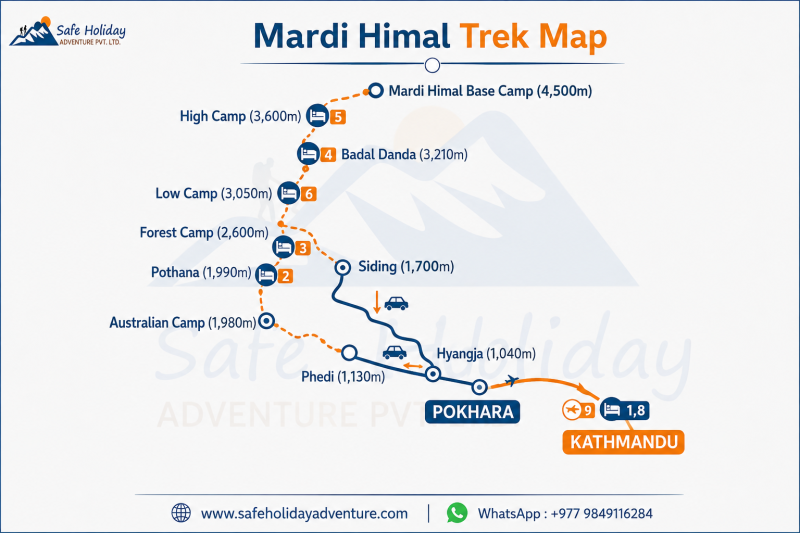
Mardi Himal Trek Package List:
- Airport Transfers: Comfortable pick-up and drop-off services between the airport and your hotel.
- Trekking Permits & Entry Fees: All necessary permits, including the Annapurna Conservation Area Permit (ACAP) and TIMS card.
- Meals During the Trek: Full-board meals (breakfast, lunch, and dinner) throughout the trekking journey.
- Experienced Trekking Guide: Government-licensed, English-speaking trekking guide with deep knowledge of the region.
- Hotel Accommodation in Pokhara: Two nights at a standard hotel in Pokhara—one night before the trek and one night after.
- Insurance for Trekking Staff: Comprehensive insurance coverage for all trekking staff members.
- Basic Medical Kit: First-aid supplies for minor injuries or altitude-related issues.
- Ground Transportation: Private vehicle from Pokhara to Kande and a shared jeep from Siddhi Village back to Pokhara.
- Emergency Support: Arrangement of emergency helicopter evacuation if required (insurance not included).
- Meals in Kathmandu & Pokhara: Breakfast, lunch, and dinner while staying in these cities are not included.
- Nepal Entry Visa: USD 30 for a 15-day visa on arrival (subject to change).
- Travel Insurance: Personal travel insurance covering trekking and emergency evacuation is required but not included.
- International Flights: Airfare to and from Nepal is not part of the package.
- Personal Expenses: Items of a personal nature, such as telephone calls, laundry, snacks, and battery charging costs.
- Beverages: All alcoholic and non-alcoholic drinks during the trek.
- Extra Services in Tea Houses: Hot showers, Wi-Fi access, and battery charging fees in trekking lodges.
- Tips: Gratuities for the trekking guide, porter, and driver (tips are customary and appreciated).
- Sightseeing Entrance Fees: Entry fees for cultural and historical monuments during Kathmandu sightseeing are not covered.
Dates and Availability Departures
All our published dates are guaranteed departures. We also provide customized departures tailored to your travel plans.
There are no group joining dates available at the moment. Please contact us for a private trip.
Travellers Reviews

Robert Holmes
England | Feb, 2025
Best Yoga Trekking Experience in Nepal
Our family recently completed the Mardi Himal Yoga and Meditation Trek with Santosh, and it was one of the best trekking experiences we have ever had. My wife, our two sons, and I enjoyed every moment of the journey.
From the beginning, Santosh organized everything professionally. The itinerary was well planned, the accommodations were comfortable, and the pace of the trek was perfect for our family. We always felt safe, relaxed, and well cared for.
The combination of trekking, yoga, and meditation made this experience truly unique.
The trail itself is spectacular, passing through lush rhododendron forests, charming villages, and breathtaking mountain viewpoints.
Santosh is not only an experienced trekking guide but also a kind, patient, and knowledgeable person. He shared local culture, ensured everyone was comfortable, and made our children feel welcome throughout the trek.
This was the most comfortable trek our family has experienced in Nepal. We highly recommend the Mardi Himal Yoga and Meditation Trek to families, couples, beginners, and anyone looking for a peaceful adventure in the Himalayas.
Thank you, Santosh, for creating such wonderful memories.
We look forward to trekking with you again!

Per Landquist
Sweden | April,2026
Peaceful Trails and Amazing Mountain Views in Mardi Himal Trek
Our Budget Mardi Himal Trek in Nepal was a truly wonderful experience. Our guide, Rupesh, was kind, professional, and very supportive throughout the entire journey. He always ensured that we felt safe, comfortable, and happy during the trek. The stunning mountain scenery, quiet trails, and beautiful local culture made this adventure unforgettable. Everything was well arranged, and we would highly recommend this trek to anyone planning to visit Nepal. Thank you very much, Rupesh, for making our trip so memorable!
Per Landquist
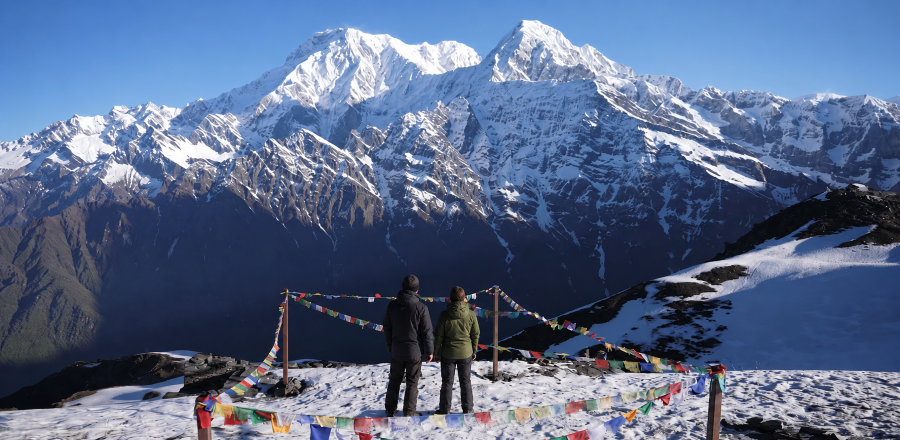
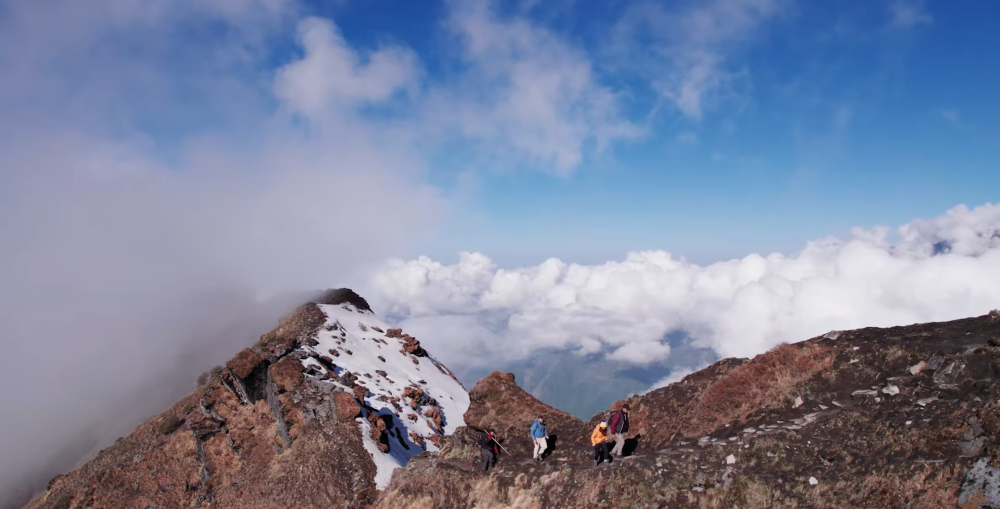
Genaral Trip InfoInfos
Mardi Himal trek Location
The 7-day Mardi Himal Base Camp Trek is located in the Annapurna region of Nepal. The trail starts from the town of Kande, which is located about 45 45-minute drive from Pokhara, a popular tourist destination in Nepal. The trek passes through lush forests, traditional villages, and high-altitude landscapes before reaching the Mardi Himal Base Camp, which is situated at an altitude of 4,500 meters above sea level. The base camp offers stunning panoramic views of the Annapurna massif, including the famous peaks of Machhapuchhre (Fishtail), Annapurna South, Hiunchuli, and Mardi Himal itself. The trek is considered a hidden gem and is less crowded compared to other popular trekking routes in the Annapurna region.
Best time to do the Mardi Himal Trek:
The best time to do the Mardi Himal 7-day Trek in the Annapurna region of Nepal is during the pre-monsoon (spring) season (March to May) and post-monsoon (autumn) season (September to November). These seasons offer clear skies, pleasant weather, and great visibility, making for an excellent trekking experience. During these months, the temperatures are moderate, and the weather is stable, making it easier to navigate the trail.
In the spring season, the hillsides are covered with colorful rhododendron blooms, which make for a spectacular sight. The post-monsoon season is also a great time to trek, with clear skies offering stunning views of the Himalayan peaks. However, it’s worth noting that during the autumn season, the trails can be busier, and accommodation can be more difficult to secure, so it’s important to book in advance.
The monsoon season (June to August) should be avoided as the trail can be muddy and slippery, and there is a risk of landslides and avalanches. The winter season (December to February) is also not recommended for the Mardi Himal Trek as the high-altitude areas can be very cold, and snow can make the trek more challenging.
Mardi Himal Trek Difficulties:
The Mardi Himal Trek in the Annapurna region of Nepal is considered a moderately challenging trek. The trail takes you through a variety of terrains, from lush forests to rocky terrain and high-altitude landscapes. The highest point of the trek is the Mardi Himal Base Camp at 4,500 meters (14,763 feet) above sea level, which requires some level of physical fitness and acclimatization.
The trek involves steep ascents and descents, and some sections of the trail can be narrow and exposed, so it’s important to be cautious and take your time. However, the pace of the trek is generally relaxed, with plenty of opportunities to rest and take in the stunning scenery along the way.
Overall, the Mardi Himal Trek is suitable for anyone with a good level of fitness and some hiking experience. It’s a great option for those who want to experience the beauty of the Himalayas without undertaking a more strenuous or challenging trek.
Approximate Mardi Himal Trek cost:
This cost generally includes trekking permits, transportation, accommodation, food, and the services of a guide and porter. Additional costs that may not be included in the package are international airfare, visa fees, travel insurance, tips for trekking staff, personal expenses like snacks, drinks, phone calls, laundry, and hot showers during the trek, and any additional expenses incurred due to unforeseen events.
It’s important to carefully review the services included in the package before booking the trek and to choose a reputable trekking agency that offers good value for money.
Mardi Himal Trek independently:
Yes, it is possible to do the Mardi Himal Trek independently, but it requires careful planning, preparation, and a good level of hiking experience. The trail is well-marked, and there are tea houses and lodges along the way where you can find food and accommodation.
To do the trek independently, you need to obtain the necessary permits, which can be obtained at the Nepal Tourism Board office in Kathmandu or Pokhara. You also need to arrange your transportation to the trailhead and be responsible for your safety and well-being.
However, it’s worth noting that having a guide or porter can be beneficial as they can provide valuable insight into the local culture and customs, offer assistance in case of emergencies, and help with navigation and logistics. Additionally, hiring a guide or porter can also contribute to the local economy and support the local community.
If you decide to do the trek independently, it’s important to research the trail, be well-prepared, and have the necessary equipment, including a good-quality map, a reliable GPS device, and appropriate hiking gear. It’s also important to check weather conditions and trail conditions before setting off on the trek.
Mardi Himal Trek Duration:
The Mardi Himal Trek is a relatively short trek in Nepal, which can be completed in about 5 to 7 days, depending on the route and pace of the trekker.
The standard route for the Mardi Himal Trek is usually a circular route that starts and ends in Pokhara. The trek begins with a short drive from Pokhara to Kande, followed by a trek through beautiful forests and picturesque villages, reaching the high-altitude Mardi Himal Base Camp at 4,500 meters (14,764 feet) and then descending back to Pokhara.
The trek can be customized to suit your preferences and fitness level. Some trekkers prefer to take a longer route that includes detours and side trips, while others may choose to complete the trek in a shorter time. It’s always best to plan and prepare accordingly, considering factors such as weather conditions, altitude sickness, and physical fitness.
The highest point of the Mardi Himal Trek:
The highest point of the Mardi Himal Trek is Mardi Himal Base Camp, which sits at an altitude of approximately 4,500 meters (14,764 feet) above sea level. From this point, trekkers can enjoy panoramic views of the surrounding mountain peaks, including Annapurna South, Hiunchuli, Machhapuchhre (Fishtail), and Mardi Himal itself.
Although the trek to Mardi Himal Base Camp is not as challenging as some of the other treks in Nepal, it still involves ascending to high altitudes, which can cause altitude sickness in some trekkers. It’s essential to acclimatize properly, stay hydrated, and follow the guidance of experienced guides to avoid any health risks.
The average altitude of the Mardi Himal Trek:
The Mardi Himal Trek is a moderate-level trek in Nepal that takes trekkers through a range of altitudes. The average altitude of the Mardi Himal Trek is around 3,500 meters (11,483 feet) above sea level.
During the trek, trekkers gradually ascend from lower elevations, such as Pokhara, to higher altitudes, reaching Mardi Himal Base Camp at approximately 4,500 meters (14,764 feet) above sea level. Along the way, they pass through beautiful forests, villages, and alpine meadows, with stunning views of the Himalayas.
As with any trek that involves high altitudes, it’s crucial to acclimatize properly, stay hydrated, and follow the guidance of experienced guides to avoid any health risks. Trekkers should also be aware of the symptoms of altitude sickness and take appropriate measures to prevent and treat it.
Tea Houses and Lodges in Mardi Himal Trek:
Yes, there are several tea houses and lodges available on the Mardi Himal Trek. The trek passes through several villages and settlements, including Deurali, Forest Camp, Low Camp, High Camp, and Siding Village, where trekkers can find basic accommodation and meals.
The tea houses and lodges on the Mardi Himal Trek are relatively simple and offer basic facilities such as twin or double-sharing rooms with common washrooms, hot showers (at an additional cost), and traditional Nepali meals. The tea houses are owned and run by local families, which provides an opportunity for trekkers to experience the local culture and hospitality.
It’s essential to note that during peak trekking seasons (spring and autumn), the tea houses can get busy and may require advance booking. Therefore, it’s always advisable to book your accommodation in advance to avoid any inconvenience.
Best route to take for the Mardi Himal Trek:
Starting from Kande, the trek passes through the charming village of Pothana before reaching the forested trail to Deurali. From Deurali, the trail climbs through the forest to reach Forest Camp and then continues to Low Camp and Rest Camp, where trekkers can enjoy panoramic views of the Annapurna range.
From Rest Camp, the trail ascends steeply to High Camp, which is the base for the final ascent to Mardi Himal Base Camp. The trek back to Siding Village follows a different trail, passing through beautiful forests and traditional villages, with an option to visit the hot springs at Jhinu Danda before reaching Pokhara.
Accommodation and Food on the Mardi Himal Trek
Throughout the Mardi Himal Trek, tea houses offer basic yet comfortable accommodation. Although amenities are limited, these small lodges provide a warm bed, hearty meals, and shared bathroom facilities. Despite occasional shortages of hot water or electricity, the cozy atmosphere makes the experience memorable.
When it comes to meals, the food options are both simple and satisfying. Trekkers can enjoy local Nepali Dal Bhat sets, vegetables, Gurung Bread, Vegetables, pasta, and noodles. In addition, snacks and hot beverages like tea, coffee, and hot chocolate are readily available, keeping you energized throughout your trek.
Mardi Himal 7 days Trek Gears List:
- Trekking boots: A comfortable and sturdy pair of trekking boots with good ankle support is essential for the Mardi Himal Trek.
- Warm clothing: Temperatures can drop significantly at higher elevations, so it’s important to bring warm clothing such as a down jacket, fleece jacket, thermal base layers, and warm pants.
- Rain gear: The Mardi Himal Trek is prone to rainfall, so a good-quality rain jacket and rain pants are essential.
- Hat and gloves: A warm hat and gloves are essential to keep you warm during colder weather conditions.
- Daypack: A comfortable and lightweight daypack to carry your water bottle, camera, snacks, and other essential items.
- Sleeping bag: A good quality sleeping bag rated for temperatures below freezing is essential for a comfortable night’s sleep at higher elevations.
- Trekking poles: Trekking poles can help provide stability and reduce the strain on your knees and ankles.
- Water purification tablets or a water filter: Clean drinking water is essential during the trek, and a water purification system can help ensure safe drinking water.
- First-aid kit: A small first-aid kit with essential medicines, bandages, and antiseptic creams can come in handy in case of any injuries.
- Sunglasses and sunscreen: The sun’s UV rays can be intense at higher elevations, so sunglasses and sunscreen with high SPF are essential.
Make sure to pack light and only bring essential items to avoid carrying unnecessary weight
Do I need a permit for the Mardi Himal Trek?
Yes, you need a permit.
You must get the Annapurna Conservation Area Permit (ACAP). The TIMS card is not required now. However, if you have a TIMS card, it can help with staff insurance in case of an emergency.
If you are trekking with a travel agency, you don’t need to worry.
The agency will arrange your permits online. You only need to give them:
A copy of your passport
One passport-size photo
That’s all!
Phone Signal:
Yes, there is cellular service available on the Mardi Himal Trek, but it can be limited and intermittent in some areas.
Most of the major cellular service providers in Nepal, such as Ncell and Nepal Telecom, offer network coverage along the Mardi Himal Trek. However, the quality of the network may vary depending on your location and the terrain.
In some remote areas, the network coverage may be weak or unavailable. It is advisable to carry a satellite phone or a personal locator beacon (PLB) for emergency purposes, especially if you are trekking solo or in a small group.
It is also important to note that using cellular data or making phone calls can be expensive in Nepal, especially in remote areas. It is advisable to check with your service provider about international roaming rates or purchase a local SIM card with a data plan before starting the trek.
Alternative Routes:
Yes, there are several alternatives to the Mardi Himal Trek in the Annapurna region. Here are some of them:
Annapurna Base Camp Trek: The Annapurna Base Camp Trek is a popular alternative to the Mardi Himal Trek, which takes you to the base of the majestic Annapurna massif. The trek passes through diverse landscapes, including rice paddies, forests, and glaciers, and offers stunning views of Annapurna, Machhapuchhre, and Dhaulagiri.
Ghorepani Poon Hill Trek: The Ghorepani Poon Hill Trek is a relatively short and easy trek that offers spectacular views of the Annapurna and Dhaulagiri ranges. The trek takes you through charming villages, rhododendron forests, and terraced fields, and culminates with a sunrise view from Poon Hill.
Detailed ItineraryItinerary
Arrival in Kathmandu (1,350 m)
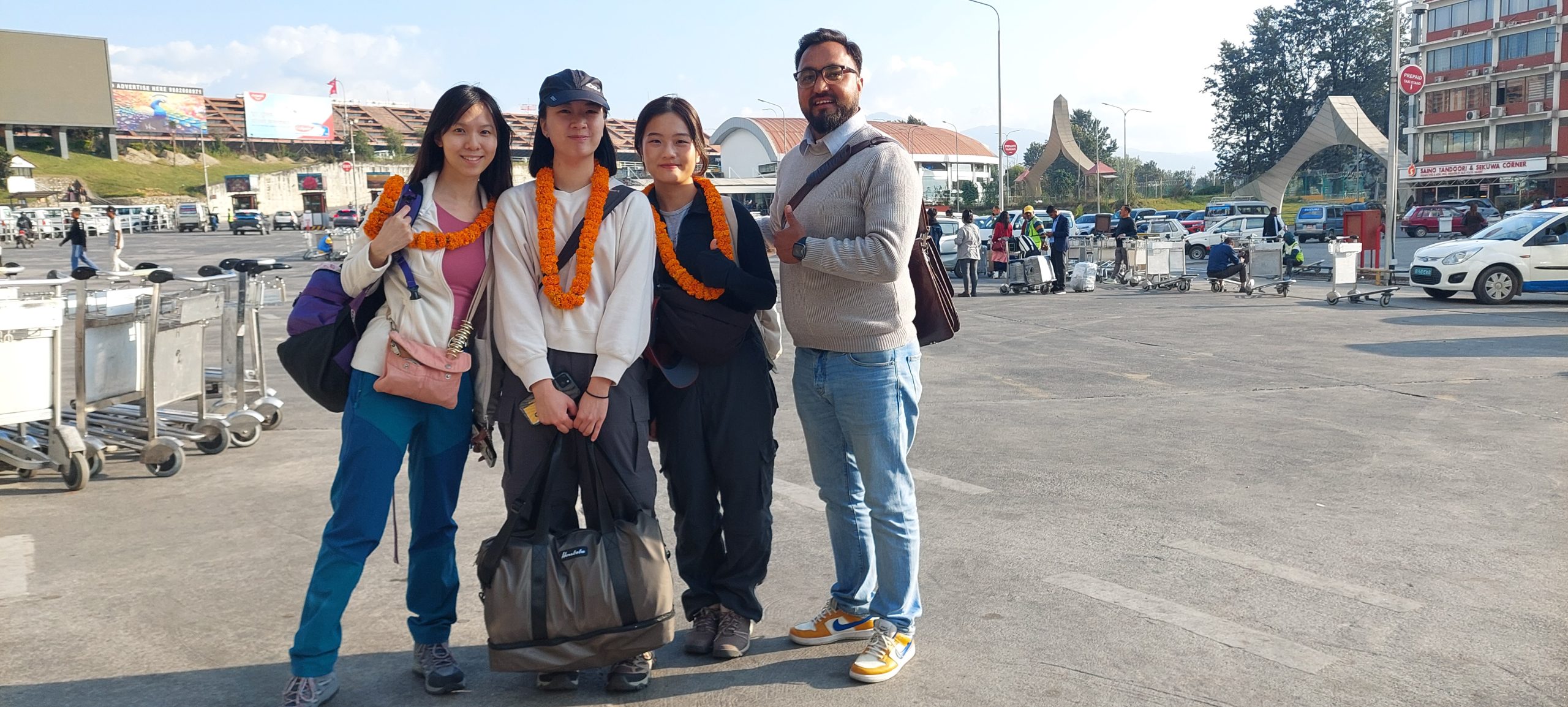
Welcome to Kathmandu, the vibrant cultural heart of Nepal. Upon arrival, meet your trekking guide and transfer to your hotel. Depending on your arrival time, explore the lively streets of Thamel, ancient temples, and colorful local markets.
In the evening, enjoy a trek briefing and final preparation for your Mardi Himal Trek adventure while soaking in the unique atmosphere of the Himalayan capital.

Accommodation : Kathmandu
Drive to Pokhara (950 m)
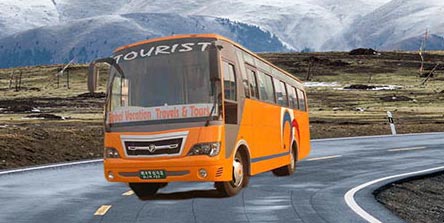
Your journey begins with a tourist bus departure from Sorakhutte at 7:00 AM, heading west toward the beautiful city of Pokhara (950 m). Covering approximately 200 km (124 mi), the drive takes around 6–8 hours through Nepal’s diverse landscapes, following the scenic Prithvi Highway alongside the Trishuli River.
Along the route, the bus makes convenient stops for breakfast, lunch, and restroom breaks, allowing you to relax and enjoy the changing scenery. As you travel through river valleys, terraced farmlands, and traditional settlements, you will pass the junction leading to the historic hill town of Bandipur, renowned for its preserved Newari culture and mountain views. Further west, the route skirts the Chitwan National Park, Nepal’s first national park and a UNESCO World Heritage Site.
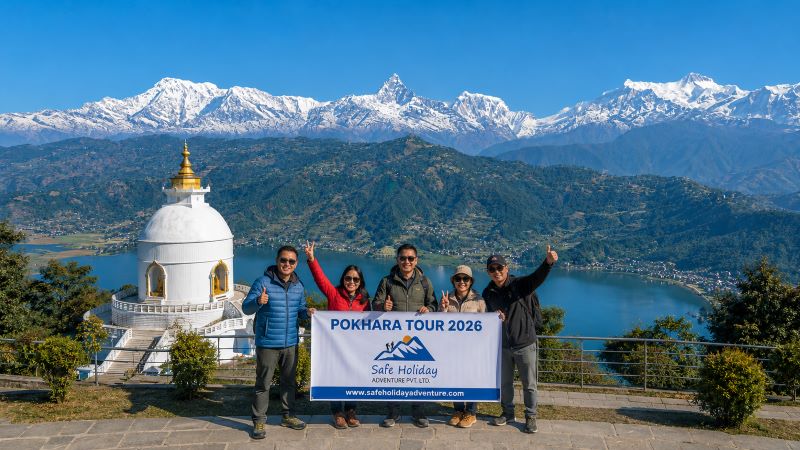
As you approach Pokhara, the landscapes become increasingly dramatic. On clear days, the magnificent Annapurna Range begins to dominate the skyline, including Annapurna South (7,219 m), Machhapuchhre/Fishtail (6,993 m), and Hiunchuli (6,441 m). Upon arrival in Pokhara, enjoy your first close-up views of these snow-capped peaks reflected in the tranquil waters of Phewa Lake, offering a spectacular introduction to the Himalayas.
Accommodation : Hotel
Drive to Kande (1,430 m) – Trek to Rest Camp (2,600 m)
After a short drive to Kande, your trek begins with a steady ascent through beautiful Rhododendron forests and traditional mountain trails. The scenery gradually changes as you gain elevation above the Pokhara Valley.
Stop for lunch near Australian Camp or Forest Camp, where breathtaking views of Machhapuchhre (6,993 m), Annapurna South (7,219 m), and Hiunchuli (6,441 m) accompany your meal.
Continue through peaceful cloud forests draped with moss and orchids before reaching Rest Camp, surrounded by dense Himalayan woodland and occasional glimpses of snow-capped peaks.


Accommodation : Lodge/Guest House Meals : Breakfast, Lunch & Dinner
Rest Camp (2,600 m) to High Camp (3,580 m)
Today is one of the most rewarding days of the trek as you ascend from Rest Camp (2,600 m) to High Camp (3,580 m). The trail gradually climbs through enchanting rhododendron and oak forests, where colorful birds, moss-covered trees, and occasional openings reveal the towering Himalayan peaks ahead. As you gain altitude, the dense forest begins to thin and the landscape transitions into a spectacular alpine environment above the tree line.
A lunch stop is typically enjoyed at Badal Danda or Low Camp, famous for offering some of the finest mountain views on the entire route. From here, enjoy breathtaking panoramas of Machhapuchhre/Fishtail (6,993 m), Annapurna South (7,219 m), Hiunchuli (6,441 m), and the deep Modi Khola Valley stretching far below.
After lunch, continue along a stunning ridge-top trail surrounded by snow-capped peaks and open mountain scenery. The final ascent to High Camp rewards you with uninterrupted Himalayan vistas in every direction. As evening falls, witness a magical sunset over the Annapurna Range, when the mountains are painted in brilliant shades of gold and orange, creating one of the most unforgettable highlights of the entire Mardi Himal Trek.
Accommodation : Lodge/Guest House Meals : Breakfast, Lunch & Dinner
High Camp – Mardi Himal Base Camp (4,500 m) – Low Camp (2,970 m)
Start before dawn for the highlight of the trek. Ascend along a narrow ridge toward Mardi Himal Base Camp as the first rays of sunlight illuminate the Annapurna Sanctuary.
The panoramic views from Base Camp are extraordinary. Stand face-to-face with Machhapuchhre (6,993 m), while Annapurna I (8,091 m), Annapurna South (7,219 m), Hiunchuli (6,441 m), Mardi Himal (5,587 m), Gangapurna (7,455 m), and several surrounding peaks dominate the horizon.
After celebrating at the highest point of the trek, descend back through High Camp for lunch before continuing to Low Camp. The changing landscapes—from alpine ridges to rhododendron forests—provide an unforgettable contrast throughout the day.

Accommodation : Lodge/Guest House Meals : Breakfast, Lunch & Dinner
Trek to Siding Village (1,750 m) – Drive to Pokhara
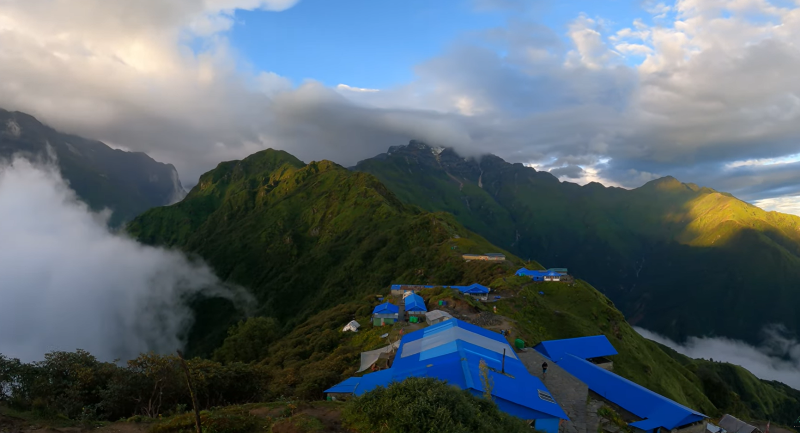
After breakfast at Low Camp (2,970 m), leave the main Mardi Himal ridge trail and begin a scenic descent toward the beautiful Siding Village (1,750 m). The trail winds through dense rhododendron, oak, and bamboo forests, offering a completely different perspective from the high alpine landscapes explored earlier in the trek. As you descend, enjoy the sounds of mountain streams, birdsong, and occasional clearings that reveal magnificent views of Machhapuchhre/Fishtail (6,993 m), Annapurna South (7,219 m), and Hiunchuli (6,441 m) towering above the valley.
Continuing downhill, the forest gradually gives way to traditional Gurung settlements, terraced farmland, grazing livestock, and stone-paved village paths. Unlike the busier trekking routes in the Annapurna region, Siding Village remains peaceful and authentic, providing a genuine glimpse into rural Himalayan life. Upon arrival, enjoy a relaxing lunch in the village surrounded by beautiful mountain scenery and rolling green hills. The warm smiles and hospitality of the local people offer a memorable cultural experience and a perfect conclusion to the trekking portion of the journey.
After lunch, meet your vehicle and begin the scenic drive back to Pokhara (950 m). The road follows picturesque hillsides, traditional villages, terraced fields, and river valleys before reaching the lakeside city. Upon arrival, enjoy a well-deserved rest beside beautiful Phewa Lake, celebrate the successful completion of your Mardi Himal Trek, and reflect on the unforgettable forests, ridges, mountain panoramas, and cultural experiences that made this adventure truly special.

Accommodation : Lodge/Guest House Meals : Breakfast & Lunch
Drive to Kathmandu
Accommodation : Hotel
Important Note:
Every traveler is different, so we offer flexible Mardi Himal Trek itineraries tailored to your time, interests, and budget. With experienced local guides, reliable porters, and authentic Himalayan hospitality at a reasonable cost, let us help you explore the breathtaking beauty of Mardi Himal together.
Mardi Himal Trek- 7 Days FAQs
While there are no strict age restrictions, it is recommended for participants to be in good physical health and consult with a doctor if they have any concerns.
The starting point of the Mardi Himal trek is usually reached by a scenic drive from Pokhara to Kande, followed by a trek to Deurali or Forest Camp.
Yes, there is an option to do a shorter version of the Mardi Himal trek that typically takes around 3 to 4 days, starting and ending at Kande.
Basic medical facilities are available in some villages along the route, but it is advisable to carry a personal first aid kit and any necessary medications.
Trekkers need to obtain the Annapurna Conservation Area Permit (ACAP) and the Trekkers’ Information Management System (TIMS) card.
Yes, hiring porters is an option for those who prefer to have their backpacks carried. It is recommended to hire through a reliable trekking agency.
Camping is possible, but most trekkers opt for teahouse accommodations along the route, as they provide more convenience and a chance to support local communities.
Teahouses and lodges along the route offer a variety of food, including Nepali, Tibetan, and continental dishes. Popular options include dal bhat (rice and lentils), momo (dumplings), and noodle soups.
Yes, alternatives to the Mardi Himal trek include the Khopra Danda trek, Mohare Danda trek, or Annapurna Base Camp trek, each offering unique landscapes and views.
While it is possible to do the trek during the monsoon season (June to August), it is not recommended due to heavy rainfall, slippery trails, and limited mountain views.
Yes, there are several equipment rental shops in Pokhara where you can rent trekking gear such as sleeping bags, down jackets, and trekking poles.
Yes, it is highly recommended to have travel insurance that covers trekking activities, including emergency medical evacuation and trip cancellation.
Yes, you can extend your trek to other destinations such as the Annapurna Base Camp or continue towards the picturesque Ghandruk village.
While mobile network coverage may be limited, some teahouses along the route offer satellite phones or Wi-Fi facilities for a fee.
It is not recommended to drink tap water during the trek. It is safer to drink bottled water or use water purification tablets to ensure safe drinking water.
Essential trekking gear includes sturdy trekking boots, a backpack, a waterproof jacket, warm layers, comfortable trekking pants, a hat, sunglasses, and sunscreen.
Yes, the Mardi Himal trek offers opportunities to spot various bird species such as Himalayan Monal, pheasants, and eagles. Wildlife sightings may include musk deer and Himalayan Thar.
Yes, trekking agencies can customize the Mardi Himal trek itinerary based on your preferences and time constraints.
The average daily trekking distance during the Mardi Himal trek is around 10-15 kilometers (6-9 miles), depending on the itinerary and individual pace.
While previous trekking experience is beneficial, the Mardi Himal trek can be undertaken by individuals with a moderate level of fitness and a determination to complete the trek.
Refund & Cancellation Policy
- Booking requires 20% non-refundable deposit (Nepal) or 100% upfront (Tibet/Bhutan).
- Remaining payment due before the trip or on arrival (trip-dependent).
Cancellation charges:
- 31+ days: 20%
- 16–30 days: 45%
- 8–15 days: 75%
- 7 days or less: 90%
- Prices may change due to flights, taxes, or exchange rates.
- Trip changes are allowed, but extra costs apply.
- If the company cancels, a full refund, except for unavoidable events (some costs deducted).
- Good health and travel insurance are mandatory.
- No refund if removed for unsafe or illegal behavior.
- Travel involves personal risk, which the client accepts.