




Budget/Cheap Everest Base Camp Trek Highlights: Highlights
- Affordable tea house accommodations along the trail
- Scenic flight from Kathmandu to Lukla with Himalayan views.
- Trek through Sherpa villages, forests, and suspension bridges.
- Visit Namche Bazaar and Tengboche Monastery.
- Reach Everest Base Camp and witness majestic peaks.
- Sunrise hike to Kala Patthar for the best Everest views.
- Return to Lukla and fly back to Kathmandu safely.
- Enjoy local food, culture, and adventure without breaking the budget.
Cheap/Budget Everest Base Camp Trek Introduction: Overview
The Cheap/Budget Everest Base Camp Trek is designed for travelers who want to experience the grandeur of the Himalayas without overspending. This 11-day trek from Kathmandu to EBC and Kala Patthar is ideal for students, solo adventurers, families, and world travelers. By organizing affordable accommodation and breakfast, while allowing trekkers to manage lunch and dinner, this trek ensures a complete Everest experience on a budget.
The journey starts in Kathmandu, where you receive a pre-trek briefing, gear check, and overnight stay. The next morning, a scenic flight to Lukla (2,860 m / 9,383 ft) marks the beginning of the trek. From Lukla, the trail leads through Phakding (2,610 m / 8,563 ft), passing rivers, pine forests, and quaint villages—perfect for gradually adjusting to a higher altitude.
As you trek towards Namche Bazaar (3,440 m / 11,286 ft), the hub of the Khumbu region, you’ll enjoy views of Thamserku (6,623 m / 21,722 ft) and Kangtega (6,782 m / 22,251 ft). Namche Bazaar serves as an acclimatization day, where you can hike to Everest View Hotel for your first panoramic glimpse of Mount Everest (8,848 m / 29,029 ft), Lhotse (8,516 m / 27,940 ft), and Ama Dablam (6,812 m / 22,349 ft). It’s also the right time to learn about altitude sickness, its symptoms, like headache, nausea, and shortness of breath, and how to prevent it.
The trek continues through Tengboche (3,860 m / 12,664 ft), famous for its monastery, and Dingboche (4,360 m / 14,308 ft), where another acclimatization day allows easy hikes to nearby ridges. From here, trekkers can also plan outbound adventures, such as Island Peak climbing via Chhukung, for mountaineers seeking higher altitudes and technical experience.
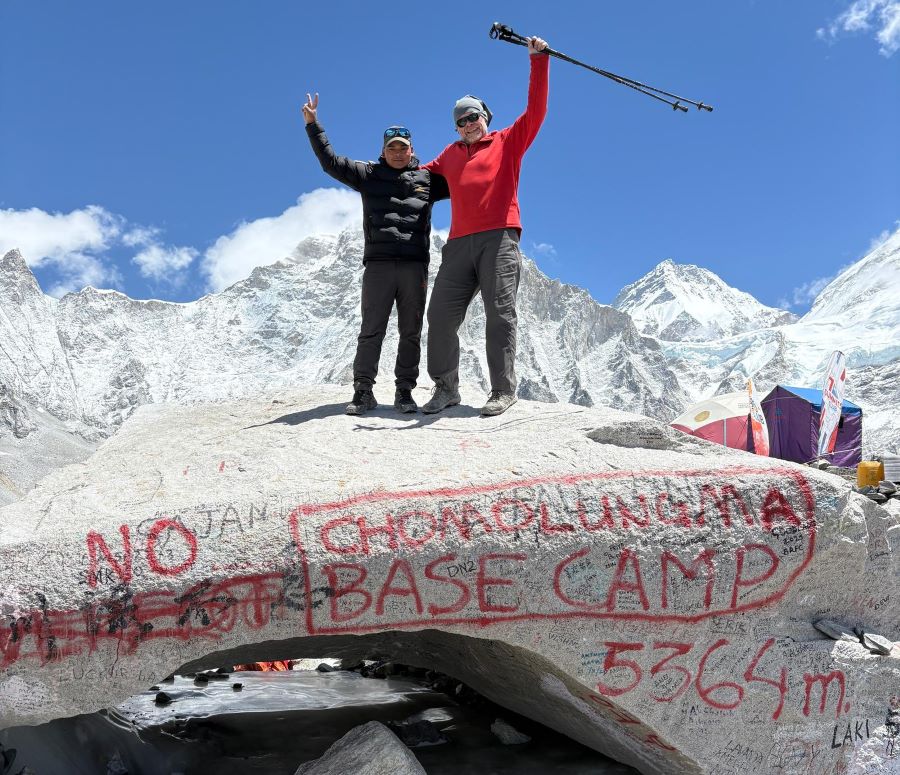
Next, the trail leads to Lobuche (4,940 m / 16,207 ft) and then to Everest Base Camp (5,364 m / 17,598 ft). Trekkers pass the Khumbu Glacier with prayer flags fluttering against the backdrop of Nuptse (7,861 m / 25,791 ft) and Pumori (7,161 m / 23,494 ft). For an unforgettable sunrise, hike to Kala Patthar (5,545 m / 18,192 ft), offering full panoramic views of Everest and surrounding peaks.
For those seeking extended routes, outbound treks like Gokyo Chola Pass from Lobuche provide a spectacular multi-day adventure with turquoise Gokyo Lakes and challenging high passes, ideal for adventurous travelers who want more than EBC.
The trek concludes with a return to Lukla and a flight back to Kathmandu. By managing meals and accommodations carefully, this budget Everest Base Camp trek allows anyone—from students to families—to complete the journey safely, see iconic Himalayan peaks, and enjoy optional side treks while keeping costs low.
Pros and cons for cheap/budget Everest Base Camp trekking in each season
| Season | Pros | Cons | Budget Friendliness |
|---|---|---|---|
| Spring | Best weather, flowers, long days | Crowds, slightly higher prices | Moderate to high |
| Summer | Low-cost, green landscapes | Monsoon rains, landslides, and poor visibility | Low (riskier) |
| Autumn | Clear skies, views, and good weather | Crowds need early booking | Moderate |
| Winter | Cheapest, quiet, clear skies | Extreme cold, limited lodges, flight issues | High (if prepared) |
Accommodation and Food Options
During the 11-day Everest Base Camp trek (EBC), you can find different places to stay and eat, from inexpensive to more comfortable. Teahouses are the most common Accommodation and are typically located along the EBC trekking route. They offer basic Tea House/ Guest House Rooms with a Bed and shared bathroom facilities. Prices range from $5 to USD 10 per night.
Food choices include Nepalese dishes and Western favorites like pasta and pizza. Meal costs vary depending on location and order. It’s advisable to choose vegetarian dishes since meat might not be fresh at higher altitudes. Packing sufficient snacks and Hydration supplements is crucial as these items can be costly along the trekking Route.
Physical Challenges and Acclimatization Requirements
The Cheap/Budget Everest Base Camp Trek is a challenging trek that requires physical fitness and proper acclimatization to the high altitude. Trekkers must be prepared to walk several hours daily, with some steep ascents and descents. Proper acclimatization is essential because the risk of Altitude sickness increases as you ascend.
To prepare for these challenges on a budget, trekkers can engage in regular physical exercises such as Hiking, Running, Swimming, and cycling to build stamina. It is also important to stay hydrated and maintain a healthy diet. Trekkers can save money by packing their own snacks and water bottles rather than purchasing them on the trek. Spending extra nights at higher altitudes helps the body adjust to reduced oxygen levels.
Budget Everest Base Camp Trek Cost
A rough estimate for a Cheap/Budget Everest Base Camp trek is around $1000-$1500 per person. This includes permits, transportation to and from Lukla (2860m), accommodation in Guesthouses or Teahouses, meals, and the services of a Guide or Porter.
Keep in mind that this is an approximate estimate. The actual cost may vary depending on the itinerary and services. Always check with the Travel/Trekking Agency you are going to trek with. Budget for unexpected weather, injuries, illness, and other unforeseen expenses.
How to Recognize, Prevent, and Treat Altitude Mountain Sickness (AMS)
Altitude sickness is a serious concern during the Lukla to Everest Base Camp Budget trek. High altitudes can cause severe health problems. Recognize symptoms such as Headaches, Nausea, and shortness of breath. Take precautions like acclimatization and hydration. Be aware of recommended ascent rates and plan your itinerary accordingly. If symptoms worsen, descend immediately. Many tea houses and trekking agencies provide medication and oxygen for emergencies. It is also wise to consult a doctor before the trek to ensure you are fit.
What to Expect on the Budget Everest Base Camp Trek
- Affordable Cost: Includes Permits, Guide, Porter, Accommodation, and Meals.
- Basic Accommodation: Stay in simple Teahouses with shared Bathrooms.
- Simple Meals: Basic meals like Rice, Dal, Noodles, and Potatoes.
- Flights to Lukla: Lukla flight is an additional cost, with possible delays.
- Daily Trekking Routine: 5-7 hours of trekking each day.
- Acclimatization: Rest days in Namche Bazaar and Dingboche.
- Guide and Porter: A guide helps with navigation; a porter carries luggage.
- Crowded Trails: Expect to encounter more trekkers, especially during peak seasons.
- Stunning Views: Beautiful views of Everest and the surrounding Peaks.
- Cold Weather: Be prepared for cold temperatures, especially above 4,000 meters.
- Budget Travel Compromises: Less luxury, fewer frills, and limited amenities.
- Safety and Support: The Guide ensures safety and proper acclimatization.
Flight Delays and Cancellations at Lukla
The flight to Lukla can be unpredictable due to mountain weather and the airport’s Location at the base of the Massif Mountain. There is always a possibility of flight delays or cancellations when doing a trek in the Everest region, such as the EBC Trek, Gokyo Trek, Chola Pass, or Everest High Pass Trek.
To avoid inconvenience, plan a few extra days in Kathmandu in case of flight delays or cancellations. In case of cancellation, we will arrange alternatives like a city tour or a Helicopter ride.
We will also help re-book your flight tickets and assist in getting refunds if applicable. The cost for a helicopter ride from and to Lukla ranges from 2500 USD to 3000 USD and can accommodate 4-5 people.
OutlineOutline Itinerary
Day 01: Fly from Kathmandu to Lukla (2,840 m / 9,317 ft) and trek to Phakding (2,610 m / 8,563 ft).
Day 02: Trek from Phakding to Namche Bazaar (3,440 m / 11,286 ft), the main trading hub of the Khumbu region.
Day 03: Acclimatization day at Namche Bazaar (3,440 m / 11,286 ft) with short hikes to nearby viewpoints.
Day 04: Trek from Namche Bazaar to Tengboche (3,860 m / 12,664 ft), home to the famous Tengboche Monastery.
Day 05: Trek from Tengboche to Dingboche (4,410 m / 14,468 ft) through alpine landscapes.
Day 06: Acclimatization day in Dingboche (4,410 m / 14,468 ft) to adapt to increasing altitude.
Day 07: Trek from Dingboche to Lobuche (4,910 m / 16,109 ft), passing memorials for climbers.
Day 08: Trek from Lobuche to Gorak Shep (5,140 m / 16,864 ft) and hike to Everest Base Camp (5,364 m / 17,598 ft).
Day 09: Early morning hike to Kala Patthar (5,545 m / 18,192 ft) for sunrise views, then return to Gorak Shep, than Decent to Somare/Pangboche.
Day 10: Trek from Somare/Pangboche to Namche Bazaar (3,440 m / 11,286 ft).
Day 11: Trek from Namche Bazaar to Lukla (2,840 m / 9,317 ft).
Day 12: Fly from Lukla back to Kathmandu (1,400 m / 4,593 ft).
Whats Included?
- Private transportation for all airport and hotel transfers (Car, Van, or Bus, as per group size)
- Daily breakfast and accommodation during the trek
- All necessary trekking permits, including the Everest National Park Entry Permit and Lukla local entrance fees
- Comfortable teahouse lodging throughout the trek in the Everest region
- Services of a highly experienced, government-licensed Everest Base Camp (EBC) trekking guide
- Full support for the guide, including salary, meals, accommodation, transportation, and local taxes
- Complete coordination and management of any required rescue operations during the trek
- Round-trip domestic flight tickets between Kathmandu and Lukla
- Nepal entry visa fees
- Travel insurance (mandatory for all participants)
- Personal expenses, including beverages, snacks, laundry, phone calls, and similar items
- Gratuities for guides, porters, and staff
- Any costs arising from unforeseen circumstances, such as emergency evacuations
- Lunch and dinner during the trekking period
- Any services not specifically listed under the “Included Services”
Dates and Availability Departures
All our published dates are guaranteed departures. We also provide customized departures tailored to your travel plans.
There are no group joining dates available at the moment. Please contact us for a private trip.
Travellers Reviews

Andrea
Australia | Dec 2025
EBC – CHO LA PASS TREK Great Hike

Ruhan
South Africa | Dec 2025 •
Top-Rated Trekking Experience with Safe Holidays Adventure
Everything went according to plan
From the airport to hike
Mauro C
Australia | Dec 2025
Great service by Safe Holiday Adventure Team!
Mr Santosh followed us along the trek and also helped give medical assistance when needed.
Great service and experience!
Olivia Smith
USA | March 2024
Our EBC trek wonderful memory !!!
My friends and I visited Nepal in March 2024 to trek to Everest Base Camp and Kala Patthar. We booked our adventure through Safe Holiday Adventure, and the experience exceeded all our expectations. From the very beginning, the team was highly responsive and organized, arranging everything seamlessly.
Our trek lasted a total of 12 days from Kathmandu, with 8 days ascending and 3 days descending to Lukla. The weather was ideal, and the trail offered breathtaking Himalayan views at every turn. We were accompanied by an excellent guide, Muskan, and a strong, reliable porter, Prem, both of whom ensured our safety and comfort throughout the journey.
Along the way, we met many friendly fellow trekkers and locals, enriching the cultural experience. Every detail of the trek was handled professionally, making it not only a thrilling adventure but also a smooth and enjoyable journey. This remains the best trek we’ve ever done, and we are extremely grateful to the entire Safe Holiday Adventure team for making it so memorable.
Highly recommended for anyone looking to experience the Everest Base Camp trek with expert guidance and excellent support.


Jackson Romio
England | 2025-08-12
Everest Base Camp Made Perfect – Thanks Safe Holiday Adventure
My Everest Base Camp trek with Safe Holiday Adventure, led by Santosh, was an unforgettable 12-day journey through the Himalayas. Santosh’s expertise and passion for the region were evident, ensuring a seamless and safe experience. His meticulous planning and in-depth knowledge of the trail enriched the trek. The local support staff, including our helpful porter, made the challenging trek enjoyable. The tea house accommodations surpassed expectations, providing comfort and warmth after each day’s adventure. Santosh’s dedication to customer satisfaction and the overall success of the trek truly set Safe Holiday Adventure apart. I highly recommend Santosh and his team for an enriching and well-organized trekking experience in the awe-inspiring Everest region.
The equipment and gear that can be rented or bought for a budget-friendly Everest Base Camp trek.Infos
Here are some equipment and gear options that can be rented or bought for a budget-friendly Everest Base Camp trek:
- Trekking Boots: A good pair of trekking boots is essential for the trek. Renting or buying second-hand boots can be a cost-effective option.
- Down Jacket: A warm down jacket is necessary for the cold temperatures at high altitudes. Some trekking companies offer rentals for these jackets, or you can look for second-hand options.
- Sleeping Bag: A good quality sleeping bag is important for staying warm at night. Renting a sleeping bag is a cost-effective option, or you can look for a second-hand one.
- Backpack: A sturdy backpack with a capacity of at least 50 liters is needed to carry all the essential items. A second-hand backpack can be a cheaper option.
- Trekking Poles: Trekking poles can help reduce the pressure on your knees during the descent. Some trekking companies offer rentals, or you can purchase second-hand poles.
- Headlamp: A headlamp is essential for navigating in the dark and early morning starts. You can purchase a budget-friendly headlamp online or in outdoor gear stores.
- Water Purification System: A water purification system is necessary to ensure safe drinking water during the trek. Portable water filters or iodine tablets can be a cheaper option than purchasing bottled water.
Hiring a porter and or guide for a budget-friendly Everest Base Camp trek
Hiring a porter and/or a guide for the Everest Base Camp trek can be a great option for those on a budget. A porter can carry a heavy backpack and gear, which can make the trek less physically demanding. A guide can help navigate the trail, ensure proper acclimatization, and provide valuable insights into the local culture and history. Additionally, a guide can help negotiate better prices for accommodation and food. Overall, hiring a porter and/or a guide can enhance the trekking experience by providing support and assistance along the way, making the trek more enjoyable and memorable. It is important to research and choose a reputable company for hiring porters and guides.
Independent trekking vs. guided trekking to Everest Base Camp
When planning an Everest Base Camp trek, one must consider whether to trek independently or hire a guide. Independent trekking allows for flexibility, cost savings, and the freedom to explore at your own pace. However, it requires more planning and research, and there are safety concerns, especially for first-time trekkers. On the other hand, hiring a guide provides a sense of security, access to local knowledge, and assistance with logistics such as accommodation and meals. It also supports the local economy. However, it can be more expensive, and some trekkers may
Why Cheap/Budget Everest base camp trekking?
There are several reasons why a budget or cheap Everest Base Camp trek might be an attractive option for hikers.
First, it allows hikers to experience the beauty of the Himalayas and the culture of the Sherpa people without breaking the bank. The trek to Everest Base Camp is a once-in-a-lifetime opportunity, and a budget-friendly option makes it more accessible for a wider range of people.
Second, a budget trek allows hikers to have more control over their expenses and to plan their trips according to their budget constraints. By choosing cheaper accommodation options, hiring a guide or porter at a lower cost, or going on a group trek with a budget-friendly trekking company, hikers can save money on the trek.
Third, going on a budget trek during the shoulder season (December-February) can also save money on accommodation and flights. This can also be an advantage as the trek will be less crowded, and the views of the mountains are more likely to be clear.
Finally, for some people, budget trekking is an opportunity to challenge themselves and see if they can complete the trek while keeping expenses low. It can be a great way to test their resourcefulness and gain a sense of accomplishment.
Restaurants and dining options during the Everest Base Camp trek
During the Everest Base Camp trek, trekkers can find various dining options, ranging from basic tea houses to high-end restaurants. Most tea houses offer a set menu with traditional Nepali dishes such as dal bhat (rice, lentils, and vegetable curry), momos (dumplings), and noodles. Some tea houses also offer Western-style meals and snacks. As trekkers ascend higher, the food options become more limited and expensive due to the difficult transportation. It is essential to maintain a healthy diet during the trek, as it can significantly impact your energy levels and acclimatization to the altitude.
Photography tips for the Everest Base Camp trek
Here are some photography tips for the Everest Base Camp trek:
- Bring a good-quality camera with a sturdy tripod, extra batteries, and memory cards.
- Capture the stunning landscapes and vistas at different times of the day, including sunrise and sunset.
- Use a polarizing filter to reduce glare and enhance the colors of the landscape.
- Include people and their unique lifestyles to showcase the local culture.
- Pay attention to the details such as prayer flags, stupas, and monasteries.
- Experiment with different angles and perspectives to create more dynamic shots.
- Take advantage of the varying weather conditions to capture different moods and atmospheres.
- Be respectful of local customs and avoid taking photos without permission.
- Keep your camera equipment dry and safe from the elements.
- Finally, enjoy the experience and capture the memories that will last a lifetime!
13 Days Everest Base Camp Budget Trek Package Information
The 13-day Everest Base Camp budget trek is a popular option for those seeking a more affordable trekking experience in the Everest region. The package includes 12 nights’ accommodation in tea houses along the trekking route, three meals per day, and the necessary permits and documents. The trek covers a total distance of approximately 130 kilometers, with an average of 6-7 hours of walking per day. The highest point of the trek is Kalapatthar, which stands at an altitude of 5,545 meters. The best time to embark on this trek is from March to May and from September to November. The cost for this package ranges from $1000 to USD 1500, depending on the trekking agency and services included.
11N/12D Everest Base Camp Budget Trek package information
The 11-day Everest Base Camp budget trek is a shorter but equally popular alternative to the standard 13-day trek. The package includes 10 nights’ accommodation in tea houses, three meals per day, and all necessary permits and documents. The trek covers a total distance of approximately 130 kilometers with an average of 6-7 hours of walking per day. The highest point of the trek is also Kalapatthar, standing at an altitude of 5,545 meters. The best time to embark on this trek is from March to May and from September to November. The cost for this package ranges from $800 to USD 1200, depending on the trekking agency and services included.
Everest base camp trek 10 days without acclimatization days
Trekking to Everest Base Camp in just 10 days without acclimatization days can be dangerous and is not recommended. The trek covers a total distance of approximately 130 kilometers, with an average of 6-7 hours of walking per day. However, with the altitude increasing rapidly, it is crucial to allow sufficient time for the body to acclimatize to prevent altitude sickness. Skipping acclimatization days can result in serious health risks and may even be life-threatening. It is highly recommended to follow a standard itinerary that includes acclimatization days to ensure a safe and enjoyable trekking experience.
Gokyo Valley trek, then trek to Everest base camp via Chola pass
The Gokyo Valley trek to Everest Base Camp via Chola Pass is a popular alternative trek to the classic Everest Base Camp trek. The trek covers approximately 140 kilometers and takes around 18 days to complete. The trek includes hiking to Gokyo Valley, passing through the Chola Pass (5,420 meters), and reaching the Everest Base Camp (5,364 meters). Along the way, trekkers will witness stunning landscapes, including glacial lakes, icy glaciers, and mountain ranges. This trek requires excellent physical fitness, experience in high-altitude trekking, and proper acclimatization. The best time to embark on this trek is from March to May and from September to November.
What are the trails from Gorakshep to Kalapathar and Everest Base Camp like?
The trails from Gorakshep to Kalapathar and Everest Base Camp are challenging but rewarding. The hike to Kalapathar is steep and takes about 2-3 hours, offering amazing views of Mount Everest. The trail to Everest Base Camp is rocky and can be tough, but it takes around 2-3 hours. Both trails offer stunning mountain scenery and a great trekking experience.
Tips for trekking to Everest base camp: Trek
Prepare well: Trekking to Everest Base Camp and Kalapathar requires good physical fitness and stamina. Train and prepare well in advance to build your strength and endurance.
- Stay hydrated: Drink plenty of water to keep yourself hydrated and avoid altitude sickness.
- Dress in layers: The temperature and weather can change rapidly, so dress in layers to adjust to the changing conditions.
- Bring appropriate gear: Good quality trekking gear and equipment are essential for a comfortable and safe trek.
- Take rest days: It is important to take acclimatization and rest days to allow your body to adjust to the altitude and avoid altitude sickness.
- Respect the environment: The region is ecologically fragile, so it is important to respect the environment and practice responsible tourism.
- Hire a guide or porter: Hiring a guide or porter can enhance your trekking experience and make it easier to navigate the challenging terrain.
- Start early: Starting early in the morning allows you to avoid crowds, get the best views, and reach your destination before dark.
- Stay positive: Trekking to Everest Base Camp and Kalapathar can be challenging, but stay positive, focus on your goals, and enjoy the journey.
- Be flexible: Weather conditions and other factors can change quickly, so be prepared to adjust your plans and itinerary accordingly.
Everest Base Camp Trek for student groups: is it affordable?
The cost of an Everest Base Camp trek can vary depending on several factors, including the time of year, the length of the trek, and whether you choose to go independently or with a guide. However, there are budget-friendly options available for student groups. It’s recommended to research and compare different trekking companies, as some may offer discounts for larger groups or students. Additionally, opting for a longer trek duration with gradual acclimatization may help reduce the risk of altitude sickness and make the trek more enjoyable. With proper planning and budgeting, an Everest Base Camp trek can be an affordable and unforgettable experience for a student group.
Everest Base Camp trek from Gokyo Valley
Trekking from Gokyo Valley to Everest Base Camp is a popular variation of the classic EBC trek in Nepal. This route takes trekkers over the Cho La Pass and past the stunning Gokyo Lakes. It typically takes 12-15 days to complete the round trip, with challenging but rewarding hiking through Sherpa villages and up to the base camp of the world’s tallest mountain. Along the way, trekkers can expect impressive mountain views, including the famous Khumbu Icefall, and a tangible sense of adventure and accomplishment.
Detailed ItineraryItinerary
Arrival in Kathmandu (1,350 m)
Welcome to Nepal! Once you arrive at Tribhuvan International Airport, a representative from Safe Holiday Adventure will greet you at the arrival gate holding a placard with your name. After visa formalities, you will be transferred to your hotel in Thamel (about a 30-minute drive). In the evening, we’ll meet you for a pre-trek briefing where your guide will explain the plan, check your gear, and answer any questions. You can enjoy your first night in the bustling streets of Kathmandu with traditional food and local culture.
Accommodation : Hotel in Kathmandu
Fly to Lukla (2,840 m) and trek to Phakding (2,660 m)
After an early breakfast at your hotel, you’ll be transferred to the domestic airport for a scenic flight to Lukla, the gateway to Everest. This thrilling flight offers breathtaking views of the Himalayan range. At Lukla, after a short break and breakfast, we begin our trek. The first part of the trail is a gentle descent through pine forests, prayer walls, and small Sherpa settlements. You’ll cross several suspension bridges over the Dudh Koshi River. After walking through Ghat village, we reach Phakding, a charming village by the riverside. Enjoy a hot dinner and rest at a cozy teahouse.
Accommodation : Teahouse
Trek to Namche Bazaar (3,450 m)
Today, we start our trek after breakfast. The trail follows the riverbank, gradually ascending through rhododendron forests and traditional villages like Tok Tok, Benkar, and Monjo. We then enter Sagarmatha National Park, where your permits will be checked. After lunch at Jorsalle, the trail descends to the river and then begins a steep climb through pine forests and across high bridges. After about 2 hours of uphill walking, we reach the vibrant town of Namche Bazaar, the main trading hub of the Khumbu region. You’ll enjoy your first clear view of Mt. Everest just before Namche. Evening is free to relax or explore.
Accommodation : Teahouse
Acclimatization Day in Namche (Optional Hike to Everest View Hotel)
Acclimatization is key for a safe trek, so today we rest at Namche to adapt to the altitude. After breakfast, we hike to the Everest View Hotel, offering one of the best panoramic views of Mt. Everest, Lhotse, Ama Dablam, and Thamserku. On the way back, we visit the Sagarmatha National Park Museum, the Sherpa Culture Museum, and the local monastery. Enjoy lunch in town and take time to explore the lively local markets or have coffee with a view. Evening at leisure in Namche.
Accommodation : Teahouse
Trek to Tengboche (3,880 m)
We begin with a scenic, fairly flat walk with amazing views of Everest and Ama Dablam. After crossing the Dudh Koshi River at Phunki Tenga, we climb steadily through pine and rhododendron forests. The uphill section lasts about 2 hours before we reach Tengboche, famous for its large monastery. You’ll have time to attend a prayer ceremony if you wish. The views of Ama Dablam from here are unforgettable. Dinner and overnight stay at a teahouse.
Accommodation : Teahouse
Trek to Dingboche (4,360 m)
After breakfast with beautiful views of Mt. Everest, we walk down through forest paths to Debuche. We cross a wooden bridge and then slowly climb up to Pangboche, the highest village in the area. The trail goes on through open mountain land, with no more trees. We stop for lunch at Shomare before the last walk to Dingboche. This village is in a wide valley below Ama Dablam and Island Peak. You will see stone walls around barley and potato fields. The evenings are cold here, so enjoy warm food and rest well.
Accommodation : Teahouse
Acclimatization Day in Dingboche
A second rest day to help your body adjust to the altitude. After breakfast, we recommend a short but steep hike to Nangkartshang Peak, which offers dramatic views of Makalu, Ama Dablam, and the Pheriche Valley. Return to Dingboche for lunch. Spend the afternoon relaxing, exploring the village, or enjoying conversations with fellow trekkers. Hydration and rest are key for the coming high-altitude days.
Accommodation : Teahouse
Trek to Lobuche (4,940 m)
Today’s trail gradually climbs through alpine meadows and pastures. After about 2 hours, we stop at Dughla for lunch. Then comes a steep ascent to the Thukla Pass, home to memorials for climbers who died on Everest. The path continues along the Khumbu Glacier’s lateral moraine with fantastic mountain views. Lobuche is a small, chilly settlement nestled beneath large snow-covered peaks. Rest well at your teahouse.
Accommodation : Teahouse
Trek to Gorakshep (5,180 m), visit Everest Base Camp (5,364 m)
Start early and trek to Gorakshep, the last village before Everest Base Camp. The trail follows glacial ridges and rocky paths, requiring careful steps. After reaching Gorakshep and a short rest, we leave our bags and walk to Everest Base Camp, walking along the edge of the Khumbu Glacier. Take time for photos, enjoy the feeling of being at the foot of the world’s highest peak, then return to Gorakshep. It’s a big day—rest and warm food await.
Accommodation : Teahouse
Hike to Kala Patthar (5,545 m), then trek to Pheriche (4,245 m)
A very early start is required for the steep climb to Kala Patthar, where we witness the most iconic sunrise view of Mt. Everest, Nuptse, and the entire Khumbu range. After spending time at the viewpoint, we descend to Gorakshep for breakfast. Then we begin our return journey to Pheriche, passing through rocky trails and alpine meadows. It’s easier going downhill, and the oxygen feels richer. Rest overnight in Pheriche.
Accommodation : Teahouse
Trek to Namche Bazaar (3,450 m)
Retrace your steps down through Pangboche and Debuche, with views that feel new in reverse. After a lunch stop near Tengboche, we descend steeply through forests and cross several suspension bridges to reach Namche. Celebrate with some fresh coffee or baked goods in this lively Sherpa town. Overnight in Namche.
Accommodation : Teahouse
Trek to Lukla (2,840 m)
This is the final trekking day. The trail is long but mostly downhill. You’ll pass through Monjo and Phakding before climbing the final stretch to Lukla. It’s a day of reflection, laughter, and farewells to the trail. You’ll share a final dinner with your guide and porter. Overnight in Lukla.
Accommodation : Hotel
Fly to Kathmandu (1,350 m)
Take an early flight back to Kathmandu, with one last look at the snow-capped peaks from above. After hotel check-in, the rest of the day is free for rest or exploring Thamel. Optional: Treat yourself to a massage or souvenir shopping.
Accommodation : Hotel
Final Departure
Depending on your flight time, our team will transfer you to Tribhuvan International Airport for your journey home. You leave Nepal with lifelong memories, breathtaking images, and the pride of having reached Everest Base Camp!
Cheap/Budget Everest Base Camp Trek-11 Day FAQs
The cost of a cheap/budget Everest Base Camp trek can vary depending on factors such as the time of year, group size, and the services included in the package. Generally, a budget trek can cost between $800 to $1,200 per person.
The trek from Lukla to Everest Base Camp and back typically takes around 12-14 days.
The best time to go on a cheap/budget Everest Base Camp trek is during the shoulder seasons of September-November and March-May. These months have the best weather and fewer crowds.
The Everest Base Camp Trek is considered a moderate to moderately challenging trek.
While no technical climbing skills are required, trekkers must walk 5–7 hours per day for several days at high altitude, with gradual ascents and descents. The main challenge is altitude, as the trek reaches 5,364 meters (17,598 ft) at Everest Base Camp. Proper acclimatization days make the trek achievable for anyone with good fitness, determination, and preparation. Prior hiking experience is helpful but not mandatory, making it suitable for first-time high-altitude trekkers with adequate training.
Guide and porter salaries can vary depending on the trekking agency, the guide’s experience and qualifications, and other factors. On a cheap/budget Everest Base Camp trek, the salary for a guide and porter will typically be included in the cost of the trek package.
During a cheap/budget Everest Base Camp trek, you will typically be provided with simple meals such as dal bhat (lentil soup and rice), various types of noodles, porridge, and some local dishes.
Tipping is not mandatory; however, it is common practice to tip the guide and porter if you’re satisfied with their service. A typical tip is around 10-15% of the total cost of the trek.
The porter will carry your duffel bag and other trekking gear, while you will be responsible for carrying your daypack.
The power supply is limited in the mountains, and charging facilities may not be available in all teahouses. It is recommended to bring a portable power bank to charge your devices during the trek.
On a cheap/budget Everest Base Camp trek, you will typically stay in teahouses or lodges along the trail. These are basic accommodations with shared bathrooms and simple meals.
Refund & Cancellation Policy
- Booking requires 20% non-refundable deposit (Nepal) or 100% upfront (Tibet/Bhutan).
- Remaining payment due before the trip or on arrival (trip-dependent).
Cancellation charges:
- 31+ days: 20%
- 16–30 days: 45%
- 8–15 days: 75%
- 7 days or less: 90%
- Prices may change due to flights, taxes, or exchange rates.
- Trip changes are allowed, but extra costs apply.
- If the company cancels, a full refund, except for unavoidable events (some costs deducted).
- Good health and travel insurance are mandatory.
- No refund if removed for unsafe or illegal behavior.
- Travel involves personal risk, which the client accepts.


