
25 Mar 2026 10 min to read
Nepal, the land of the Himalayas, is a dream destination for trekkers around the globe. Among its legendary trekking routes, Everest Base Camp (EBC) and Annapurna Base Camp (ABC) treks are two of the most sought-after. Both treks offer breathtaking landscapes, unique cultural experiences, and a sense of personal achievement. But they differ significantly in difficulty, scenery, and overall trekking experience. This guide will give you a detailed comparison to help you make an informed choice.
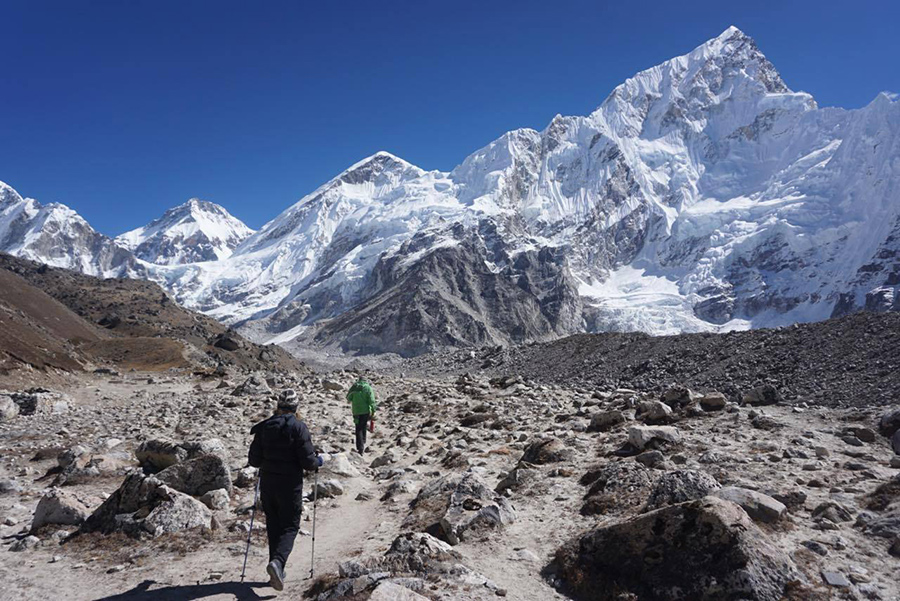
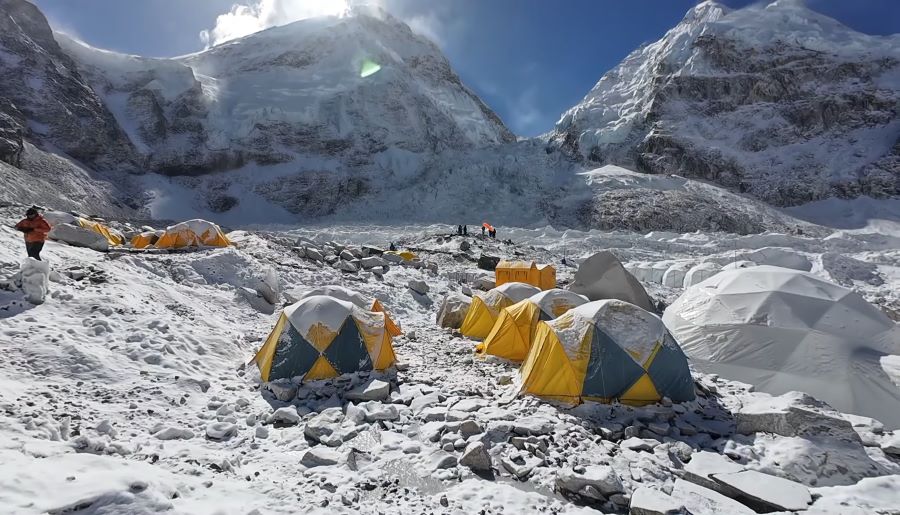
The Everest Base Camp (EBC) Trek is one of the most iconic trekking experiences in the world, drawing adventurers to the heart of the Himalayas. It allows trekkers to witness the majestic peaks of the Khumbu region, including the world’s highest mountain, Mount Everest (8,848m). The trek combines natural beauty, Sherpa culture, and a sense of achievement as you reach the base of the tallest mountain on Earth. Unlike climbing Everest itself, this trek does not require mountaineering experience, making it accessible to fit and enthusiastic hikers.
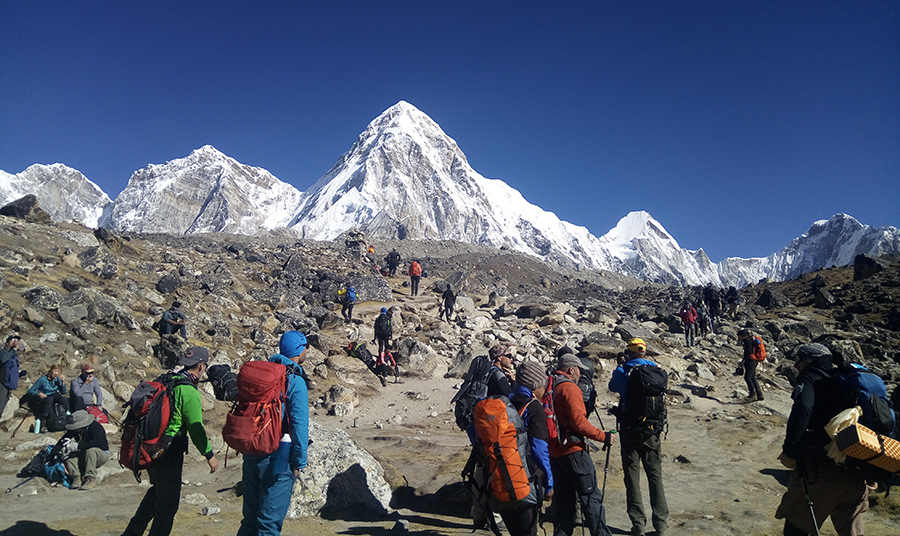
Most EBC treks start from Lukla, which is reached by a scenic but thrilling flight from Kathmandu. The journey from Lukla to Everest Base Camp typically takes 12–14 days, depending on acclimatization stops. Trekkers pass through picturesque villages like Namche Bazaar, Tengboche, and Dingboche, each offering a glimpse into Sherpa life and traditional Himalayan culture. The route is a mix of uphill trails, suspension bridges, dense forests, and open valleys. Daily trekking distances usually range from 5 to 12 kilometers, making it manageable for most reasonably fit travelers.
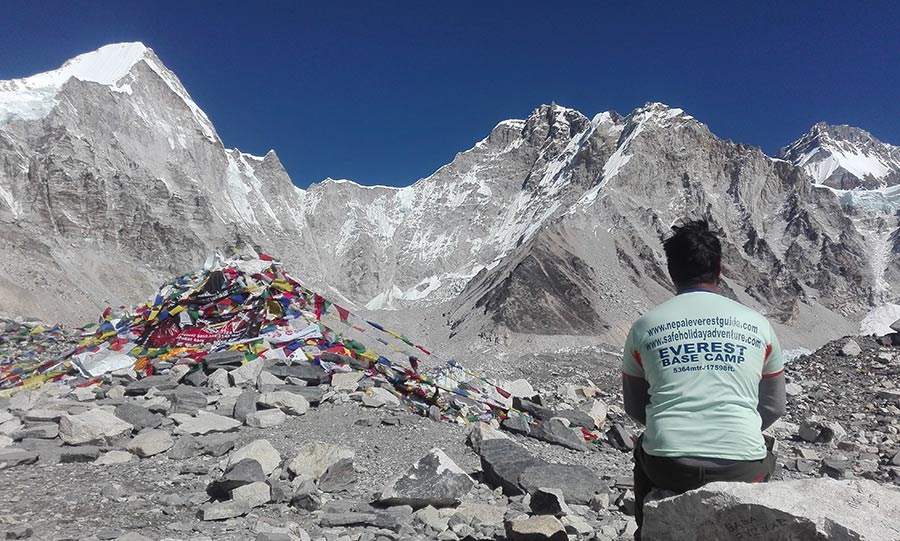
Altitude plays a crucial role in the EBC trek. Trekkers gradually ascend to reduce the risk of Acute Mountain Sickness (AMS). Key acclimatization days are usually spent in Namche Bazaar (3,440m) and Dingboche (4,410m) to help the body adjust. Everest Base Camp itself sits at 5,364 meters, while nearby Kala Patthar (5,545m) offers the best panoramic views of Everest, Lhotse, Nuptse, and Ama Dablam. Proper acclimatization, hydration, and a slow trekking pace are essential for a safe and enjoyable journey.
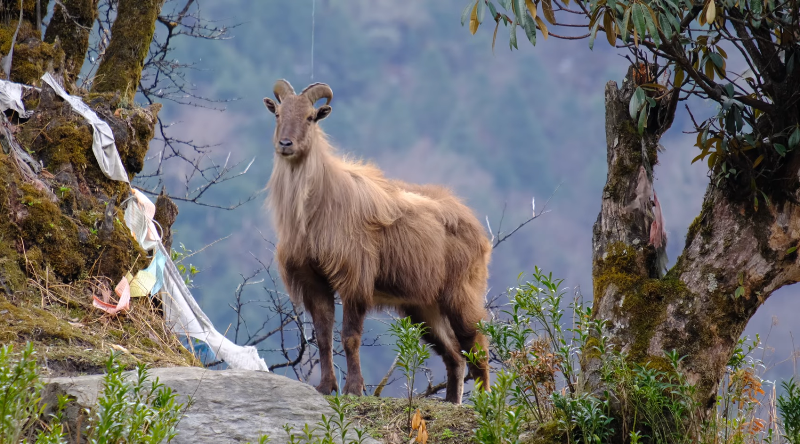
The trek is as much a cultural experience as a natural one. Trekkers encounter Buddhist monasteries, mani walls, and prayer flags fluttering against the backdrop of snowy peaks. Villages are dotted with tea houses that provide basic accommodations, local meals, and warm hospitality. Wildlife like Himalayan tahrs, snowcocks, and various birds can be spotted along the trails. Seasonal wildflowers, glacial rivers, and the dramatic Khumbu Glacier near EBC add to the trek’s visual appeal.
Preparing for Everest Base Camp Trek requires both physical and logistical planning. Trekkers should focus on cardiovascular fitness, leg strength, and endurance. Essential gear includes sturdy trekking boots, warm clothing layers, sleeping bags, trekking poles, and a good daypack. Hiring an experienced guide and porter can enhance the experience, offering safety, local knowledge, and logistical support. While tea houses provide meals, carrying high-energy snacks and water purification options is recommended.
Everest Base Camp Trek is more than just a journey—it is a transformative experience. Standing at the foot of the world’s highest peak, surrounded by towering Himalayan giants, gives a sense of accomplishment and awe that few other treks can match. The blend of natural beauty, high-altitude adventure, and Sherpa culture makes it a bucket-list experience for trekkers from all over the globe.
The EBC trek is not just about reaching the base camp. It is an immersive journey through Sherpa culture, Buddhist monasteries, and high-altitude landscapes dotted with glaciers, pine forests, and rhododendron valleys. One of the most iconic sights is Kala Patthar, offering panoramic views of Everest, Lhotse, Nuptse, and Ama Dablam.

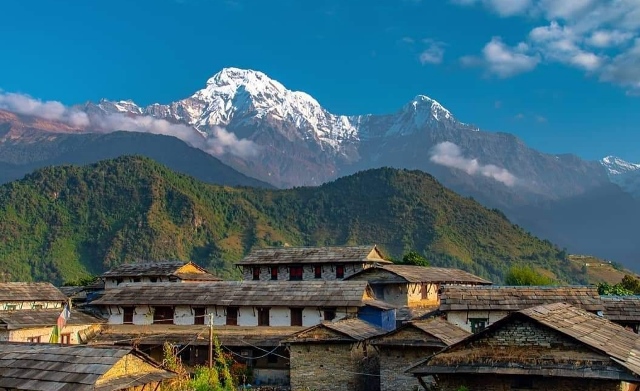
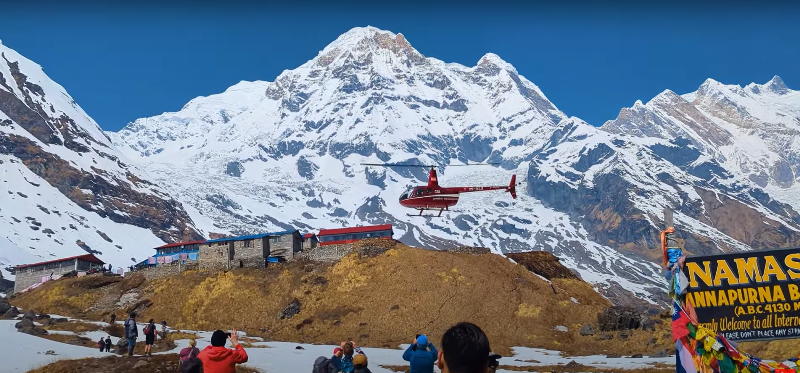
The Annapurna Base Camp (ABC) Trek is one of Nepal’s most popular and rewarding trekking experiences, offering stunning views of the Annapurna range and a chance to immerse in Himalayan culture. The trek begins from Pokhara and passes through charming villages, terraced fields, and lush rhododendron forests, making the journey as scenic as the destination itself. Trekkers often stop in villages like Ghandruk, Chhomrong, and Dovan, where traditional tea houses provide warm meals and a taste of local life.
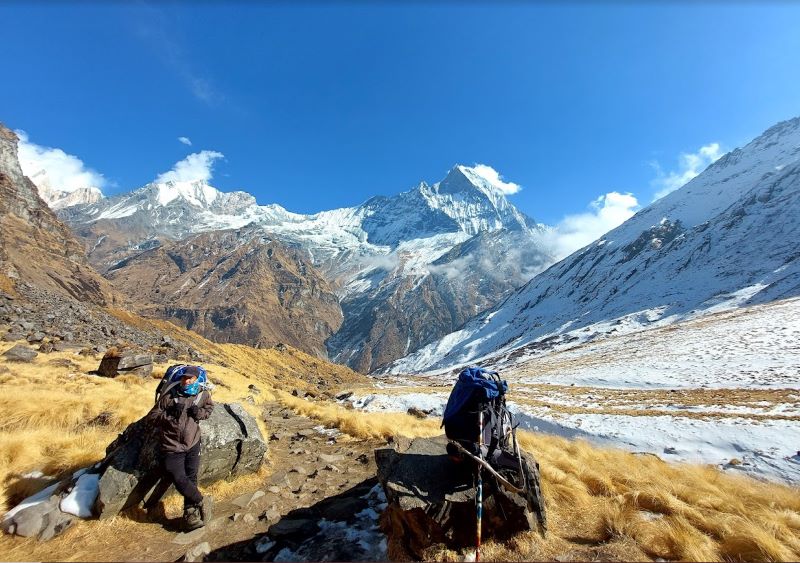
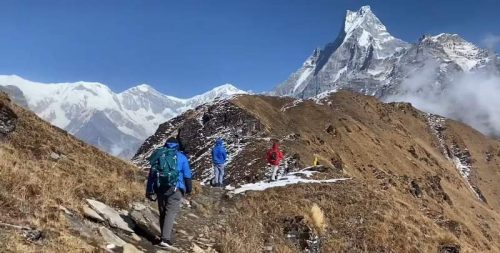
Reaching the base camp at 4,130 meters, travelers are greeted by breathtaking panoramic views of peaks such as Annapurna I, Machapuchare, and Hiunchuli. The trail is moderately challenging, with daily distances ranging from 5 to 12 kilometers, and includes gradual ascents that help with acclimatization. Wildlife, terraced landscapes, and flowing rivers enrich the experience along the way.
The ABC trek is suitable for trekkers with moderate fitness levels, offering a balance of adventure and accessibility. Its combination of natural beauty, cultural encounters, and the ultimate reward of standing amidst the Annapurna massif makes it an unforgettable journey in the Himalayas.
The ABC trek is famous for its rich biodiversity, cultural diversity, and dramatic scenery changes. Trekkers pass through terraced farmlands, subtropical forests, waterfalls, and alpine meadows before reaching the glacial amphitheater of Annapurna Base Camp. Unlike EBC, this trek is slightly shorter, less crowded, and offers easier acclimatization options.
Everest Base Camp Trek
Annapurna Base Camp Trek
In summary, while both treks are achievable for moderately fit trekkers, EBC demands more endurance, careful acclimatization, and mental preparation due to higher altitudes.
Both treks offer stunning landscapes, but the nature of scenery differs:
Everest Base Camp Trek
Annapurna Base Camp Trek
While EBC offers the thrill of walking amidst the world’s highest peaks, ABC presents a diverse, picturesque landscape that gradually transforms as you ascend.
Nepal is not just about mountains; it is also about people and culture.
Everest Base Camp Trek
Annapurna Base Camp Trek
Both treks allow cultural immersion, but EBC has a more spiritual and mountaineering-oriented culture, while ABC is more diverse in ethnicity and lifestyle.
Everest Base Camp Trek
Annapurna Base Camp Trek
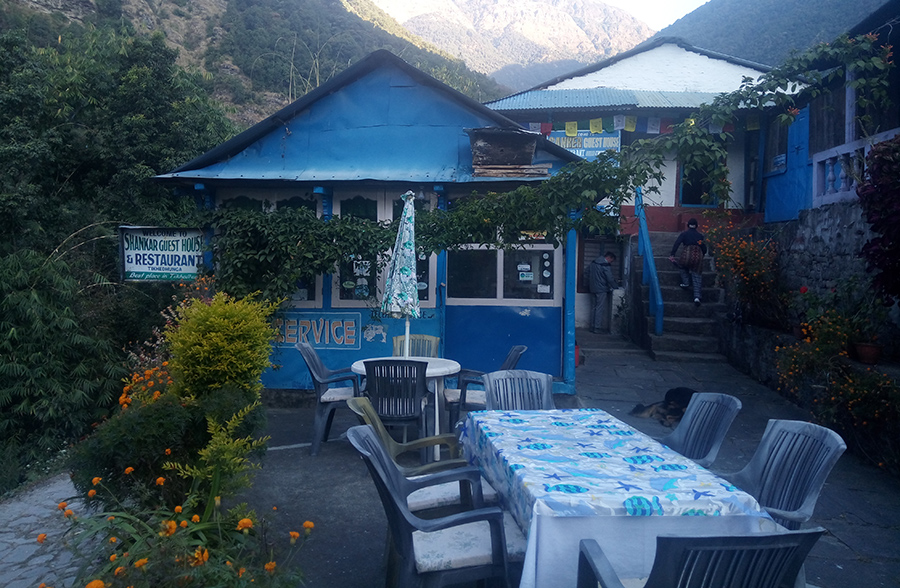
ABC trek tends to be more comfortable and cost-effective for trekkers who prefer convenience and a less rugged experience.
Everest Base Camp Trek
Annapurna Base Camp Trek
For travelers with limited time, ABC may be the more practical choice, while EBC offers a longer, more challenging adventure.
Everest Base Camp Trek
Annapurna Base Camp Trek
ABC trek is budget-friendly without compromising the trekking experience, while EBC requires a bigger budget for flights and supplies.
Both treks are best done in the pre-monsoon (spring) and post-monsoon (autumn) seasons.
Everest Base Camp Trek
Annapurna Base Camp Trek
EBC requires careful planning for altitude-related weather risks, while ABC is more forgiving.
Everest Base Camp Trek
Annapurna Base Camp Trek
ABC is safer in terms of altitude health risks.
Everest Base Camp Trek
Annapurna Base Camp Trek
ABC trek offers more interaction with nature and biodiversity compared to the stark high-altitude landscapes of EBC.
| Feature | Everest Base Camp | Annapurna Base Camp |
|---|---|---|
| Altitude | 5,545 m | 4,130 m |
| Duration | 12–16 days | 7–12 days |
| Difficulty | Moderate–Strenuous | Moderate |
| Scenery | Glaciers, Everest, rocky terrain | Forests, waterfalls, alpine meadows |
| Culture | Sherpa and Buddhist monasteries | Gurung & Magar villages |
| Accommodation | Basic teahouses | Comfortable teahouses |
| Cost | Higher | Lower |
| Best Season | Spring, Autumn | Spring, Autumn |
| Wildlife | Sparse | Rich biodiversity |
Choose Everest Base Camp if:
Choose Annapurna Base Camp if:
Both treks are life-changing experiences, but your choice should reflect your fitness, time, budget, and trekking goals.
Nepal offers some of the most iconic trekking experiences in the world. The Everest Base Camp Trek delivers rugged high-altitude adventure and unparalleled views of Everest, ideal for seasoned trekkers. The Annapurna Base Camp Trek provides an accessible, scenic, and culturally rich trek suitable for all types of travelers. Whether you choose the thrill of EBC or the beauty and diversity of ABC, both journeys promise unforgettable memories, breathtaking landscapes, and a deep connection with Nepal’s mountains and culture.
Every trekker’s choice ultimately depends on what they seek: the ultimate high-altitude challenge or a balanced, scenic adventure. Either way, Nepal’s majestic mountains await with open arms.


Nepal is one of the most beautiful countries in the world for trekking. Its towering mountains, peac
Continue Reading
Adventure Awaits: Nepal Welcomes Independent Trekkers Nepal, known worldwide for its majestic mounta
Continue Reading
Introduction Kathmandu, the capital city of Nepal, is known around the world as the gateway to the H
Continue Reading
Introduction Nepal is a beautiful country in South Asia. It is located between China and India. Even
Continue Reading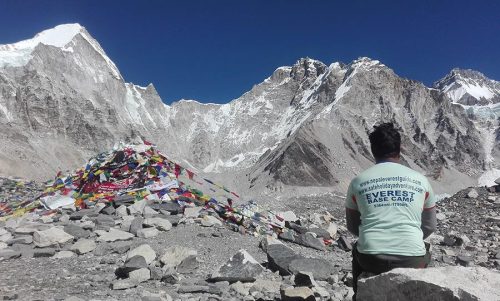
The Everest Base Camp (EBC) trek is one of the most popular high-altitude trekking routes in the wor
Continue Reading
In early 2026, the world’s attention has been gripped by the escalating conflict in the Middle Eas
Continue Reading